


Date: August 30, 2026
Location: Susono, Shizuoka Prefecture, Japan
Executive Overview
Nestled within the sweeping, verdant landscape at the foot of Mount Fuji lies one of Japan’s premier wildlife sanctuaries: Fuji Safari Park. Spanning vast tracts of natural terrain, the park serves as a home to approximately 800 animals representing nearly 60 diverse species, ranging from free-roaming lions and majestic giraffes to lumbering Asian elephants. Recently, the park has expanded its zoological family to include one of the rarest and most striking hoofed mammals on the planet: the Golden Takin.
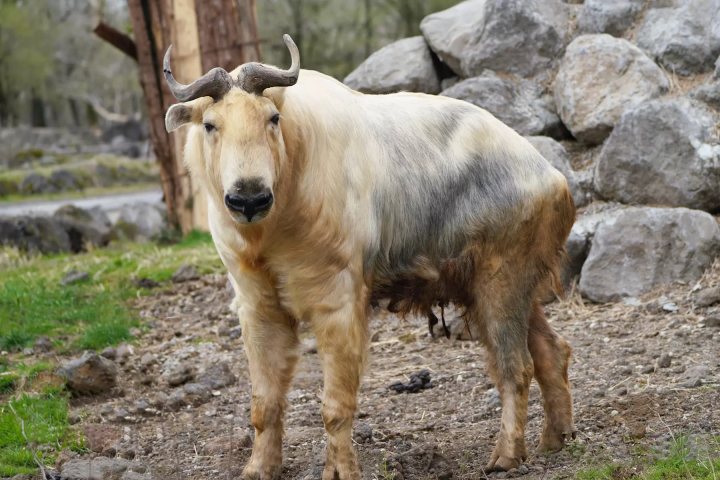
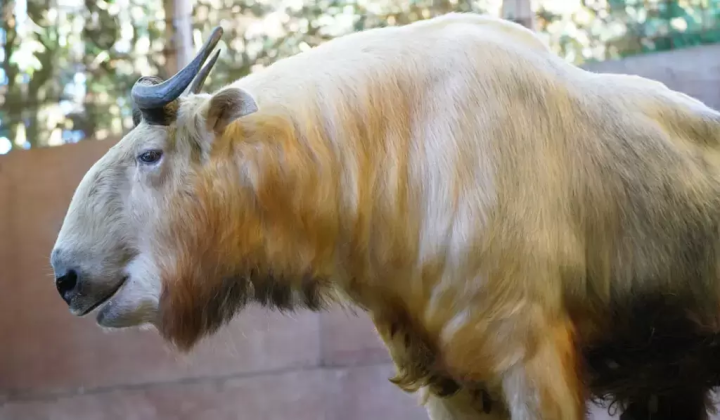
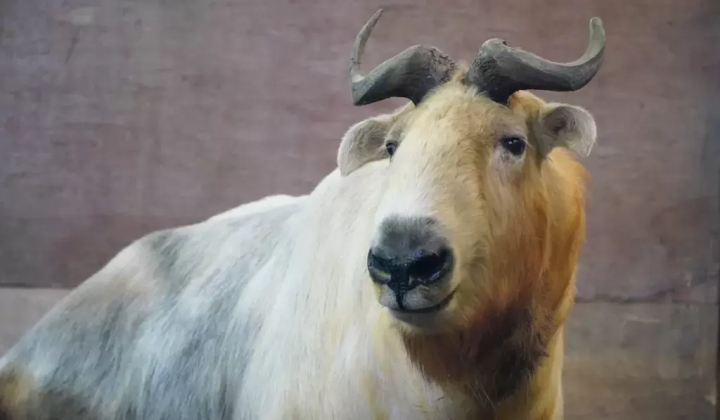
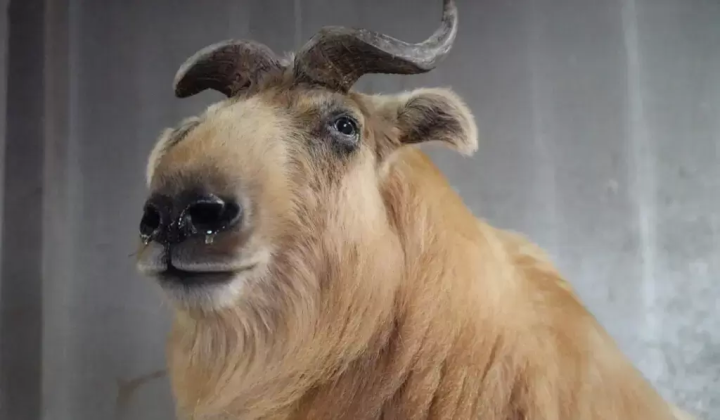
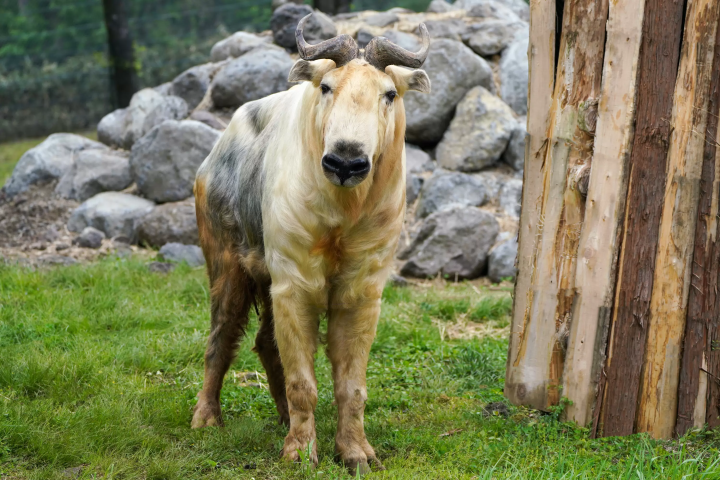
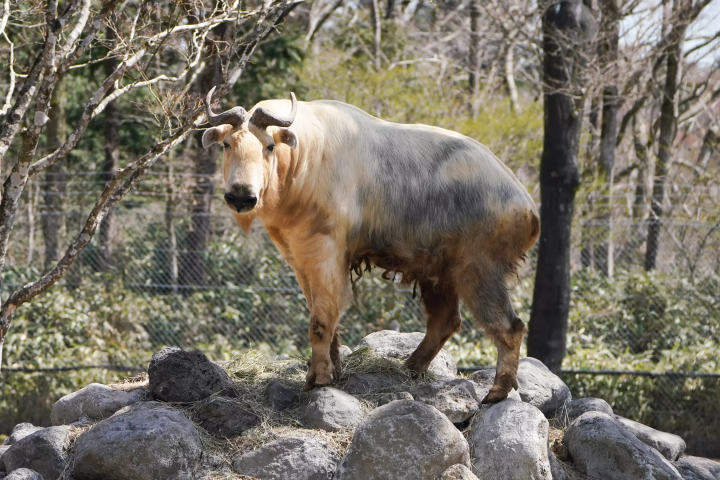
Native to the rugged, high-altitude mountainous terrain of central China, the golden takin (Budorcas taxicolor bedfordi) is an extraordinary bovine species distinguished by its luminous, almost incandescent golden coat and sharply curved horns. Credited as one of China’s three national treasures alongside the giant panda and the golden snub-nosed monkey, the species faces mounting environmental pressures in the wild. With a global population hovering around 5,000 individuals, the golden takin is classified under Appendix II of the Convention on International Trade in Endangered Species of Wild Fauna and Flora (CITES).
To combat the looming threat of extinction, Japanese zoological institutions have established a collaborative breeding and conservation network. Until recently, only three facilities nationwide housed the species. By welcoming a pair of golden takins—a male named Mutsu and a female named Fuku—Fuji Safari Park has officially joined this elite coalition. This move underscores the modern zoological mission: shifting from mere public exhibition to active, hands-on ex-situ conservation, safeguarding biodiversity for future generations.

Detailed Chronology: Arrival and Public Debut
The integration of the golden takins into Fuji Safari Park represents months of careful logistical coordination between metropolitan Tokyo and Shizuoka Prefecture.
The two animals—Mutsu, a male born on January 12, 2017, and Fuku, a female born on February 3, 2017—were originally bred and raised at the Tama Zoological Park in Tokyo. Having reached prime adulthood within the structured environment of the capital’s facility, the pair was transferred to Fuji Safari Park to establish a new breeding nucleus outside of Tokyo.
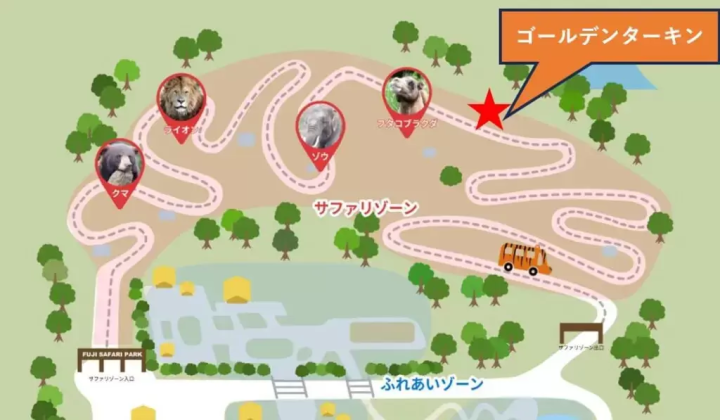
Upon arrival, the animals underwent rigorous veterinary evaluations and acclimation periods. Because golden takins are naturally adapted to severe cold and steep, rocky elevations, park curators designed a specialized habitat carefully calibrated to mimic their native alpine environments. Located strategically within the park’s expansive Safari Zone—specifically in a newly curated enclosure just preceding the mountain herbivore zone on the left-hand side—the exhibit provides both sweeping vistas and structural enrichment that encourages natural foraging and climbing behaviors.
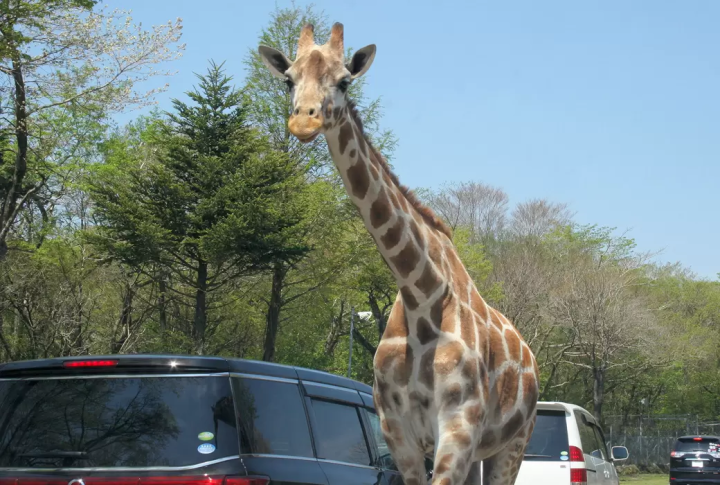
By spring, the enclosure was officially opened to the public. Visitors touring the Safari Zone via private vehicles or the park’s specialized tour buses can now catch a glimpse of Mutsu and Fuku as they navigate their rocky, thoughtfully landscaped habitat. The introduction has quickly become a cornerstone attraction, drawing wildlife enthusiasts, photographers, and conservationists eager to observe an animal rarely seen outside of remote Asian mountain ranges.
Supporting Context & Metrics: The Biology and Status of the Golden Takin
Understanding the significance of Fuji Safari Park’s newest residents requires a closer look at the unique biological adaptations and precarious conservation status of the golden takin.
Anatomical and Behavioral Adaptations
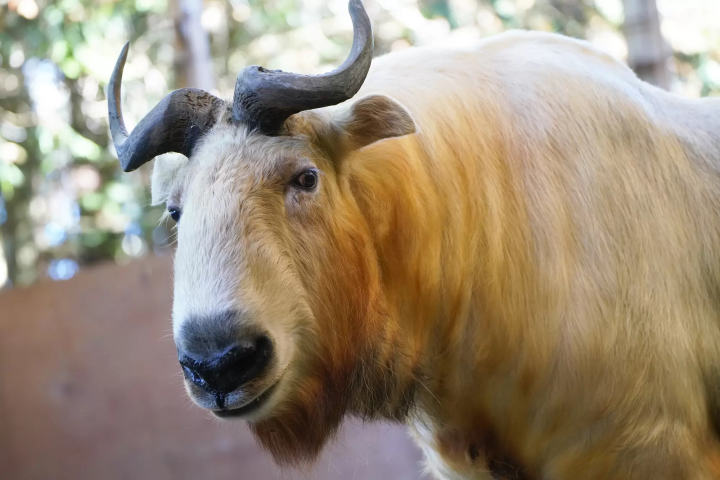
The golden takin is a masterclass in evolutionary adaptation to extreme environments. Belonging to the subfamily Caprinae (which includes sheep, goats, and similar ungulates), Budorcas taxicolor bedfordi inhabits the Qinling Mountains of China at elevations ranging from 2,000 to 3,000 meters above sea level.
Key biological traits include:
- The Coat: Mature males develop a brilliant, golden-yellow fleece that provides both camouflage among high-altitude scrub and exceptional insulation against sub-zero temperatures.
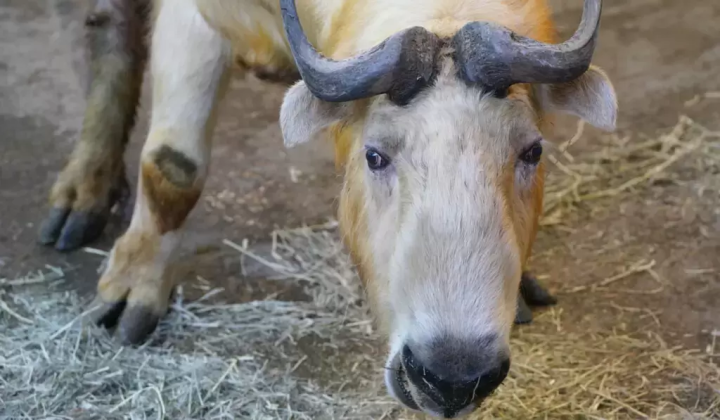
- Nasal Sinuses: To survive the biting cold of high-altitude winters, the takin possesses uniquely enlarged, well-developed nasal sinuses. These internal structures serve to warm frigid inhaled air before it reaches the lungs, preventing thermal shock and respiratory heat loss.
- Sturdy Hooves: Their heavy, splayed hooves feature hard outer rims and soft inner pads, granting them exceptional traction on sheer cliffs and treacherous rocky outcroppings.
- Social Structure: In the wild, takins typically form nomadic herds led by a dominant male, accompanied by several females and their young. While generally docile, they possess formidable defenses; when threatened by natural predators such as snow leopards, wolves, or black bears, they utilize their agility to scale vertical rock faces or emit a sharp, coughing alarm call to alert the herd.
Captive Population Metrics in Japan
Because wild populations are vulnerable to habitat fragmentation, poaching, and climate disruption, cooperative captive breeding programs are vital. In Japan, a strict census is maintained among the participating institutions to ensure genetic diversity and sustainable population growth.
As of March 7, 2026, official records compiled by Fuji Safari Park outline the distribution of the domestic captive population:
| Facility Name | Adult Males | Adult Females | Total Population |
|---|---|---|---|
| Tama Zoological Park | 3 | 2 | 5 |
| Zoorasia (Yokohama Zoological Gardens) | 3 | 2 | 5 |
| Adventure World (Wakayama) | 4 | 5 | 9 |
| Fuji Safari Park (Shizuoka) | 1 | 1 | 2 |
| Total Domestic Population | 11 | 10 | 21 |
With a total of just 21 individuals managed across these four facilities, every birth carries immense genetic value. The inclusion of Mutsu and Fuku at Fuji Safari Park expands the geographical spread of the species in Japan, reducing the vulnerability of the captive population to localized disease outbreaks or environmental disasters.
Official Statements and Conservation Philosophy
The arrival of the golden takins has prompted renewed discussions among park administrators regarding the evolving role of modern safari parks and zoos. No longer viewed simply as recreational venues, progressive facilities emphasize education, scientific research, and active wildlife preservation.
Park leadership highlighted the concept of ex-situ conservation—the practice of protecting endangered species by maintaining and breeding them outside their natural habitats. In an official briefing, park representatives noted:
"The wild population of the golden takin is estimated at roughly 5,000 individuals. Without proactive intervention and international cooperation, the species faces a genuine risk of long-term decline. By welcoming Mutsu and Fuku, Fuji Safari Park is proud to step beyond passive exhibition and directly contribute to the ex-situ conservation framework alongside our esteemed peers at Tama, Zoorasia, and Adventure World."
Conservation biologists have praised the move, noting that public exposure is the first step toward generating grassroots support for international wildlife protection treaties, such as CITES. When everyday visitors lock eyes with a rare animal like the golden takin, abstract conservation statistics transform into tangible, emotional connections.
Visitor Experience and Future Outlook
For travelers planning a trip to Fuji Safari Park, the addition of the golden takins provides yet another compelling reason to explore the grounds. However, navigating the park requires some strategic planning to ensure an optimal viewing experience.
Navigating the Park: Vehicles vs. Tour Buses
While visitors have the option of driving their personal automobiles through the perimeter of the Safari Zone, park veterans frequently recommend utilizing the dedicated sightseeing fleets for an elevated perspective.
- The Jungle Bus: A long-standing favorite among families, these animal-themed buses feature side-view feeding hatches that allow visitors to hand-feed large herbivores and carnivores under controlled conditions.
- The Super Jungle Bus: For adrenaline seekers, this specialized vehicle features reinforced wire mesh covering the entire roof and upper portions of the cabin, allowing animals to approach overhead and providing unobstructed, thrilling sightlines.
- The Walking Safari: For those who prefer a slower pace, this guided pedestrian trail winds along the perimeter fence of the Safari Zone, offering quiet vantage points to observe animals interacting in naturalistic settings.
Admission Logistics and Economic Travel Tips
To streamline entry and mitigate long queues at the vehicle toll booths, park management strongly encourages advance digital registration.
- Standard Gate Pricing:
- Adults (High school students and older): ¥3,200
- Children (Ages 4 to Junior High): ¥2,000
- Seniors (Ages 65 and over): ¥2,500
- The "MySAFARI" Digital Discount:
By registering for the park’s proprietary digital membership platform, MySAFARI, visitors can purchase electronic admission tickets at a discounted rate. Through this service, adult tickets are reduced from ¥3,200 to ¥2,700, while children’s tickets drop from ¥2,000 to ¥1,700. Note: Electronic tickets remain valid for a single use within 90 days of purchase, though non-refundable policies apply once transactions are finalized.
Looking Ahead
As Mutsu and Fuku settle into their Shizuoka home, Fuji Safari Park’s animal care teams remain hyper-focused on monitoring their health, behavioral adaptation, and dietary intake. While immediate breeding plans will depend on the pair’s ongoing acclimation, zoologists remain cautiously optimistic that the serene, mountain-adjacent environment of Mount Fuji will provide an ideal backdrop for future reproductive success.
Through meticulous husbandry, public education campaigns, and inter-zoo collaboration, Fuji Safari Park’s investment in the golden takin exemplifies how regional attractions can play a pivotal role in global biodiversity preservation—ensuring that magnificent species like Budorcas taxicolor bedfordi endure for generations to come.









Belum ada komentar. Jadilah yang pertama berkomentar!