

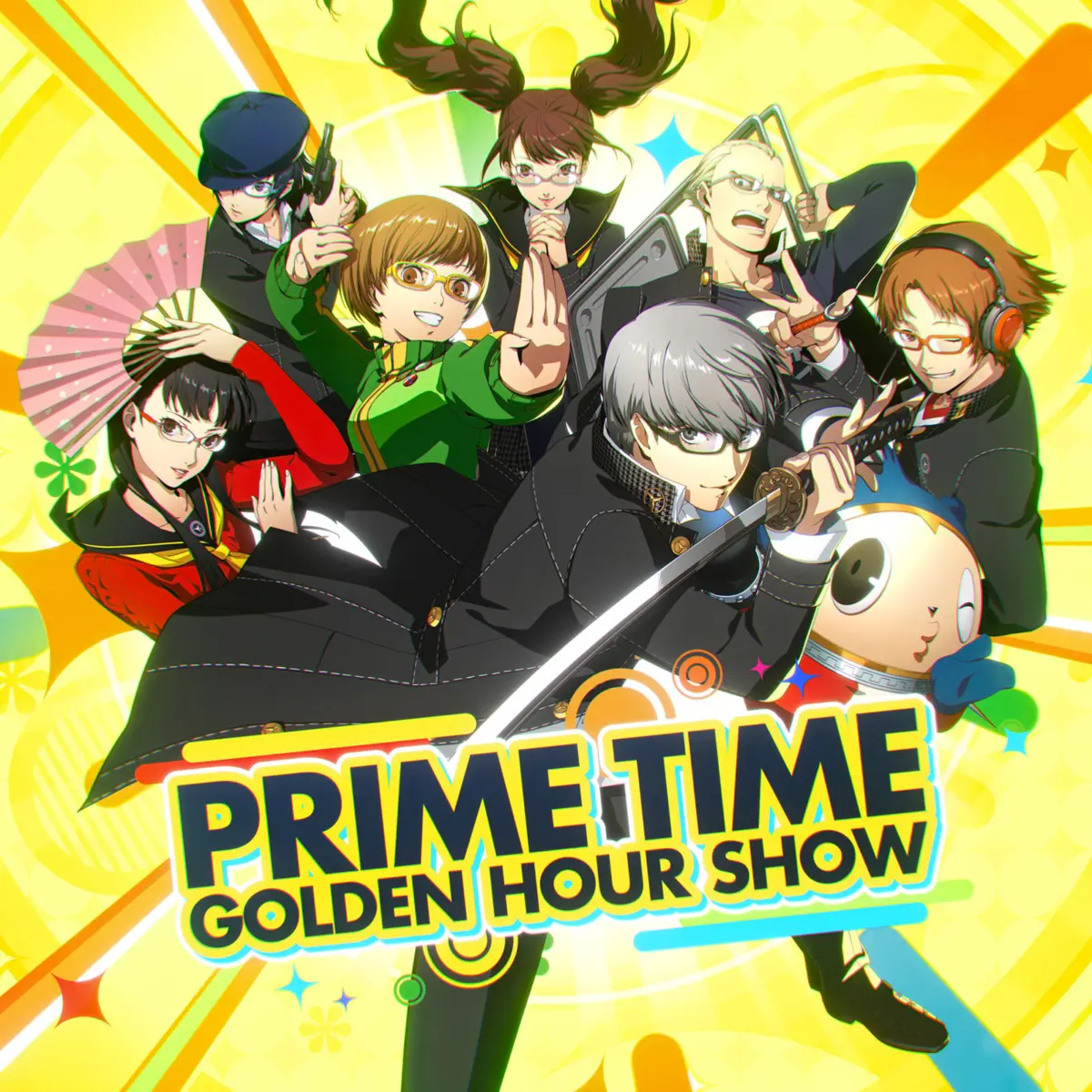
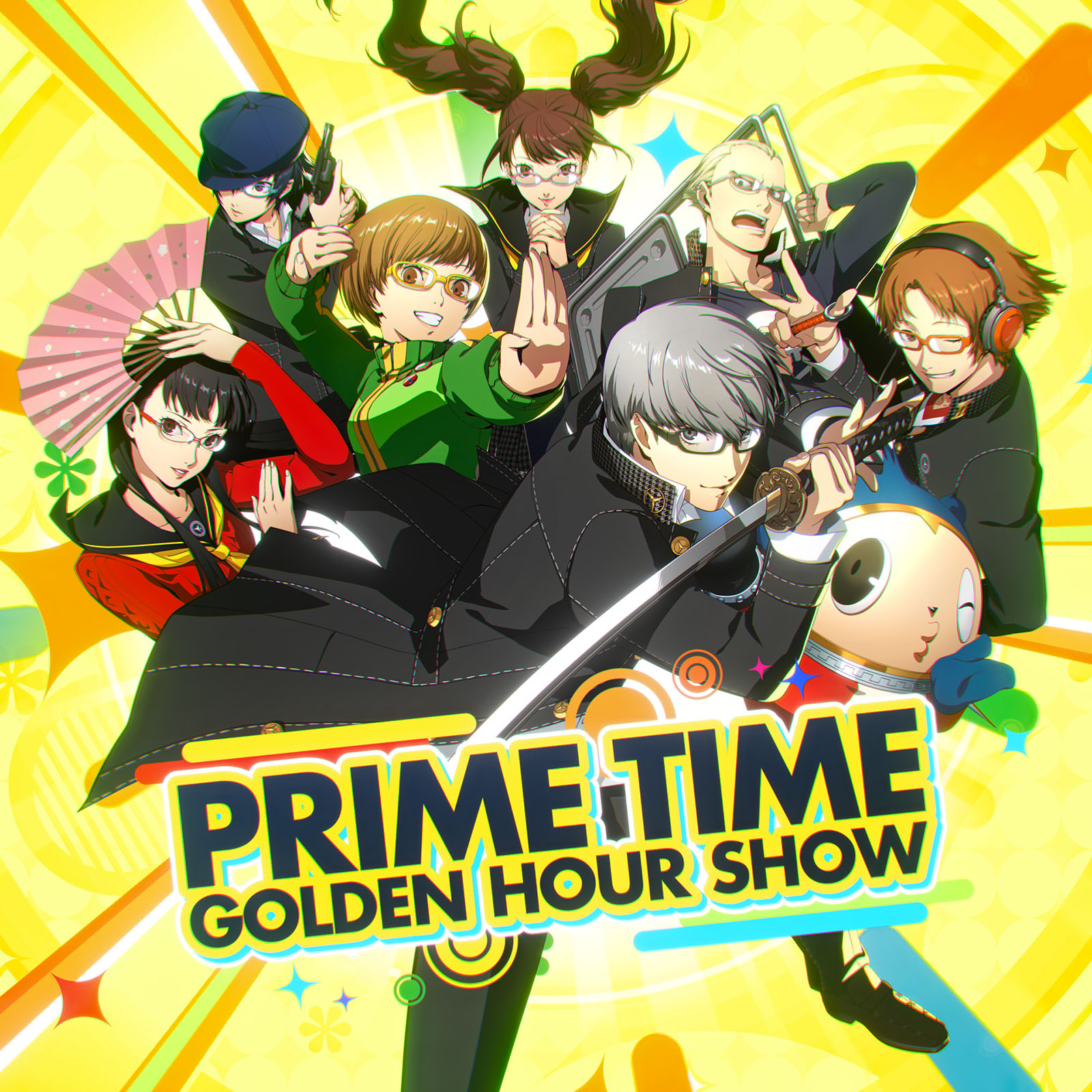
The enduring legacy of Atlus’s critically acclaimed Persona franchise continues to reverberate across the global gaming and entertainment industries. On August 31, 2026, Atlus and Sega officially expanded the sonic universe of one of their most beloved entries by releasing the newly orchestrated live performance album, Persona 4: New Orchestration Live Time –Prime Time Golden Hour Show–, across a multitude of major digital streaming platforms.
This release marks a significant milestone for fans of the Persona series, bridging the gap between traditional video game soundtracks and high-art concert arrangements. Available immediately on dominant subscription streaming giants such as Apple Music and Spotify, the album is also accessible for digital purchase via storefronts including the iTunes Store and Amazon Music. In lockstep with the streaming release, Atlus has rolled out a series of companion music videos hosted on their official YouTube channel, offering fans both a visual and auditory feast.
At the heart of this new release is a stunning, reimagined arrangement of the franchise’s iconic battle theme, "Reach Out To The Truth -Revival-," a track that has served as a cultural touchstone for JRPG enthusiasts since the original game’s launch. This comprehensive report explores the genesis of the album, the cultural weight of the Persona 4 soundtrack, the mechanics of its orchestral reinvention, and what this release signals for the future of Atlus’s musical merchandising strategy.
Detailed Chronology: From Inaba CRT Screens to Global Concert Halls
To understand the magnitude of the Prime Time Golden Hour Show release, one must trace the evolutionary timeline of Persona 4’s audio identity. Originally launched in 2008 for the PlayStation 2, Persona 4 transported players to the fictional, sleepy rural town of Inaba. Helmed by legendary composer Shoji Meguro, the game’s soundtrack broke conventional JRPG molds by blending acid jazz, J-pop vocals, hip-hop undertones, and upbeat electronic melodies to capture the eerie yet comforting double-life of rural Japanese teenagers solving supernatural murders.
The Evolution of Inaba’s Soundscape
- July 2008: Persona 4 releases in Japan, introducing players to tracks like "Pursuing My True Self" and "Reach Out To The Truth." The music immediately receives widespread critical acclaim for its lyrical depth and catchy compositions, performed masterfully by singer Shihoko Hirata.
- 2012–2015: The release of Persona 4 Golden on the PlayStation Vita and subsequent anime adaptations (Persona 4 The Animation) expand the musical footprint, adding tracks like "Shadow World" and cementing the soundtrack as a masterpiece of modern video game composition.
- The Live Concert Era: Over the subsequent decade, Atlus transitioned the franchise’s music from digital playback to live concert halls, hosting annual Persona Super Live concerts in Japan. These events evolved from niche fan gatherings into massive theatrical productions featuring full live bands, orchestras, and synchronized light shows.
- August 31, 2026: Culminating years of live-performance experimentation, Atlus drops Persona 4: New Orchestration Live Time –Prime Time Golden Hour Show– across global streaming networks. This release officially codifies the orchestral interpretations of the beloved tracks into an audiophile-grade album available on PC, PlayStation 5, and Xbox Series X|S ecosystem users alike, bridging modern gaming hardware with everyday media consumption.
Supporting Context & Metrics: The Cultural and Economic Footprint of Persona Music
The decision by Atlus and Sega to drop a full live-orchestrated album on global streaming platforms is not merely a nostalgic nod; it is a calculated move driven by booming market data and intense consumer demand for video game audio.
Streaming Dominance and Economic Realities
In recent years, video game soundtracks (VGMs) have transformed from auxiliary marketing collateral into primary economic engines and cultural touchstones. Platforms like Spotify and Apple Music report double-digit year-over-year growth in VGM consumption, with Japanese RPG scores leading the charge.
| Metric / Category | Details & Industry Context | |
|---|---|---|
| Primary Platforms | Apple Music, Spotify (Subscription Streaming); iTunes Store, Amazon Music (Digital Purchase) | |
| Accompanying Media | Curated music video rollout via the official Atlus/Sega YouTube channel | |
| Key Flagship Track | "Reach Out To The Truth -Revival-" (Newly arranged live-orchestrated battle theme) | |
| Target Ecosystems | PC, PlayStation 5, Xbox Series X | S cross-media integration |
| Copyright Holders | ©ATLUS. ©SEGA. |
Shoji Meguro’s compositions have historically dominated billboard charts upon physical CD releases in Japan. However, the global shift toward simultaneous worldwide digital delivery—exemplified by the August 31, 2026 drop—allows international fans to access high-fidelity orchestral recordings the exact moment they go live in Tokyo. This eliminates import delays and directly combats piracy, while capitalizing on the massive cross-media footprint established by Persona 5 and its subsequent spin-offs.
Official Statements & Artistic Breakdown: Inside the Music
While Atlus and Sega have kept production liner notes concise, the artistic intent behind Prime Time Golden Hour Show is transparently woven into every second of the audio tracks. The album focuses on translating the upbeat, synthetic, and rhythm-heavy tracks of the 2008 PS2 classic into dynamic, acoustic, and brass-heavy orchestrations that demand active listening.

Deconstructing "Reach Out To The Truth -Revival-"
The crown jewel of the release, "Reach Out To The Truth -Revival-," takes the iconic battle theme—traditionally characterized by its sharp electric guitar riffs, driving drum beats, and Shihoko Hirata’s soaring pop-rock vocals—and injects it with symphonic grandeur.
- The Brass Section: The opening hooks are now driven by roaring French horns and punchy trumpets, mimicking the urgency of the original electric guitar melodies while adding a cinematic, wide-screen breadth.
- Percussion Dynamics: Real orchestral timpani, snare rolls, and auxiliary percussion replace the sequenced drum kits of the original game files, giving the track a physical, room-shaking presence that elevates it from a video game track to a legitimate concert hall piece.
- Vocal Preservation: Despite the massive instrumental overhaul, the soul of the track remains untouched. The vocals retain their youthful, defiant edge, proving that the themes of truth, self-acceptance, and adolescent struggle transcend genre boundaries.
Industry analysts note that this "Revival" philosophy mirrors Atlus’s broader strategy of breathing new life into older intellectual properties without losing the nostalgic DNA that made them iconic in the first place.
Future Outlook: What the Prime Time Golden Hour Show Means Moving Forward
The launch of Persona 4: New Orchestration Live Time –Prime Time Golden Hour Show– opens several intriguing avenues for the future of the Persona franchise and Sega’s multimedia strategy as a whole.
1. The Expansion of Symphonic Gaming Tours
With the digital release of these high-fidelity live recordings, speculation is naturally rising regarding a potential global concert tour. Atlus has previously tested international waters with orchestral and jazz concerts, but an integrated rollout of a specific performance like the Golden Hour Show suggests that touring schedules may soon align with worldwide digital availability, allowing fans in New York, London, and Tokyo to experience identical setlists simultaneously.

2. Precedent for Persona 3 and Persona 5
The success of this orchestral treatment sets a definitive benchmark for how legacy music can be monetized and celebrated. As fans eagerly await future mainline installments in the Persona series, keeping the catalog fresh through high-end orchestral revivals ensures that the brand remains culturally relevant, keeping subscription queues full and merchandise pipelines lucrative.
3. Audio-First Entertainment Ecosystems
As gaming hardware continues to merge with living room entertainment centers—exemplified by the multi-platform availability across PC, PS5, and Xbox Series X|S—Atlus and Sega are signaling that a fan’s relationship with a game does not end when the credits roll. By pushing premium audio directly to daily-driver applications like Spotify and Apple Music, the companies ensure that Persona 4 remains a permanent fixture in the daily lives of its global audience, nearly two decades after its initial launch.
Ultimately, Prime Time Golden Hour Show is more than a simple album release; it is a testament to the timeless power of great video game music. It proves that the fog over Inaba may have cleared long ago, but the music born from its mysteries will echo on concert stages and digital playlists for generations to come.



Belum ada komentar. Jadilah yang pertama berkomentar!