

Executive Overview
Japanese convenience stores—frequently celebrated as globetrotting culinary hubs offering gourmet-level dining at budget-friendly price points—occasionally venture into polarizing territory. While viral sensations usually focus on products lauded for exceptional craftsmanship, a new release has captured the digital zeitgeist for entirely opposite reasons.
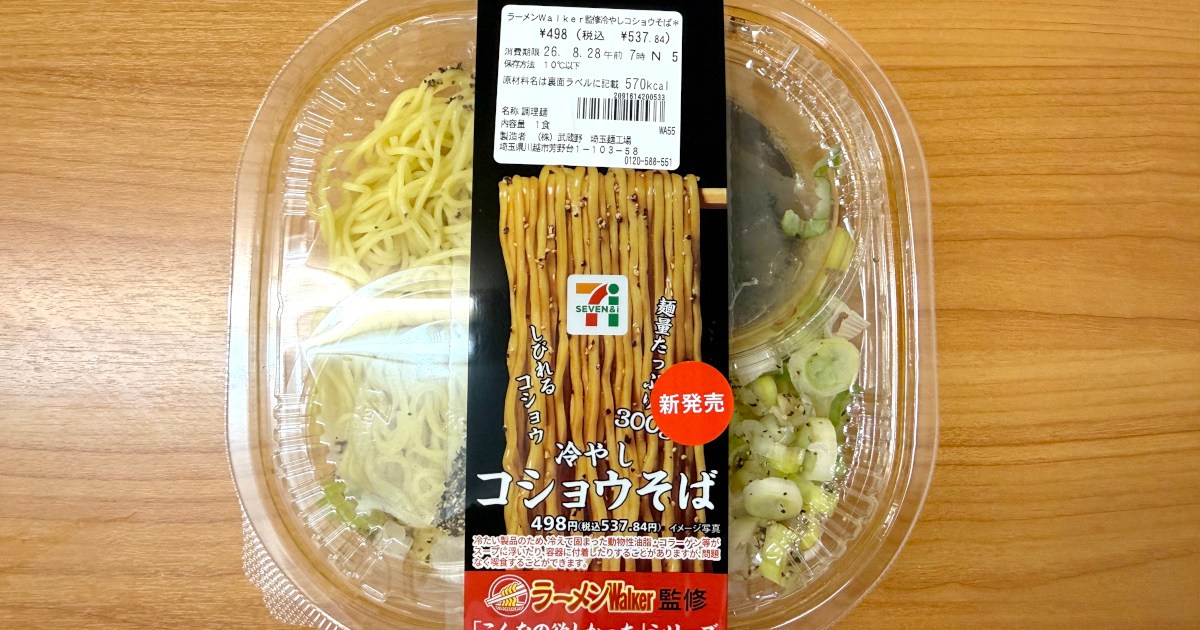
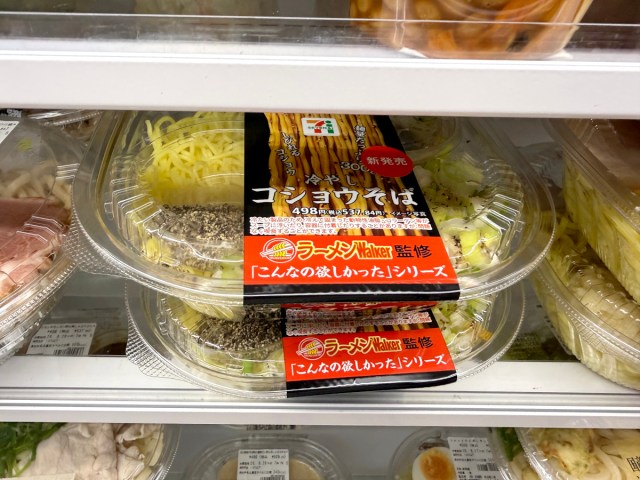
Launched nationwide on August 25 at 7-Eleven outlets across Japan, the "Ramen Walker-supervised Chilled Pepper Soba" retails for 537 yen (approximately $3.60 USD). Developed in collaboration with Ramen Walker, one of the nation’s premier ramen information portals, the dish is part of an ambitious series titled "This is the Type of Thing We Wanted."
However, within days of its rollout, the product triggered a wave of viral backlash across social media platforms like X (formerly Twitter) and TikTok. Far from being heralded as a triumph of modern convenience store gastronomy, the chilled noodle dish has been branded by consumers as excessively, almost hazardously, salty. Some online users have gone so far as to declare it completely inedible.
To determine the veracity of these claims, a reporting team undertook a rigorous taste test of the controversial meal. This investigative report examines the anatomy of the Chilled Pepper Soba, analyzes the public response, evaluates the broader context of extreme-flavor trends within Japan’s convenience store sector, and assesses the long-term implications for corporate culinary partnerships.
Detailed Chronology
Phase 1: The Product Concept and Hype Cycle
The genesis of the Chilled Pepper Soba lies in a strategic collaboration between 7-Eleven Japan and Ramen Walker. As a dominant voice in Japan’s ramen subculture, Ramen Walker carries significant culinary clout. The initiative, framed around the provocative tagline "This is the Type of Thing We Wanted," aimed to target hardcore ramen enthusiasts craving bold, unapologetic, and non-traditional flavor profiles during the grueling tail-end of the Japanese summer.
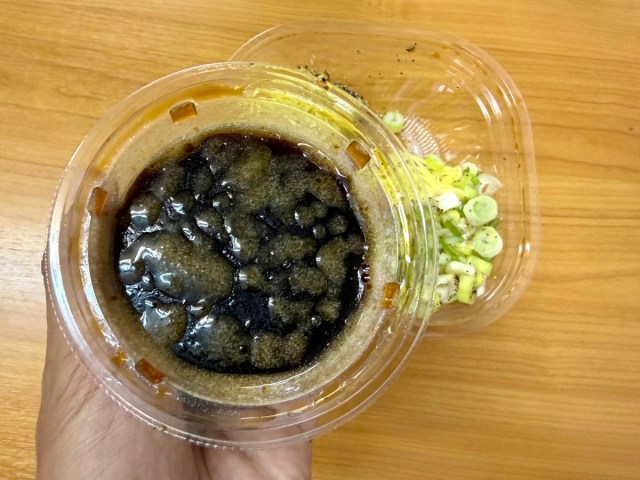
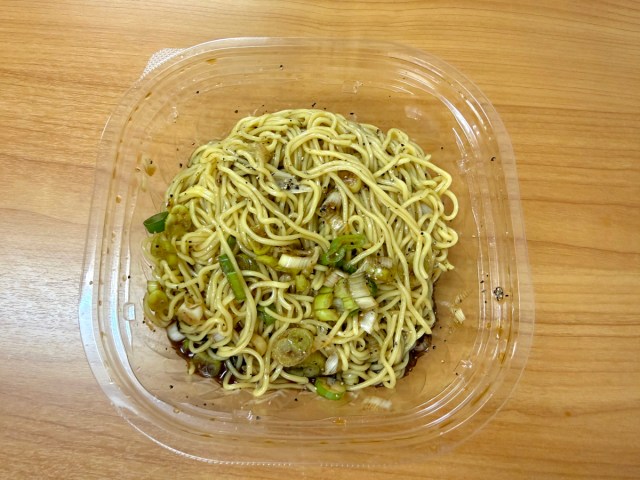
The product was designed to offer a sharp sensory jolt. Consisting of a deceptively simple foundation of chilled noodles garnished with finely chopped green onions, the dish relies entirely on its accompanying components to deliver impact: an intensely dark, viscous soy-based sauce paired with an extraordinarily heavy-handed dusting of black pepper.
Phase 2: The National Rollout and Digital Backlash
On August 25, the Chilled Pepper Soba hit refrigerator shelves across 7-Eleven’s vast nationwide network. Initial adoption was brisk, fueled by curiosity and the prestige of the Ramen Walker endorsement.
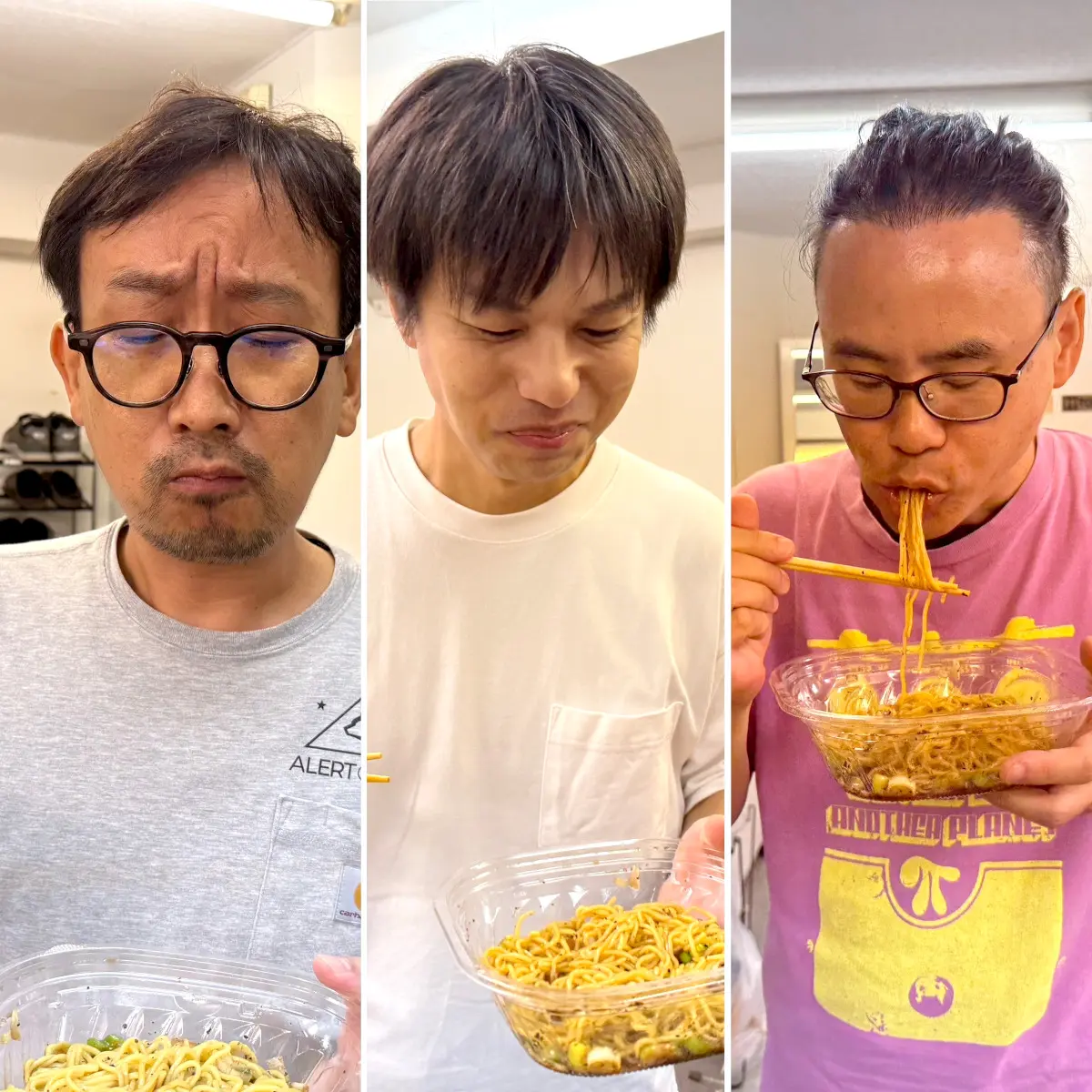
However, digital consumption patterns quickly shifted from enthusiastic promotion to cautionary consumer reviews. Early adopters took to social media to express astonishment at the sodium levels. Comments ranging from "It burns your tongue with salt" to "I had to throw half of it away" began trending. Digital food reviewers posted video reactions showing visible grimaces upon first bite, transforming the product into an overnight viral novelty—not for its brilliance, but for its punishing flavor profile.
Phase 3: The Investigative Tasting Panel
Recognizing the rapid escalation of the online discourse, a team of three seasoned reporters assembled to conduct a controlled, on-the-record tasting panel.
The preparation adhered strictly to the manufacturer’s provided instructions:
- The thick, dark sauce was poured over the chilled noodles and mixed thoroughly to ensure even coating.
- The packet of coarse black pepper was added directly to the mixture.
- A secondary, rigorous mixing phase was executed to distribute the pepper flakes uniformly.
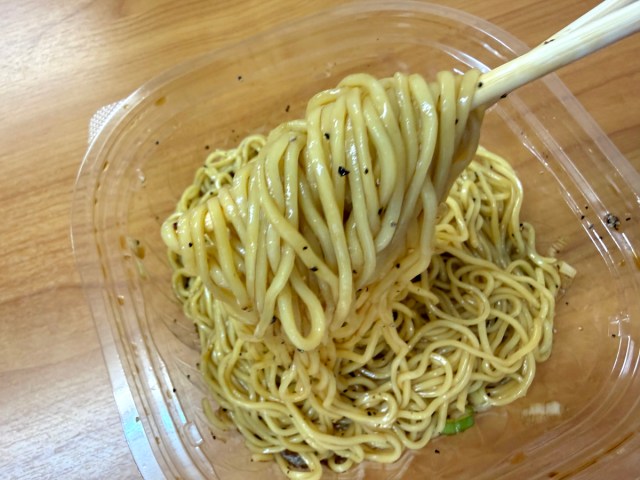
Visual inspection prior to consumption revealed an alarming aesthetic. The noodles were deeply stained by the pitch-black sauce, while the surface was densely speckled with pepper particles, creating an appearance that evoked immediate hesitation from the tasting panel.
Upon tasting, the collective reaction validated the online consensus. While the initial impression hinted at a rich, savory umami base typical of specialized Tokyo-style mazesoba (dry ramen), the flavor profile aggressively shifted within seconds. An intense, concentrated wave of sodium flooded the palate, instantly overpowering any underlying complexity.
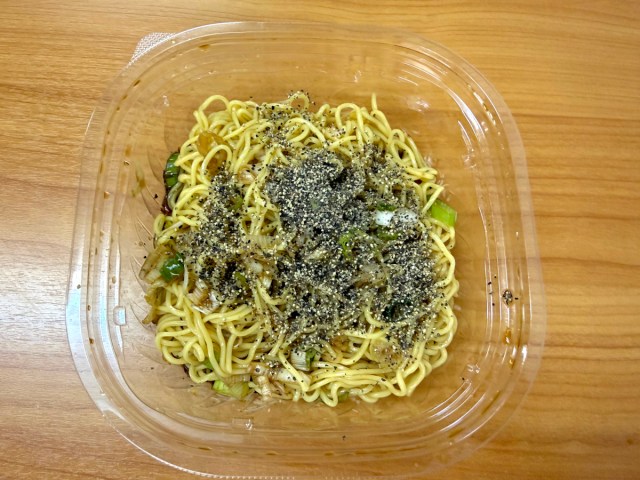
While the panel members—possessing seasoned palates accustomed to intense Japanese street food—managed to finish their portions, they unanimously agreed that the dish posed a genuine sensory challenge. The final feedback encapsulated a spectrum of culinary dismay:
- "Argh, it’s remarkably salty!"
- "The profile is overwhelmingly strong, though technically manageable."
- "It delivers intense flavor, but ultimately lacks harmony and palatability."
Supporting Context & Metrics
The Japanese Convenience Store (Konbini) Ecosystem
To understand why the Chilled Pepper Soba generated such profound shock, one must examine the baseline expectations of Japan’s konbini industry. Establishments like 7-Eleven, Lawson, and FamilyMart operate under fiercely competitive conditions, frequently partnering with Michelin-starred chefs and legendary ramen establishments (such as Tomita or Tsuta) to release high-end, limited-edition microwavable or chilled meals.
These products are generally engineered for mass appeal, balancing bold flavor profiles with broad consumer accessibility. When a product deviates radically from this delicate equilibrium—as seen previously with extreme-salt releases like Ikebukuro’s viral high-sodium ramen variants—it creates a profound dissonance for the average consumer.
Nutritional and Sensory Metrics
While exact laboratory breakdowns for the Ramen Walker-supervised dish remain proprietary, comparable high-sodium dry noodle dishes in the Japanese market frequently exceed 4 to 6 grams of sodium chloride equivalent per serving—surpassing recommended daily intake limits in a single meal.
| Metric Category | Product Specification / Observation |
|---|---|
| Retail Price | 537 JPY (approx. $3.60 USD) |
| Release Date | August 25 (Nationwide across Japan) |
| Primary Components | Chilled wheat noodles, green onions, dark soy-based tare, coarse black pepper |
| Dominant Sensory Attribute | Extreme, immediate sodium concentration combined with high-scoville pepper heat |
| Public Sentiment Index | Highly polarized; trending negatively for excessive saltiness, yet maintaining viral curiosity |
Official Statements and Industry Perspective
As of this writing, neither 7-Eleven Japan nor representatives from Ramen Walker have issued a formal corporate apology or announced plans to pull or reformulate the product. In the fast-paced world of Japanese convenience store product lifecycles, items bearing collaboration tags are frequently manufactured as limited-edition trials designed to maximize short-term media engagement rather than long-term menu permanence.
Industry analysts suggest that the polarizing nature of the Chilled Pepper Soba may have been intentional. In an overcrowded marketplace dominated by safe, crowd-pleasing iterations of classic comfort foods, shock-value marketing—often colloquially termed wadai-sei (話題性, or "话题性/topic-worthiness")—drives foot traffic and social media impressions. Even negative reviews compel curious consumers to visit local branches to test the limits of the dish themselves, paradoxically boosting short-term sales volume.
Future Outlook
The viral trajectory of the Chilled Pepper Soba offers valuable lessons regarding the intersection of digital media culture and food product development in modern Japan.
- The Rise of "Extreme" Product Marketing: Expect major convenience store chains to continue experimenting with high-intensity flavor profiles designed specifically to provoke reactions on platforms like TikTok and X. The line between culinary innovation and sensationalist stunt food is increasingly blurred.
- Consumer Resilience and Skepticism: While adventurous eaters and internet culture enthusiasts will likely continue seeking out these polarizing items as badge-of-honor challenges, general consumers may grow more cautious of third-party celebrity or media-supervised endorsements.
- Product Longevity: Given the severity of the consumer feedback regarding its excessive saltiness, it is improbable that the Chilled Pepper Soba will transition from a limited-time promotional item into a permanent fixture of 7-Eleven’s seasonal rotation.
For travelers and culinary explorers currently navigating Japan, the Chilled Pepper Soba remains available at select 7-Eleven locations while supplies last. Those possessing an iron constitution and an appetite for extreme sensory experiences may find it a memorable gastronomic adventure—though keeping a large bottle of water nearby is strongly advised.







Belum ada komentar. Jadilah yang pertama berkomentar!