


Executive Overview
Video game music has evolved from the simplistic blips and bleeps of the 8-bit era into fully realized, symphonic masterpieces capable of carrying the emotional and narrative weight of entire interactive worlds. Yet, few composers have consistently pushed the boundaries of genre fusion quite like Darren Korb, the sonic architect behind Supergiant Games. Following the critical and commercial triumph of the original Hades, Korb returned with an even more ambitious, genre-defying sonic landscape for Hades II.
Even for players who have long since exhausted the rogue-lite’s labyrinthine depths, defeated its pantheon of gods, and moved on to other interactive experiences, the game’s audio footprint remains stubbornly unforgettable. Pushing past the atmospheric ambient soundscapes that set the tone for exploration, Hades II relies on high-octane, show-stopping boss themes and guest collaborations to elevate its musical identity. From the ferocious death-metal growls of Charybdis to the blistering, avant-garde saxophone solos of Sam Gendel, the soundtrack serves as both a masterclass in video game audio design and the pinnacle of Korb’s storied career. This retrospective examines the structural genius, cultural impact, and compositional brilliance that makes the Hades II score an enduring cultural phenomenon.
Detailed Chronology: From Ambient Exploration to Show-Stopping Climax
The journey through the musical landscape of Hades II is carefully paced, designed to transition players from the quiet, melancholic dread of the Underworld to the frenetic, god-shattering clashes of the surface world.

Phase 1: Setting the Table with Atmospheric Subtlety
Before Korb unleashes his trademark rock-infused arrangements, he establishes the atmospheric geography of the game through textured, ambient soundscapes. Tracks such as "Edge of Erebus" and "Spider Silk" establish a distinctly nocturnal, spectral mood.
Most notably, "The Song of Sirens" serves as an homage to the mythological archetype before abruptly subverting player expectations. Korb brilliantly eases the listener into a false sense of classical security, only to hit them over the head with a driving rock arrangement that sets the stage for the encounters to come.
Phase 2: The Antagonistic Discography of Scylla and the Sirens
What truly cements the soundtrack in the collective consciousness of players are its narrative-driven set-pieces. Among these, the recurring musical encounters with Scylla and the Sirens stand out as a stroke of genius. As players progress, Scylla transforms from a standard boss into a personal antagonist who writes bespoke "diss tracks" to mock the player’s repeated failures.

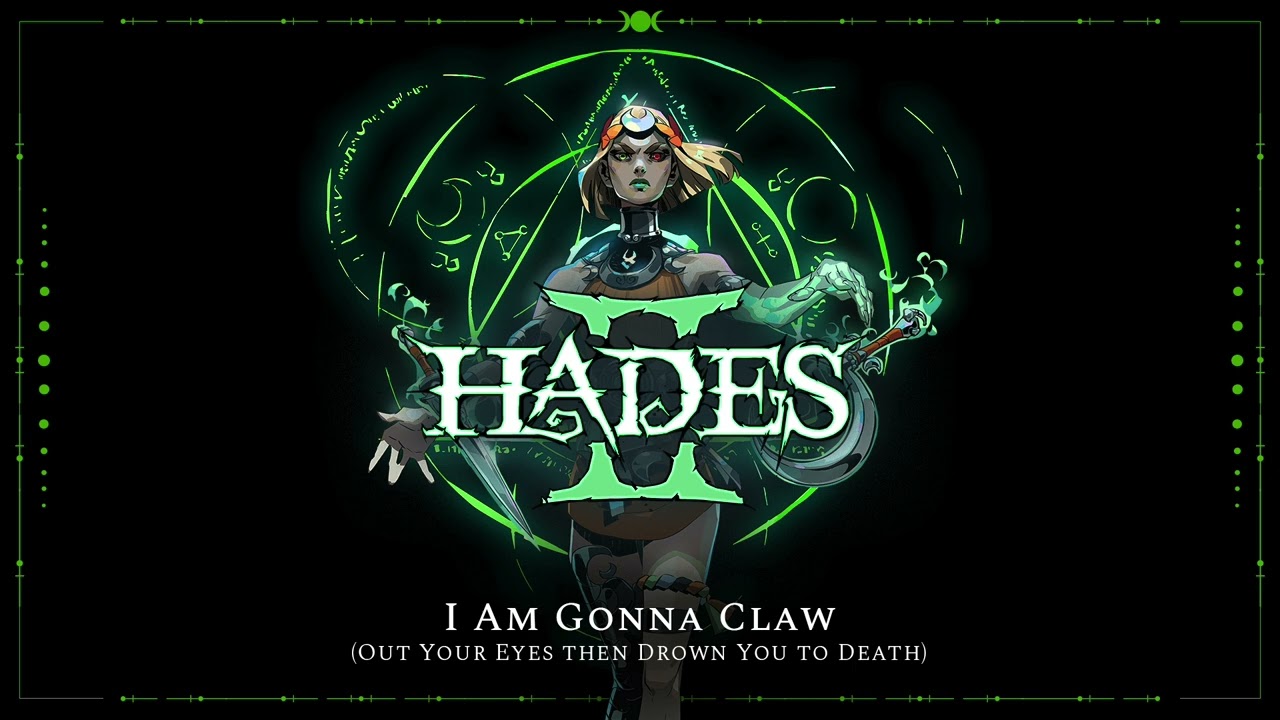
This culminates in a multi-track discography featuring gems like "Coral Crown," "Bewitching Eyes," and the hilariously aggressive "I Am Gonna Claw (Out Your Eyes then Drown You to Death)." The addition of "Rock and a Hard Place (feat. Charybdis)"—complete with death-metal growls from the monstrous sea creature—transforms what could have been a standard mini-boss into an unforgettable concert experience, elevated by Erin Yvette’s powerhouse vocal delivery.
Phase 3: The Temporal War of Cronos and Louis Cole
At the heart of the game’s narrative conflict is Cronos, the Titan of Time. His initial theme, "The Titan of Time," wisely utilizes a ticking clock as its signature percussive element, cleverly manipulating time signatures to induce a sense of frantic panic.
However, the real revelation arrives with "The End of Time," unlocked after completing the "Dissolution of Time" incantation to put the Titan down permanently. Featuring guest musician Louis Cole on drums, bass, and keyboards, the track unleashes an unbridled percussive assault. Turning the drum kit into the leading melodic and rhythmic weapon against the physical manifestation of time is a masterstroke of arrangement.

Phase 4: The Surface World and Orchestral Crescendos
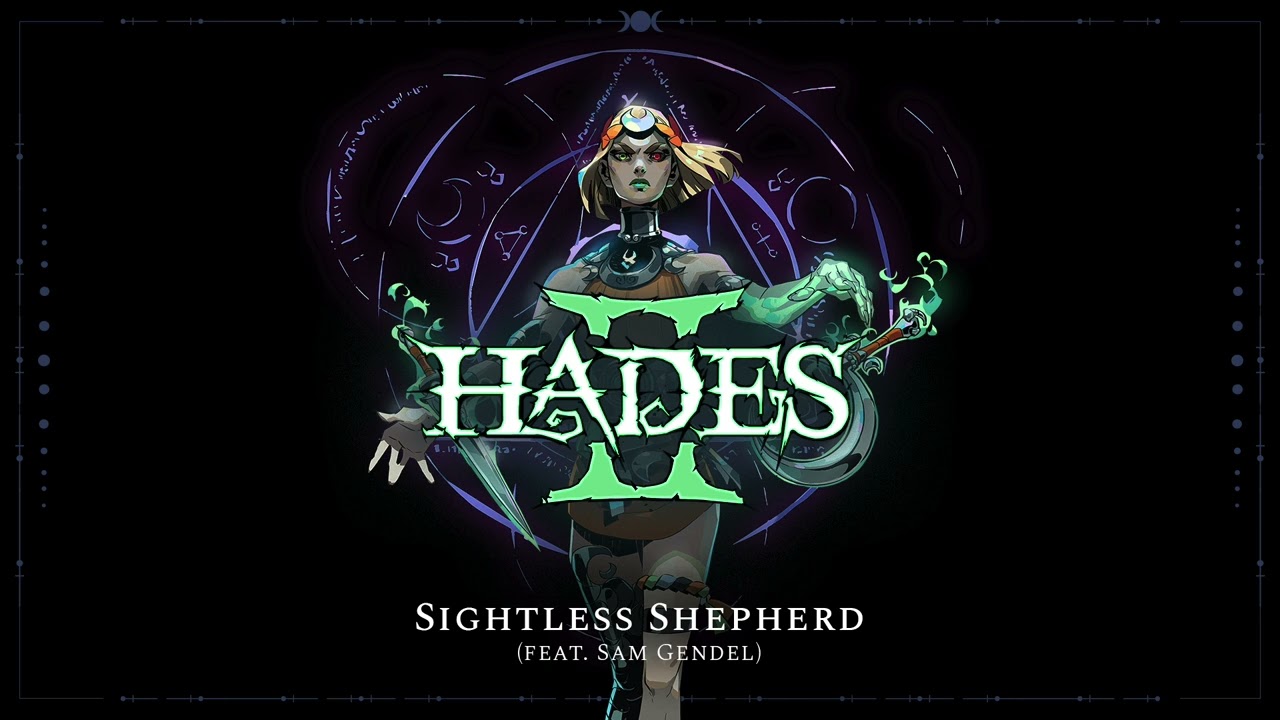
As the conflict spills over into the surface world, the audio design expands its stylistic horizons. "The Sightless Shepherd," accompanying the battle against the Cyclops Polyphemus, introduces a searing saxophone solo courtesy of guest artist Sam Gendel. Despite Polyphemus occupying the role of a relatively early surface-area boss, Korb treats the encounter with the gravitas of a climatic showdown, resulting in an earworm that effortlessly translates from the game to real-world playlists.
Finally, "Olympus Aflame"—playing during the intense Vow of Rivals encounter against both Heracles and Prometheus—delivers a masterclass in orchestral bombast. As Mount Olympus crumbles around the combatants, panicked, feverish trumpet crescendos capture the absolute chaos of divine warfare.
Supporting Context & Metrics: The Evolution of Supergiant’s Sound
To understand the magnitude of the Hades II score, one must look at the trajectory of Darren Korb’s collaborative relationship with Supergiant Games. Korb has been the sole musical director behind the studio’s entire catalog, shaping the sonic identities of Bastion, Transistor, and Pyre.
| Game Title | Primary Musical Motif / Genre Style | Notable Collaborators / Performers | Cultural Reception |
|---|---|---|---|
| Bastion | Acoustic "Acoustic Frontier" / Americana | Ashley Barrett | Universally praised for blending indie-folk with atmospheric storytelling. |
| Transistor | Electronic Noir / Cyberpunk Jazz | Ashley Barrett, Darren Korb | Celebrated for its moody, vocal-driven electronic ambiance. |
| Pyre | Prog-Rock / Progressive Folk Anthems | Ashley Barrett, Darren Korb | Acclaimed for its dynamic, adaptive multiplayer concert tracks. |
| Hades | Heavy Metal / Hellenic Folk Fusion | Darren Korb, Ashley Barrett | Won multiple awards; defined the modern rogue-lite audio standard. |
| Hades II | Avant-Garde Rock, Jazz, Death Metal | Louis Cole, Sam Gendel, Erin Yvette | Widely cited by critics as Korb’s most compositionally complex work to date. |
The integration of world-class guest instrumentalists like Louis Cole and Sam Gendel represents a maturation of Supergiant’s audio production pipeline. Rather than relying solely on internal synthesis and Korb’s own multi-instrumental talents, Hades II embraces an eclectic, all-star approach to guest features. This willingness to blend traditional orchestral composition with avant-garde jazz, extreme metal, and contemporary indie-rock is precisely why the soundtrack transcends its medium, finding a permanent home on mainstream music streaming platforms and tabletop role-playing game (TTRPG) playlists worldwide.
Official Statements and Industry Perspectives
The reception to the Hades II audio design among industry peers and critics alike has been nothing short of rapturous. Audio directors and game critics have repeatedly pointed to Korb’s ability to weave narrative progression directly into musical evolution as a gold standard for interactive entertainment.
In discussions surrounding the game’s release, Supergiant Games emphasized that the music of Hades II was designed to reflect the broader scope and higher stakes of Melinoë’s crusade compared to Zagreus’s escape attempts in the first game. Where the original Hades focused on a personal, claustrophobic rebellion from within, Hades II deals with cosmic warfare, the unraveling of time, and the defense of the divine hierarchy.
Industry analysts note that Korb’s incorporation of asymmetrical time signatures and unorthodox instrumentation—such as Gendel’s avant-garde saxophone styling—directly mirrors the unsettling, reality-warping nature of Cronos’s dominion over time and space. By refusing to rest on the commercial laurels of the first game’s Grammy-nominated style, Korb successfully pushed his own compositional boundaries, delivering a score that is as intellectually stimulating as it is visceral.
Future Outlook: The Legacy of Supergiant’s Audio Design
As Hades II continues to hold its place as a defining title in modern gaming, the long-term influence of its soundtrack cannot be overstated. Darren Korb has firmly established himself as one of the preeminent musical visionaries in the interactive entertainment industry.
Looking forward, the success of the Hades II score sets a daunting benchmark for whatever projects Supergiant Games tackles next. It proves that players do not simply consume video game music as background noise; they form deep, lasting emotional attachments to it. Long after players have put down their controllers and closed the gates of the Underworld, the haunting melodies of Erebus, the defiant battle-cries of Scylla and the Sirens, and the relentless, clockwork percussion of Cronos will continue to echo—proving that great game music outlives the game itself.



Belum ada komentar. Jadilah yang pertama berkomentar!