The video game industry has long operated on the fringes of acceptable societal taboos, utilizing interactive media to explore themes of violence, dread, and the macabre. Yet, few studios have cultivated a reputation for visceral, boundary-pushing terror quite like Red Barrels. Since the 2013 debut of its seminal survival-horror title, Outlast, the independent Montreal-based developer has consistently tested the limits of what players—and its own creators—can stomach.
While gamers frequently debate the ethical boundaries, censorship challenges, and emotional impact of virtual gore, a more insular narrative has largely remained hidden behind closed doors: the psychological toll exacted upon the developers, playtesters, and staff tasked with bringing these nightmares to life. In a recent, remarkably candid retrospective, Red Barrels co-founder Philippe Morin laid bare the harsh reality of working within a studio dedicated to the relentless pursuit of fear. From playtesters sprinting out of the building in tears to abrupt employee resignations days into their tenure, the creation of the Outlast franchise is as much a psychological trial for its makers as it is for its audience.
Despite—or perhaps because of—this uncompromising commitment to dark, unvarnished terror, the studio has emerged as a commercial juggernaut. With over 60 million players worldwide and explosive early-access figures for its latest multiplayer entry, The Outlast Trials, Red Barrels proves that modern audiences possess an insatiable appetite for psychological and physical trauma simulation. This report examines the delicate ecosystem of extreme game development, the hidden human cost of pushing artistic envelopes, and the unwavering philosophy that keeps Red Barrels at the pinnacle of modern horror.
Detailed Chronology: The Evolution of Outlast and Internal Turmoil
To understand the intense environment at Red Barrels, one must retrace the trajectory of the studio from its inception to its current status as a pillar of contemporary horror. Founded in 2012 by industry veterans Philippe Morin, David Chateauneuf, and Hugo Dallaire—all of whom previously worked on AAA franchises like Prince of Persia and Assassin’s Creed—the studio was born out of a collective desire to break free from corporate design constraints.
The Birth of a Nightmare (2012–2013)
When Red Barrels set out to build the original Outlast, the founders did not convene to strategize ways to shock the market intentionally. According to Morin, the extreme gore, nudity, and violence were simply natural extensions of the genre they chose to inhabit.
"We didn’t start like, ‘Oh, we’ve got to make the goriest game out there,’" Morin revealed during a deep-dive interview. "It was just, ‘We’re making a horror game, so obviously we’ll make it gory. I remember even the scriptwriter early on was saying, ‘There’s never too much blood.’"
However, the transition from conceptual drafts to interactive execution quickly revealed that the developers were stepping into uncharted psychological territory. The first major warning sign occurred during early playtesting sessions. As external testers were exposed to the claustrophobic corridors of Mount Massive Asylum, the immersive fidelity of the Unreal Engine 3-powered horror began to manifest tangible distress. Morin vividly recalled an incident where a playtester, overwhelmed by just a couple of hours of exposure to the game’s brutal sequences, abruptly stood up, fled the studio, and began weeping on the street outside. That individual never returned.
As the franchise expanded, so did the thematic complexity of its horrors. While the original game dealt with corporate medical malpractice, human experimentation, and religious zealotry wrapped in psychiatric institutionalism, Outlast 2 pivoted sharply toward organized religious extremism, ritualistic violence, and sexual abuse set against the backdrop of a remote, rural Arizona cult.
This thematic shift introduced new vulnerabilities within the studio’s workforce. Red Barrels has always practiced radical transparency during its hiring process, warning prospective employees about the nature of the content they would encounter. Yet, even rigorous vetting could not account for individual blind spots.
Morin highlighted a sobering anecdote regarding a newly hired employee who arrived on a Monday full of professional enthusiasm. By Thursday of that same week, the employee had handed in their resignation. While they had anticipated the standard fare of physical gore and visceral violence, they harbored an unforeseen psychological blind spot regarding the game’s brutal, unfiltered deconstruction of religious themes. The psychological dissonance proved too great, forcing an immediate and permanent departure.
The Multiplayer Era: The Outlast Trials (2020–Present)
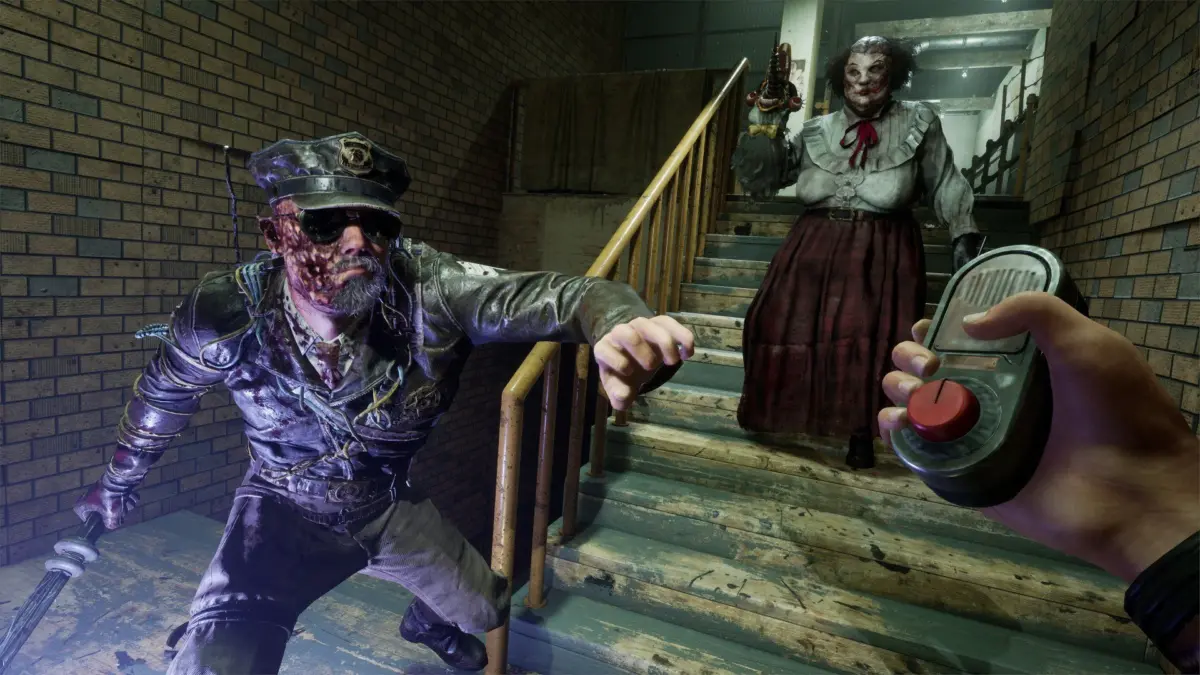
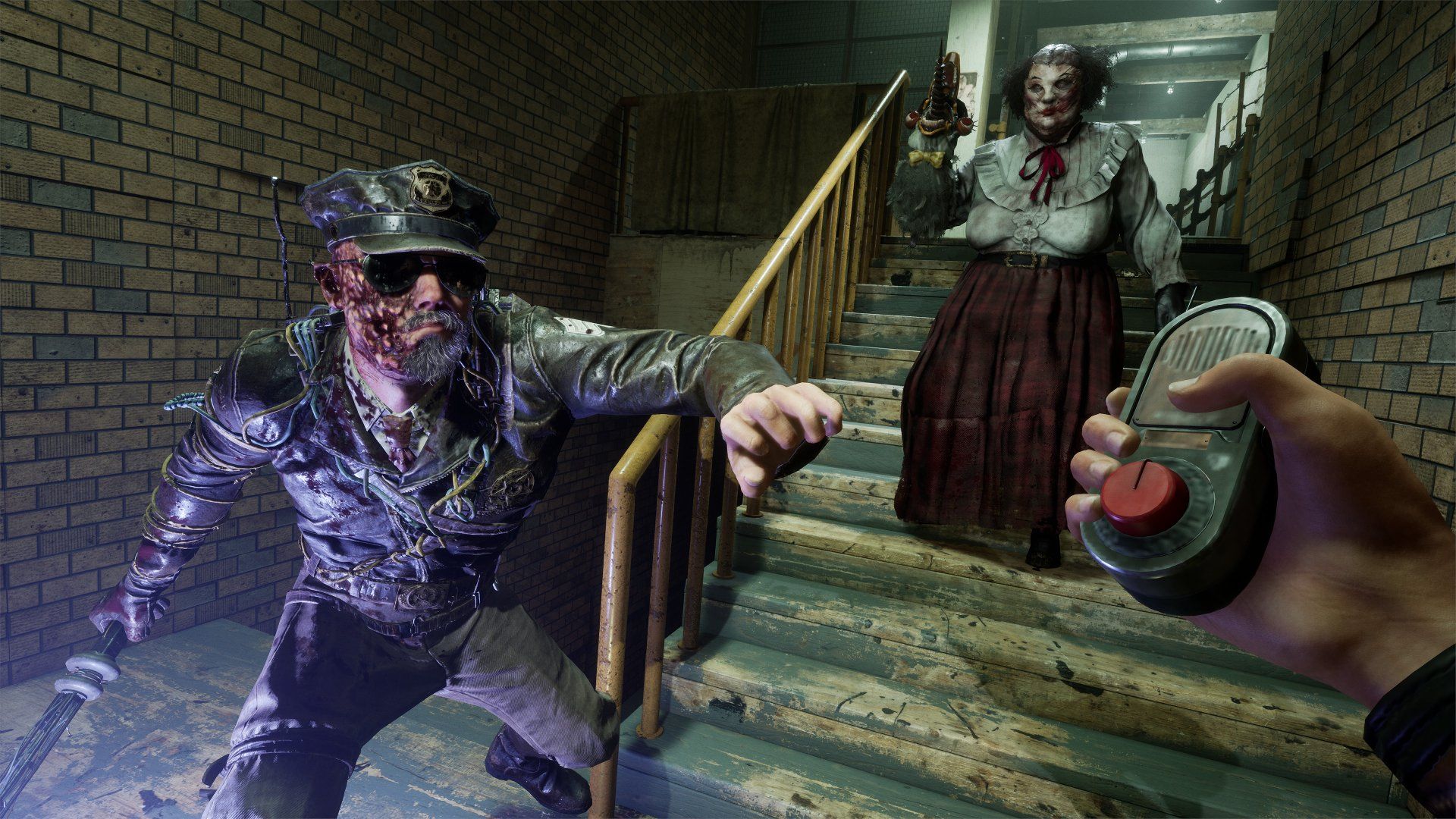
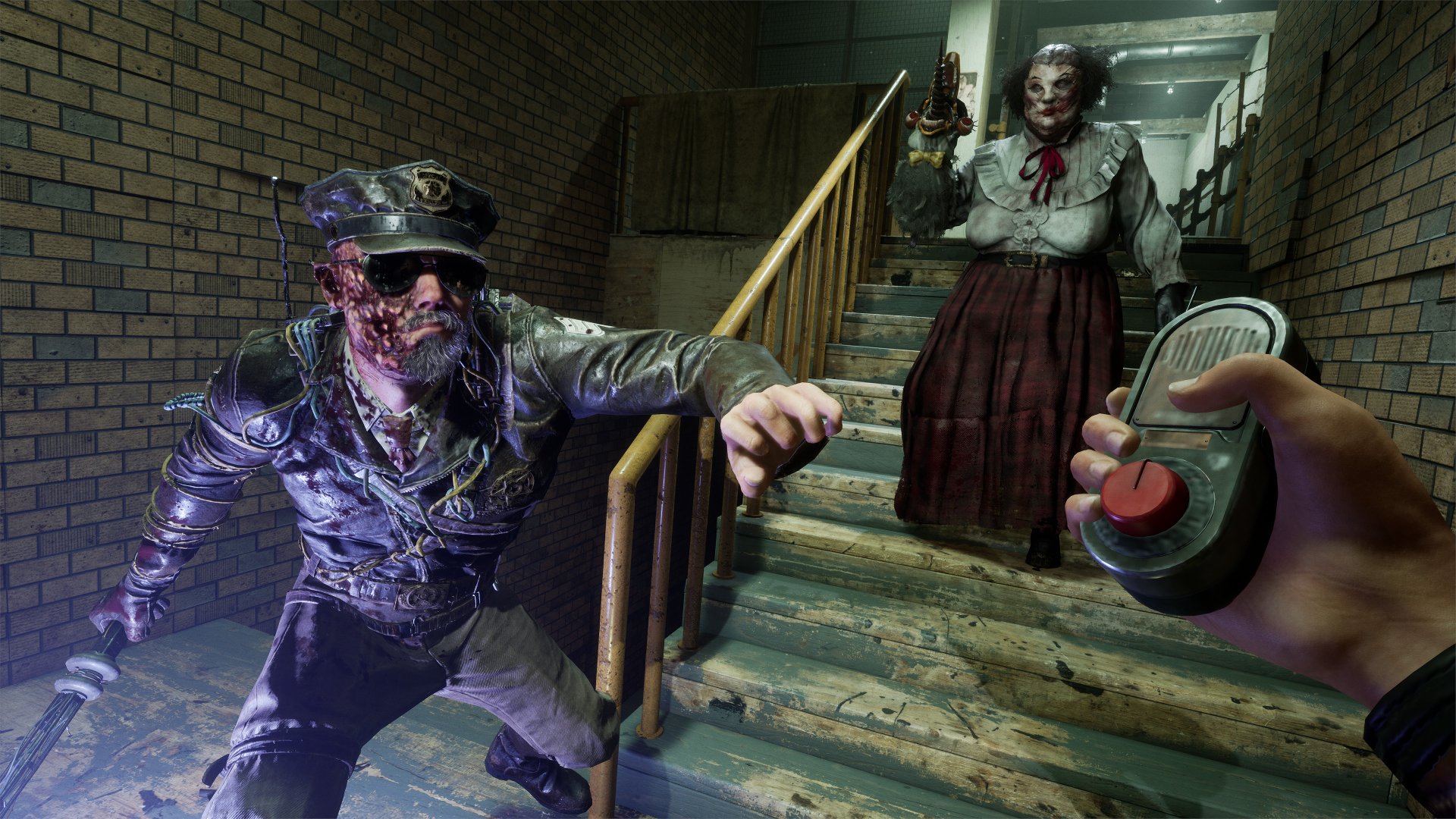
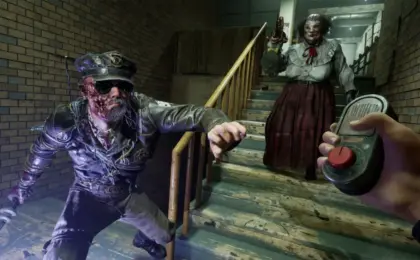
Moving from single-player narrative campaigns to cooperative, session-based survival horror with The Outlast Trials, Red Barrels faced the challenge of translating personal dread into a shared, repeatable experience. Set during the Cold War, the game forces subjects—either alone or with up to three other players—through brainwashing and torture experiments conducted by the Murkoff Corporation.
Despite the structural shift, the studio’s design philosophy remained unchanged: discomfort is an intentional design pillar. The ability to sustain this level of creative intensity across multiple titles without diluting the brand’s identity underscores a rare, albeit grueling, organizational resilience.
Supporting Context & Metrics: The Scale of Outlast’s Success
The commercial validation of Red Barrels’ uncompromising creative vision is staggering, particularly when considering the modest beginnings of the independent studio.
Metric Category
Data Point / Milestone
Context
Lifetime Players
60+ Million
Reached across the entire franchise (Outlast, Outlast: Whistleblower, Outlast 2, and The Outlast Trials) since 2013.
Launch Success
500,000+ Copies
Sold within the first week of The Outlast Trials entering early access on Steam.
Publisher Status
Independent / Self-Funded
Initial pitches for the first Outlast game were rejected by multiple publishers before finding digital-distribution traction.
Workforce Attrition
Low Volatility, High Specificity
While occasional departures occur due to content sensitivity (e.g., the 4-day resignation incident), core leadership has remained remarkably stable.
The financial trajectory of Red Barrels dismantles the traditional industry assumption that horror games must dilute their mature content to achieve blockbuster status. When Outlast first pitched to major publishers, many hesitated, fearing the content was too niche or too graphic to appeal to a broad market. Today, with over 60 million cumulative players, the franchise stands shoulder-to-shoulder with AAA horror heavyweights like Capcom’s Resident Evil and Konami’s Silent Hill.
Official Statements & Industry Perspectives
The internal culture at Red Barrels operates as a double-edged sword: it fosters uncompromised artistic integrity while demanding immense emotional resilience from its staff.
Philippe Morin has been remarkably transparent about the cultural filtering process required to maintain this environment. Speaking on how the studio manages recruitment in the shadow of such extreme material, Morin noted:
"When we do job interviews, we always make sure that people are fully aware of the kind of content we create and the kind of conversations needed to create that content… People have to be comfortable with that because obviously you hear stuff in the studio that [if] you said the same thing in a different studio, you’d end up in a meeting with HR."
This quote encapsulates the unique microculture of specialized horror development. Discussions regarding anatomical distortion, psychological torture methods, audio-design scream performances, and environmental storytelling often sound indistinguishable from the notes of a criminal psychologist or forensic pathologist. For individuals not conditioned to compartmentalize these professional discussions from real-world empathy, the workplace can quickly become overwhelming.
Industry analysts point to Red Barrels as a prime example of auteur-driven independence in the mid-tier development space. By retaining complete creative control—remaining beholden only to their player base rather than risk-averse corporate boards—the founders have preserved the unfiltered edge that defines their work. However, this autonomy places the full weight of ethical responsibility onto the leadership team, who must continuously balance artistic ambition against employee mental health and well-being.
Future Outlook: What Lies Ahead for Outlast 3 and Beyond?
As The Outlast Trials continues to evolve with post-launch content updates, community events, and platform expansions, the inevitable question facing Red Barrels is what comes next. Will the studio eventually pivot toward a traditional numbered sequel in the form of Outlast 3?
Given the historical trajectory and the staggering financial validation of their latest release, a return to single-player narrative terror or an expansion of the Outlast universe seems not only likely but practically guaranteed. More importantly, there is zero indication that Red Barrels intends to soften its blows.
The market has repeatedly signaled that players do not want a sanitized version of Outlast. They seek the adrenaline spike, the genuine terror, and the transgressive storytelling that only an uncompromising indie studio can provide. As long as Morin, Chateauneuf, and the broader Red Barrels team maintain their personal preference for the macabre, future projects will almost certainly continue to push boundaries, test the stomachs of playtesters, and challenge the ethical frontiers of interactive entertainment.
Ultimately, the story of Red Barrels is a testament to the power of artistic conviction. It reveals that crafting nightmares is not merely a technical exercise in lighting, sound design, and polygon counts, but a deeply psychological endeavor that leaves an indelible mark on everyone who enters the studio doors.






Belum ada komentar. Jadilah yang pertama berkomentar!