


Executive Overview
The video game industry has long operated under a veneer of glamour, masking a turbulent underbelly of crunch culture, sudden layoffs, and precarious labor conditions. Yet, few recent labor disputes have captured the global spotlight quite like the high-stakes confrontation between gaming juggernaut Rockstar Games and more than 30 of its former UK-based developers. Fired abruptly in late 2023, these workers—all members of the Independent Workers Union of Great Britain (IWGB)—have spearheaded what many labor rights advocates consider one of the most significant legal challenges against corporate union-busting in the history of the interactive entertainment sector.
The controversy centers on the sudden termination of these employees during the final production stages of the highly anticipated Grand Theft Auto VI (GTA 6). While Rockstar maintains that the staff were let go for gross misconduct involving the alleged distribution of confidential material, the IWGB and the affected developers argue a very different narrative: that the mass firings were a calculated retaliation against union organizing, complete with the illegal blacklisting of trade union members.
With a definitive employment tribunal trial fast approaching, the stakes could not be higher. Not only does this case threaten to expose the internal employment practices of one of the world’s most secretive and lucrative game development studios, but it also establishes a critical legal precedent for labor organizing within the trillion-dollar video game industry. Remarkably, despite the deep animosity between the fired workers and upper management, the union has taken a surprisingly pragmatic stance regarding consumer support: rather than urging fans to boycott GTA 6, the IWGB is asking players to enjoy the game they helped build while actively supporting the legal fund fighting for their justice.
Detailed Chronology: From Mass Terminations to the Courtroom
To understand the gravity of the upcoming September tribunal, one must trace the timeline of events that transformed a routine workplace dispute into an international labor rights cause célèbre.
October 2023: The Sudden Purge
The crisis began in the autumn of 2023 when more than 30 developers working across Rockstar’s UK facilities were abruptly summoned into sudden meetings. According to testimonies gathered by the IWGB, these employees were terminated with virtually no warning, denied legal or union representation, and left without an opportunity to present a defense or examine evidence against them.
Within minutes, these veterans of the industry lost not only their livelihoods and ongoing stakes in the development of GTA 6, but they also found themselves saddled with "gross misconduct" markers stamped on their professional records—a move guaranteed to severely damage their future employment prospects in the tight-knit gaming sector.
Early 2024: Escalation and Union Intervention
Recognizing the systematic nature of the dismissals, the IWGB stepped in, publicly labeling the mass firings as "one of the most blatant and ruthless acts of union busting in the history of the games industry." The union immediately mobilized, staging protests outside Rockstar’s London offices and drawing the attention of national labor organizations.
Rockstar’s initial explanations failed to satisfy either the dismissed workers or external observers. As pressure mounted, the studio shifted its defense, asserting that the developers were let go because they allegedly revealed specific game features and narrative details from unannounced titles in a public forum. The IWGB swiftly countered this claim, accusing Rockstar of deliberately mischaracterizing private discussions among workers regarding their deteriorating working conditions as malicious leaks.
June 2024: A Major Legal Breakthrough
The legal battle shifted decisively in June when a UK employment tribunal delivered a major setback to Rockstar Games. The court officially granted the IWGB permission to bring every single one of its union-busting allegations forward to a full trial.
Crucially, the tribunal allowed the union to pursue claims that Rockstar had allegedly compiled and utilized a blacklist of unionized employees. Under British labor law—specifically provisions within the Employment Relations Act—compiling "details of persons who are or have been members of trade unions" for the purpose of treating individuals less favorably based on their union activities is strictly illegal. The court’s decision to let these allegations proceed signaled that the union’s evidence warranted serious judicial scrutiny.
Supporting Context & Metrics: The Labor Landscape of Modern Game Development
The legal confrontation at Rockstar does not occur in a vacuum; it is part of a broader, systemic awakening among video game workers worldwide. For decades, the games industry relied on a culture of passion, where developers willingly endured long hours, low relative pay, and unstable contract work under the assumption that creating art for millions of fans justified the personal toll.
However, the post-pandemic era has catalyzed unprecedented labor mobilization:
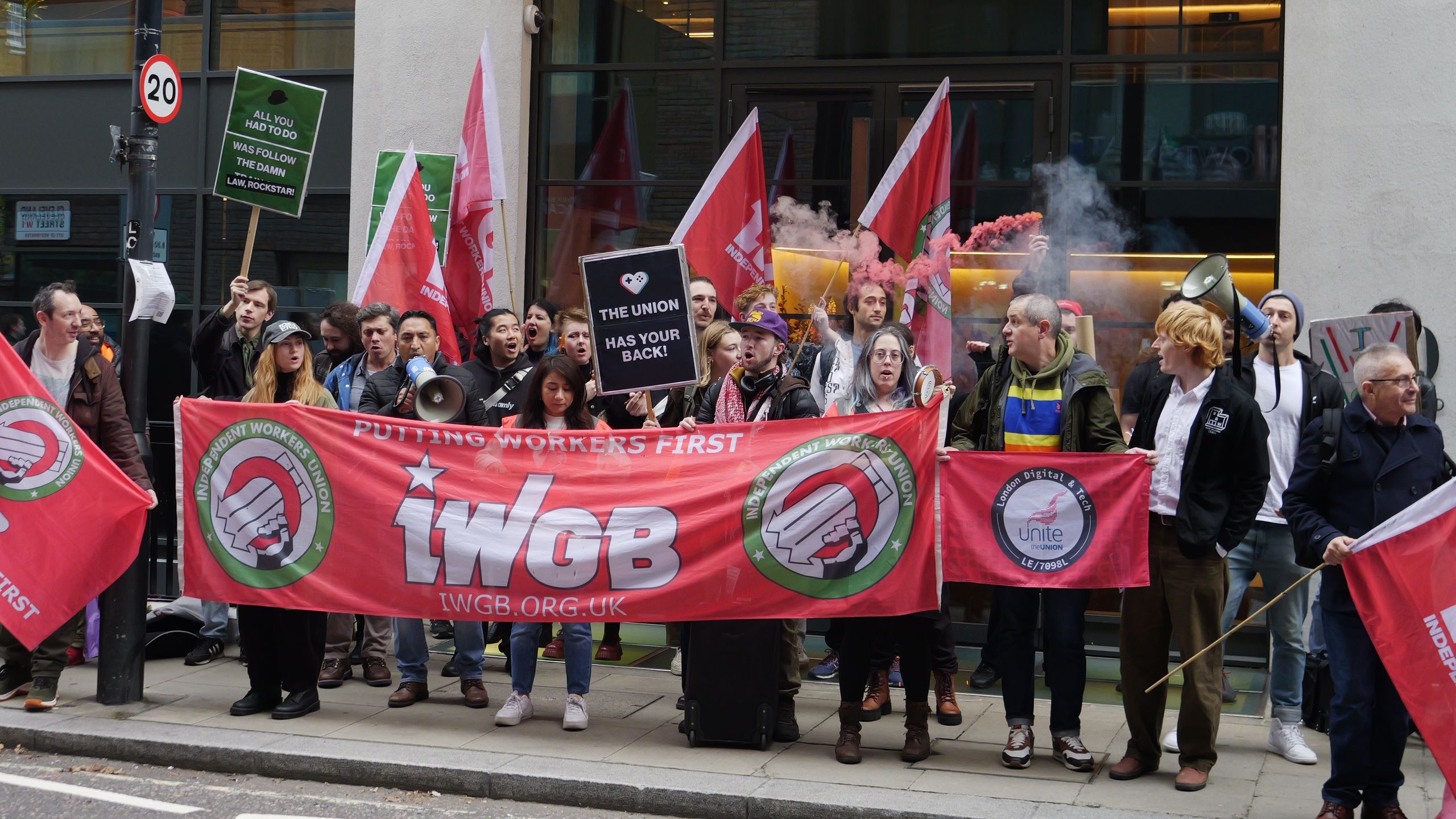
- The Rise of Game Worker Unions: Organizations like the IWGB in the UK, Code-CWA in the United States, and various European labor collectives have successfully organized thousands of QA testers, software engineers, and artists.
- The Scale of GTA 6: As one of the most expensive and commercially anticipated entertainment products in human history, GTA 6 represents billions of dollars in potential revenue. The participation of dozens of unionized developers in its foundational stages highlights the paradox of modern AAA development: projects powered by collective labor are often governed by top-down corporate hierarchies that fiercely resist worker representation.
- Political Fallout: The controversy reached the highest levels of British politics. Prominent politicians, including former UK Prime Minister Keir Starmer, scrutinized the mass firings. Starmer notably remarked that after meeting with studio representatives, he "did not leave informed on exactly what these 31 people had done to warrant their immediate dismissal," underscoring the opaque and controversial nature of corporate disciplinary actions in the tech sector.
Official Statements and Divergent Narratives
At the heart of the dispute lie two radically opposing interpretations of workplace communication, corporate policy, and worker rights.
Rockstar Games’ Position
Rockstar and its parent company, Take-Two Interactive, have maintained a guarded posture throughout the ordeal. Corporate representatives have consistently framed the dismissals as a necessary enforcement of intellectual property protection and confidentiality agreements. According to official statements issued by the studio, the terminated employees crossed a legal and ethical boundary by distributing and discussing sensitive, unannounced game features in unauthorized public forums. In Rockstar’s view, the actions constituted a severe breach of trust that jeopardized years of development secrecy surrounding their crown-jewel franchise.
The IWGB and the Fired Developers’ Position
Conversely, the IWGB and the affected developers argue that Rockstar’s security rationale is merely a convenient smoke screen designed to mask targeted union-busting. In statements released via campaign videos and legal filings, the workers emphasize that they were simply discussing their working conditions, wages, and workplace grievances in private or semi-private spaces—a protected activity under UK labor legislation.
Furthermore, the union has highlighted the human cost of the corporation’s actions. In a widely shared digital campaign, the developers directly addressed the gaming community:
"Without warning, we were called into meetings and fired without representation, evidence, or a chance to respond. In minutes, we lost our jobs, our income, our work on GTA, and had ‘gross misconduct’ stamped on our records."
Rather than calling for a counter-productive consumer boycott of GTA 6, the developers adopted a nuanced and fan-friendly stance:
"We’re going to make it easy for you. Don’t boycott GTA 6, win justice for the people who helped make it. We spent years pouring our hard work, skill, and creativity into making GTA. And we want people to experience the universe that we helped build. But that doesn’t mean we want you to let Rockstar off the hook."
Instead of withholding game sales, the union encourages supporters to purchase specialized merchandise—such as IWGB solidarity t-shirts—with all proceeds directly funding the legal expenses required to hold Rockstar accountable in court.
Future Outlook: The September Tribunal and Industry Implications
As the legal teams prepare for the full trial scheduled for September, the ramifications of this case extend far beyond the offices of Rockstar Games or the development cycle of GTA 6.
If the IWGB successfully proves that Rockstar engaged in illegal blacklisting and wrongful termination rooted in anti-union animus, the verdict could trigger massive financial liabilities and set a landmark legal precedent across the United Kingdom and Europe. It would send an unequivocal message to AAA publishers that union-busting tactics carry severe judicial consequences, making it legally hazardous to dismiss organized workers under the guise of general misconduct or confidentiality breaches.
Conversely, a victory for Rockstar could embolden corporate entities within the tech and entertainment sectors to adopt more aggressive postures against emerging labor movements, potentially chilling unionization efforts across major game studios globally.
Ultimately, the dispute serves as a watershed moment for the interactive entertainment industry. It highlights an irreconcilable tension within modern game development: the corporate imperative for absolute secrecy and top-down control versus the fundamental human right of workers to organize, advocate for their safety and compensation, and demand dignity in the workplace. Whatever the outcome of the September tribunal, the developers who poured their creativity into GTA 6 have already forever changed the conversation surrounding labor rights in digital entertainment.





Belum ada komentar. Jadilah yang pertama berkomentar!