

Executive Overview
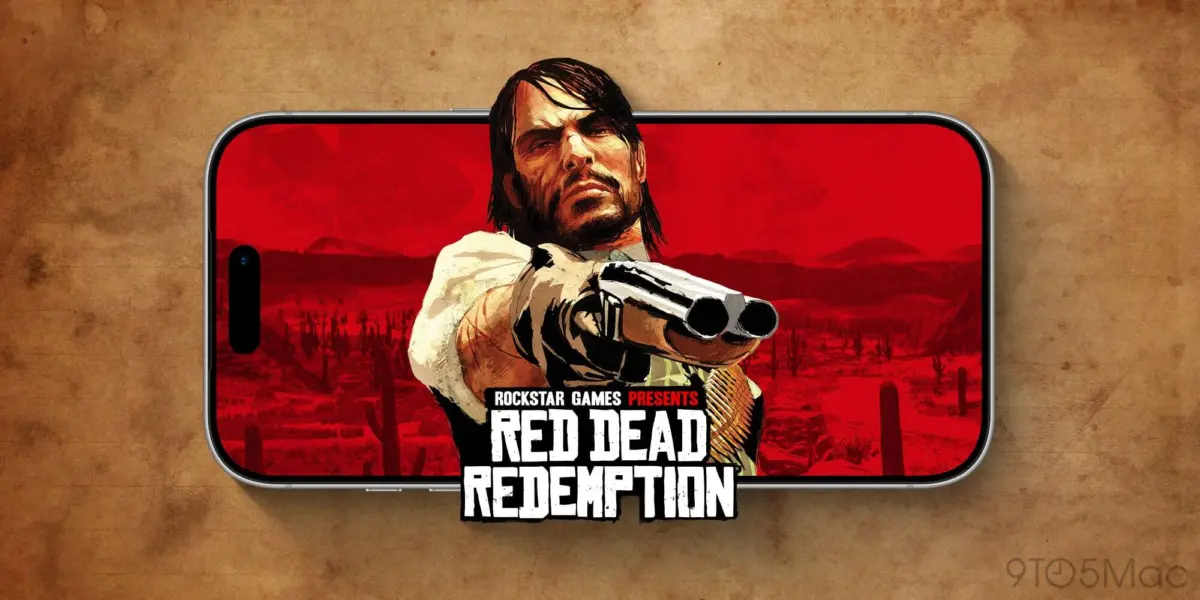
The landscape of mobile gaming is undergoing a seismic shift, transitioning rapidly from casual, microtransaction-heavy bite-sized entertainment into a robust ecosystem capable of delivering full-scale, AAA console and PC experiences. Apple’s ongoing push to turn the iPhone, iPad, and Mac lineups into viable, high-performance gaming machines takes another monumental leap forward. Rockstar Games has officially announced that its critically acclaimed, genre-defining masterpiece, Red Dead Redemption, alongside its beloved zombie-horror companion expansion, Undead Nightmare, is making its way to iOS and Android devices.
Slated for release on December 2, this upcoming mobile port represents much more than a simple nostalgia trip for veteran gunslingers. It underscores a growing industry consensus that modern mobile silicon—powered by Apple’s high-end A-series and M-series chips—has more than enough thermal and computational headroom to handle massive, open-world environments that once required dedicated hardware like the PlayStation 3 and Xbox 360.
Compounding the excitement is an unexpected distribution partnership: the titles will be available completely inclusive to active Netflix subscribers at no extra cost, while simultaneously launching as a standalone purchase on the Apple App Store for non-subscribers. As Rockstar brings its iconic Western epic to modern platforms—including the PlayStation 5, Xbox Series X|S, and next-generation hardware—the mobile iteration stands out as a watershed moment for Apple’s ecosystem, further blurring the lines between pocket devices and home consoles.
Detailed Chronology: The Long Trail to Mobile
To truly appreciate the significance of Red Dead Redemption arriving on iOS, it is vital to trace the path the franchise has taken since its inception, as well as the evolution of Rockstar’s relationship with mobile hardware.
2010: The Birth of a Modern Legend
When Rockstar San Diego originally released Red Dead Redemption in May 2010 for the PlayStation 3 and Xbox 360, it was an instant critical and commercial phenomenon. Players were introduced to John Marston, a former outlaw coerced by federal agents to hunt down the remaining members of his old gang. Set against the breathtaking, fading backdrop of the American frontier in 1911, the game combined cinematic storytelling, memorable characters, and a living, breathing open world that set a new gold standard for the medium. Later that same year, Rockstar released Undead Nightmare, a standalone fictional campaign that injected a supernatural, zombie-apocalypse survival horror twist into the grim realism of the Wild West, winning over fans and critics alike.
The Missing Years and Long-Awaited Ports
Despite the massive success of both the original game and its colossal prequel, Red Dead Redemption 2 (2018), the first game remained famously trapped on seventh-generation hardware for over a decade. Fans spent years pleading for a modern remaster or PC port. That silence was finally broken in August 2023, when Rockstar brought the game to the Nintendo Switch and PlayStation 4 (with backward compatibility making it playable on the PlayStation 5). However, mobile gamers—and users of Apple devices specifically—remained left out of the loop.
The Mobile Pivot and the Netflix Factor
Rockstar is no stranger to the mobile market. Over the years, the studio successfully ported several classics from its library to iOS and Android, including Grand Theft Auto III, Vice City, San Andreas, and Bully. More recently, the Grand Theft Auto: The Trilogy – The Definitive Edition launched via Netflix Games, showcasing a new distribution model where premium, high-budget titles could be accessed by streaming subscribers without additional microtransactions.
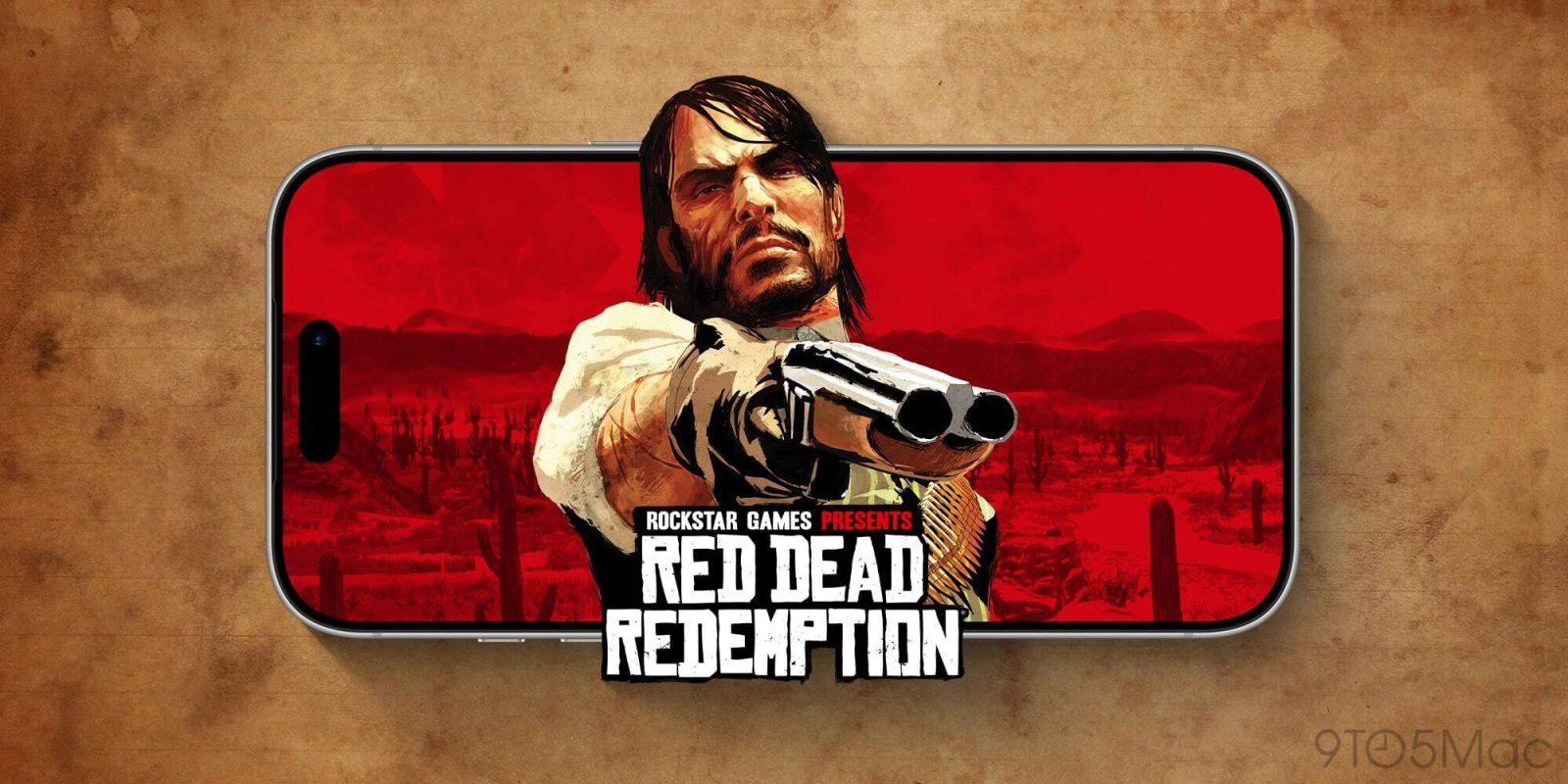
The December 2 release represents the culmination of this strategy. By bundling Red Dead Redemption and Undead Nightmare together for iOS, Android, current-gen consoles, and future hardware platforms, Rockstar is casting the widest possible net, ensuring that John Marston’s poignant journey is accessible to an entirely new generation of gamers who may have grown up swiping on glass rather than holding a traditional controller.
Supporting Context & Metrics: Technical Feats and Ecosystem Impact
Bringing a massive, open-world sandbox game originally designed for PowerPC and Cell architectures down to a handheld device running on ARM architecture is no small technical feat. While Rockstar has yet to release full system specifications or compatibility lists for the iOS version, industry analysts and developers have a clear understanding of what will be required under the hood.
Hardware Requirements and Performance Expectations
Given that recent AAA iOS ports—such as Death Stranding, Resident Evil 4, and Assassin’s Creed Mirage—primarily target devices equipped with Apple’s Pro-tier processors, it is anticipated that Red Dead Redemption will require relatively modern hardware. Devices sporting the A17 Pro chip (found in the iPhone 15 Pro and iPhone 15 Pro Max) or the various iterations of the M-series Apple Silicon in iPads and Macs will likely deliver the most stable framerates and highest graphical fidelity.
However, because the original game was built for older console generations, optimization could allow the title to scale down gracefully to standard A-series chips found in non-Pro iPhones, though users should expect varying resolutions and graphical presets.
The Control Conundrum: Touch vs. Bluetooth
One of the most critical aspects of any console-to-mobile port is control mapping. Playing a third-person action game featuring horseback riding, dead-eye shootouts, and intricate combat mechanics requires precision. Rockstar’s official announcement notes that the iOS version will feature "mobile-friendly control options."

While customizable on-screen touch controls are a given, the real success of the port will hinge on seamless Bluetooth controller support. Modern mobile gamers increasingly rely on peripherals like the Backbone One, Razer Kishi, or standard wireless PlayStation and Xbox controllers. Ensuring robust, low-latency compatibility with these accessories will determine whether the experience feels like an authentic console port or a compromised mobile adaptation.
The Apple Games Initiative
This release arrives at a fascinating time for Apple’s software ecosystem. With upcoming software updates like iOS 26.2 introducing revamped features to the native Apple Games app—such as improved library management, social integration, and performance metrics—Apple is quietly building a more cohesive environment for core gamers. Adding a heavyweight title like Red Dead Redemption to the App Store lineup serves as a powerful marketing anchor for Apple’s ongoing campaign to position the iPhone as a legitimate gaming platform capable of competing with dedicated handhelds like the Nintendo Switch and Steam Deck.
Official Statements & Distribution Breakdown
The announcement, directly sourced from Rockstar Games’ official Newswire, outlines what players can expect when the download button goes live on December 2:
"On December 2, the epic Western adventures Red Dead Redemption and Undead Nightmare will be available for the latest mobile devices and on current generation consoles — with free upgrades, the ability to carry over game progress, and a number of enhancements.
Step into the events immediately following the blockbuster Red Dead Redemption 2, in the critically acclaimed tale of John Marston’s journey to bury his blood-stained past. In its zombie-horror companion Undead Nightmare, fight to find a cure for the zombie plague that has overrun the frontier. All these new versions feature the complete single-player experiences of both games, and also include bonus content from the Game of the Year Edition."
The Netflix Gaming Partnership
Perhaps the most disruptive element of this launch is the pricing and distribution strategy. Through its ongoing collaboration with Netflix, subscribers to the streaming service will be able to download and play Red Dead Redemption on iOS at no additional charge. This model effectively lowers the barrier to entry for millions of potential players who might otherwise hesitate to pay full price for a mobile port of a 14-year-old game.

For consumers who do not subscribe to Netflix, the game will also be available for standalone purchase directly through the Apple App Store. While Rockstar and Apple have not yet disclosed the exact pricing structure for non-subscribers, historical precedent for similar high-profile mobile ports suggests it will likely match or come close to its digital console/PC pricing tier, or settle comfortably in the premium mobile range ($20–$40).
Future Outlook: What This Means for the Future of Mobile Gaming
The arrival of Red Dead Redemption on iOS is not merely an isolated product launch; it is a bellwether for the future of interactive entertainment. For years, the mobile gaming sector was dismissed by hardcore enthusiasts due to its heavy reliance on predatory monetization, gacha mechanics, and superficial gameplay loops.
However, as mobile processors achieve parity with traditional desktop and console architectures, publishers are beginning to rethink how they distribute legacy libraries. The success of ports like Red Dead Redemption on iOS will likely dictate whether other major publishers—such as Electronic Arts, Ubisoft, and Take-Two Interactive—accelerate their own mobile porting strategies. If players embrace high-end, premium, offline gaming experiences on their iPhones, the financial incentives for developers will become undeniable.
Furthermore, as cloud gaming, cross-save progression, and universal controller accessories become standardized, the traditional boundaries separating console, PC, and mobile gaming continue to dissolve. By allowing players to carry over progress and experience complete, uncompromised single-player epics in the palm of their hands, Rockstar is proving that the frontier of gaming is no longer bound to a television screen or a bulky desktop tower.
As December 2 approaches, the gaming community will be watching closely. Whether you are a veteran of the frontier looking to relive John Marston’s tragic, unforgettable campaign or a newcomer experiencing the dust-choked plains of New Austin for the very first time on an iPhone screen, one thing is certain: the Wild West is coming to your pocket, and mobile gaming will never be quite the same.





Belum ada komentar. Jadilah yang pertama berkomentar!