

Executive Overview
Tucked away in the serene landscapes of Yamagata Prefecture, Sakata City remains one of Japan’s best-kept secrets for cultural purists. Far removed from the heavily touristed thoroughfares of Kyoto and Tokyo, this coastal regional hub offers an intimate, unhurried portal into Japan’s classical performing arts. For the discerning traveler seeking authenticity, Sakata provides a rare double-feature of living history: exquisite, accessible geisha performances inside a meticulously preserved century-old venue, and a hands-on immersion into the theatrical world of kumadori—the striking, muscle-accentuating face-painting tradition of Kabuki theater.

This comprehensive report explores the historical architecture of Soma-ro, decodes the rigorous artistic heritage of regional geisha and maiko, and details the immersive, hands-on Kabuki makeup experience available in neighboring Tsuruoka City. By bridging centuries-old traditions with modern cultural tourism, Sakata and its surrounding prefectural treasures present a compelling blueprint for sustainable, immersive regional heritage travel in contemporary Japan.
Detailed Chronology & Historical Evolution
To truly appreciate the cultural weight of Sakata City’s living traditions, one must trace their roots across centuries of socioeconomic evolution, artistic refinement, and architectural preservation.
The Edo Period Roots: The Rise of Sakata as a Maritime Hub
During the Edo Period (1603–1867), Sakata flourished as a critical port of call for the kitamaebune—the historic trading vessels that navigated the Sea of Japan to carry goods like rice from the rich Shonai Plain down to Osaka and Edo (modern-day Tokyo). This maritime wealth created a prosperous merchant class, fueling a demand for high-end entertainment, elite dining establishments, and refined traditional arts. High-end traditional restaurants, known as ryotei, sprang up to host wealthy traders, politicians, and intellectuals, laying the infrastructural bedrock for Sakata’s vibrant geisha culture.
Concurrently, the broader Japanese performing arts landscape was undergoing its own dramatic revolution. In the early 1600s, the shrine maiden Izumo no Okuni pioneered a novel style of theatrical dance along the dry riverbeds of Kyoto, birthing what would evolve into Kabuki. Over the ensuing decades, this populist entertainment transformed into a highly stylized classical theater. To ensure that actors’ emotional intensity reached even the furthest corners of expansive wooden playhouses, performers developed kumadori—a bold makeup technique utilizing stark lines of red, blue, and black to map and exaggerate facial musculature.
The 20th Century: Decline, Preservation, and the Birth of Soma-ro
As modern industrialization reshaped Japan through the 20th century, many regional traditional entertainment districts faced severe economic headwinds. In Sakata, "Somaya," one of the city’s most illustrious Edo-period ryotei, weathered decades of changing social tides before finally closing its doors in 1994.
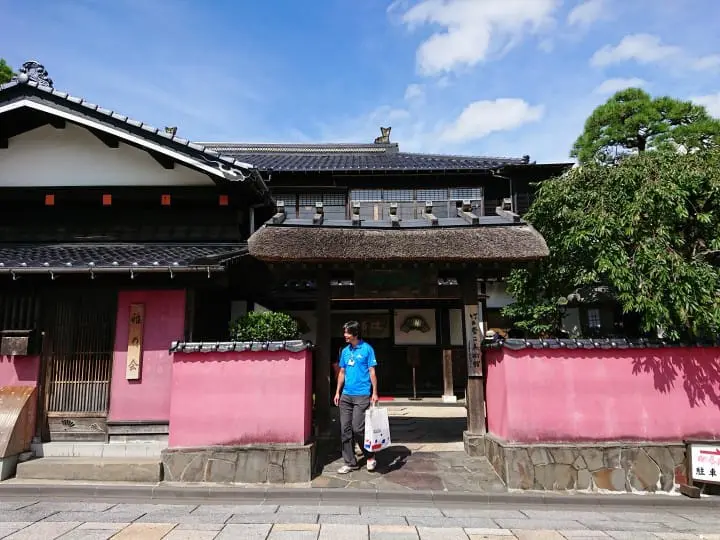
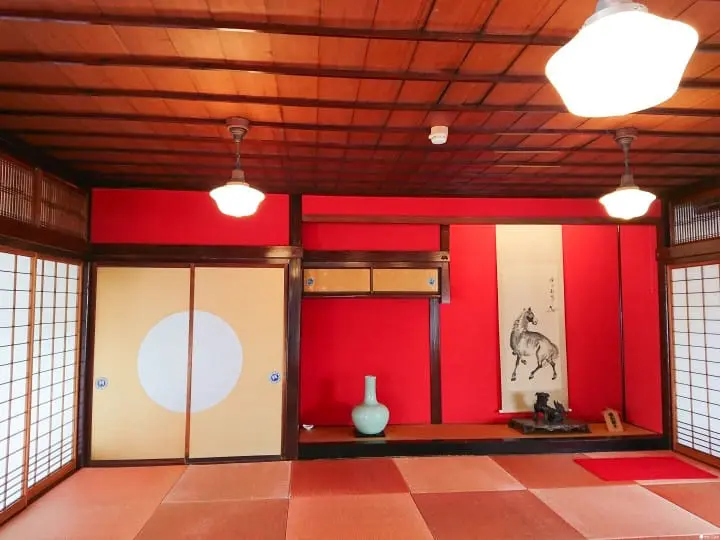
Rather than succumbing to demolition—a fate common to many historic wooden structures during Japan’s late-20th-century real estate booms—the property was championed by preservationists who recognized its irreplaceable historical value. Following an extensive, meticulous restoration that prioritized the retention of original architectural integrity, the venue reopened in 2000 under the name Soma-ro.
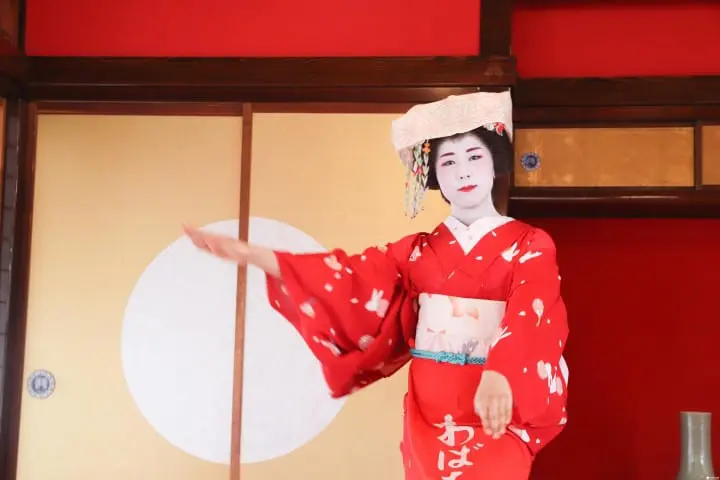
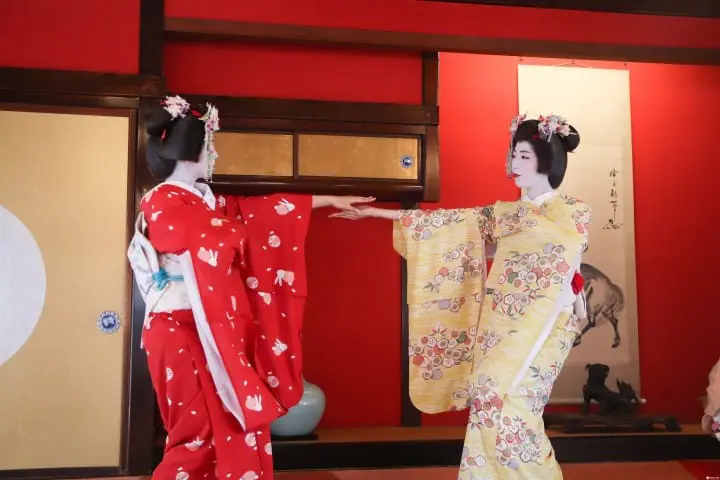
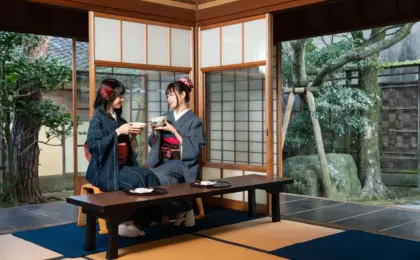
Today, Soma-ro operates not merely as a commercial establishment, but as a living museum. It pairs historical architecture with classical art installations, traditional fine-art doll displays, and daily live performances by Sakata’s resident geisha, allowing contemporary visitors to step directly into the atmosphere of late-feudal Japan.
Supporting Context, Metrics, and Cultural Mechanics
Decoding the Geisha: Artistry, Terminology, and Regional Nuance
For international travelers, the role of the geisha is frequently subject to cinematic romanticization and cultural misunderstanding. In Japanese, the word geisha literally translates to "person of the arts." These women are not mere hostesses; they are elite, highly disciplined professional artists who dedicate years—often starting in their late teens—to mastering classical Japanese dance (Nihon buyo), traditional musical instruments (such as the shamisen and flute), and the subtle, high-stakes art of sophisticated conversation.
In Sakata, the local ecosystem presents unique divergences from more globally famous centers like Kyoto:
- Age of Apprenticeship: While Kyoto’s maiko (apprentice geisha) frequently begin their training in their early teens (around 15 to 16 years of age), Sakata’s maiko generally enter the profession between the ages of 18 and 25 before graduating to full geisha status. This offers young women local educational and career pathways grounded in traditional arts preservation.
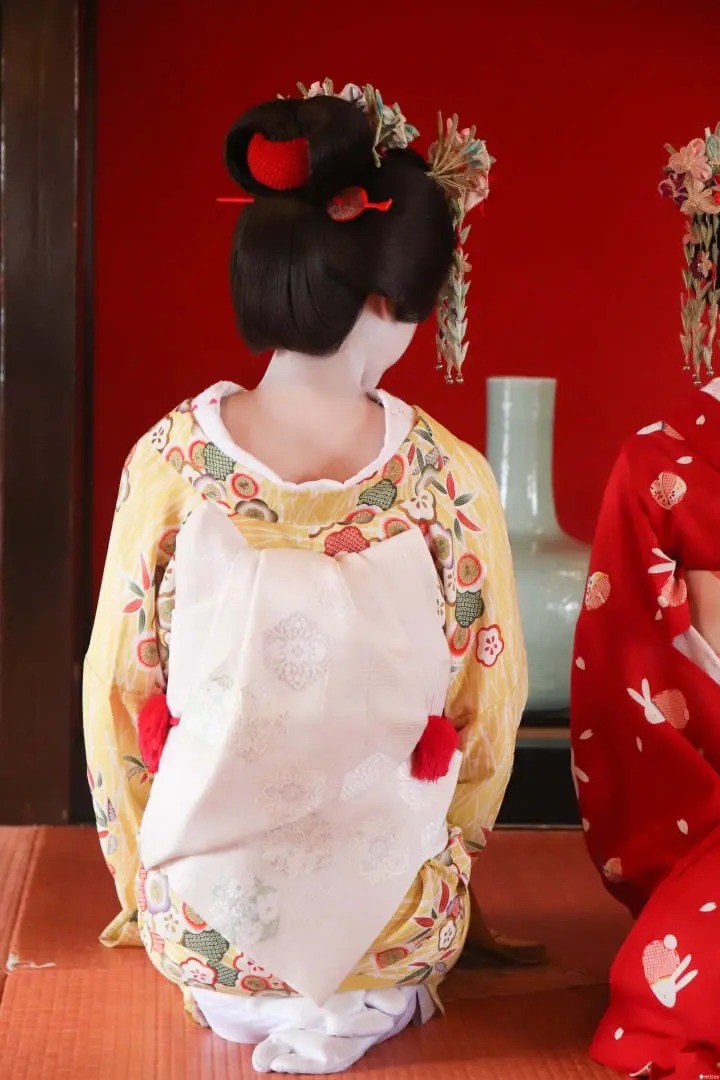
- Aesthetic Details: Visitors observing geisha and maiko in their elaborate silk kimonos will note a striking stylistic signature: the carefully painted white makeup on the nape of the neck. In traditional Japanese aesthetics, the exposed back of the neck (eri-ashi) is regarded as one of a woman’s most alluring and elegant features. The white foundation is applied in a distinctive "W" or "V" shape at the hairline to frame this area, drawing the eye with deliberate artistic precision.
Economic Accessibility at Soma-ro
Unlike the famously exclusive, invitation-only (ichigen-san okotowari) teahouse culture of historical Kyoto districts, Sakata’s Soma-ro prides itself on welcoming accessibility for both domestic and international travelers:
- Standard Admission & Performance: General admission to the historic venue and its live geisha dance performance is priced at a highly accessible 1,000 yen.
- Tea and Confectionery Add-on: For an additional 1,000 yen, guests can enjoy traditional hand-whisked matcha green tea paired with seasonal artisanal sweets.
- Maiko Bento Experience: For a fully immersive culinary and visual experience, visitors can reserve a special Maiko Bento lunch box in advance for 3,500 yen, dining in the presence of the artists.
Venue Specifications: Soma-ro
- Location: 1-2-20 Hiyoshi-cho, Sakata-shi, Yamagata 998-0037
- Geographical Coordinates: 38.9193508° N, 139.8332403° E
- Place ID / Regional Registry: 3024
The Kabuki Kumadori Experience: Step-by-Step Immersion
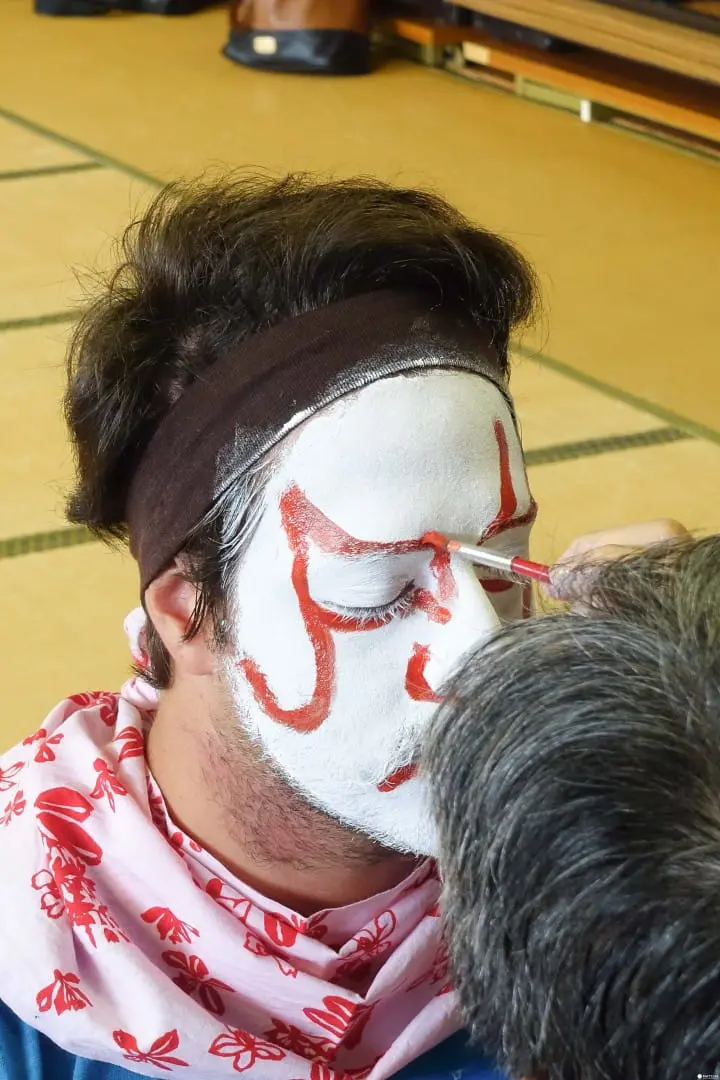
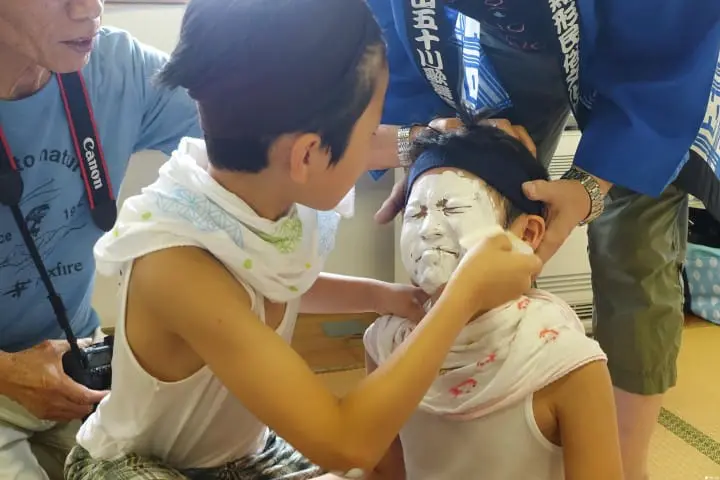
Beyond the refined elegance of Soma-ro, Yamagata Prefecture offers travelers an exceptionally rare opportunity to step out of the audience and onto the metaphorical stage through the Yamagawachi Kabuki Kumadori Makeup Experience in neighboring Tsuruoka City.
Understanding the Palette of Emotions
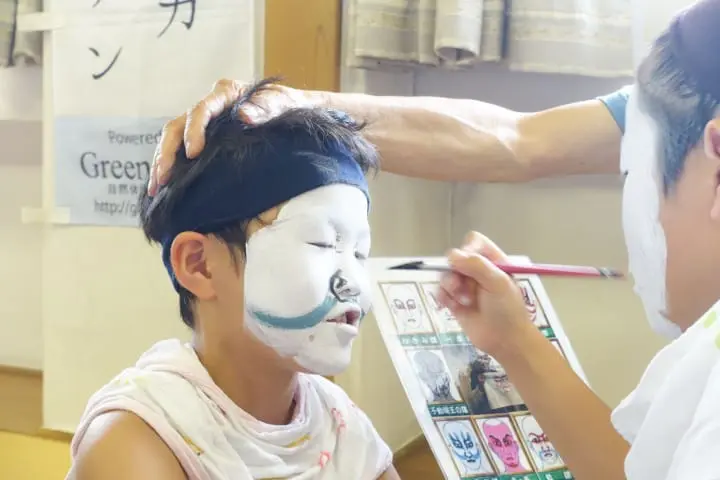
Traditional kumadori makeup relies on a deliberate, highly codified color theory designed to communicate character archetypes instantly to the theater audience:
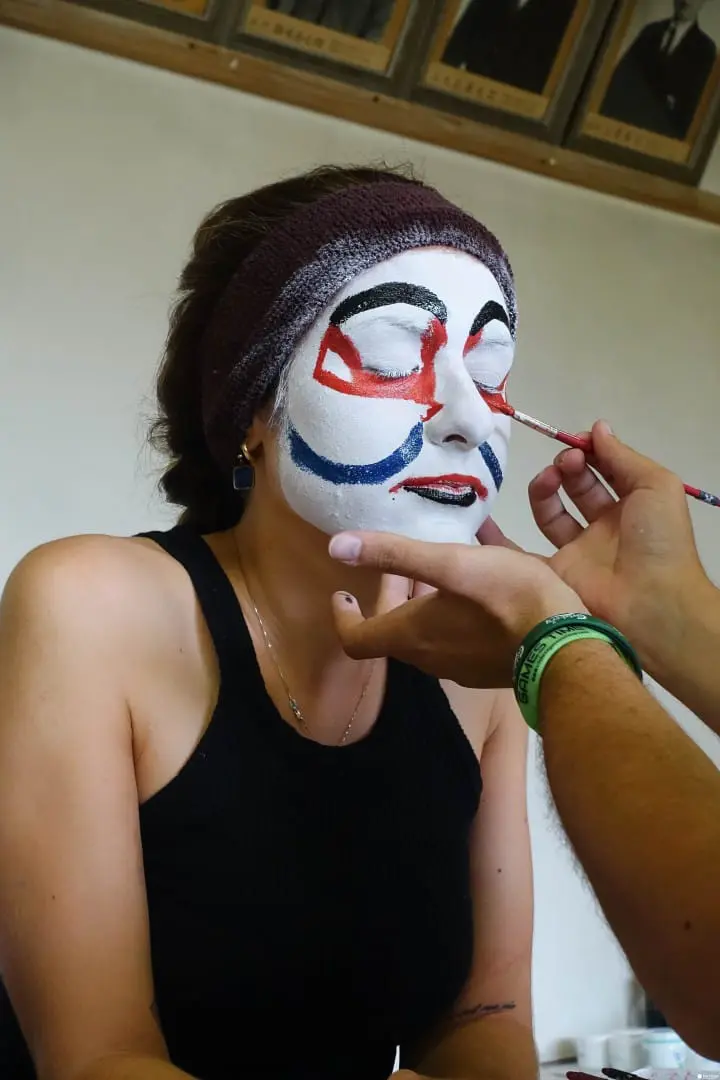
- Red (Shinku): Symbolizes righteousness, immense physical strength, courage, and vitality. It is worn by heroic protagonists who defend justice.
- Blue (Ai): Denotes villainy, malice, cold-hearted cunning, or supernatural evil spirits.
- Brown (Cha): Reserved strictly for non-human entities, such as vengeful demons, goblins, and supernatural monsters (kaiju or oni).
The Immersive Workshop Process
Conducted under the guidance of expert instructors, the approximately one-hour workshop follows a rigorous, step-by-step methodology:
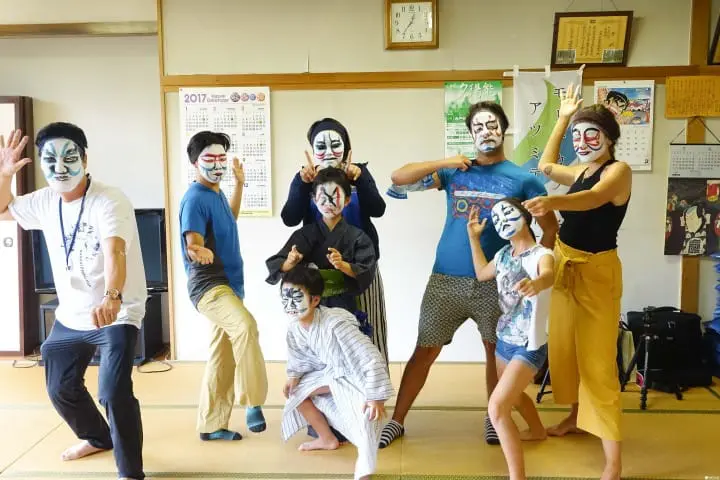
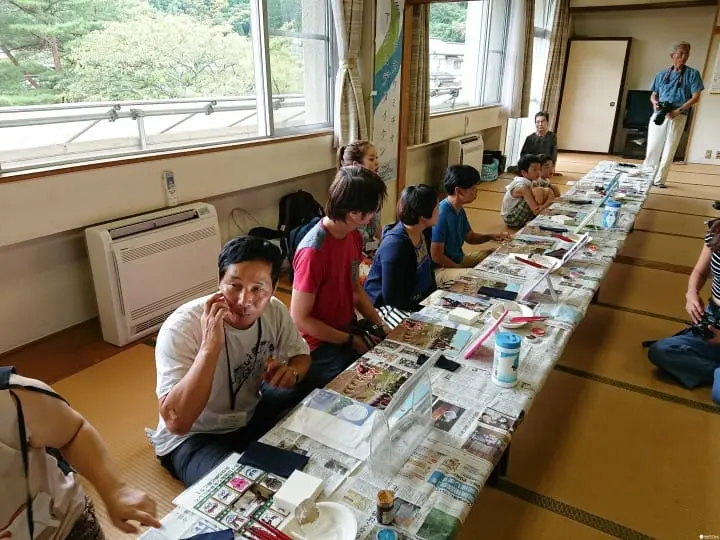
- Instructional Briefing: Participants gather in a shared studio space to receive a thorough historical lecture on the origins of Kabuki (dating back to the 1600s) and the psychological function of kumadori lines.
- Live Demonstration: An instructor invites a volunteer to the front of the room, demonstrating the precise application techniques required to accentuate facial bone structure and muscle movement.
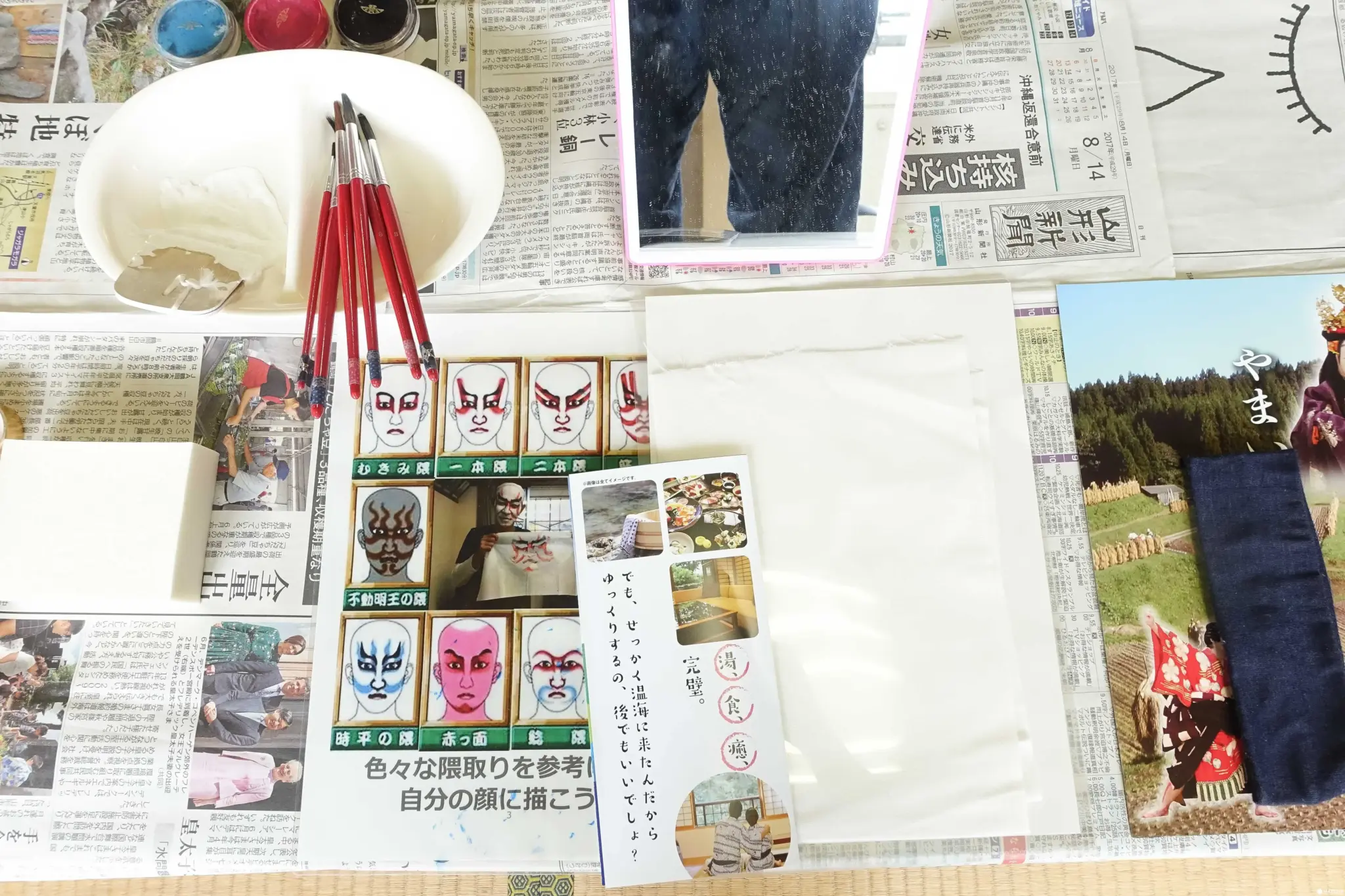
- White Base Application: Participants apply a smooth, opaque white cream base across their faces. Travelers visiting in pairs or groups frequently assist one another to ensure an even, flawless foundation.
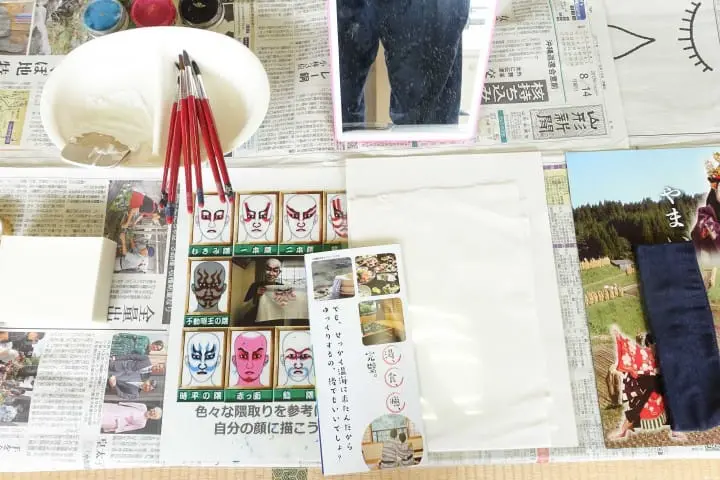
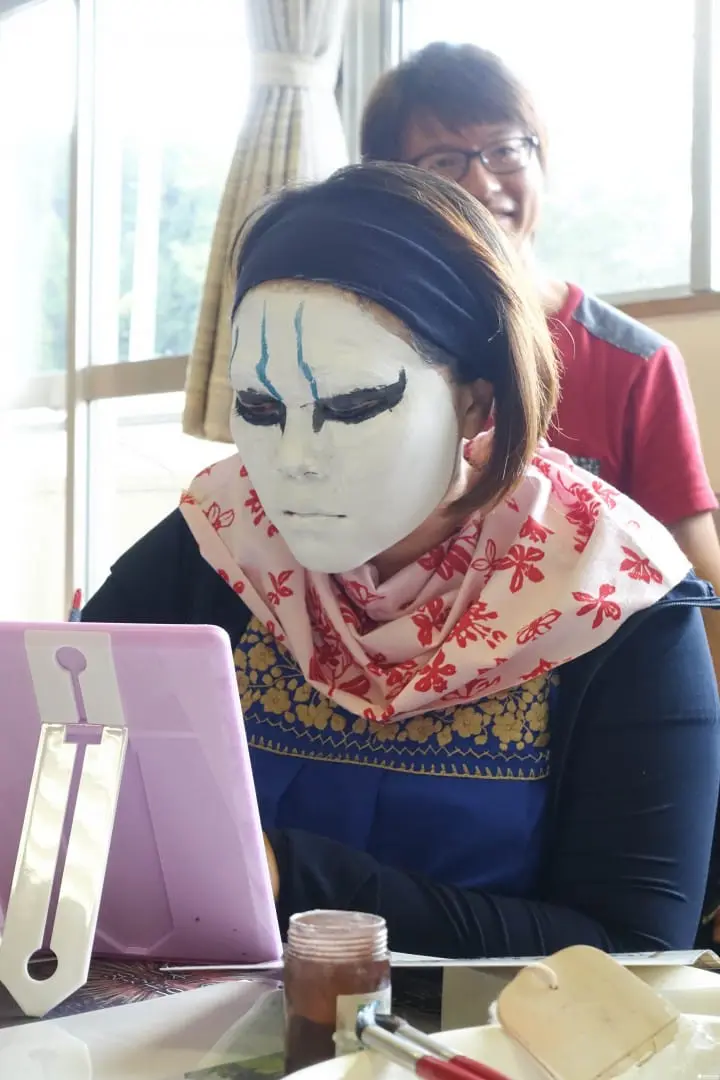
- Line Work & Muscle Mapping: Using fine brushes, participants paint bold red, blue, or black lines directly over their facial contours, emphasizing the furrow of the brow, the lines of the jaw, and the corners of the eyes.
- Theatrical Posture and Photography: Once the makeup is complete, instructors teach participants authentic, dynamic Kabuki theatrical poses, ensuring high-impact commemorative photography.
- The "Face-Print" Souvenir: In the experiential finale, participants press their painted faces directly onto a specialized piece of cloth, creating a permanent, one-of-a-kind fabric print to take home as an enduring artifact of their journey.
Workshop Specifications: Yamagawachi Kabuki Kumadori Experience
- Fee: 4,950 yen per participant
- Duration: Approximately 1 hour
- Reservation Protocol: Advance bookings are strictly required and can be completed via the official booking portal.
Future Outlook: Sustainable Cultural Tourism in Yamagata
As global tourism rebounds and matures, travelers are increasingly seeking alternatives to overcrowded metropolitan hubs, shifting their focus toward regional destinations that offer genuine cultural immersion, environmental sustainability, and economic support for local artisans.

Yamagata Prefecture is uniquely positioned to capitalize on this paradigm shift. By maintaining transparent, accessible entry barriers to delicate traditional arts like those preserved at Soma-ro, and by transforming passive museum-goers into active participants through hands-on workshops like the Yamagawachi Kabuki experience, Sakata and Tsuruoka are safeguarding their intangible cultural heritage for generations to come.

For the cultural traveler planning an autumn itinerary, timing a visit to coincide with late November provides the ultimate payoff: the opportunity to witness authentic, community-driven local theater during the annual Yamagawachi Kabuki performance. In an era where hyper-modernization threatens to homogenize global travel, Sakata City stands resiliently as a vital, breathing archive of Japan’s artistic soul.



Belum ada komentar. Jadilah yang pertama berkomentar!