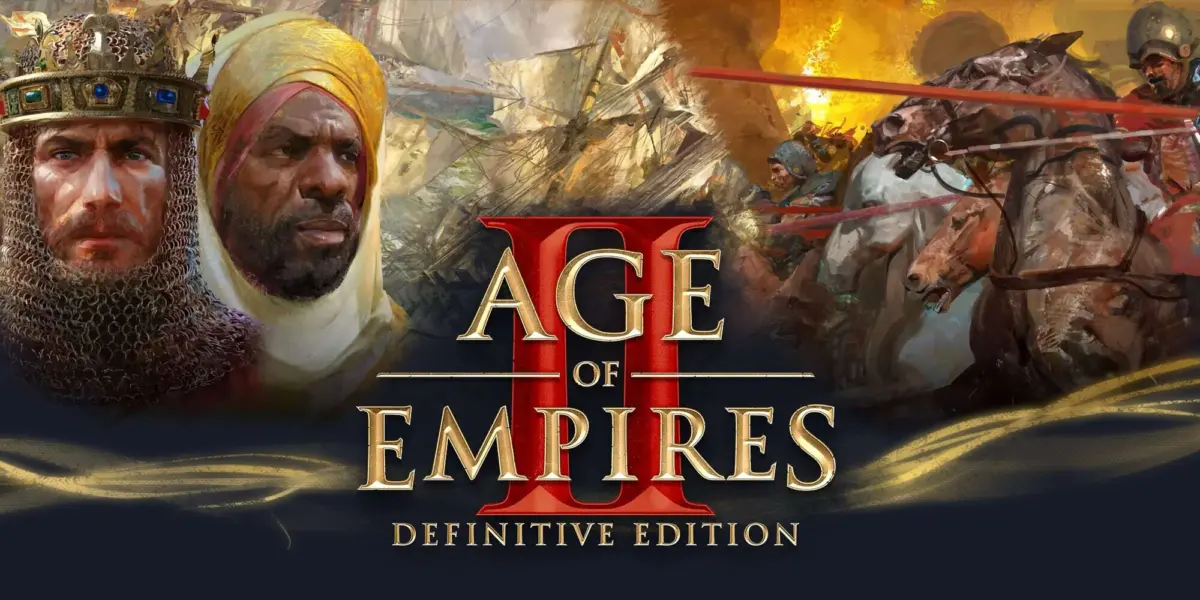
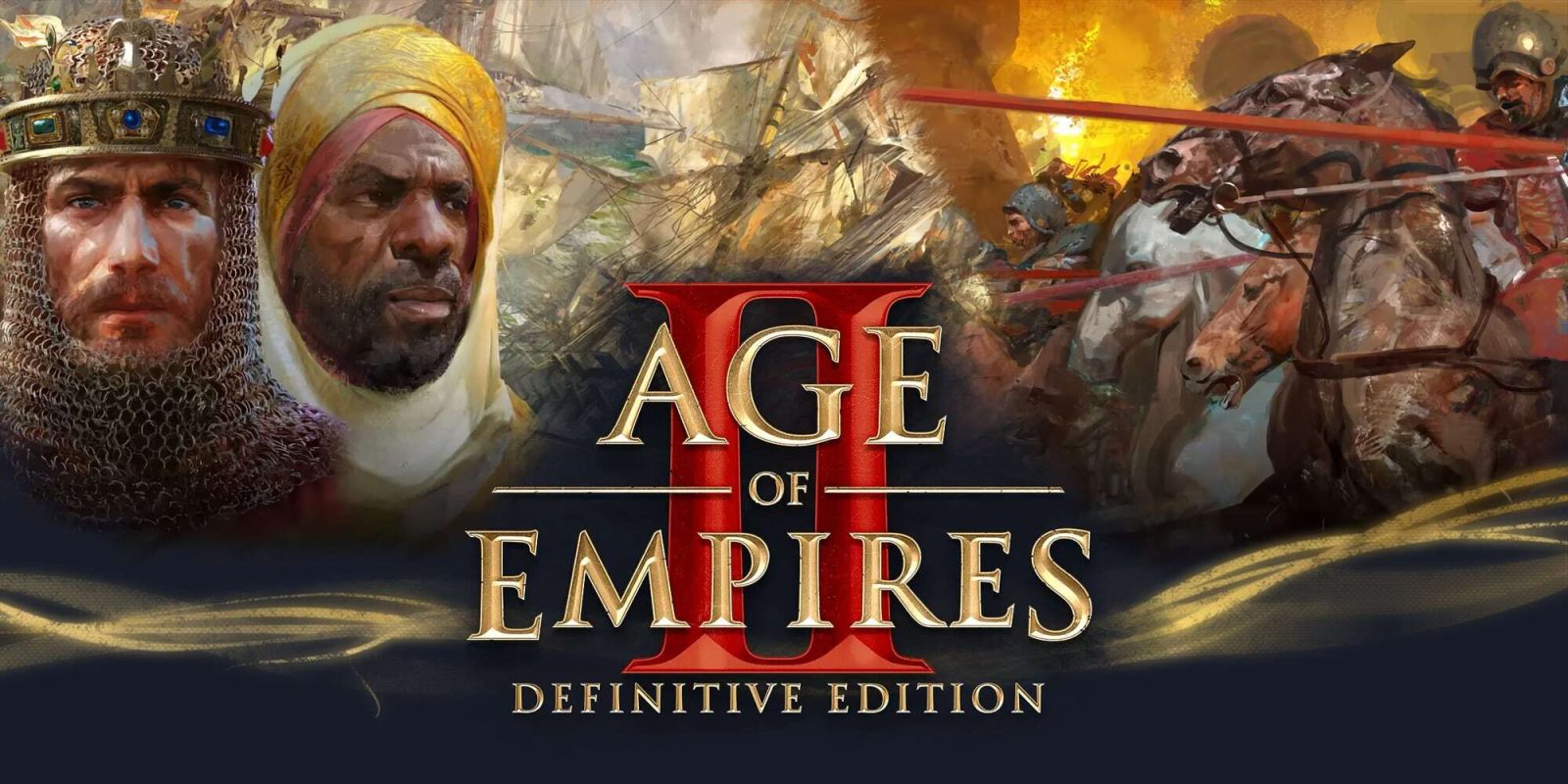
Apple’s multi-year campaign to transform the Mac into a viable, high-performance gaming platform has achieved another milestone. Microsoft has officially announced that Age of Empires II: Definitive Edition—the polished, contemporary iteration of the genre-defining real-time strategy (RTS) masterpiece—is officially making its native debut on macOS. Scheduled for release on Thursday, May 28, this launch represents a major victory for strategy enthusiasts invested in Apple’s hardware ecosystem.
For decades, the Mac has fought an uphill battle against the perception that it is fundamentally unsuited for gaming. Historically plagued by architectural shifts, limited developer support, and a historical reliance on proprietary graphics APIs rather than industry standards like Vulkan or DirectX, macOS was long relegated to casual puzzle titles, ports of older games, and indie releases. However, the introduction of Apple Silicon (the M-series of processors), combined with the powerful developer-focused tools introduced in Game Porting Toolkit and Metal, has fundamentally altered this narrative.
The arrival of Age of Empires II: Definitive Edition is not merely the addition of a legacy title to a growing catalog; it is a profound symbolic and technical statement. It demonstrates that complex, CPU-bound strategy games—demanding intensive pathfinding algorithms, extensive unit management, and high-fidelity rendering—can run natively and fluidly on Apple hardware. As the platform transitions from rare, simultaneous AAA day-one releases like Crimson Desert to deep, content-rich ports of historical heavyweights, the Mac gaming ecosystem is entering a vibrant era of maturation.
Detailed Chronology: The Journey of an RTS Icon to Apple Silicon
To understand the significance of the macOS release, one must trace the winding trajectory of Age of Empires II since its original debut by Ensemble Studios in 1999. Published by Microsoft Game Studios, the original title set the gold standard for medieval-era real-time strategy games. It challenged players to guide a civilization through four historical ages—from the Dark Age to the Imperial Age—by gathering resources, constructing fortified bases, training vast armies, and routing opponents.
From Ensemble Studios to Definitive Excellence
In 2013, hidden behind a wave of nostalgia, Hidden Path Entertainment and Microsoft released Age of Empires II: HD Edition on Steam, bringing modern widescreen resolutions and Steam Workshop support to the aging classic. Yet, the definitive transformation occurred in November 2019 with the release of Age of Empires II: Definitive Edition. Developed by Forgotten Empires, Tantalus Media, and Wicked Witch, this version completely overhauled the game. It introduced:
Completely rewritten network code for smooth multiplayer matchmaking.
Pathfinding improvements and quality-of-life additions.
Over the subsequent years, the game transformed into a living platform. The developers continuously refreshed the title with regular balance patches, seasonal events, and a steady stream of expansive downloadable content (DLC) packs.
The Long Road to macOS
Despite its massive PC following, Mac users historically faced a frustrating barrier to entry. While the original 1999 game received a Mac port via MacSoft shortly after its Windows debut, subsequent iterations and the Definitive Edition remained strictly bound to Windows and, later, Xbox consoles. Mac players wishing to experience the modern iteration of Age of Empires II were forced to rely on resource-heavy workarounds, including third-party Windows compatibility layers like CrossOver, virtual machines (such as Parallels), or cloud-gaming services like GeForce NOW.
While these solutions worked to varying degrees of success, they introduced input latency, performance overhead, and installation friction that deterred casual players. The announcement of a native macOS version—releasing first on Steam on May 28, with a subsequent release on the Mac App Store later in the year—finally bridges this long-standing divide, ensuring first-class performance optimized directly for Apple’s unified memory architecture and Metal graphics API.
Supporting Context & Metrics: The Shifting Landscape of Mac Gaming
The release of Age of Empires II: Definitive Edition arrives at a pivotal juncture in Apple’s hardware and software evolution. For years, critics pointed to a chicken-and-egg problem: developers refused to port major titles to macOS because the installed gaming user base was too small, while gamers refused to buy Macs for gaming because the software library was fundamentally barren.
The Apple Silicon Catalyst
The introduction of Apple Silicon in late 2020 shattered old hardware assumptions. By integrating the CPU, GPU, and unified memory onto a single system-on-a-chip (SoC), Apple created machines capable of staggering power efficiency and impressive graphics performance without generating excessive heat or consuming massive amounts of power.
Furthermore, the introduction of the Game Porting Toolkit (GPTK) at WWDC 2023 gave developers a direct pathway to evaluate how easily their existing Windows DirectX games could run on macOS. The tool provided an emulation and translation layer that allowed developers to test high-end shaders, graphics pipelines, and CPU loads on M-series chips with minimal friction. This technical foundation paved the way for remarkable wins, such as Capcom bringing Resident Evil titles natively to the Mac App Store, and high-profile recent launches like Crimson Desert, which achieved a rare, simultaneous day-one launch on macOS alongside other platforms.
Strategic Demands on Hardware
Real-time strategy games like Age of Empires II place unique demands on hardware. Unlike first-person shooters that primarily stress the GPU’s rasterization or ray-tracing capabilities, RTS titles are notoriously CPU-bound. When hundreds—or thousands—of units are pathfinding simultaneously across complex maps featuring dynamic line-of-sight and physics calculations, the processor bears the brunt of the workload.
Apple Silicon’s high instructions-per-clock (IPC) performance and wide execution pipelines make it exceptionally well-suited for these types of computational workloads. Whether running on an entry-level M-series MacBook Air or a maxed-out M-series Mac Studio, players can expect fluid frame rates, rapid loading times, and minimal thermal throttling, turning everyday laptops into highly capable portable command centers.
Official Statements and Feature Breakdown
According to the official press release from the development team behind Age of Empires II: Definitive Edition, the macOS port will not be a stripped-down version. Instead, it will launch as a fully featured, content-dense experience on par with its Windows and console counterparts.
"Age of Empires II: Definitive Edition comes complete with razor-sharp 4K visuals, a fully remastered soundtrack, and includes three expansions with the base game: Lords of the West, Dynasties of India, and Dawn of the Dukes. Newcomers to the series and returning veterans alike can look forward to all the fast-paced base-building and warfare that made this game a classic, given new life over two decades of refinement and additional content."
The inclusion of three major expansions right out of the box—Lords of the West, Dynasties of India, and Dawn of the Dukes—offers an immense amount of single-player campaigns, historical scenarios, and unique civilizations to master.
Day-One DLC Availability
Beyond the base game and its initial three expansions, empire builders will have immediate access to a vast, continuously expanding catalog of downloadable content available for purchase from day one. Notable expansions include:
Return of Rome: A fascinating crossover expansion that transplants the mechanics, units, and civilizations of the original 1997 Age of Empires into the modern Age II engine.
The Last Chieftains: The recently released expansion that delves into the rich, complex medieval societies of South America, offering fresh strategic meta-analyses and distinct campaign narratives.
This comprehensive day-one content parity ensures that Mac players will not be treated as second-class citizens; they will be able to immediately participate in cross-play multiplayer matches, competitive ranked ladders, and cooperative historical scenarios with friends on Windows PCs and Xbox consoles.
Future Outlook: What This Means for the Future of Mac Gaming
While Age of Empires II: Definitive Edition follows a more traditional, delayed release pattern for Mac titles—arriving years after its initial PC and console debuts—it signifies a broader trend toward normalization. Publishers are increasingly recognizing that the Mac install base represents a lucrative, untapped demographic of productivity-focused users who also enjoy gaming in their downtime.
Closing the Gap
The industry is slowly moving away from the paradigm where a Mac version is an afterthought outsourced to a third-party porting house years after the fact. With Apple continuing to refine its graphics APIs, improve hardware ray-tracing support, and foster closer relationships with major publishing studios, the friction required to bring a game to macOS is lower than ever before.
As titles like Crimson Desert prove that simultaneous day-one launches are possible, and classics like Age of Empires II demonstrate that enduring, long-tail strategy platforms can find a lucrative second life on Apple Silicon, the psychological barrier holding back Mac gaming continues to crumble.
The Community Response
For the Mac community, the upcoming May 28 release date on Steam marks a day circled brightly on the calendar. It is a validation of years of patience, hardware investment, and advocacy. As the ecosystem continues to evolve, the question for Apple users is no longer if they can game on their machines, but what masterpiece will arrive next.












Belum ada komentar. Jadilah yang pertama berkomentar!