

Executive Overview
In the modern landscape of action gaming, the parry mechanic has firmly established itself as both a cornerstone of combat design and a frequent subject of widespread player fatigue. From the relentless, rhythm-based clanging of Sekiro: Shadows Die Twice to the precise mechanical inputs of Lies of P and Nine Sols, modern players have been inundated with titles demanding razor-sharp timing and defensive mastery. It is against this backdrop of genre saturation that Capcom’s Onimusha: Way of the Sword enters the fray.
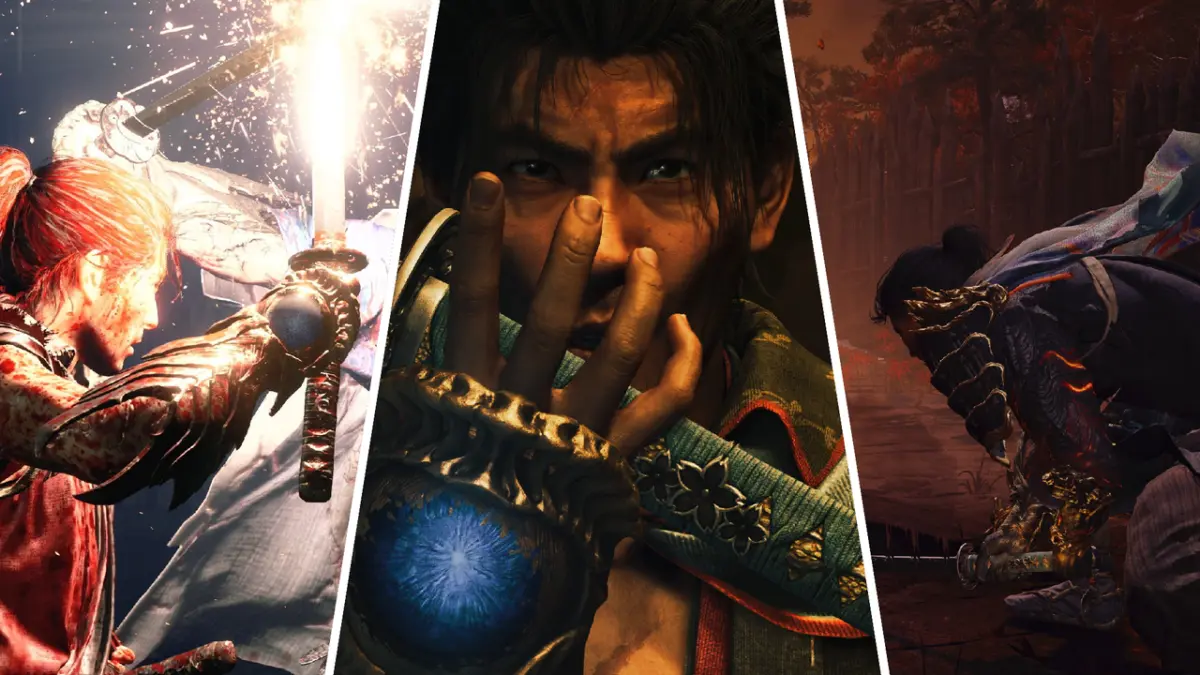
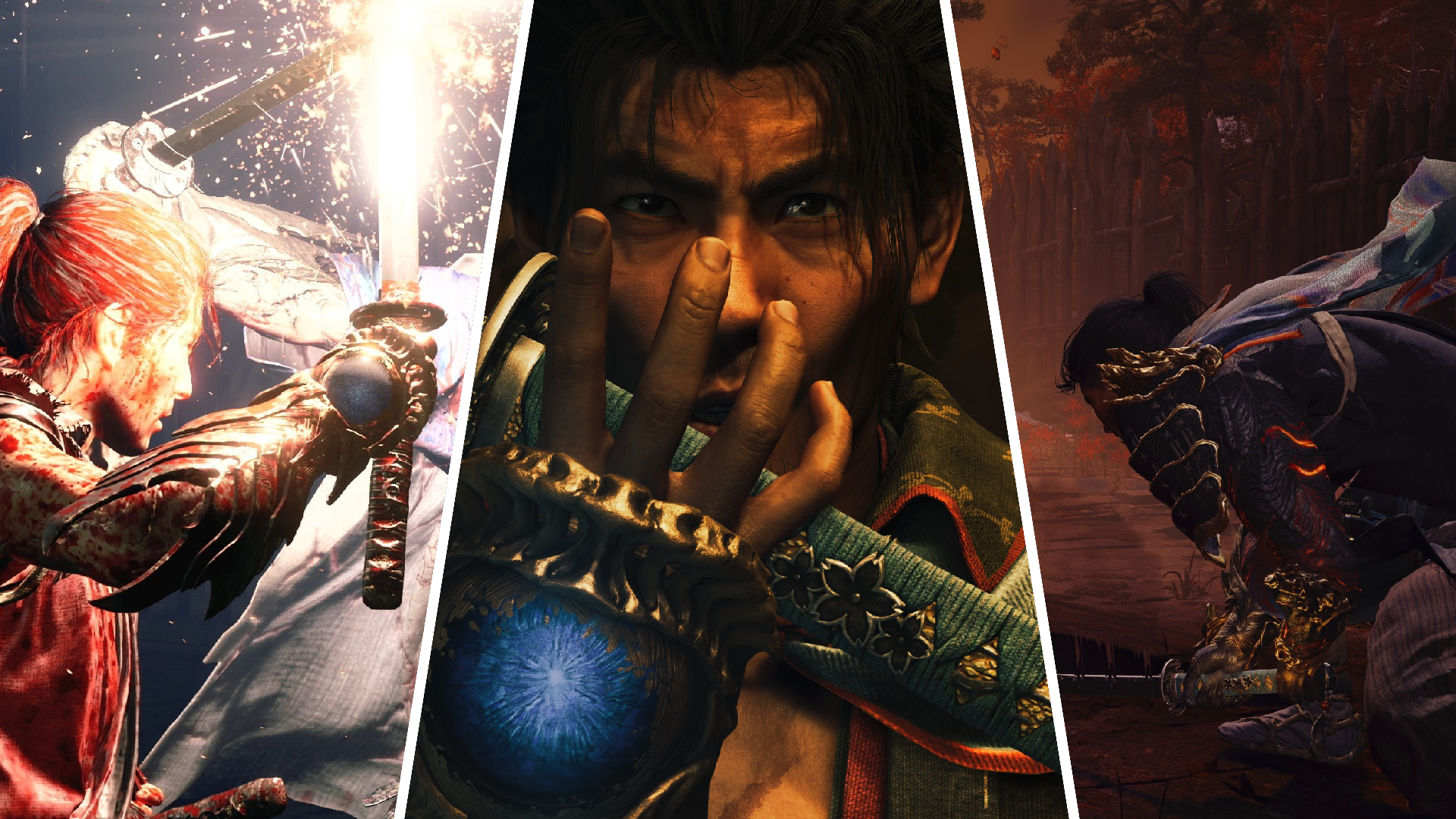
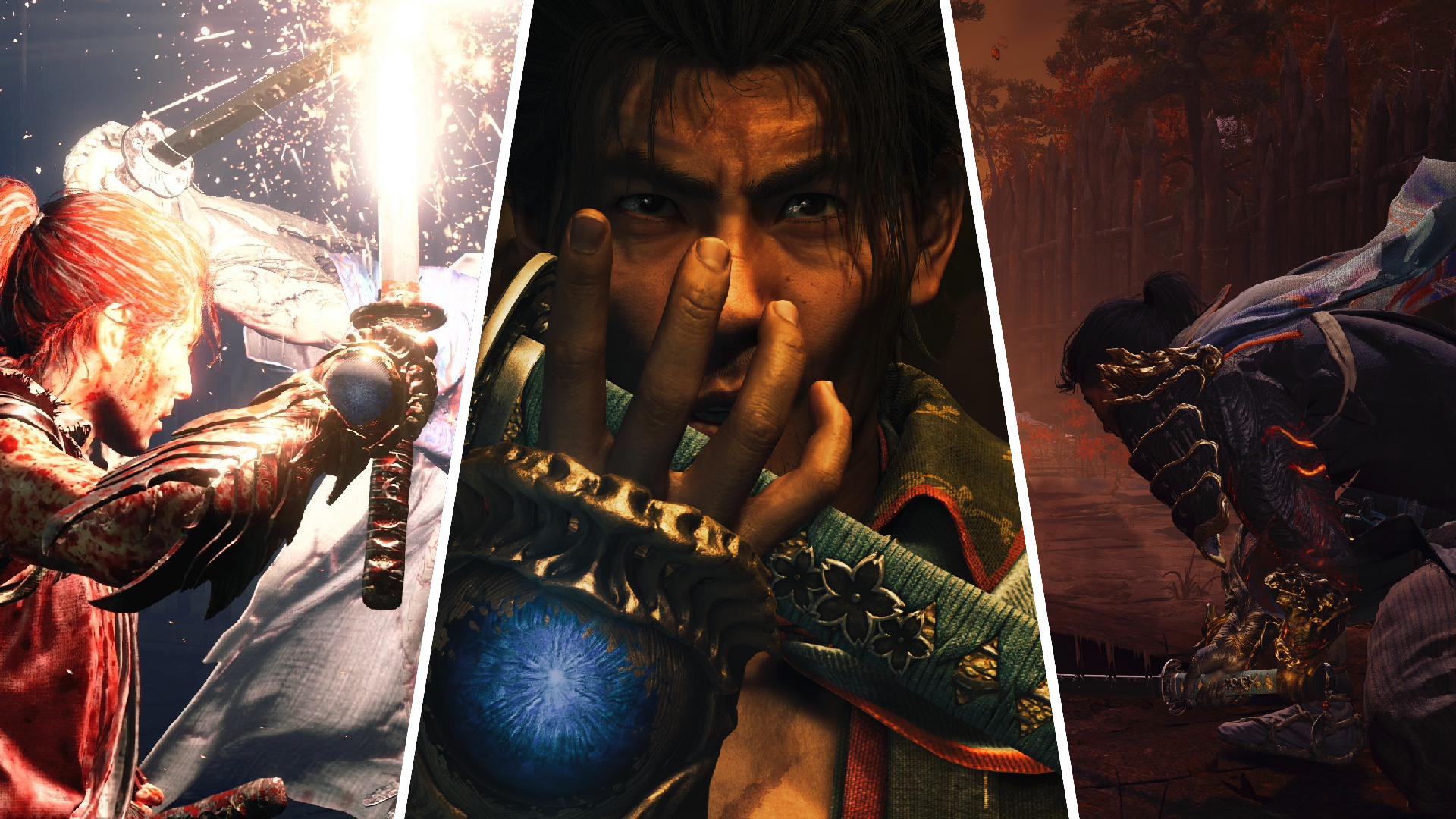
Initially greeting players with a deceptively cautious and slow-paced opening hours, the game risks alienating veterans who might mistake its deliberate tutorialization for a lack of depth. However, beneath its hesitant exterior lies a masterclass in action game design. Once the training wheels come off and protagonist Musashi’s complete tactical toolkit unfolds, Onimusha: Way of the Sword transcends the standard "parry-is-king" paradigm. It introduces a multifaceted combat ecosystem that weaves timed blocks, nuanced deflects, evasive rolls, and the devastating, high-risk Issen counter into a rich, rhythm-infused tapestry.
This deep-dive analysis explores Onimusha: Way of the Sword’s controversial pacing, dissects its intricate mechanical mechanics, evaluates its encounter design, and weighs its long-term impact on the modern character action genre.
Detailed Chronology: From Hesitant Opening to Full-Throttle Mastery
The First Impression: Walking on Eggshells
When players first boot up Onimusha: Way of the Sword, the immediate impression is one of extreme caution. Capcom’s design philosophy for the game’s introductory chapters appears explicitly calibrated not to overwhelm newcomers. The pacing mimics that of a skittish animal; defensive mechanics are introduced at a glacial, drip-fed rate.
For the first few hours, Musashi possesses a combat kit that feels almost overly simplistic. The initial rollout relies entirely on the most ubiquitous mechanic in contemporary action gaming: the basic timed block, or deflect. While the timing window is reasonably forgiving and accompanied by remarkably satisfying sound design, experienced action game enthusiasts can quickly feel a sense of déjà vu. Combined with a surprisingly slow roll mechanic, these opening moments have drawn critique from players who worry the game lacks the aggressive bite and kinetic fluidity of its predecessors or spiritual peers.
The Midpoint Shift: Baring Its Teeth
This hand-holding AAA structure, however, is merely a mask. By roughly the 15-hour mark—right around the midpoint of a substantial 30-plus-hour playthrough—Onimusha: Way of the Sword completely sheds its conservative shell. The training wheels vanish, and the combat system accelerates into absolute action game bliss.
It is here that the game’s true mechanical complexity blooms. The simple timed block is revealed to be nothing more than a fundamental drumbeat, a baseline percussion upon which an entire orchestra of aggressive options is built. Enemies begin combining weapon combos, bare-fisted martial arts, un-avoidable grabs, and sudden blade-locks that demand instant, reactionary adaptation. The game transforms from a predictable dance of memorized inputs into a high-stakes, reactive tactical puzzle where standing still or relying on a single defensive crutch is a guaranteed ticket to the respawn screen.
Mastery and the Return of Old Foes
One of the most fascinating narrative and mechanical intersections in Onimusha occurs during its utilization of recurring boss and miniboss encounters. In lesser games, repeated fights against the same foes are often viewed as lazy padding or artificial difficulty spikes. Here, Capcom weaponizes these mandatory rematches as a canvas for player expression and mastery.
Enemies that once terrorized Musashi in the opening acts become benchmarks for growth. Because the player has spent dozens of hours internalizing the game’s rhythm, mastering its defensive timings, and expanding their arsenal, these rematches feel less like chores and more like joyous reunions with old rivals. Players can effortlessly dismantle foes that previously required frantic, desperate button-mashing, showcasing a tangible, earned sense of character and player progression.
Supporting Context & Metrics: The State of the Parry Paradigm
The Rise of Parry Fatigue
To truly understand the stakes surrounding Onimusha: Way of the Sword, one must examine the broader socio-cultural landscape of the action genre. Over the past half-decade, the industry has experienced an explosion of souls-like and character action games centered entirely around deflection mechanics. Market analytics and player surveys indicate that roughly one in four dedicated action game players has experienced acute "parry fatigue" within the last five years.
This fatigue stems from design homogeneity. When every major release—from independent critical darlings to triple-A blockbusters—requires identical muscle memory centered on red/yellow flash indicators and split-second L1/LB inputs, the mechanic loses its luster. Onimusha enters this saturated market risking immediate backlash from an audience primed to reject yet another game demanding reflex-driven defensive play.
Deconstructing the Toolkit: Beyond the Block
Despite initial fears, Onimusha sets itself apart by decentralizing the parry. While the system is present, it operates as one component among many within Musashi’s sprawling tactical inventory.
- The Timed Block / Deflect: The baseline defensive tool. It requires precise timing upon enemy impact, serving as the foundational rhythm of combat.
- The Advanced Deflect: Unlike the instantaneous snap-parry, this requires players to maintain a held block button while reacting dynamically to incoming volleys, shifting the defensive flow from active interception to managed resilience.
- The Timed Dodge: Crucial for evading unarmed attacks, grabs, and area-of-effect strikes that bypass traditional blocks entirely. It rewards spatial awareness and positioning over stationary guards.
- The Issen: The crowning jewel of Musashi’s defensive repertoire. The Issen is a high-risk, high-reward reversal that demands an exact attack-button input at the microsecond of an enemy’s strike. Executing an Issen leaves the player completely vulnerable if mistimed; however, a successful execution typically one-shots standard enemies, inflicts massive stagger damage on elites, and rewards the player with spectral souls that charge a devastating "super state."
This layered approach transforms every encounter into a complex game of rock-paper-scissors. Enemies might adopt countering stances that require physical fisticuffs to break their balance, unleash relentless blade barrages that punish mindless button-mashing, or trigger sudden weapon locks. The player is forced to constantly evaluate threats on the fly, proving that depth can exist even within a familiar combat framework.
Official Statements and Industry Reception
Capcom’s development team has been vocal regarding the design philosophy and balancing choices behind Onimusha: Way of the Sword. Addressing early player feedback from the public demo—where many voiced concerns over either excessive ease or punishing difficulty spikes—the studio expressed absolute confidence in the final product’s tuning.
"We really wanted to focus on creating this very realistic, grounded sword action," noted lead developers during pre-launch deep-dives. “We heard the initial community feedback regarding the perceived ease of the early game and concerns over difficulty scaling. We are confident that fans will find the final game strikes a deeply satisfying balance, one that rewards genuine mastery without compromising the gritty weight of our combat system.”
Critics and industry insiders who have experienced the complete 30-plus-hour journey have largely echoed this sentiment, praising Capcom for sticking to its guns. While acknowledging that the slow initial pacing requires patience, critical consensus highlights Onimusha as a triumphant return to form for a legendary franchise, successfully modernizing its roots without succumbing entirely to modern design clichés.
Future Outlook: The Legacy of Onimusha in Modern Gaming
The success and critical reception of Onimusha: Way of the Sword carry significant implications for the future of Capcom’s classic IP portfolio and the action genre at large. For years, fans of survival horror and historical hack-and-slash games wondered if franchises like Onimusha had been permanently relegated to the history books, overshadowed by the global dominance of Resident Evil and Monster Hunter.
By proving that grounded, weapon-based action can evolve past the monotonous trappings of modern trend-chasing, Capcom has opened the door for potential revivals of other dormant properties. Furthermore, the game serves as a vital lesson for developers designing complex combat systems: initial accessibility need not compromise late-game depth, provided the learning curve is treated as a narrative of player empowerment.
For players skeptical of the current parry-heavy meta, Onimusha: Way of the Sword stands as a vital recommendation. It asks for an investment of time, demanding that players push past a hesitant opening hour. Those who persevere are rewarded with one of the most textured, rewarding, and exhilarating combat systems of the generation—a shining example of how respecting player intelligence ultimately yields unforgettable gaming experiences.






Belum ada komentar. Jadilah yang pertama berkomentar!