

Executive Overview
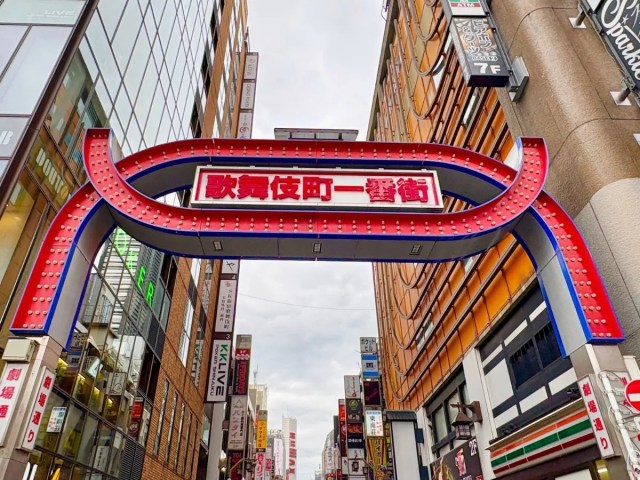
Deep within the pulsing, neon-drenched arteries of Tokyo’s Kabukicho entertainment district lies a hidden portal to a bygone era. Known primarily across the globe as Japan’s most notorious red-light neighborhood—a labyrinth of adult entertainment venues, high-pressure touts, and tourist traps notorious for unexpected financial markups—Kabukicho is rarely associated with sanctuary, let alone safe havens for solo female travelers. Yet, hidden in plain sight just north of Shinjuku’s iconic Godzilla Head installation is Niinana Kissa, a retro-styled café that defies the gritty reputation of its surrounding concrete jungle.
Operating inside the shell of the legendary, historical Hinomaru Cabaret, Niinana Kissa has quickly evolved from a clandestine local secret into a viral destination for younger generations, pop culture aficionados, and curious diners alike. Recently immortalized as a filming location for the hit Netflix crime drama series Tokyo Swindlers, the venue marries the glamorous, decadent aesthetics of Japan’s Showa era (1926–1989) with modern internet-friendly food trends. Far from the intimidating, rough-around-the-edges underworld implied by its location, Niinana Kissa offers visitors a surprisingly welcoming, highly photogenic, and genuinely delicious culinary escape. This report explores the venue’s unique atmosphere, its cinematic pedigree, its signature menu offerings, and what its unexpected success reveals about the changing face of modern Kabukicho.

Detailed Chronology: A Reporter’s Journey Into the Underworld
The journey into Niinana Kissa is as much a psychological hurdle as it is a physical traversal. For Japanese-language lifestyle reporter Natsuki Gojo—whose professional and personal ethos centers on an appreciation for all things cute, with a lifelong aspiration to eventually become a cheerful grandmother surrounded by adorable aesthetics—the prospect of visiting Kabukicho alone was daunting. Her bucket-list dream, however, was specific: she had long yearned to step inside an authentic Showa-era cabaret. When research pointed her toward Niinana Kissa, housed within the former Hinomaru Cabaret building, she knew she had to face her fears.
Navigating the Shinjuku Labyrinth
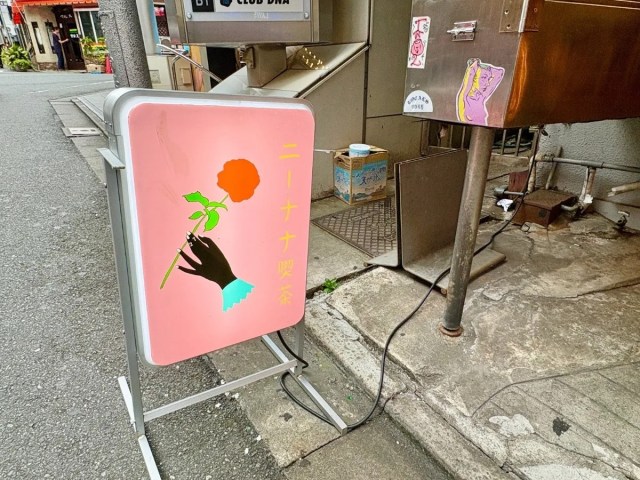
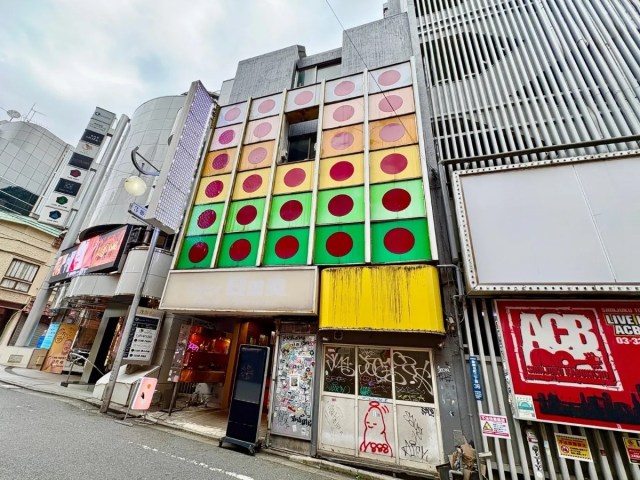
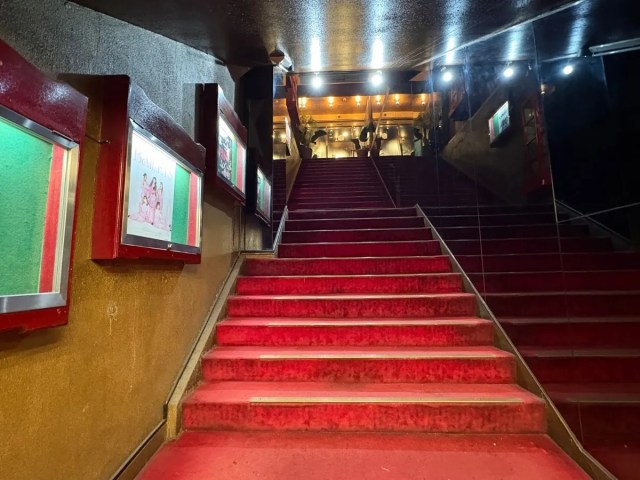
Setting out just north of Shinjuku’s famous towering Godzilla head, Natsuki navigated the chaotic daytime and early evening foot traffic of Kabukicho. She soon located the cafe’s whimsical, vintage-inspired exterior sign. However, the building itself presented the first true mental barrier. Retaining its industrial, weathered exterior architecture, the structure’s facade offered little in the way of a warm, inviting welcome.
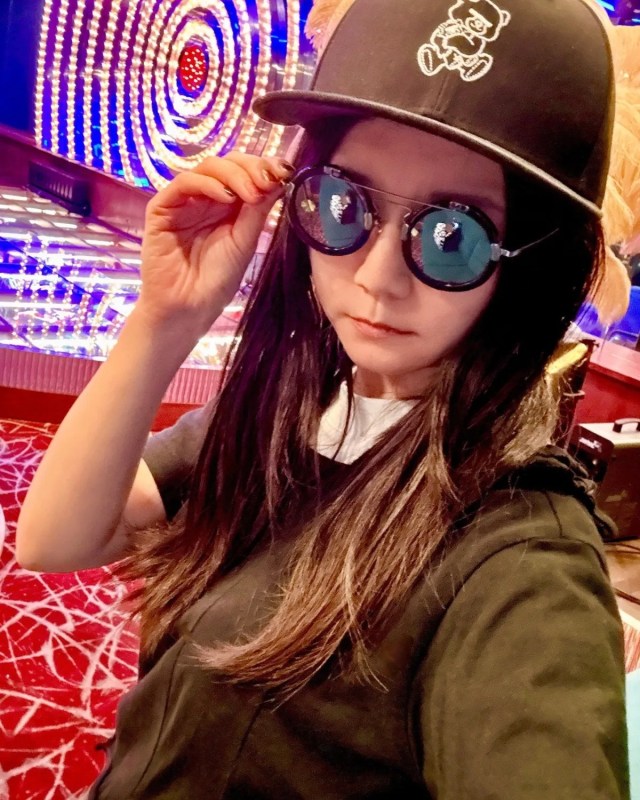
Swallowing her trepidation, Natsuki climbed the stairwell to the third floor, preparing herself for the worst. She had even packed a pair of high-fashion, high-pressure sunglasses—a tongue-in-cheek defensive mechanism designed to project a formidable "don’t-mess-with-me" aura, just in case she encountered aggressive patrons or underworld shadows reminiscent of its television-drama past.
Crossing the Threshold: The Showa Era Unleashed
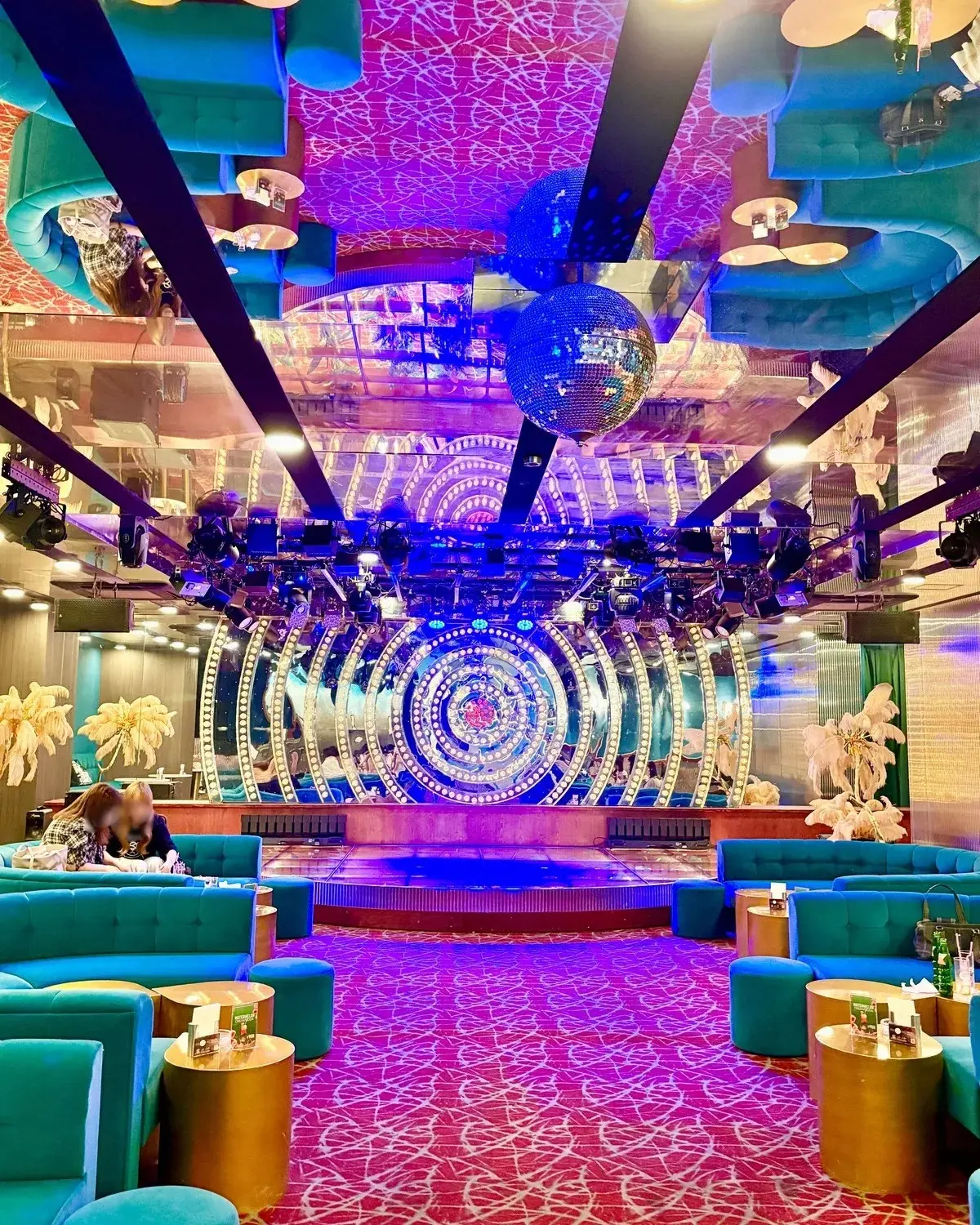
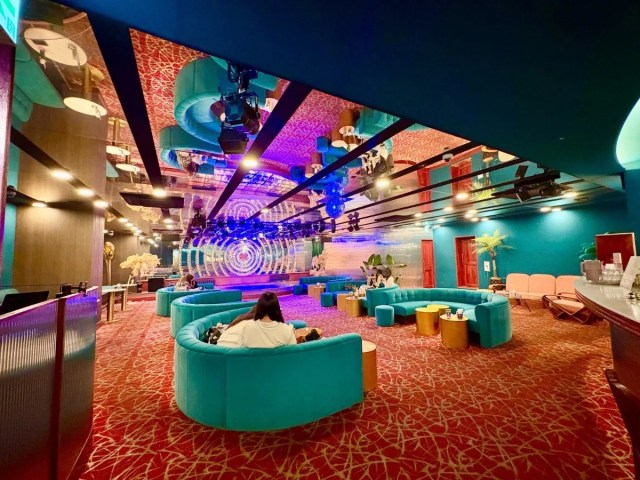
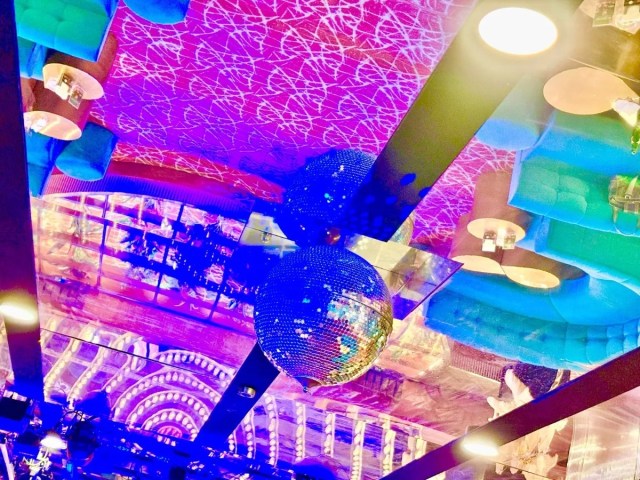
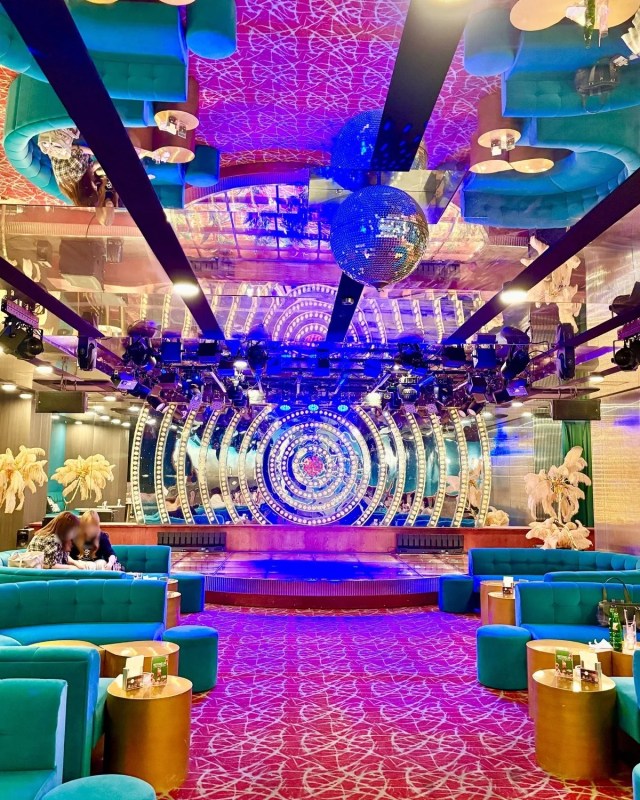
Pushing open the heavy door to the third-floor venue immediately dispelled her anxieties. The interior was a breathtaking time capsule of mid-century glamour. At the far end of the hall, neon lights shaped in the design of the Japanese national flag—colloquially known as the Hinomaru—radiated a brilliant, dazzling glow. Overhead, the ceiling was completely lined with mirrored panels, reflecting the spinning points of a massive, sparkling disco ball that hung like a gemstone in the center of the room.
To put it bluntly, while the entrance bore an intimidating vibe, stepping across the threshold felt like emerging into an entirely different dimension. Any need for defensive posturing evaporated instantly.
Supporting Context & Metrics: Demographics, Atmosphere, and Venue Dynamics
Natsuki’s initial preconceptions of a classic, rough-around-the-edges Kabukicho clientele—heavy-drinking businessmen, shady brokers, or tough locals—were entirely unfounded. Upon scanning the dining room, she noted that the primary demographic consisted of groups of young women, couples, and solo female diners. Many patrons were actively engaged in oshikatsu—the Japanese cultural phenomenon of supporting and celebrating one’s favorite idols or fictional characters through themed outings, photo-taking, and colorful merchandise displays.
Operational Logistics and Pricing Structure
For travelers looking to visit Niinana Kissa, understanding the venue’s operational quirks and time structures is essential for a seamless experience:
- Location: Shinjuku Acb Kaikan 3F, 2-36-3 Kabukicho, Shinjuku-ku, Tokyo.
- Operating Hours: Open daily from 11:00 a.m. to 6:00 a.m., offering both daytime cafe utility and late-night lounge capabilities.
- Peak Hours & Seating Policies: During peak high-demand periods, a strict 60-minute seating limit applies unless additional orders are placed.
- Cover Charges: The cafe operates without a cover charge for the vast majority of operating hours; however, a standard 500 yen (approx. US$3) cover charge is implemented for patrons visiting after 10:00 p.m.
- Operational Fluctuations: Because the venue remains in high demand as a commercial media production and filming location, unscheduled closures for shoots or private events can occur. Management advises checking their official Instagram stories (@27kissa) for real-time schedule confirmations before making a dedicated trip.
- Smoking Policy: True to its authentic Showa-era cabaret roots, smoking is permitted inside the establishment. While health-conscious non-smokers or families with young children might view this as a drawback, retro enthusiasts often argue that the hazy atmosphere completes the nostalgic, time-traveling illusion.
Culinary Highlights: Aesthetic Appeal Meets Authentic Flavor
In the era of social media-driven dining, many cafes sacrifice flavor for visual spectacle, offering photogenic dishes that ultimately taste uninspired. Niinana Kissa shatters this cynical expectation, pairing its stunning visual presentation with surprisingly high culinary execution.
The 27 Club Soda (900 Yen)
The beverage menu is anchored by the visually striking 27 Club Soda, priced at 900 yen. Available in a variety of vibrant chromatic variants tailored to match different aesthetic preferences or oshikatsu color themes, Natsuki opted for the orange version, widely touted by staff and regulars as one of the best-tasting selections.
Arriving at the table, the drink is an architectural marvel. Sitting atop a base of refreshing, effervescent orange soda is a towering assembly of whipped cream, a scoop of rich ice cream, an Oreo cookie, and a classic bright red cherry garnish. Though categorized as a beverage, the sheer volume and density of toppings transform it into a decadent dessert experience. Diners are advised to capture their photographs quickly, however, as the combination of warm ambient lighting and heavy dairy toppings causes the ice cream to melt rapidly.
Attention to detail extends even to the smaller elements: the custom beverage coasters and vintage-style matchboxes provided at the tables are curated with the same meticulous regard for retro cuteness, making them coveted keepsakes for visitors.
The Infamous Black Omurice (1,500 Yen)
For the main course, the establishment’s undisputed heavy-hitter is the Black Omurice, priced at 1,500 yen. Upon initial delivery, the dish appears deceptively light; a generous, velvety blanket of white cheese sauce dominates the plate, initially masking any dark elements.
However, cutting through the creamy white blanket reveals the dramatic core of the dish: a rice filling of pitch-black proportions. Unlike many black-tinted culinary dishes that rely on traditional squid ink—which can introduce a potent, divisive seafood flavor profile—the intense color of Niinana Kissa’s omurice is derived from bamboo charcoal.
The flavor profile is remarkably balanced. The lightly seasoned, charcoal-infused rice pairs exceptionally well with the rich, savory cheese sauce. The embedded pieces of meat and vegetables maintain a thoroughly enjoyable texture and structural integrity, avoiding the mushiness that often plagues novelty dishes.
Future Outlook: A New Standard for Kabukicho Hospitality
The transformation of Niinana Kissa from a historical cabaret into a Netflix-featured cinematic landmark and beloved retro cafe highlights a broader evolution within Shinjuku’s entertainment district. For decades, Kabukicho has fought hard to shed its reputation as a no-go zone for uninitiated tourists and solo travelers. Venues like Niinana Kissa prove that safe, inclusive, and highly creative spaces can thrive right in the heart of Japan’s most notorious nightlife district.
For Natsuki Gojo, the experiment was a resounding success. What began as an intimidating venture into the red-light district concluded with the discovery of a dependable, high-quality sanctuary. She noted that she would gladly return to Niinana Kissa as a regular coffee shop whenever her travels brought her back to Kabukicho.
As Tokyo continues to blend its Showa-era nostalgia with modern pop-culture tourism, establishments that successfully honor their past while welcoming contemporary audiences will undoubtedly shape the future of the capital’s culinary and entertainment landscape. Niinana Kissa stands as a shining testament to this balance—proving that beneath the hard exterior of Shinjuku’s concrete jungle, a warm, neon-lit heart still beats.





Belum ada komentar. Jadilah yang pertama berkomentar!