

Executive Overview
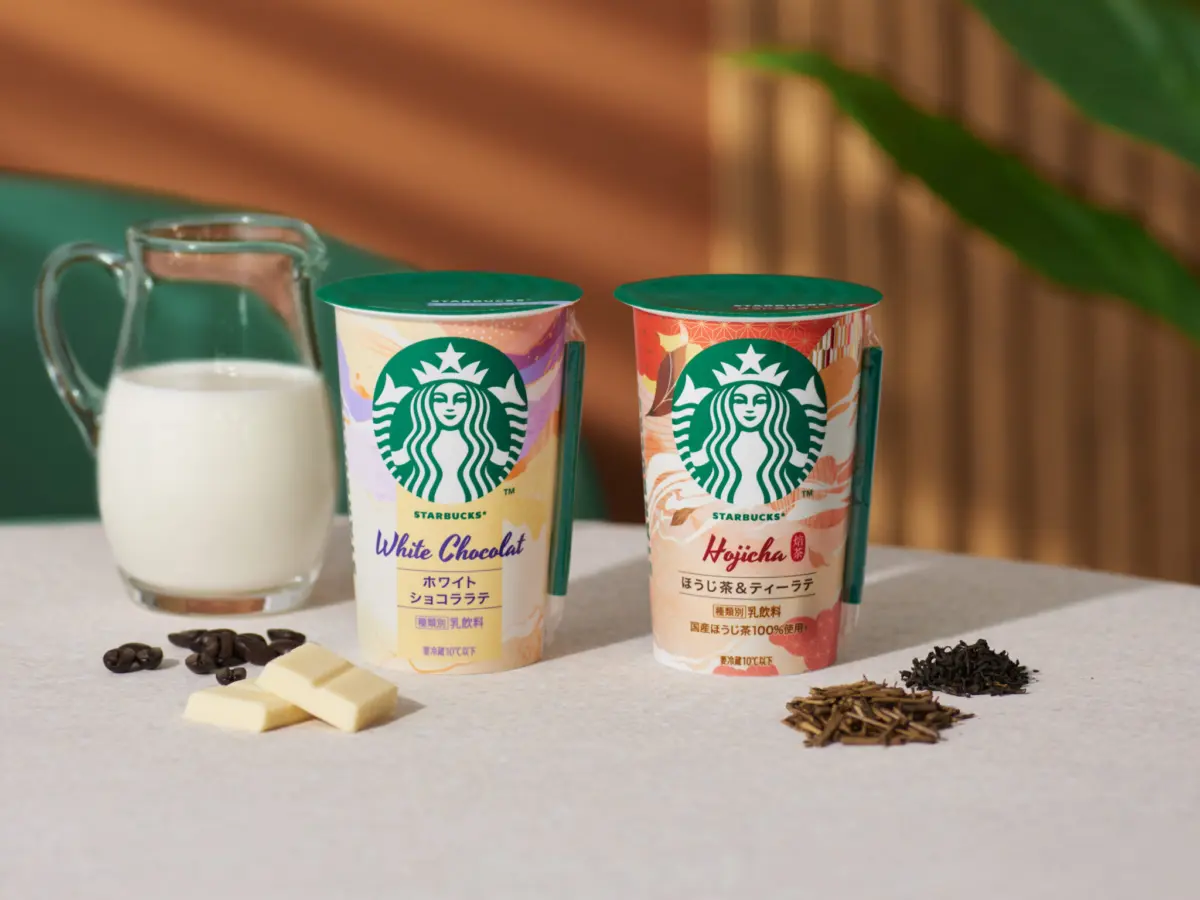
As the scorching days of late summer gradually give way to the crisp, reflective ambiance of autumn, consumer preferences across Japan undergo a seasonal transformation. The national palate shifts decisively away from icy, ultra-refreshing fruit beverages and toward rich, warming, and deeply comforting flavor profiles. Meeting this annual demand with characteristic precision, Starbucks Coffee Japan has announced the upcoming nationwide launch of two limited-edition additions to its immensely popular "Chilled Cup" grocery and convenience store lineup: the White Chocolat Latte and the Hojicha & Tea Latte.
Available starting September 8 at a highly accessible recommended retail price of 230 yen (approximately $1.45 USD), these beverages represent a strategic convergence of artisanal café heritage and grab-and-go convenience. Since its inception in 2005, the Starbucks Chilled Cup series has served as a cornerstone of the brand’s retail market expansion strategy in Japan, bridging the gap between premium in-store coffeehouse experiences and everyday retail accessibility. By securing shelf space in convenience stores (konbini) and supermarkets nationwide, Starbucks has successfully integrated itself into the daily routines of millions of Japanese consumers.
The autumn 2026 releases are not merely seasonal novelties; they are masterclasses in flavor balancing and packaging design. The White Chocolat Latte channels the decadent, velvety luxury of the brand’s beloved White Mocha, pairing an assertive espresso foundation with sweet, creamy white chocolate. Conversely, the Hojicha & Tea Latte pays homage to traditional Japanese agricultural heritage, utilizing 100-percent domestically sourced roasted green tea (hojicha) enhanced with a bright, aromatic accent of black tea. Together, these two offerings capture the dual essence of modern Japanese coffee culture: an appreciation for global café luxuries coupled with a profound reverence for native, comforting tea traditions.
Detailed Chronology of the Chilled Cup Phenomenon
To fully understand the significance of the September 8 launch, one must examine the evolutionary arc of Starbucks Japan’s Chilled Cup ecosystem. Launched two decades ago in 2005, the concept was designed to democratize the Starbucks experience, moving beyond the physical brick-and-mortar storefronts that were rapidly populating urban centers across the Japanese archipelago.
The Early Years: Establishing a Convenience Store Footprint (2005–2015)
In the mid-2000s, Japan’s ready-to-drink (RTD) coffee market was dominated by canned coffees sold in ubiquitous vending machines. Starbucks disrupted this landscape by introducing premium milk-and-coffee combinations housed in sleek, modern plastic cups equipped with wide straws and protective foil seals. Early iterations focused on perfecting classic flavor profiles like Caffè Latte and Espresso, immediately capturing the attention of commuters, office workers, and students seeking a higher grade of caffeine during transit.
Innovation and Seasonal Localization (2016–Present)
As consumer palates matured, Starbucks Japan began leveraging the Chilled Cup platform as an incubator for bold, inventive, and region-specific flavor combinations. Over the past decade, the lineup has expanded to include complex seasonal offerings, ranging from Sakura-infused lattes in the spring to chestnut and pumpkin variations in the fall. Recent historical milestones include the August 2025 rollout of the exclusive Kyoto Matcha Latte and the historic June 2026 debut of the brand’s very first muscat-flavored chilled beverage.
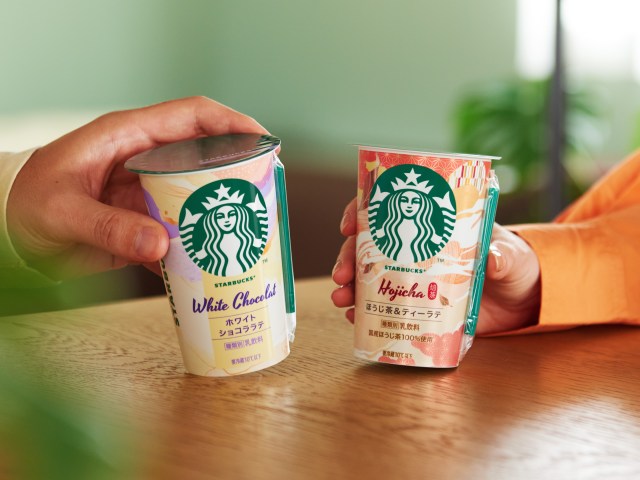
The introduction of the White Chocolat Latte and the Hojicha & Tea Latte in September 2026 marks the latest chapter in this ongoing legacy of product innovation. By meticulously timing the release to coincide with the onset of autumn, Starbucks ensures that its retail products mirror the seasonal menu shifts occurring within its physical coffeehouses, creating a synchronized brand experience across all consumer touchpoints.
Product Deep Dive: Flavor Profiles, Ingredients, and Packaging Design
The success of any Starbucks beverage relies as much on its visual and tactile presentation as it does on its gustatory profile. For the autumn 2026 release, Starbucks Japan’s product development and design teams have collaborated to create an immersive sensory experience from the moment the consumer picks the cup off the refrigerated shelf.
1. The White Chocolat Latte
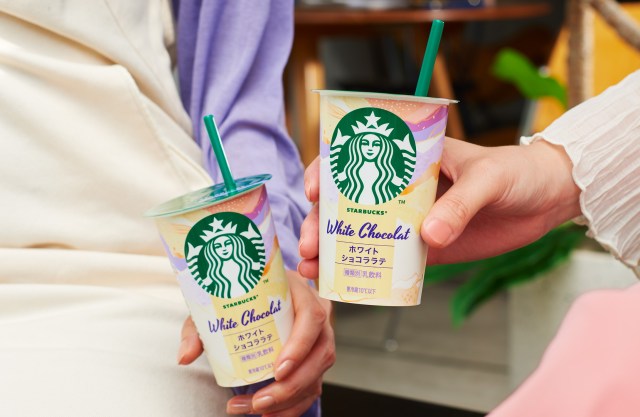
Inspired by the runaway success of Starbucks’ permanent-menu White Mocha, the White Chocolat Latte is engineered to provide a decadent, dessert-like indulgence suited for cooler autumn days.
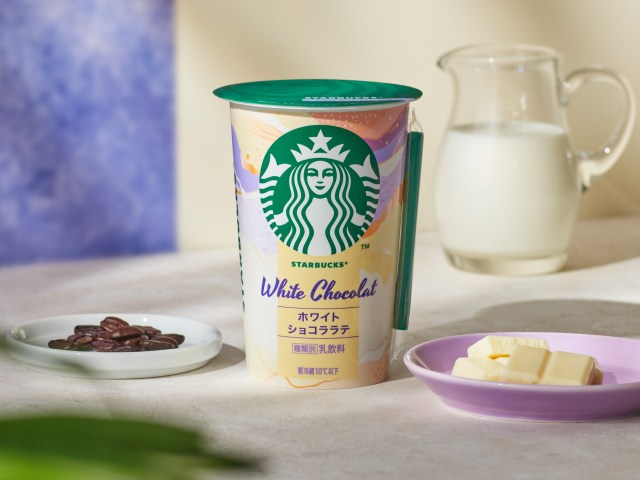
- Flavor Architecture: The beverage builds upon a robust foundation of high-grade Starbucks coffee, providing a deep, slightly bitter coffee backbone that cuts through the intense, buttery richness of white chocolate. This structural contrast ensures the drink avoids cloying sweetness, resulting in a harmonious, well-rounded, and remarkably creamy finish.
- Gastronomic Pairing: To elevate the consumption experience, Starbucks’ culinary advisors recommend pairing the White Chocolat Latte with a classic chocolate chip cookie. The interplay between the dark, slightly bitter chocolate chunks in the cookie and the milky, sweet white chocolate of the latte creates a multi-dimensional chocolate experience that accentuates the richness of both items.
- Aesthetic Presentation: The physical cup has been designed to mirror the liquid contents within. Rich imagery evokes the meltingly smooth texture of white chocolate, while strategic splashes of deep purple wrap around the packaging, imparting an undeniable sense of everyday luxury and sophistication.
2. The Hojicha & Tea Latte
Rooted deeply in Japanese culinary tradition, hojicha (roasted green tea) has experienced a monumental surge in popularity over recent years, favored for its comforting, earthy aroma and naturally low caffeine content compared to standard green or black teas.
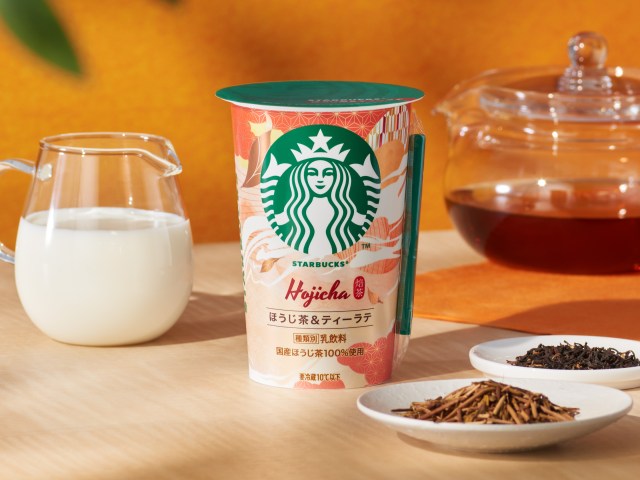
- Flavor Architecture: This formulation distinguishes itself by utilizing 100-percent domestically produced hojicha. The roasting process breaks down the catechins in the tea leaves, eliminating bitterness and imparting a characteristic smoky, toasty aroma. To add complexity, Starbucks has blended in a subtle accent of black tea, introducing a bright, aromatic top note that elevates the mid-palate and lingers pleasantly on the finish.
- Gastronomic Pairing: For a balanced light meal or snack break, Starbucks recommends pairing the Hojicha & Tea Latte with a traditional tuna and cucumber sandwich. The crisp, clean crunch of the fresh cucumber combined with the savory creaminess of the tuna acts as a refreshing counterpoint to the deep, roasted warmth of the tea latte.
- Aesthetic Presentation: The packaging design for the Hojicha & Tea Latte shifts toward a warm, autumn-leaf-inspired color scheme. Traditional Japanese design motifs are seamlessly integrated to reflect the authentic heritage of the hojicha inside, while modern metallic embellishments catch the fluorescent lighting of convenience store refrigerator cases, ensuring high visual impact.
Supporting Context & Market Metrics
The Japanese ready-to-drink (RTD) beverage market is one of the most competitive and innovative consumer goods sectors globally. Understanding the economic and retail environment surrounding the Starbucks Chilled Cup launch provides essential context for why these products are positioned for immense success.
The Japanese RTD Coffee and Tea Market
According to recent retail industry data, the Japanese RTD coffee and tea market commands tens of billions of dollars annually, driven by high population density, extensive public transit networks, and an ingrained consumer reliance on convenience stores (konbini chains such as 7-Eleven, Lawson, and FamilyMart). Unlike Western markets where bottled or canned coffee is often viewed as a low-cost, utilitarian alternative to fresh-brewed coffee, Japanese consumers demand high quality, sophisticated flavor profiles, and aesthetic packaging even in grab-and-go formats.
Strategic Pricing and Accessibility
Priced at 230 yen (approximately $1.45 USD) before consumption tax, the Chilled Cup series occupies a strategic "sweet spot" in the Japanese economy. It offers consumers an affordable luxury—a small, daily indulgence that feels upscale without commanding the 500-to-700-yen price tag associated with sitting down at a full-service Starbucks café. This accessibility is vital for driving high-volume sales across Starbucks Japan’s tens of thousands of retail distribution points nationwide.
Official Statements and Corporate Vision
While corporate press releases for fast-moving consumer goods often focus strictly on sensory descriptors, the subtext of Starbucks Japan’s messaging regarding the Chilled Cup line underscores a broader corporate philosophy: accessibility, cultural localization, and emotional resonance.
In official communications released ahead of the September 8 launch, representatives from Starbucks Coffee Japan emphasized the role of seasonal transitions in shaping consumer habits. "As the seasons shift and the air turns cooler, our customers seek out flavors that provide comfort, warmth, and a moment of personal pause in their busy daily schedules," a company spokesperson noted.
By continuously expanding the Chilled Cup lineup with culturally resonant ingredients—such as domestic hojicha—alongside globally inspired comforts like white chocolate, Starbucks Japan demonstrates its unique ability to honor local traditions while maintaining its distinct international brand identity. This dual approach has cemented the brand’s status not merely as an American coffee import, but as an integral, dynamic fixture of modern Japanese food and beverage culture.
Future Outlook: What’s Next for Starbucks Japan’s Retail Strategy?
The launch of the White Chocolat Latte and Hojicha & Tea Latte on September 8 sets a high benchmark for autumn product releases in the Japanese retail sector. Looking forward, industry analysts project that Starbucks will continue to leverage its Chilled Cup platform as a primary engine for brand growth, particularly as consumer demand for premium, portable convenience items accelerates in urban centers.
Potential Future Trends
- Sustainability in Packaging: As global environmental regulations tighten and consumer consciousness regarding plastic waste grows, future iterations of the Chilled Cup series are expected to incorporate higher percentages of recycled materials or explore innovative biodegradable container technologies.
- Expansion of Functional and Health-Conscious Beverages: Building upon the success of tea-based lattes like hojicha and matcha, future seasonal releases may lean further into wellness-oriented profiles, incorporating functional ingredients such as botanical extracts, reduced sugar formulations, or plant-based dairy alternatives tailored to lactose-intolerant and vegan demographics.
- Cross-Channel Synergy: We can anticipate an even tighter integration between Starbucks’ physical café menus and its grocery store offerings, allowing consumers to experience signature seasonal flavors regardless of whether they visit a brick-and-mortar store or their local neighborhood convenience store.
As these autumn beverages hit shelves nationwide, they offer more than just a temporary caffeine fix; they provide a tangible snapshot of a mature, highly sophisticated beverage market where craftsmanship, convenience, and seasonal storytelling intersect perfectly in a single cup.








Belum ada komentar. Jadilah yang pertama berkomentar!