

Executive Overview
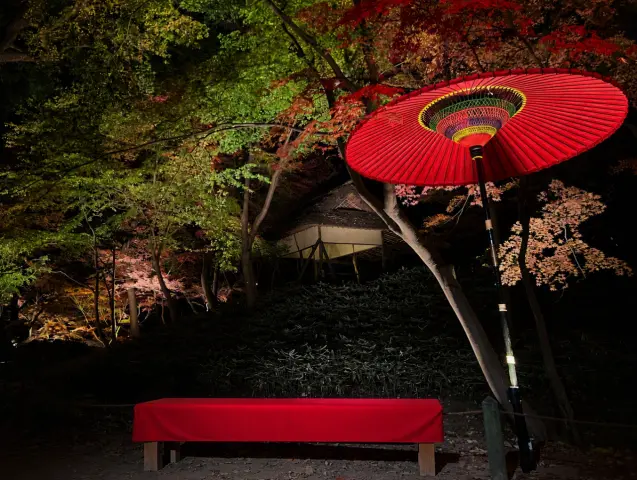
Tokyo’s metropolitan landscape will soon play host to one of the most anticipated seasonal spectacles of the Japanese autumn calendar. Rikugien Garden, a masterwork of Edo-period (1603–1868) landscape design situated in the heart of Bunkyo Ward, has officially confirmed its schedule for its highly sought-after autumn foliage nighttime illumination event. Running for an exclusive window of just under two weeks—from November 25 through December 6, 2026—the historic garden will reopen its gates each evening from 6:00 p.m. to 8:30 p.m., inviting visitors to experience its centuries-old maple and ginkgo trees bathed in theatrical, carefully curated lighting.
As one of Tokyo’s nine designated Metropolitan Gardens, Rikugien is celebrated for its meticulous embodiment of kaiyushiki—a traditional strolling garden style featuring a central pond, artificial hills, and interconnected pathways designed to unfold picturesque scenes progressively. While the garden commands significant tourist and local traffic year-round, its spring cherry blossom (sakura) season and autumn leaf-peeping (koyo) periods represent the pinnacle of its cultural and aesthetic appeal.
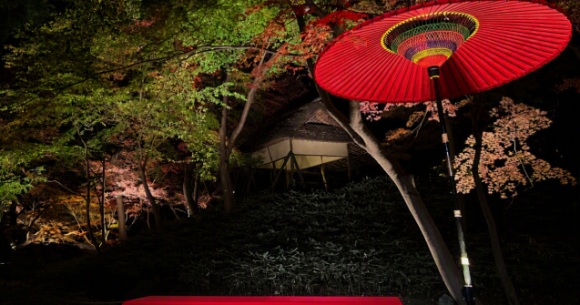
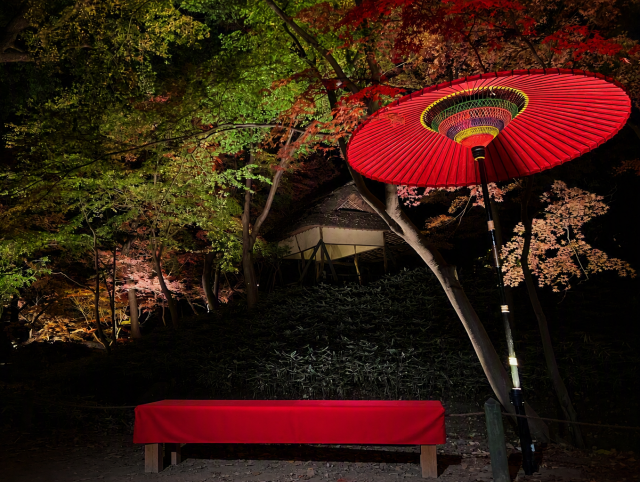
The 2026 iteration of the nighttime illumination promises to elevate this perennial favorite by introducing cutting-edge visual technology. Alongside traditional spotlighting that highlights the scarlet maples and the tranquil reflections upon the central pond, this year’s program debuts an immersive projection mapping installation nestled within the property’s historic bamboo grove. Combined with traditional teahouse experiences serving freshly whisked matcha and seasonal confections, the event bridges centuries of Japanese heritage with modern artistic expression.
With strict capacity controls, an abbreviated eleven-day schedule, and a tiered ticketing structure favoring advance online reservations, the event is positioned as a premier cultural destination for international travelers and local residents alike during the peak of Tokyo’s autumn transition.
Detailed Chronology: Navigating the 2026 Illumination Event
The operational framework of the Rikugien autumn illumination is structured to ensure crowd management and environmental preservation while maximizing guest engagement. Understanding the day-to-day progression, operational hours, and phased site features is essential for those planning to attend.
Operational Schedule and Access Windows
Standard daytime operations at Rikugien Garden conclude daily at 5:00 p.m., at which point the grounds undergo a mandatory sweep and brief closure to transition the park for the evening program. Gates reopen promptly at 6:00 p.m. for ticket-holding evening visitors, with final entry permitted at 7:30 p.m. The event concludes strictly at 8:30 p.m.
Given the abbreviated eleven-day window, crowd density is expected to peak during weekend slots (November 28–29 and December 5–6) as well as the twilight hours immediately following the 6:00 p.m. reopening. Visitors are advised to secure entry passes well in advance to avoid capacity lockouts.
The Strolling Route and Key Visual Installations
Upon entering through the main gates, guests step into a living canvas constructed originally in the late 17th century by Yanagisawa Yoshiyasu, a high-ranking retainer to Shogun Tokugawa Tsunayoshi. The garden’s design was heavily inspired by the classical poetry of the Kokin Wakashu, translating physical topography into poetic landscapes.
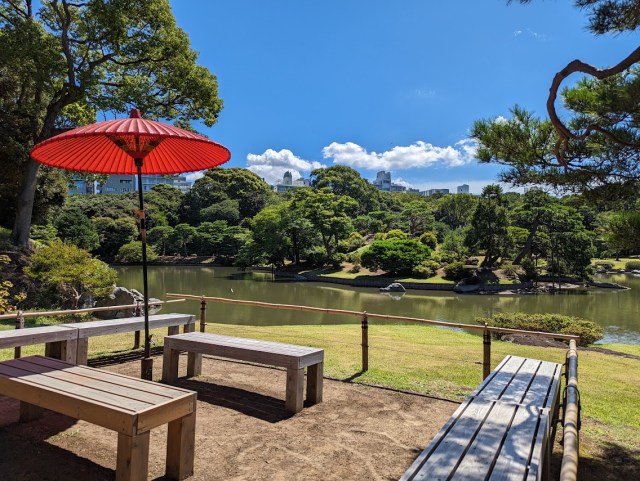
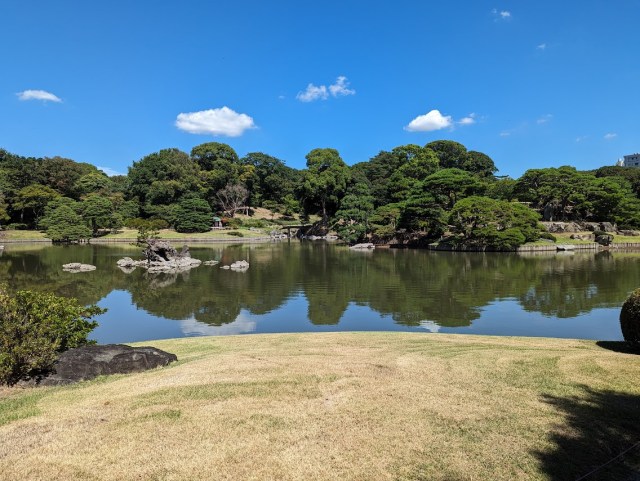
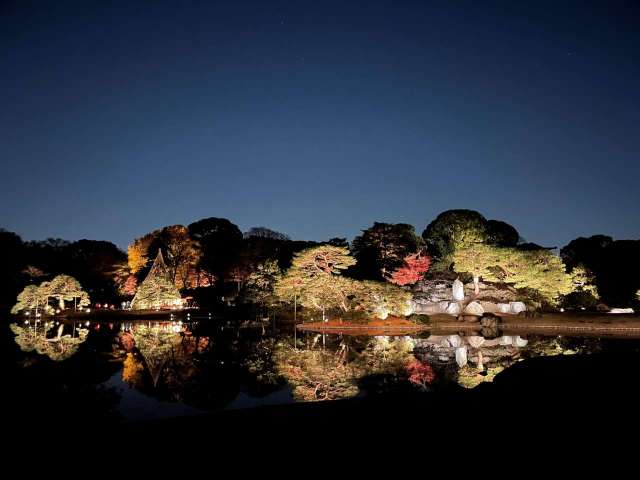
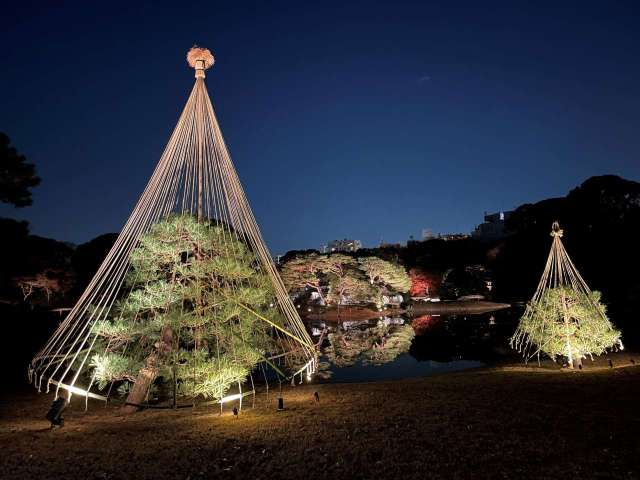
- The Central Pond and Island Illumination: The centerpiece of the evening itinerary is the expansive Sensui pond. Specialized upward and diffused lighting traces the architectural contours of the surrounding Japanese maples (momiji), casting fiery reds, burnt oranges, and deep ambers across the dark water’s surface. Small islets dotting the pond are illuminated to create depth and perspective, drawing the eye across the historic landscape.
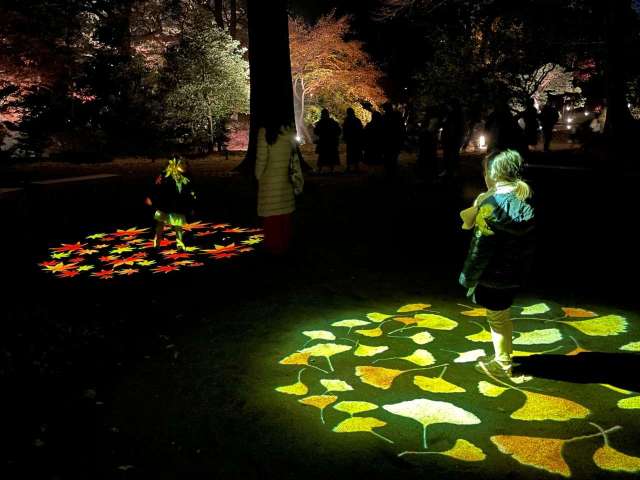
- The Bamboo Grove Projection Mapping (New for 2026): Marking a significant departure from purely static lighting designs, this year’s exhibition features a newly engineered projection mapping attraction. Located within the dense bamboo grove near the park’s former storehouse, the installation projects dynamic, flowing light patterns onto the soaring green stalks, creating a surreal dialogue between organic architecture and digital art.
- Curated Photography Outposts: Recognizing the immense popularity of mobile and professional photography during the event, park administrators have designated specific viewing platforms and composition zones. These areas offer unobstructed sightlines of the illuminated bridges, lantern-lit stone paths, and mirrored reflections on the pond, serving as focal points for commemorative visitor portraits.
Culinary Interludes: Teahouses and Pop-Up Markets
Walking the vast, undulating terrain of Rikugien can quickly tire even the most enthusiastic traveler. To counter this, the garden’s historic teahouses remain operational during evening hours, offering an authentic taste of Japanese hospitality (omotenashi).
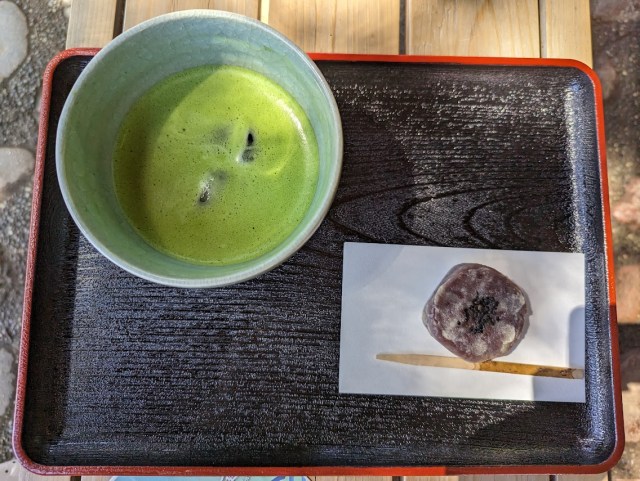
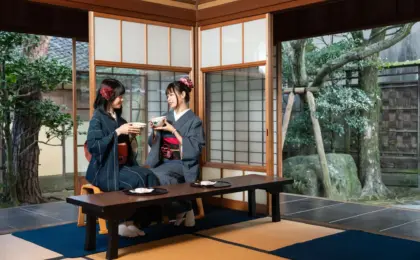
- Fukiage Chaya and Shinsentei Teahouses: Situated along the waterfront and quiet woodland paths, these traditional structures offer guests a chance to rest their feet while partaking in a bowl of frothy, bitter matcha paired with wagashi—artfully crafted traditional Japanese confections designed to reflect the seasonal transition. The visual experience of sipping tea while gazing out at illuminated foliage through open wooden lintels is widely regarded as a highlight of the evening.
- Ginkatei Food Village: For those seeking more substantial fare or warm beverages, a dedicated collection of food trucks and pop-up stalls will operate near the Ginkatei site for the duration of the event. These vendors offer a rotating selection of light Japanese snacks and warm drinks suited to the crisp late-November and early-December evening temperatures in Tokyo.
Supporting Context & Metrics: History, Geography, and Economic Impact
Historical Lineage and Architectural Significance
Rikugien—whose name translates literally to "Six Poems Garden"—derives its aesthetic philosophy from a classification of poetry originating in China and later adopted in Japan. Completed in 1702 after seven years of meticulous construction, the garden survived the turbulence of the Meiji Restoration, the Great Kanto Earthquake of 1923, and the incendiary bombings of World War II largely intact, eventually being designated a Special Place of Scenic Beauty by the Japanese government in 1953.
Spanning approximately 88,000 square meters, the park is an engineering marvel of its era. It features a massive man-made pond fed by the Tamagawa Aqueduct and excavated earth piled high to form artificial hills, such as Fujishiro-toge, which offers panoramic views of the entire estate from its elevated summit.
Accessibility and Location Infrastructure
Logistically, Rikugien represents one of the most accessible green spaces in the Tokyo Metropolis. Located in Bunkyo Ward (specifically at Honkomagome 6-16-3), the garden is situated a short walking distance from Komagome Station (served by the JR Yamanote Line and the Tokyo Metro Namboku Line). This direct connection to the Yamanote Line—Tokyo’s primary urban loop—places the garden within a 15-to-20-minute transit window from major hubs such as Shinjuku, Tokyo Station, and Ikebukuro.
Ticketing Structure and Economic Metrics
In an effort to streamline visitor processing and embrace digital infrastructure, the Tokyo Metropolitan Park Association has implemented a dual-tier pricing model for the 2026 event:
- Advance Online Tickets: Priced at 1,000 yen (approx. $6.39 USD), these tickets must be secured digitally via the official platform prior to the desired attendance date.
- Day-Of Tickets: Priced at 1,200 yen, these can be purchased either online or in person at the gate. However, in-person purchases are strictly cash only, and availability is subject to daily visitor caps.
- Children’s Policy: To encourage family attendance and educational exposure to classical garden design, admission for children in elementary school and younger is completely free.
Alignment with National Autumn Foliage Trends
The timing of the Rikugien event aligns precisely with Japan’s broader meteorological cycles. According to the recently published 2026 Japan Fall Color Forecast, urban centers in the Kanto region—including Tokyo—are projected to experience peak foliage vibrancy between late November and mid-December. This synchronization ensures that visitors attending the illumination event will witness the maples at the absolute zenith of their seasonal transformation, maximizing the visual impact of the night tour.
Official Statements and Institutional Perspectives
While specific commentary from individual landscape preservation officers emphasizes the delicate balance between public engagement and horticultural care, representatives of the Tokyo Metropolitan Park Association have framed the 2026 illumination as a vital cultural bridge.
"Rikugien is not merely a collection of trees and water; it is a preserved manuscript of Edo-period aesthetics," notes a spokesperson for the association. "By opening the gates after dark and introducing subtle, respectful enhancements like the bamboo grove projection mapping, we allow modern audiences to connect with the emotional resonance of nature in a way that artificial indoor venues simply cannot replicate. Our goal is to honor the historical dignity of the garden while offering a dynamic, memorable experience that resonates with contemporary travelers."
Furthermore, local tourism boards in Bunkyo Ward have lauded the event as a critical driver for evening economic activity. By extending visitor dwell times past conventional closing hours, surrounding neighborhood restaurants, small businesses, and boutique retailers report a measurable surge in patronage from tourists lingering in the area after exiting the garden gates.
Future Outlook: The Evolution of Tokyo’s Historic Green Spaces
The integration of advanced multimedia installations—such as the 2026 bamboo grove projection mapping—signals a broader operational evolution across Tokyo’s historic Metropolitan Gardens. As urban tourism intensifies and visitor demographics shift toward experiential and digital-first engagement, public park administrators are increasingly looking for sustainable ways to revitalize traditional heritage sites without compromising their historical integrity.
Industry analysts suggest that the success of short-duration, high-impact evening events like the Rikugien autumn illumination will serve as a blueprint for future seasonal programming across Japan’s state-managed gardens. By combining strict capacity controls with targeted technological upgrades, institutions can protect fragile root systems and historical stone structures while generating the revenue necessary for ongoing maintenance and preservation.
For travelers planning trips to Japan in the late autumn of 2026, Rikugien offers an unmissable intersection of history, horticulture, and contemporary illumination art. With its limited eleven-day run, prospective attendees are strongly encouraged to secure advance online passes promptly to guarantee access to one of Tokyo’s most enchanting nocturnal traditions.
Event Summary & Quick Facts
- Event Rikugien Fall Foliage Nighttime Special Appreciation (六義園 庭園夜間観賞)
- Address: 6-16-3 Honkomagome, Bunkyo-ku, Tokyo 113-0021
- Dates: November 25 – December 6, 2026 (11-day exclusive window)
- Hours: 6:00 p.m. – 8:30 p.m. (Last entry at 7:30 p.m.; daytime hours end at 5:00 p.m.)
- Admission Fees:
- Advance Online Tickets: 1,000 yen (~$6.39 USD)
- Day-of Tickets (Online or In-Person): 1,200 yen (In-person purchases are cash-only)
- Children (Elementary school and younger): Free
- Nearest Station: Komagome Station (JR Yamanote Line / Tokyo Metro Namboku Line)
- Official Website: Tokyo Metropolitan Park Association – Rikugien Portal







Belum ada komentar. Jadilah yang pertama berkomentar!