

Executive Overview
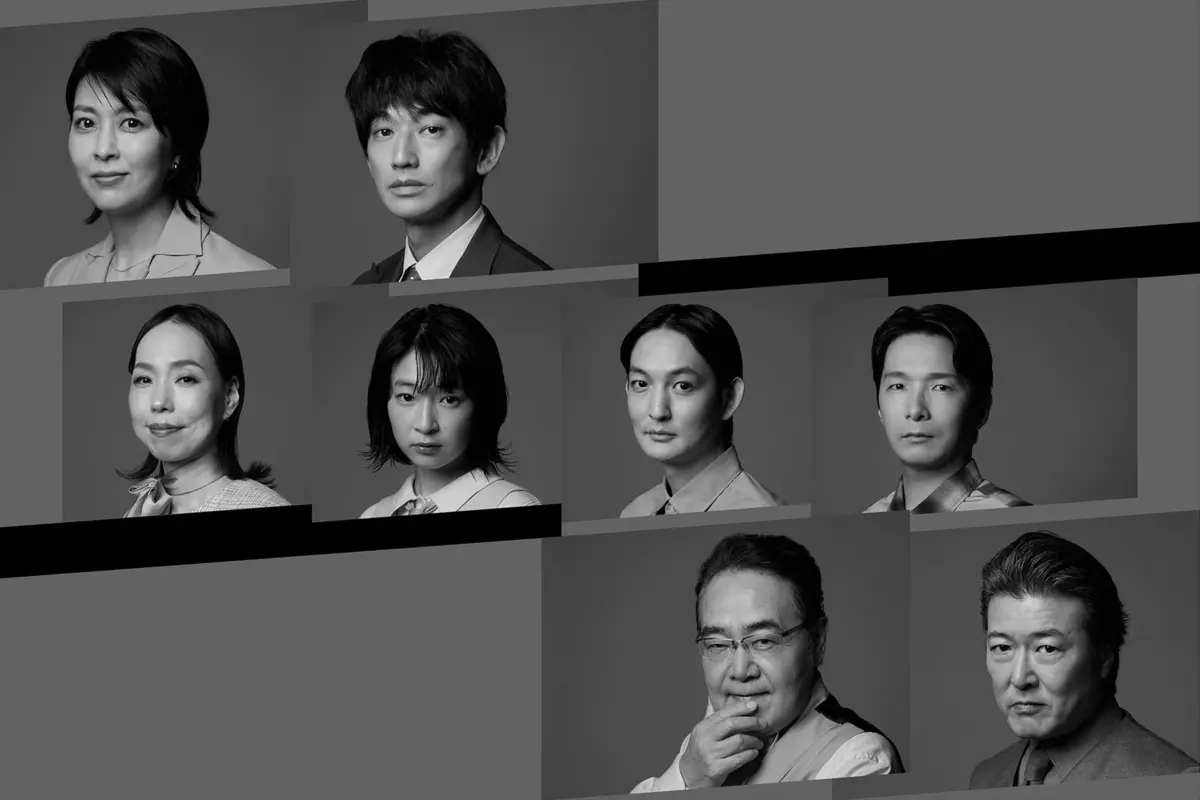
The contemporary theatrical landscape is an ecosystem defined by rapid evolution, shifting audience expectations, and a perpetual tension between avant-garde structural experimentation and deeply human psychological narratives. Within this dynamic milieu, PARCO PRODUCE has consistently maintained a reputation as a vanguard of innovative stagecraft. Continuing this distinguished tradition, the announcement of the upcoming 2026 production, provisionally titled “Zurakaru” (translated conceptually as “To Slip Away” or “Evading the Standard”), signals a major milestone for Japanese contemporary theatre.
Scheduled to run from December 6 through December 28, 2026, at the prestigious PARCO Theater, this production brings together an elite creative team and a constellation of luminary performers. The project is designed to challenge normative conventions, dismantle conventional narrative structures, and offer audiences a visceral, highly intellectual meditation on modern identity, social displacement, and existential evasion.
Following the initial public disclosure on October 17, 2026, ticket sales have generated unprecedented anticipation across Tokyo’s cultural sectors. The production is slated to tour major metropolitan hubs—including Osaka, Fukuoka, and Hiroshima—throughout January 2027, solidifying its status as a nationwide cultural phenomenon. This comprehensive report provides an exhaustive examination of the production, detailing its thematic underpinnings, artistic lineage, creative methodologies, and the broader socio-cultural implications of its impending run.
Detailed Chronology and Tour Itinerary
The lifecycle of Zurakaru represents a meticulously orchestrated campaign by PARCO PRODUCE to maximize audience engagement while maintaining the highest artistic standards of theatrical integrity.
Phase 1: Announcement and Initial Publicity
- October 17, 2026: The official press release and initial teaser campaign went live across major digital channels, igniting intense speculation within theatre criticism circles and fan communities alike. The release established the baseline narrative framework and introduced the core creative leadership.
- Late October to November 2026: Exclusive cast interviews, promotional photo shoots, and behind-the-scenes glimpses into the early table reads were systematically rolled out to build sustained momentum leading up to the primary ticket release windows.
Phase 2: Tokyo Engagement (PARCO Theater)
- December 6, 2026 (Opening Night): The world premiere of Zurakaru at the iconic PARCO Theater in Shibuya, Tokyo. This initial run constitutes the critical proving ground for the production, where the complex spatial designs and multi-layered narrative arcs will first meet a live audience.
- December 6 – December 28, 2026: A rigorous three-week Tokyo residency featuring evening performances and weekend matinees. Given the expected demand, industry analysts project near-constant sell-out conditions for this primary window.
Phase 3: Nationwide Tour (January 2027)
Following its flagship run in the capital, Zurakaru will embark on an extensive regional tour to bring its complex vision to audiences across Japan:
- Osaka Engagement: Early January 2027. Known for its discerning theatre-going public, the Osaka leg will test the production’s resonance outside the Tokyo intellectual bubble.
- Fukuoka Engagement: Mid-January 2027. Serving as the gateway to Kyushu, this stop highlights PARCO’s commitment to decentralizing high-tier theatrical productions.
- Hiroshima Engagement: Late January 2027. The final leg of the tour will conclude with powerful performances in Hiroshima, providing a resonant historical backdrop to a play deeply concerned with existential displacement and memory.
Storyline and Thematic Architecture
At its core, Zurakaru investigates the quiet desperation of individuals who find themselves out of step with societal rhythms. The narrative centers on a protagonist—played by an acclaimed, highly decorated stage veteran—who makes a sudden, inexplicable decision to walk away from a stable, highly predictable life. Rather than framing this departure as a heroic act of liberation or a melodramatic breakdown, the script explores the quiet, mundane, and often absurd consequences of self-imposed exile.
The Anatomy of Flight
The narrative structure defies linear progression. Instead, it utilizes a fragmented, stream-of-consciousness framework that mirrors the psychological state of a protagonist attempting to outrun their own shadow. The setting is deliberately ambiguous: a liminal space that shifts between urban claustrophobia and vast, desolate landscapes. Through brilliant use of minimalist set design and expressionistic lighting, the production visualizes the internal fractures of characters who are physically present yet emotionally untethered.
Existential Inquiry and the Modern Condition
The play asks uncomfortable questions: What happens when an individual simply stops participating in the social contract? Is evasion a form of cowardice, or is it a necessary survival mechanism in an age of hyper-surveillance and relentless productivity?
The creative team has deliberately avoided neat resolutions. As the protagonist encounters a series of eccentric, morally ambiguous figures along their journey, the audience is forced to confront their own complicity in structures of expectation and conformity. The production treats alienation not as a clinical pathology, but as a deeply human, if erratic, attempt to reclaim autonomy in a world that commodifies time and attention.
Supporting Context and Metrics
To fully appreciate the magnitude of Zurakaru, one must examine the institutional weight of its producer, PARCO, and the economic and cultural indicators surrounding contemporary Japanese theatre.
The PARCO Theater Legacy
For decades, the PARCO Theater has functioned as a vital incubator for boundary-pushing, contemporary drama. Situated in the heart of Shibuya, it has consistently championed works that bridge the gap between commercial viability and avant-garde experimentation. Zurakaru fits comfortably into this storied lineage, echoing past productions that utilized star-studded casts to tackle unsettling, cerebral subject matter.
Production Scale and Economic Impact
While specific budget figures remain proprietary, industry benchmarks for a Tier-1 PARCO PRODUCE national tour indicate a substantial multi-million-dollar investment. This capital expenditure is reflected in every facet of the production:
- Cast & Crew: Featuring an ensemble of heavyweight stage actors alongside rising indie-film talent, the production successfully bridges generational divides in acting styles.
- Technical Infrastructure: The integration of cutting-edge projection mapping, synchronized acoustic design, and modular set engineering requires specialized technical crews working round-the-clock during the transition from Tokyo to the regional tour venues.
- Ticketing Dynamics: Advanced ticket sales indicate a demographic skew toward urban professionals aged 25–54, though strong institutional interest from university drama departments suggests a broad intergenerational appeal.
Official Statements and Artistic Vision
The creative collective behind Zurakaru has articulated a clear, uncompromising vision for the project through recent press statements.
The Director’s Perspective
The lead director emphasized the urgency of the script in today’s sociopolitical climate:
"We live in an era that demands constant legibility. Every action must be tracked, optimized, and justified. ‘Zurakaru’ is an exercise in illegibility. It is about the profound human need to disappear—to step off the grid not out of malice, but out of an overwhelming desire to rediscover the texture of silence. We are not offering answers; we are staging the friction between the self and the societal machine."
The Lead Cast Member’s Insights
The lead actor, reflecting on the arduous rehearsal process and the psychological depth of the role, noted:
"Portraying a character who actively unlinks themselves from reality is both terrifying and exhilarating. We spend our lives building identities, protecting reputations, and accumulating relationships. To peel all of that away on stage—night after night—requires a total vulnerability. This play does not comfort the audience; it holds up a mirror to the quiet exhaustion that so many of us carry home from the office every single day."
Furthermore, the production’s administrative producers have highlighted the logistical triumphs required to mount a touring production of this scale across four major cities within a compressed timeframe, praising the dedication of the technical staff who make the seamless transitions possible.
Future Outlook and Cultural Legacy
As the theatrical world looks toward the close of 2026 and the dawn of 2027, Zurakaru stands out as a defining artistic statement of the post-pandemic era. It addresses themes of isolation, burnout, and systemic disillusionment with a rare theatrical poeticism.
Long-Term Impact on Contemporary Theatre
Industry analysts predict that Zurakaru will influence stage design and narrative pacing for years to come. By successfully merging high-art philosophical inquiry with the broad emotional reach of mainstream theatre, PARCO PRODUCE has established a new benchmark for what commercial stage productions can achieve.
Final Takeaway
For theatre enthusiasts, culture critics, and anyone grappling with the complexities of modern existence, Zurakaru is more than just a seasonal ticket—it is an essential cultural event. As the curtain rises this December at the PARCO Theater, audiences will bear witness to a rare alchemy of text, performance, and design: a brave, beautiful exploration of what it means to leave everything behind, if only to find out who is left standing in the quiet that follows.




Belum ada komentar. Jadilah yang pertama berkomentar!