

Executive Overview
For a century, Jiyugaoka has stood as one of Tokyo’s most coveted residential and commercial districts—a neighborhood synonymous with chic boutiques, artisanal cafes, European-style promenades, and an unmistakable aura of upscale bohemian freedom. Yet, beneath its polished, modern aesthetic and bustling café culture lies a complex topography and a fascinating history that many casual visitors overlook.
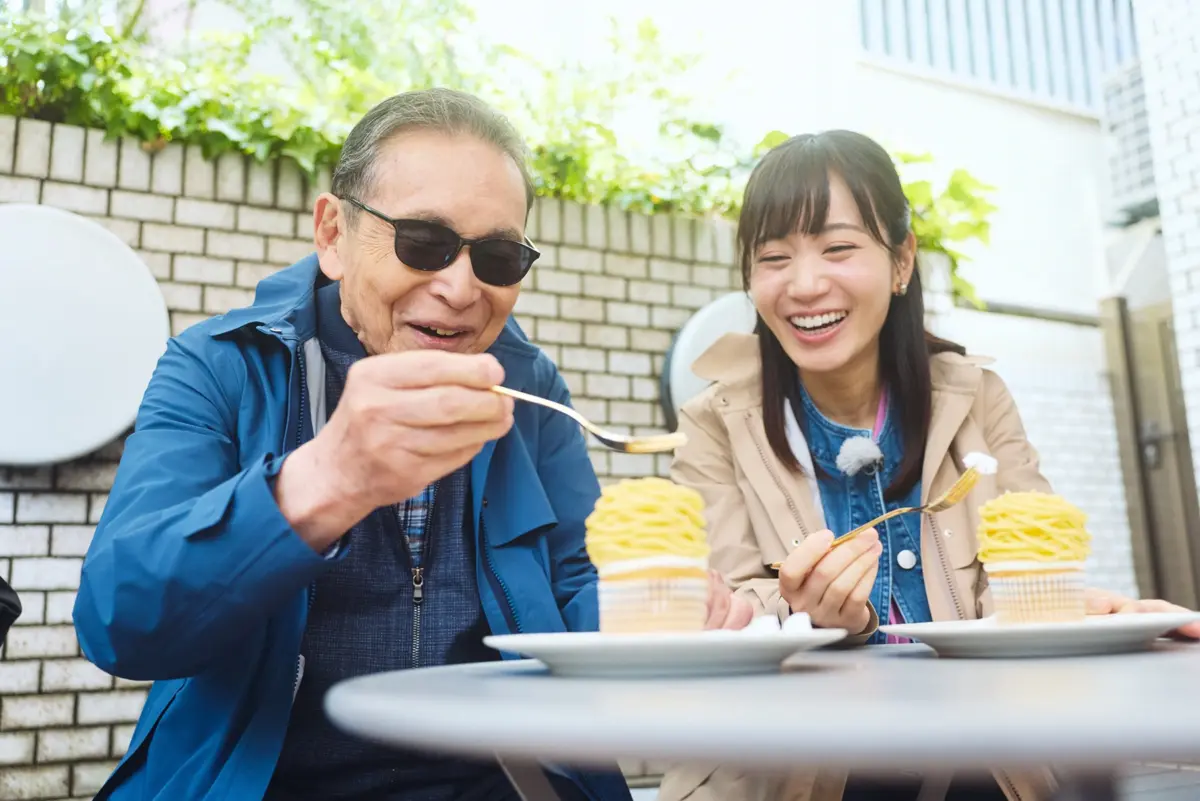
On September 12, at 19:30, NHK’s acclaimed cultural and geographical exploration program, Bura Tamori (produced by CINRA Editorial Department), turned its investigative lens toward this iconic Tokyo enclave. Marking the centenary of the neighborhood’s founding identity, the episode—titled "Jiyugaoka at 100: How ‘Ultra-Free’ Towns and Hillsides Reveal Their Secrets"—delved deep into the geographical, historical, and cultural anomalies that shaped Jiyugaoka into the trendsetting titan it is today.
This comprehensive report expands upon the broadcast’s key findings, exploring the centennial legacy of Jiyugaoka, the historical friction between strict urban planning and unbridled local autonomy, and the hidden topographical features that continue to define the district’s unique character.
Detailed Chronology: From Rural Farmland to the Birth of "Freedom Hill"
To understand Jiyugaoka’s current status as a beacon of modern lifestyle and design, one must trace its roots back through a century of radical transformation.
The Pre-Modern Era: Agricultural Roots and Quiet Valleys
Before the concept of "Jiyugaoka" (literally translated as "Freedom Hill") ever materialized, the area was a quiet, agrarian expanse composed of small farming villages. Characterized by winding streams, dense thickets, and rolling hillsides typical of the Musashino Plateau’s southern fringes, the land was primarily utilized for agriculture. Water management and terraced farming dictated the daily lives of the local inhabitants, leaving topographical scars that would later influence the area’s modern layout.
1927: The Catalyst of Educational and Urban Experimentation
The true genesis of Jiyugaoka’s identity began to take shape in the 1920s, with 2026 marking the official centennial milestone of this cultural awakening. The turning point arrived with the establishment of progressive educational institutions in the area, most notably the Jiyugaoka Gakuen, founded by visionary educator Seiichi Tezuka.
Tezuka championed a philosophy of independent thought, creativity, and personal freedom—values that directly contrasted with the rigid, state-mandated educational structures of pre-war Japan. The school’s ethos bled into the surrounding community, transforming the quiet hillside into a magnet for intellectuals, artists, and free-thinkers. Gradually, the local railway station and surrounding neighborhoods adopted the moniker "Jiyugaoka," cementing the ideal of freedom into the geographical nomenclature of Tokyo.
Post-War Boom and the Rise of European-Style Urbanism
Following the devastation of World War II, Jiyugaoka experienced a rapid economic and cultural rebirth. While other parts of Tokyo prioritized heavy industrialization or dense concrete rebuilding, Jiyugaoka leaned into its identity as a lifestyle district.
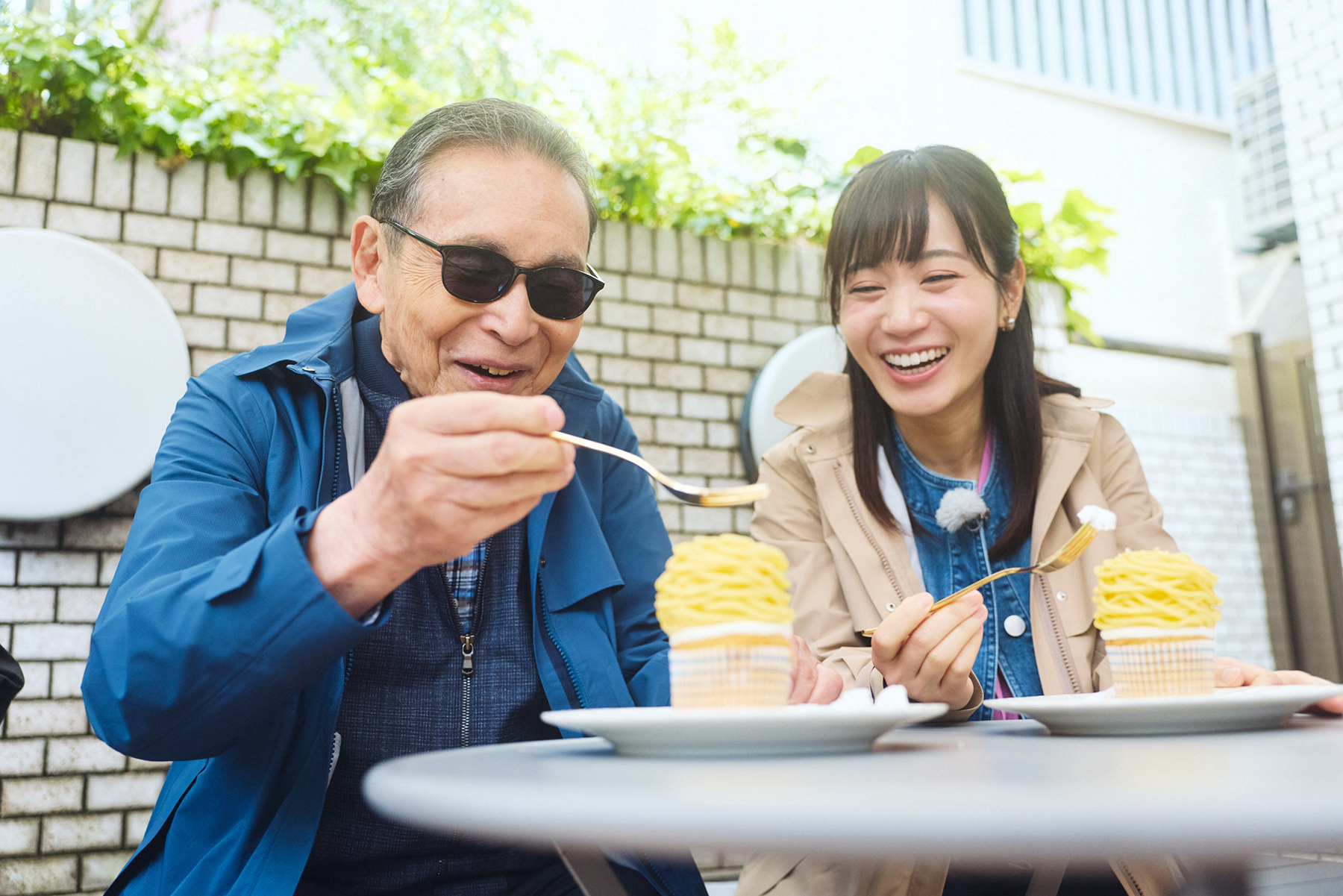
The mid-20th century saw the opening of unique specialty shops, western-style confectioneries, and open-air promenades built over the remnants of local waterways (such as the Kuhombutsu River greenway). This era birthed the pedestrian-first culture that distinguishes Jiyugaoka from adjacent commercial hubs like Shibuya or Shinjuku.
Topographical Mysteries: Decoding the "Ultra-Free" Hillsides
As explored in the Bura Tamori broadcast, Tamori—the show’s iconic host and an avid topography enthusiast—uncovered how Jiyugaoka’s physical landscape dictates its cultural freedom.
The Dichotomy of Hills and Valleys
Jiyugaoka’s geography is defined by a delicate interplay of elevated plateau edges and low-lying drainage basins. These dramatic shifts in elevation are not merely aesthetic; they are the result of ancient tectonic and hydrological processes that carved the Musashino terrace.
During the rapid urbanization of the mid-20th century, these natural boundaries forced urban planners and local landowners to get creative. Unlike the grid-like, monotonous expansion seen in other Tokyo suburbs, Jiyugaoka’s streets organically adapted to the contours of the terrain. Narrow alleys wind up sloping hills, suddenly opening into wide, sunlit plazas or hidden courtyards. This topographical unpredictability fostered an environment where independent shop owners could carve out niche spaces, protected from massive corporate redevelopment.
Waterways Turned Walkways
One of the most striking revelations of the centennial broadcast was the history of Jiyugaoka’s waterways. Many of the picturesque strolling paths that define the neighborhood today were once active irrigation channels and rivers. By covering these waterways rather than paving them over for vehicular traffic, urban developers inadvertently created pedestrian corridors. These greenways became the lifeblood of Jiyugaoka’s café culture, allowing outdoor dining and leisurely foot traffic to flourish decades before pedestrianization became a global urban design trend.
Supporting Context & Metrics: Jiyugaoka at 100
To contextualize Jiyugaoka’s enduring appeal, modern urban metrics highlight its unique position within the Greater Tokyo Area:
- Commercial Independence: Unlike franchise-heavy station districts, over 60% of retail and dining establishments in core Jiyugaoka are independently owned and operated, preserving a bespoke commercial ecosystem.
- Pedestrian Footprint: The district boasts one of the highest pedestrian-to-vehicle street ratios in Meguro Ward, minimizing traffic congestion and encouraging slow-paced exploration.
- Demographic Shift: While historically known as an upscale residential zone for Tokyo’s cultural elite, Jiyugaoka has successfully attracted younger demographics through continuous culinary innovation and design-forward architecture, bridging its 100-year heritage with contemporary trends.
Official Insights & Program Highlights
The NHK broadcast brought together historical archives, expert commentary, and on-the-ground exploration to unpack the "Freedom Hill" phenomenon.
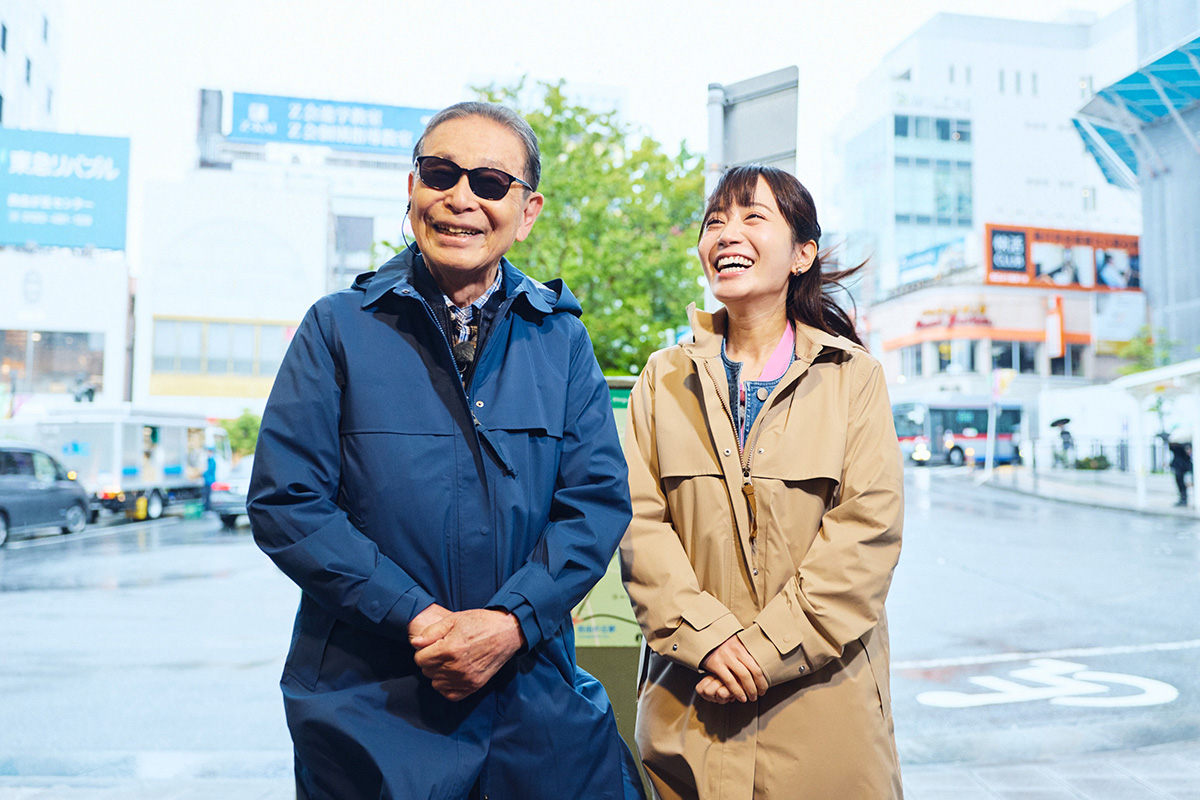
"Jiyugaoka is a living textbook of how geography and philosophy intertwine," noted the production team behind the broadcast. "When you walk these streets, you aren’t just shopping or dining; you are walking through a century-old experiment in personal autonomy, spatial creativity, and community resilience."
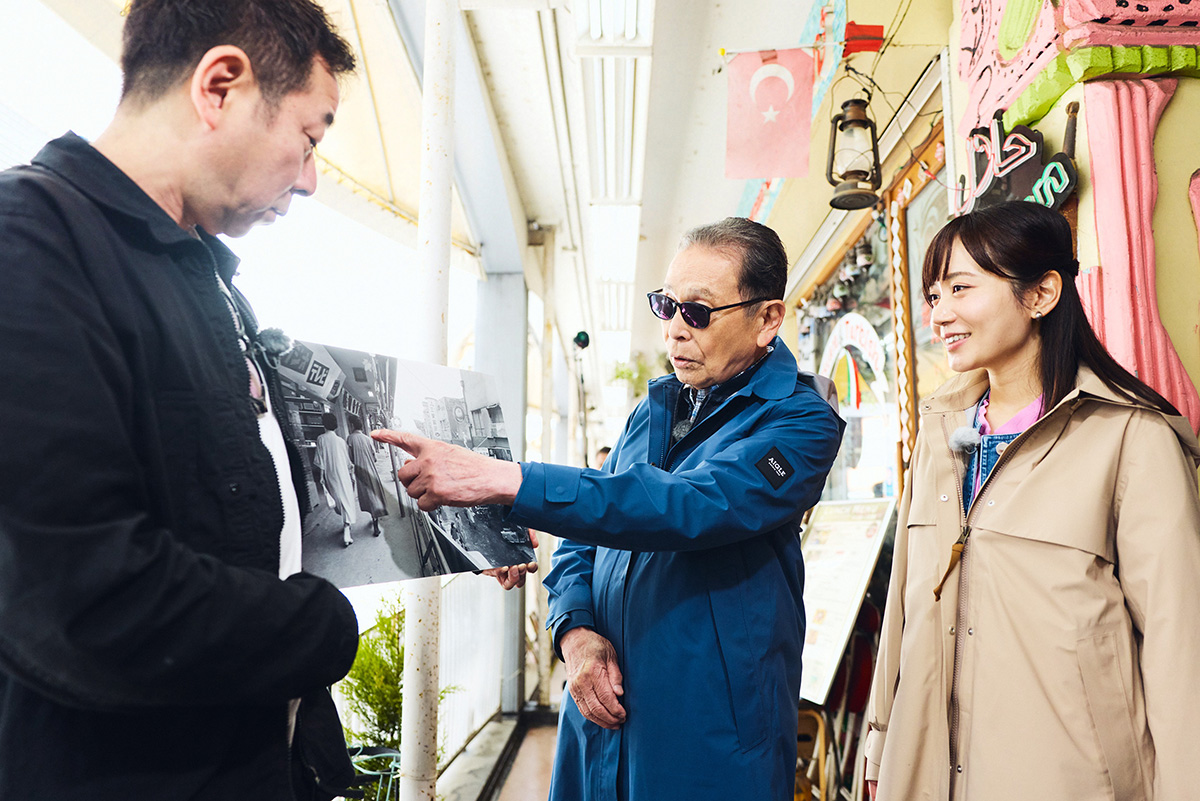
Viewers tuning into the September 12 special were treated to rare historical photographs from the 1920s and 30s, contrasting the quiet agrarian slopes of the past with the vibrant, multi-layered architectural landscape of modern Jiyugaoka. Architectural historians featured on the program emphasized that Jiyugaoka’s "ultra-free" atmosphere was never accidental—it was forged through deliberate resistance against standardized urban planning, championed by generations of local residents who valued individuality above uniformity.
Future Outlook: Preserving Freedom for the Next Century
As Jiyugaoka celebrates its centennial milestone in 2026, the district faces new challenges and opportunities. Rapid technological advancements, shifting consumer habits, and post-pandemic urban paradigms demand continuous adaptation.
However, the core ethos uncovered by Bura Tamori suggests that Jiyugaoka’s greatest asset remains its unyielding commitment to independence. Ongoing redevelopment projects around the station area are carefully balanced with preservation efforts to protect the winding alleys, historical greenways, and independent boutiques that give the neighborhood its soul.
For urban planners, historians, and everyday travelers alike, Jiyugaoka stands as proof that a town can honor its past while remaining radically open to the future. As the next century unfolds, the secrets of the hill will continue to inspire those willing to look beneath the surface and wander off the beaten path.





Belum ada komentar. Jadilah yang pertama berkomentar!