

Executive Overview
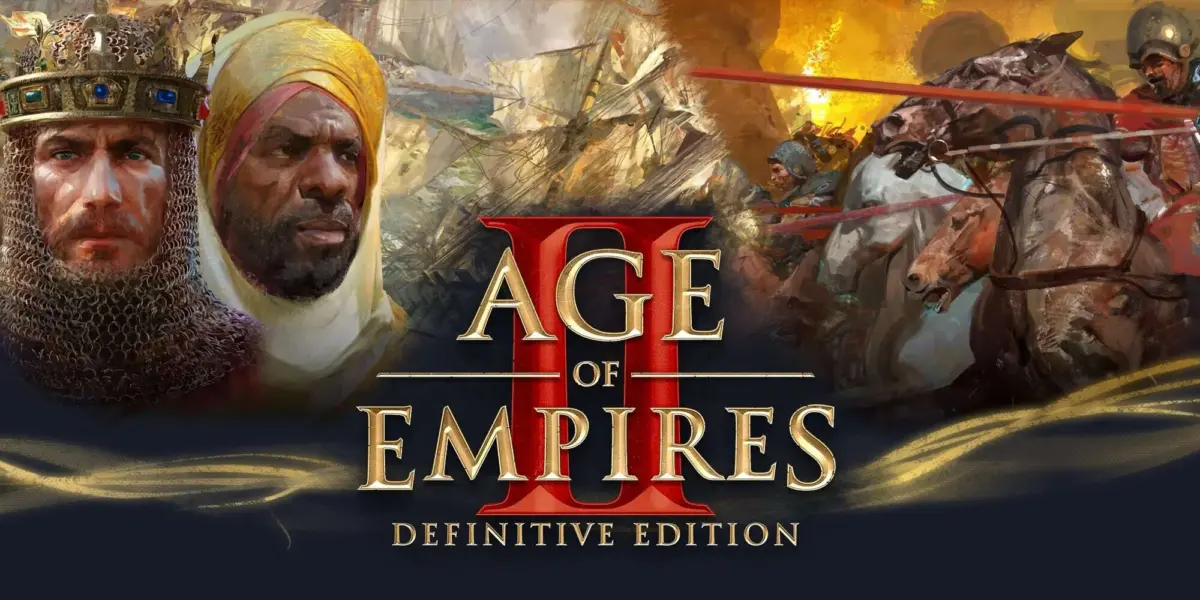
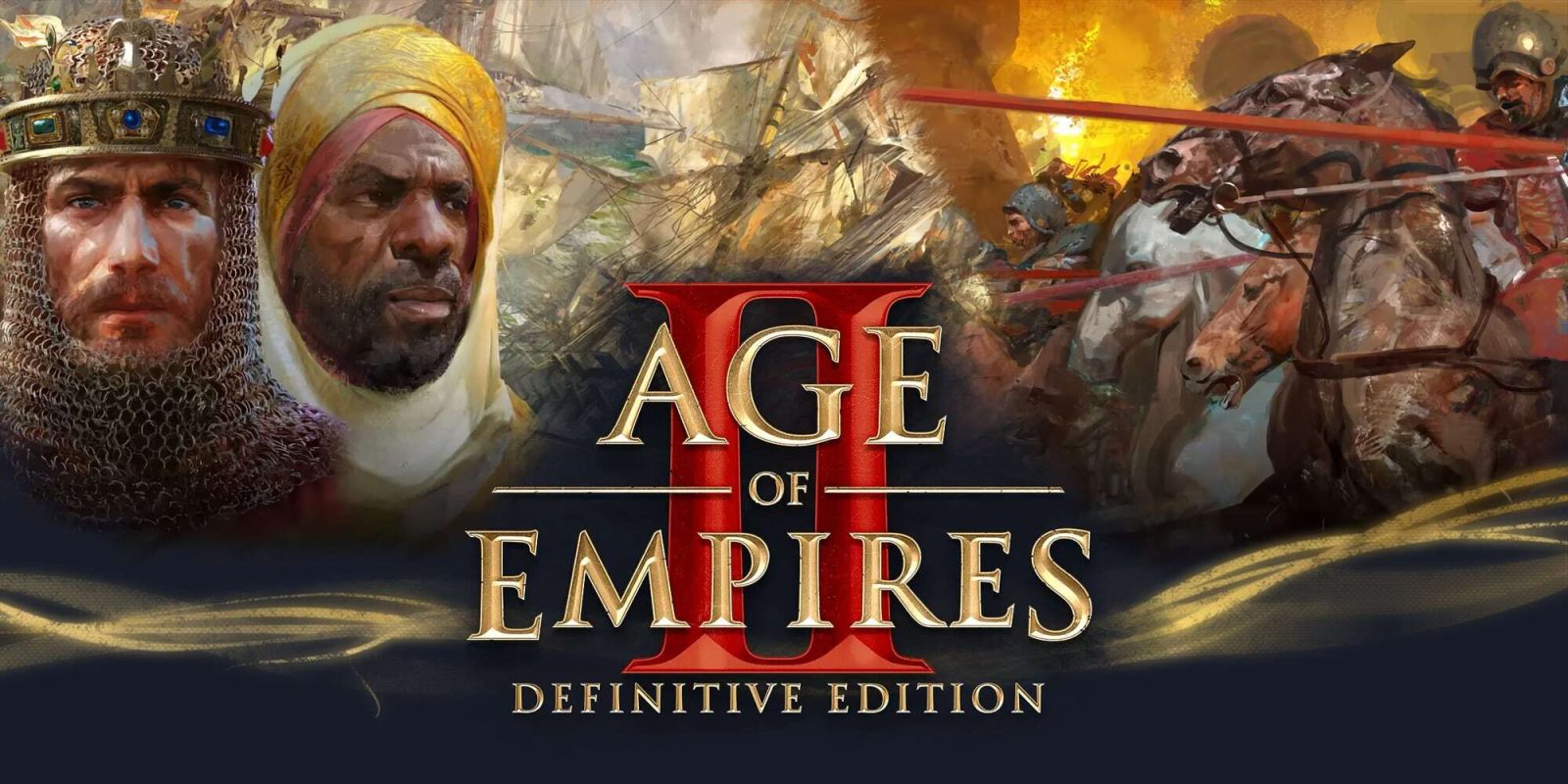
Apple’s multi-year campaign to transform the Mac into a viable, high-performance gaming platform has achieved another major milestone. Microsoft and the Age of Empires development team have officially announced that Age of Empires II: Definitive Edition is coming to macOS on Thursday, May 28.
For decades, the legendary real-time strategy (RTS) franchise was considered a stronghold for Windows PC users, leaving Mac enthusiasts reliant on emulation software, virtual machines, or third-party compatibility layers to experience historical warfare on Apple hardware. This upcoming native release signals a profound shift. By bringing one of the most celebrated and enduring entries in strategy gaming history directly to macOS, Microsoft and Apple are underscoring the growing graphical horsepower and architectural capability of Apple Silicon chips (M1, M2, M3, M4, and beyond).
The game will debut first on Steam on May 28, with a subsequent release on the Mac App Store slated for later in the year. Offering razor-sharp 4K visuals, a fully remastered soundtrack, and an expansive suite of baseline expansions, the macOS port represents a comprehensive, uncompromised version of the definitive PC experience. As Apple continues to court major AAA developers and porting studios alike, the arrival of Age of Empires II serves as a case study in how timeless classics can find new life—and entirely new audiences—within the Apple ecosystem.
Detailed Chronology: A Quarter-Century Journey to the Mac
To fully appreciate the significance of a native Age of Empires II release on macOS, it is essential to trace the historical relationship between the franchise, Apple hardware, and the broader evolution of desktop gaming.
1999–2010s: The Great Divide
When Ensemble Studios and Microsoft Game Studios originally released Age of Empires II: The Age of Kings in 1999, the personal computing landscape was starkly divided. While Mac ports of major games did occasionally materialize through dedicated third-party publishers like MacSoft, the vast majority of PC strategy titles bypassed macOS entirely. Although a localized Mac port of the original Age of Empires did exist in the early 2000s, Age of Empires II remained fundamentally tethered to the Windows environment for generations of players. For Mac users, enjoying the game meant running Boot Camp on Intel-based Macs or relying on complex Windows emulators—solutions that were far from ideal for fast-paced, resource-intensive RTS matches.
2019: The Definitive Renaissance
Recognizing the enduring legacy of their crown jewel, Microsoft launched Age of Empires II: Definitive Edition in November 2019 to celebrate the 20th anniversary of the franchise. This was not merely a simple texture upscale; it was a comprehensive reconstruction featuring:
- Completely overhauled 4K Ultra HD graphics.
- A fully re-recorded and remastered orchestral soundtrack.
- New civilizations, campaigns, and modern quality-of-life improvements (such as automatic farm reseeding, expanded queue limits, and spectator modes).
- Dedicated matchmaking servers via Xbox Live integration.
While this definitive edition revitalized the competitive and casual community on Windows PCs and later expanded to Xbox consoles, macOS users were once again left watching from the sidelines.
2026: The macOS Breakthrough
The announcement that Age of Empires II: Definitive Edition is finally heading to macOS marks the culmination of years of platform-level improvements by Apple. Driven by the transition to Apple Silicon, the introduction of the Game Porting Toolkit, and concerted outreach to major publishers, Apple has systematically removed the technical hurdles that historically discouraged developers from porting complex, CPU-heavy strategy games to macOS. The May 28 launch on Steam represents a watershed moment: a premier, cross-play-capable RTS title running natively on modern Mac hardware.
Supporting Context & Metrics: The State of Mac Gaming
The arrival of Age of Empires II: Definitive Edition does not happen in a vacuum. It is part of an aggressive, calculated push by Apple to reestablish the Mac as a serious gaming destination.
Breaking the Porting Barrier
Historically, developers cited several core barriers when evaluating macOS as a target platform:
- Graphics API Fragmentation: For years, Apple’s reliance on its proprietary Metal API—while highly optimized for power efficiency—required a significant codebase rewrite for studios accustomed to DirectX or Vulkan.
- CPU/GPU Architecture: Before Apple Silicon, the thermal constraints and integrated graphics of standard Mac laptops made running modern 3D games a stuttering, overheating affair.
- Market Share Realities: Windows dominated the desktop gaming market share, leading publishers to allocate their QA and porting budgets elsewhere.
Apple Silicon has systematically dismantled these physical and architectural barriers. Unified memory architecture, phenomenal performance-per-watt metrics, and powerful hardware-accelerated ray tracing have turned MacBooks, iMacs, and Mac Studios into remarkably capable gaming rigs.
Recent Wins and the Day-One Shift
This technical renaissance has yielded tangible results. Earlier this year, the industry took notice when Crimson Desert launched on macOS on the exact same day as its multi-platform console and PC releases—a nearly unprecedented feat for a high-budget AAA action-RPG on the Mac.
While Age of Empires II: Definitive Edition is following a more traditional staggered release pattern—arriving on macOS years after its initial PC debut—it demonstrates that older, evergreen titles with massive, dedicated communities are finding commercial viability on Apple hardware. Publishers are realizing that Mac owners represent an affluent, under-served demographic willing to purchase deep, engaging strategy and simulation titles.
Official Statements and Content Breakdown
According to the official press release from the development team, the macOS version of Age of Empires II: Definitive Edition will arrive fully featured, putting to rest fears that Mac users would receive a stripped-down or delayed content build.
"Age of Empires II: Definitive Edition comes complete with razor-sharp 4K visuals, a fully remastered soundtrack, and includes three expansions with the base game: Lords of the West, Dynasties of India, and Dawn of the Dukes. Newcomers to the series and returning veterans alike can look forward to all the fast-paced base-building and warfare that made this game a classic, given new life over two decades of refinement and additional content."
Day-One Expansions and DLC Ecosystem
Players diving into the macOS version on May 28 will not only receive the base game and its foundational trilogy of expansions (Lords of the West, Dynasties of India, and Dawn of the Dukes), but they will also gain immediate access to the game’s sprawling, continuously updated DLC catalog.

The press release highlights the sheer breadth of content available from day one:
- Return of Rome: A unique expansion that transplants the mechanics, civilizations, and nostalgic experience of the original 1999 Age of Empires into the modern, refined engine of Age of Empires II.
- The Last Chieftains: The recently released expansion exploring the complex, tactical medieval societies of South America, adding fresh campaigns, unique units, and intricate tech trees to master.
This robust rollout ensures that Mac players will be able to immediately join multiplayer lobbies, participate in ranked ladders, and experience the full depth of contemporary Age of Empires II meta-play without artificial content gates.
Future Outlook: What This Means for Mac Gaming
The launch of Age of Empires II: Definitive Edition on macOS is much more than a nostalgic trip for strategy fans—it is a bellwether for the future of the platform.
The Appeal of Strategy and Management Genres
Real-time strategy games, 4X grand strategy titles, and city-builders are uniquely suited to the Mac ecosystem. Historically, many creative professionals, writers, and software developers—demographics that heavily skew toward Mac ownership—have also been passionate fans of cerebral, strategic PC gaming. Titles like Civilization, Total War, and Cities: Skylines have long maintained passionate followings on macOS. By adding Age of Empires II to this roster, Apple secures a foundational pillar of the PC strategy genre.
What Lies Ahead for Apple’s Gaming Ecosystem
As developers continue to master Apple’s Metal API and leverage the translation tools provided by Apple’s Game Porting Toolkit, the friction of bringing complex PC architectures to macOS continues to drop.
Industry observers will be watching closely to see how the Mac App Store release later this year performs compared to the initial Steam launch. Steam remains the undisputed heavyweight champion of PC and Mac digital distribution, offering robust community features, cloud saves, and workshop support. However, a successful follow-up on the Mac App Store could pave the way for broader mainstream consumer adoption outside traditional gaming circles.
Join the Conversation
The landscape of Mac gaming is evolving at a pace not seen in decades. Are you planning to build your empire on a Mac? Do you prefer the precision of a mouse and keyboard on your MacBook Pro or Mac Studio, and how do you feel about the current trajectory of macOS as a gaming platform? Sound off in the comments below and let your voice be heard in the ongoing evolution of desktop gaming.









Belum ada komentar. Jadilah yang pertama berkomentar!