

Executive Overview
In the ever-evolving landscape of global fast-food franchising, localized adaptation is a critical strategy for market penetration. However, few multinational corporations manage to execute this adaptation with the stark architectural irony and visual boldness recently demonstrated by Burger King Japan. Situated along Route 16 in Noda City, Chiba Prefecture, the brand’s newest outlet has rapidly transcended its functional purpose as a commercial eatery to become a viral architectural phenomenon.
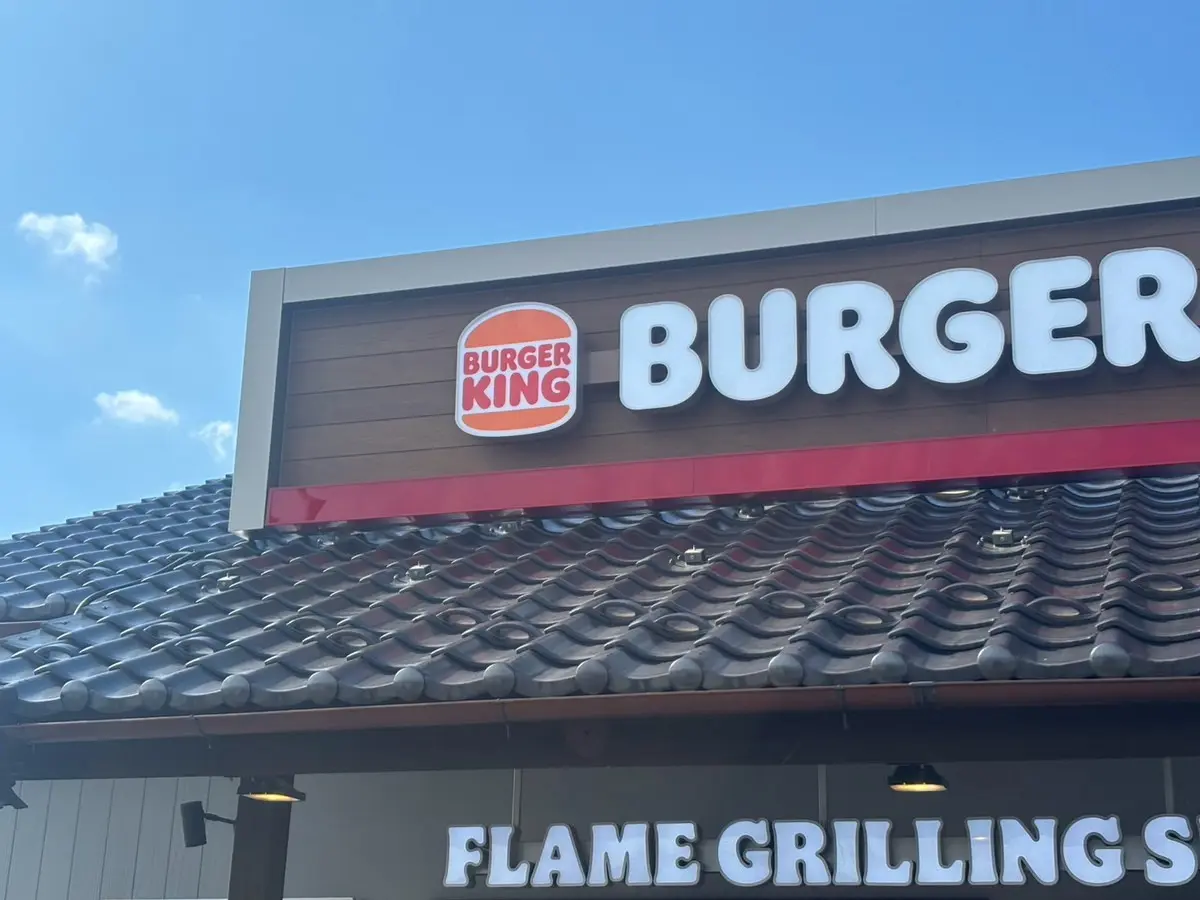
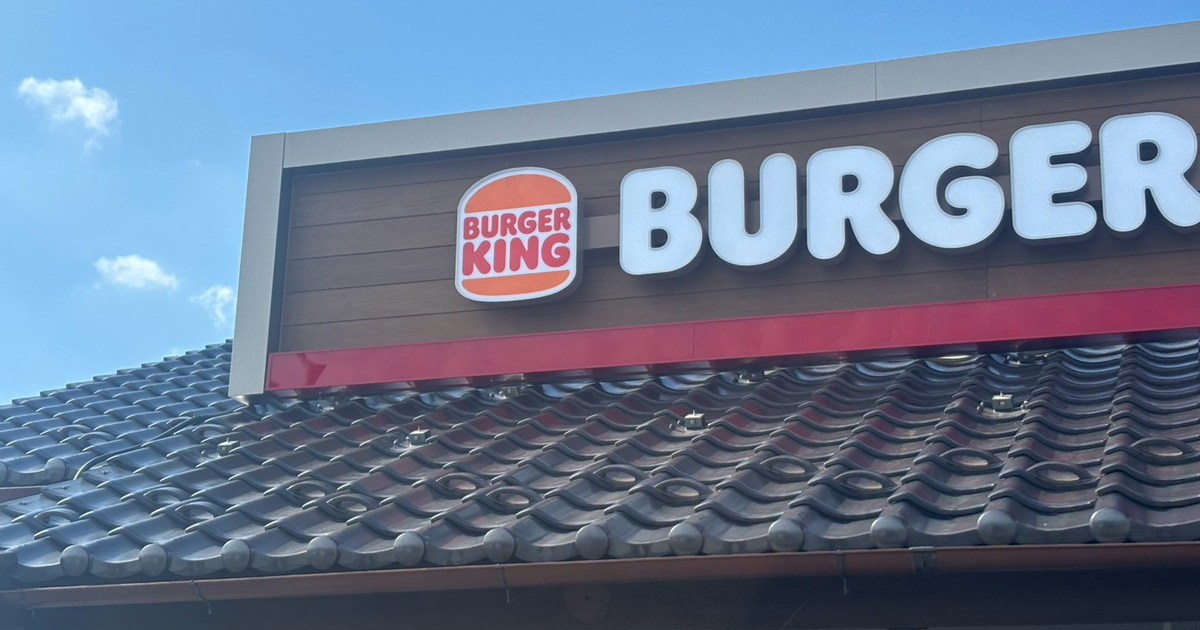
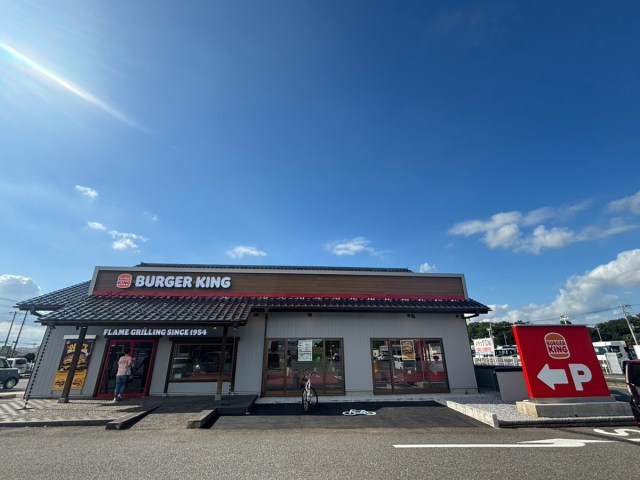
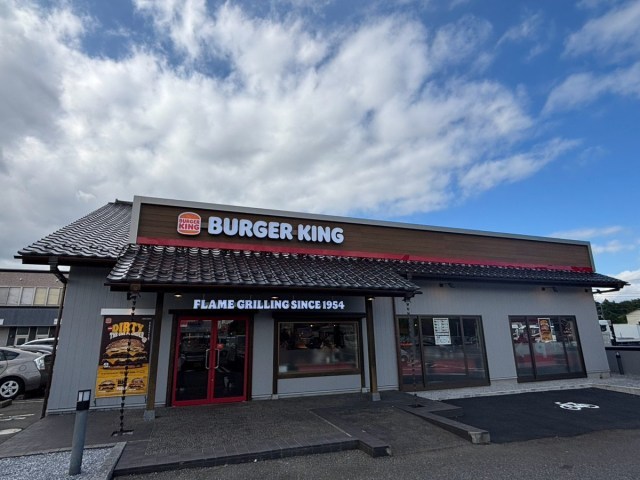
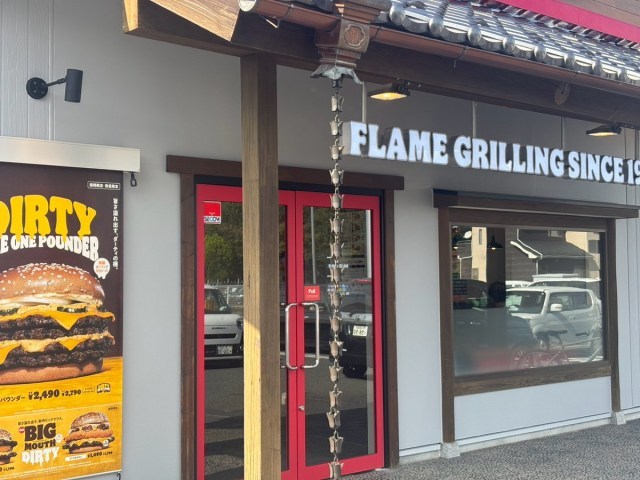
By taking over a structure formerly occupied by Aozora—a traditional tempura restaurant operated by the conveyor-belt sushi giant Sushiro—Burger King has birthed an unlikely hybrid: a classic American fast-food establishment encased within the shell of a classical Japanese estate. Unlike previous corporate efforts to blend international brands into historic Japanese landscapes, such as Starbucks’ discreetly integrated outposts in Kyoto, this Noda City branch refuses to compromise its loud, unapologetic Americana branding. The result is a surreal juxtaposition of tiled hip-and-gable roofing, intricate metallic rain chains (kusari doi), and a towering, illuminated Burger King marquee.
This report provides a comprehensive examination of the Noda City branch, exploring its architectural heritage, the consumer and digital response to its opening, its operational menu strategy, and the broader implications for commercial real estate adaptive reuse within the Japanese fast-food sector.
Detailed Chronology
The genesis of this unique architectural crossover can be traced through the commercial evolution of roadside real estate in Chiba Prefecture, culminating in its current status as a digital landmark.
Phase One: The Pre-Existing Estate and Culinary Heritage
Prior to the arrival of the flame-broiled Whopper, the property located at 112-6 Tsutsumine, Noda City, served as a dedicated Japanese dining establishment. Specifically, the structure housed Aozora, a specialized tempura restaurant chain owned and operated by Sushiro, one of Japan’s most prominent conveyor-belt sushi enterprises.
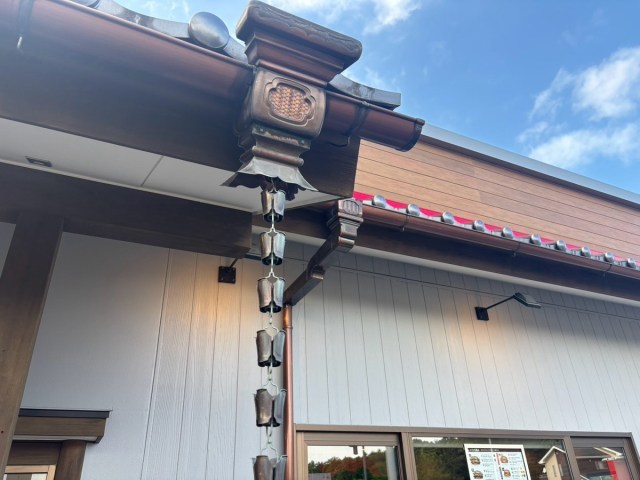
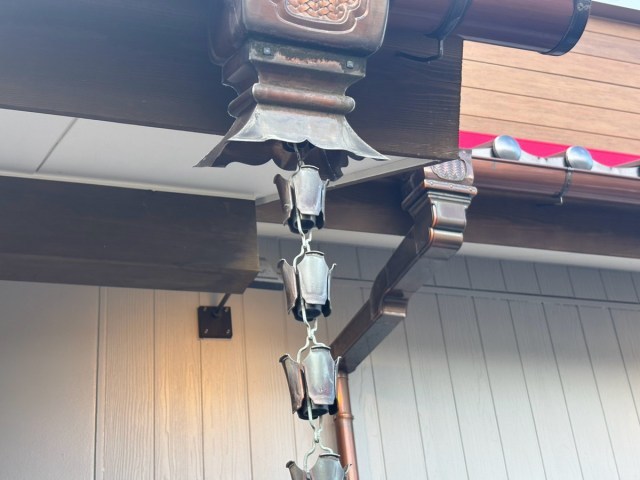
Designed to appeal to diners seeking a refined, traditional aesthetic, the building was constructed with distinct regional architectural cues. These included a sweeping, dark-tiled Japanese roofline designed to evoke the ambiance of a historic residence or high-end ryokan, precise woodwork along the exterior facade, and functional yet decorative architectural elements such as metallic rain chains framing the entryway. For years, the building functioned as a standard suburban dining destination, blending seamlessly into the suburban landscape of Chiba Prefecture.
Phase Two: Corporate Transition and Adaptive Reuse
When Aozora vacated the premises, the commercial real estate package presented a unique challenge and opportunity. In contemporary Japanese real estate, former restaurant spaces are frequently demolished to clear the way for standardized corporate box architecture—the ubiquitous, easily replicable single-story drive-thrus typical of multinational chains.
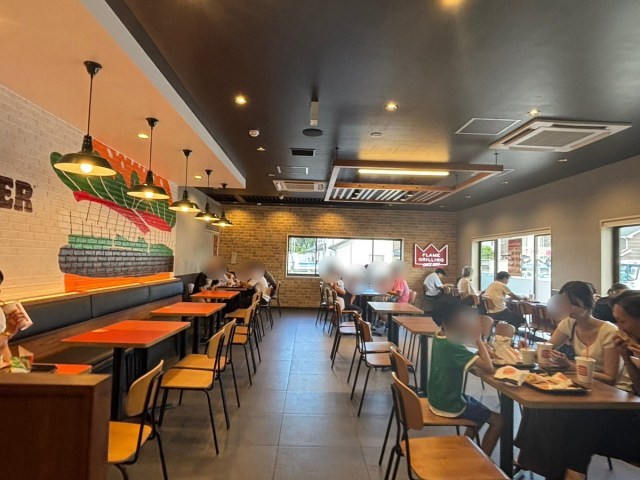
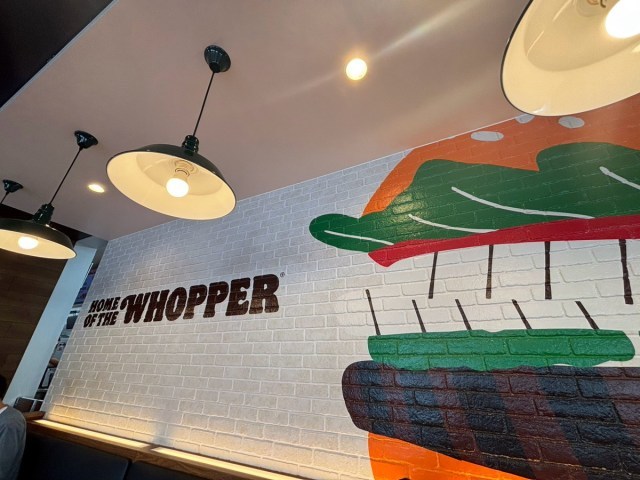
Instead of leveling the property, Burger King Japan opted for a strategy of adaptive reuse. Rather than commissioning a complete teardown, corporate developers chose to preserve the exterior shell of the former tempura house—retaining the structural integrity of the roof, the traditional facade elements, and the overall silhouette. Concurrently, the interior was subjected to a comprehensive gut-and-rebuild, transforming the partitioned, tatami-adjacent or counter-service layout of a traditional Japanese eatery into a modern, industrial-chic Western dining room characterized by exposed brick, warm wood paneling, and streamlined ordering kiosks.
Phase Three: The Grand Opening and Viral Explosion
The branch officially opened its doors to the public, operating daily from 9:00 AM to 9:00 PM. While initial foot traffic was expected to rely on local suburban commuters and motorists traveling along Route 16, the store’s visual dichotomy immediately captured the attention of internet users.
Within days of its debut, photographs of the storefront circulated widely across Japanese social media platforms, including X (formerly Twitter) and Instagram. Digital commentators fixated on the cognitive dissonance of seeing a glowing, modern Burger King logo perched atop a roof that otherwise belonged on a centuries-old temple or aristocratic residence. Automotive travelers began pulling off the highway not merely to purchase lunch, but to document the architectural oddity, establishing the location as an impromptu tourist attraction for fast-food enthusiasts and design bloggers alike.
Supporting Context & Metrics
To fully appreciate the significance of the Noda City opening, one must examine the operational philosophy of Burger King Japan relative to its competitors, as well as the specific geographic and cultural footprint of the new location.
Competitive Strategy in the Japanese Market
Burger King holds a distinct market position in Japan compared to its dominant American rival, McDonald’s. While McDonald’s operates with ubiquitous market saturation and standardized, universally recognizable box-store architecture, Burger King Japan has cultivated an identity defined by calculated irreverence, large-format menu challenges (such as the periodic return of its legendary "All-You-Can-Eat One Pounder" challenges), and unconventional product offerings ranging from oversized multi-patty stacks to unadorned, standalone beef patties.
The Noda City branch serves as a physical manifestation of this corporate ethos. In the Japanese retail landscape, when multinational brands occupy traditional structures, they typically submit to strict urban planning and historical preservation codes. Notable examples include the famous Starbucks Coffee in Kyoto’s historic Ninenzaka district, where exterior signage is rendered in muted, dark wood tones, and interior configurations require customers to remove their shoes to sit on tatami mats.
Burger King’s approach in Chiba is the exact antithesis of this reverent localization. By refusing to tone down its high-contrast red, blue, and yellow branding—allowing the corporate logo to sit proudly and loudly atop a classical Japanese roof—the brand executes a satirical commentary on modern globalization. It honors the physical craftsmanship of traditional Japanese architecture while refusing to dilute its aggressively American commercial identity.
Architectural Anatomy of the Noda City Branch
A close inspection of the exterior and interior design elements reveals a meticulous, if paradoxical, execution:
- The Roofline and Signage: The building’s defining feature is its heavy, dark-tiled hip-and-gable roof. Perched directly above the entryway is a prominent, backlit Burger King corporate sign, creating an intentional visual clash between ancient aesthetic forms and contemporary corporate markers.
- The Rain Chain (Kusari Doi): Flanking the front doors are high-quality metallic rain chains. In traditional Japanese architecture, these chains replace conventional downspouts, guiding rainwater gracefully from the eaves to the ground in a manner designed to be both functional and aesthetically meditative. Their presence at a fast-food franchise highlights the building’s upscale tempura-restaurant lineage.
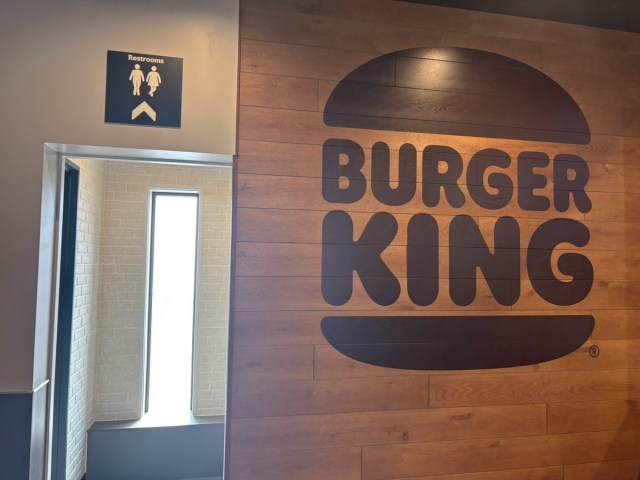
- Interior Panelling: Upon crossing the threshold, patrons transition instantaneously from feudal-era aesthetics to twenty-first-century fast-food comfort. The interior relies on a sophisticated mix of warm wood panels and textured brick cladding, establishing a distinctly Western, industrial-loft atmosphere that sharply contrasts with the exterior facade.
Culinary Offerings and Menu Performance
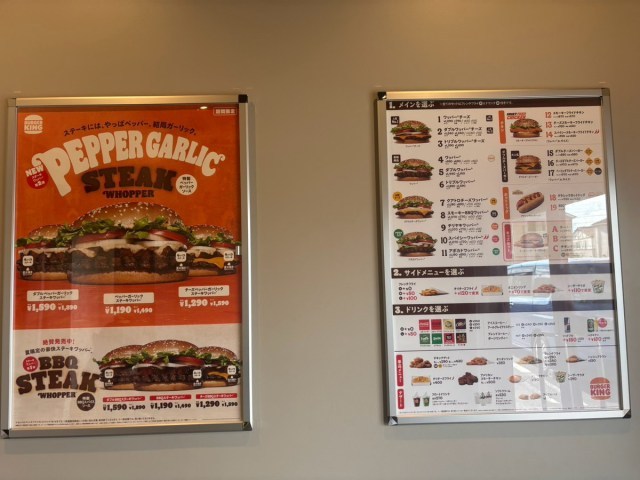
During review visits to the Noda City branch, culinary evaluations highlighted a menu that balances standard American fast-food staples with localized preferences.
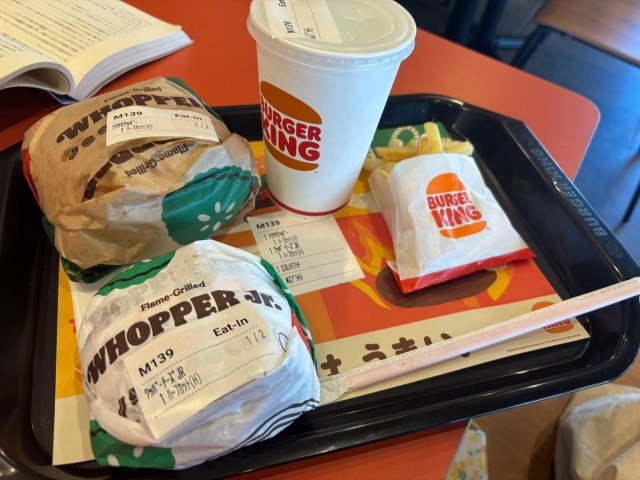
- The Teriyaki Whopper: Aligning with the traditional Japanese exterior, the Teriyaki Whopper delivers a sweet-and-savory flavor profile utilizing regional soy-based glazes fused with flame-broiled beef patties.
- The Whopper Cheese Jr.: Providing the traditional, unadulterated flavor profile of classic American fast-food burgers, appealing to purists seeking authentic international flavors.
- Operational Accommodations: Recognizing the sheer physical magnitude of Burger King’s signature large-format burgers (such as the standard Whopper series), staff at the Noda City branch routinely offer to slice burgers in half upon customer request—a service standard designed to enhance consumer convenience given the volume of ingredients.
Official Statements & Corporate Insights
While Burger King Japan has not released a formal manifesto regarding the architectural provenance of the Noda City store, retail analysts and corporate real estate experts point to the branch as a masterclass in organic marketing.
Industry observers note that fast-food chains are increasingly turning to non-traditional real estate acquisitions to minimize capital expenditure on new construction while simultaneously generating organic social media buzz. By leasing or purchasing pre-existing, structurally sound commercial properties—such as former family restaurants, independent cafes, or, in this case, a high-end tempura house—franchisees can bypass lengthy municipal zoning delays associated with ground-up developments.
Furthermore, consumer behavior studies conducted following the viral spread of the store’s images indicate that architectural novelty directly correlates with increased foot traffic. Patrons arriving at the Noda City location frequently articulate a desire to experience the "fusion style" firsthand, validating the company’s decision to maintain the historic facade rather than commissioning a standardized modular building.
Future Outlook
The success and viral notoriety of the Burger King branch in Noda City, Chiba Prefecture, signals a potential shift in how fast-food conglomerates approach suburban and regional real estate development in Japan.
For decades, the standard operating procedure for international franchises entering the Japanese market involved homogenous store designs intended to project reliability, cleanliness, and global uniformity. However, as digital platforms increasingly reward hyper-local uniqueness and visual irony, brands are discovering immense marketing value in preserving—and even celebrating—architectural idiosyncrasies.
Looking forward, real estate scouts for Burger King Japan and competing chains are expected to monitor the performance of adaptive-reuse properties with heightened interest. The public’s enthusiastic reception of the Noda City location proves that consumers do not necessarily demand uniformity; rather, they respond profoundly to environments that offer a sense of narrative, historical continuity, and playful cultural collision.
Whether this specific branch will inspire a broader architectural trend across Japan’s fast-food sector remains to be seen. For now, however, motorists cruising along Route 16 in Chiba Prefecture are greeted by an unforgettable monument to modern commercialism: a place where the timeless craftsmanship of traditional Japanese building design meets the relentless, flame-broiled appetite of American fast-food culture.
Store Information
- Official Store Name: Burger King 16-go Noda (バーガーキング 16号野田店)
- Address: 112-6 Tsutsumine, Noda-shi, Chiba-ken 278-0022 (千葉県野田市堤根112-6)
- Operating Hours: 9:00 AM – 9:00 PM Daily
- Official Website: Burger King Japan



Belum ada komentar. Jadilah yang pertama berkomentar!