

Executive Overview
In the sprawling culinary landscape of Tokyo, few street food evolutions have been as sudden or pervasive as the rise of the döner kebab. Over the past decade, rotating vertical spits, aromatic blends of warming spices, and the satisfying crunch of fresh cabbage wrapped in soft pita have transformed from an exotic curiosity into an ubiquitous urban craving. Kebab stands now line the bustling thoroughfares of Shibuya, Shinjuku, and Akihabara, serving as the ultimate late-night sustenance for hungry commuters, students, and night owls alike.
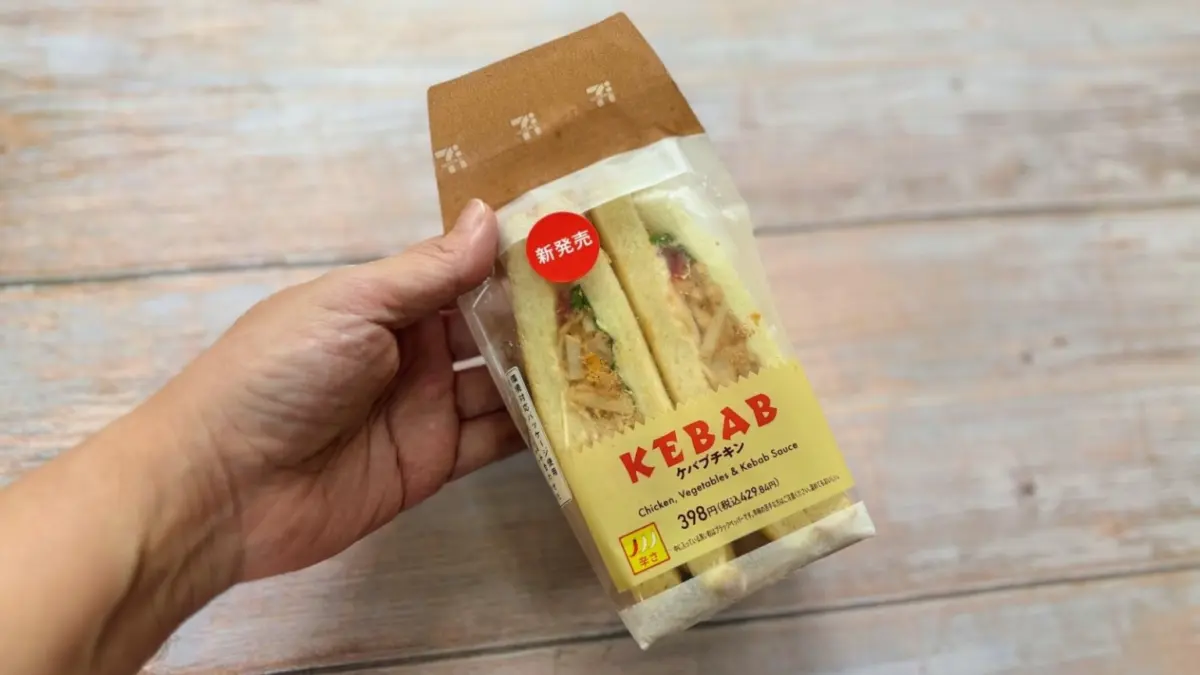
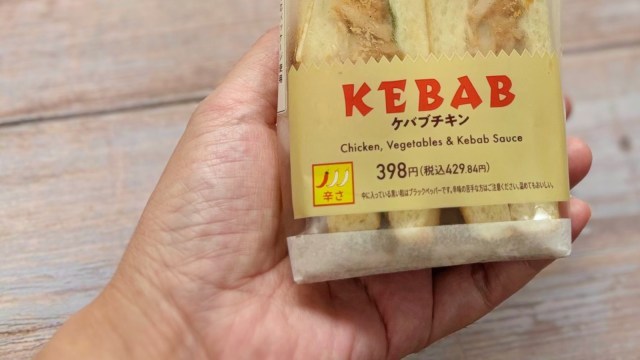
Never one to miss an opportunity to capitalize on a shifting consumer palate, retail titan 7-Eleven Japan has officially entered the ring. In a move that has sent ripples through local food blogs and social media feeds alike, the convenience store giant has launched its own iteration of the street food classic: the Chicken Kebab Sandwich.
Priced at 429 yen (approximately US$2.79) and packed with seasoned chicken, crisp cabbage, lettuce, and tomatoes, this unorthodox fusion of traditional street food and Japanese convenience store sando culture begs a pressing question. Can a chilled, pre-packaged triangle of sliced white bread possibly stand shoulder-to-shoulder with the freshly shaved, steaming meat of a dedicated neighborhood kebab shop?
To find out, we braved the fluorescent lights of our local Tokyo branch, picked up a fresh specimen, and subjected 7-Eleven’s latest culinary experiment to a rigorous investigative taste test. What we discovered challenges preconceived notions about what a conbini (convenience store) can achieve, revealing a surprisingly authentic flavor profile that expertly navigates the fine line between corporate mass production and street-level culinary heritage.
Detailed Chronology
The Discovery: A Surprising Shelf-Sojourn
The journey began on an ordinary weekday afternoon during a routine reconnaissance mission to a neighborhood 7-Eleven. Amidst the familiar rows of egg salad sandos (tamago sando), tonkatsu cutlet sandwiches, and seasonal fruit-and-cream creations, a brightly branded package caught our eye.
At first glance, the concept appears counterintuitive. Traditional kebabs rely on a few foundational pillars: a warm, pliable pita or thick flatbread; piping hot, grease-kissed meat freshly carved from a vertical rotisserie; and a heavy-handed drizzle of garlic yogurt and fiery red sauces. Translating this dynamic, heat-intensive dish into Japan’s iconic chilled sandwich format—where fillings are encased in crustless, feather-light shokupan (milk bread)—feels like an exercise in compromise.
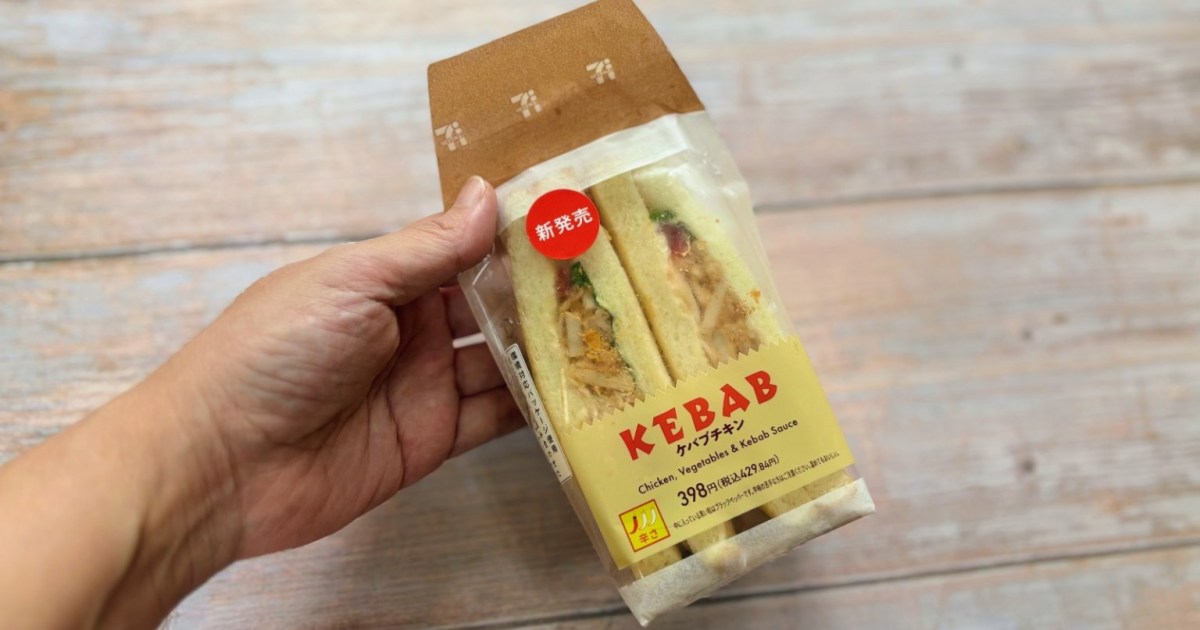
Yet, curiosity quickly overpowered skepticism. We pulled the Chicken Kebab Sandwich from the refrigerated shelf, secured it alongside a hot canned coffee, and transported it back to the testing station for an unvarnished examination.
Anatomical Inspection: Filling and Form Factor
Unsealing the plastic packaging immediately revealed a meticulously constructed sandwich. Japanese convenience stores are famous for their aesthetic precision, and the kebab sando was no exception.
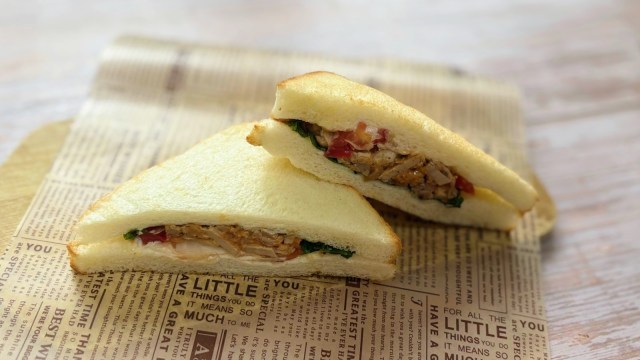
- The Filling Composition: A harmonious triad of savory chicken, vibrant red tomatoes, shredded cabbage, and crisp lettuce rested between two slices of soft white bread.
- Portion Control vs. Street Reality: Traditional kebabs are notoriously messy, often overflowing to the point of structural failure within the first three bites. 7-Eleven’s iteration took a more pragmatic approach. The filling was generous without being chaotic. It offered a tidy, single-handed eating experience—a mandatory requirement for any self-respecting convenience store snack designed to be consumed on a crowded train platform or at a work desk.
The Taste Test: Cracking the Code of Authenticity
The ultimate test of any fusion foodstuff, however, lies in its flavor profile. Would this simply be a standard chicken sandwich rebranded with exotic buzzwords, or had 7-Eleven genuinely captured the essence of a Tokyo street-side kebab?
Taking that first decisive bite brought an immediate wave of validation—and a wide-eyed look of surprise.
“For us, the sauce is always the key to a good kebab, and that distinctive, spicy sauce with a slightly herbal accent had been properly recreated.”
Rather than relying on bland mayonnaise or generic ketchup-based concoctions, the culinary development team successfully reverse-engineered the complex flavor matrix of authentic döner sauce. The dressing acted as the crucial bridge, binding the poultry and crunchy vegetables into a cohesive, savory experience that unmistakably screamed "kebab."
The Spiciness Factor
A notable element of the tasting experience was the intensity of the heat. Convenience store iterations of global foods often err on the side of caution, sanitizing bold flavors to appeal to the broadest possible demographic. 7-Eleven broke this mold entirely.
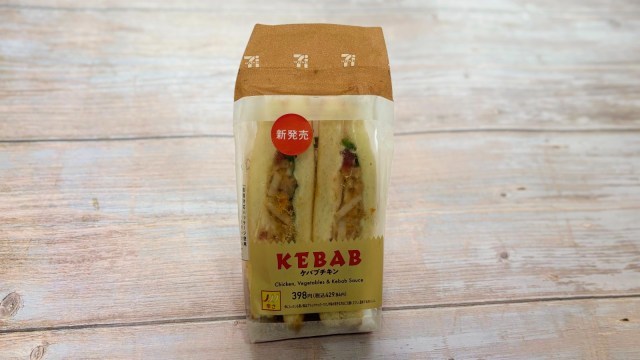
- The Chili Rating: Official packaging marked the sandwich with a modest one out of three chili peppers on the store’s internal spiciness scale.
- The Reality: In practice, the sauce delivered a surprisingly robust, tingling, and fiery kick. It was a hot, lingering spice profile powered by distinct herbal accents. For spice lovers, this was an absolute triumph that elevated the sandwich far above standard convenience store fare. For those with sensitive palates, however, a word of caution is warranted: this sando packs genuine heat.
The "Cross-Section Fraud" Investigation
No review of a Japanese convenience store sandwich is complete without addressing the elephant in the room: cross-section fraud. Consumers across Japan have long been vigilant against the deceptive packaging practice where ingredients are artfully arranged only at the front edge of a sandwich to create an illusion of abundance, leaving the back half virtually empty.
We carefully peeled the 7-Eleven kebab sandwich apart to inspect its interior architecture.
- The Verdict: Zero fraud detected.
- The savory chicken, crisp vegetables, and spiced sauce extended uniformly across all three dimensions of the slice. Every bite delivered an equal distribution of flavors, confirming that this was not merely a marketing gimmick, but a thoughtfully engineered product from the first bite to the last.
Supporting Context & Metrics
To truly understand where the Chicken Kebab Sandwich fits within the Japanese market, it is essential to examine the pricing, nutritional philosophy, and demographic trends that shaped its release.
Financial and Market Metrics
- Price Point: 429 yen (approx. US$2.79) including tax.
- Market Position: In the realm of Japanese convenience store food, 429 yen places the item in the mid-to-high tier for standard sandwiches, edging close to premium hot food items and bento boxes.
- Comparative Value: A standard street-side kebab in Tokyo typically ranges from 700 to 1,000 yen (US$4.50–$6.50). While the street version offers a larger physical portion and hot, freshly carved meat, the 7-Eleven alternative undercuts traditional vendors by nearly half the price, trading volume for accessibility.
| Feature | 7-Eleven Chicken Kebab Sando | Traditional Tokyo Street Kebab |
|---|---|---|
| Price | ¥429 (~$2.79 USD) | ¥700 – ¥1,000 (~$4.50 – $6.50 USD) |
| Temperature | Chilled (Refrigerated) | Hot (Freshly Prepared) |
| Bread Type | Sliced Shokupan (Milk Bread) | Pita Bread / Wrap |
| Accessibility | 21,000+ locations across Japan | Concentrated in major urban centers |
| Portion Cleanliness | High (Structured, easy to eat) | Low (Prone to dripping/spilling) |
The Regional Accessibility Factor
While Tokyoites in Shinjuku or Roppongi can stumble out of a venue and find a kebab stand within a five-minute walking radius, the rest of Japan is not nearly as fortunate. Outside major metropolitan hubs, döner kebabs remain a rare culinary novelty.
By distributing this flavor profile through its staggering nationwide network of over 21,000 convenience stores, 7-Eleven has democratized access to ethnic street food. A consumer in a rural prefecture can now experience the distinct herbal and spicy notes of a Tokyo-style kebab without booking a shinkansen ticket to the capital.
The Conbini Innovation Trend
This launch follows a strategic lineage of recent 7-Eleven releases designed to push culinary boundaries. Earlier initiatives—such as the viral taco burrito and various globally inspired savory wraps—demonstrated a clear corporate strategy: capturing the younger, social-media-savvy demographic that hungers for international street food flavors. Interestingly, this sits alongside wildly contrasting sweet innovations, such as chocolate chip ice-cream-flavored sandwiches and specialized fruit sandos, proving that the convenience store research and development teams operate on a philosophy of absolute creative fearlessness.
Official Statements & Industry Reception
While 7-Eleven Japan maintains tight lips regarding the exact proprietary blend of spices used in the sandwich’s signature sauce, corporate communications surrounding their global street food line have consistently emphasized authenticity and consumer-driven development.
Industry analysts note that convenience stores in Japan are shifting away from traditional, safe comfort foods (such as standard tuna mayo and egg salad) in favor of high-impact, conversation-starting products designed to generate viral engagement on platforms like Instagram, TikTok, and X (formerly Twitter).
A prominent food industry researcher in Tokyo observed:
"The modern Japanese convenience store is no longer just a pitstop for emergency sustenance; it is a battleground for food trends. Products like the Chicken Kebab Sandwich prove that retailers are listening to street food culture and successfully translating transient urban trends into scalable, mass-market products without entirely diluting their soul."
Customer reception across social media has been largely positive, with food influencers praising the unexpected authenticity of the sauce and the structural integrity of the sandwich, though a vocal minority continues to debate whether 429 yen represents fair value compared to a hot, freshly prepared street vendor alternative.
Future Outlook
The launch of the Chicken Kebab Sandwich is unlikely to be a mere flash in the pan. As 7-Eleven continues to refine its global street food pipeline, several long-term implications emerge for the Japanese convenience store sector and the wider fast-casual dining ecosystem:
- Expansion of Ethnic Fusion Offerings: Given the positive digital reception of the kebab sando and the preceding taco burrito, consumers can expect 7-Eleven to explore other underserved street food categories. Potential future candidates might include Middle Eastern falafel wraps, South Asian tikka-inspired pockets, or Latin American street corn-infused snacks.
- The "Convenience vs. Quality" Equilibrium: As inflation impacts food supply chains globally, Japanese convenience stores face mounting pressure to balance rising ingredient costs with consumer price ceilings. At 429 yen, the kebab sandwich tests the upper psychological limits of what customers are willing to pay for a cold sandwich, signaling a broader industry shift toward premiumized convenience items.
- Coexistence with Street Vendors: Rather than cannibalizing the business of dedicated kebab shops, convenience store offerings may actually serve as a top-of-funnel marketing engine. By introducing rural populations and casual diners to the flavor profile for the first time, 7-Eleven could inadvertently drive increased foot traffic to authentic street-side kebab stalls when consumers eventually visit major cities.
Final Verdict
Does 7-Eleven Japan’s Chicken Kebab Sandwich completely replace the messy, aromatic, heat-blasted glory of a midnight döner from a Tokyo street vendor? Naturally, no. The nostalgic comfort of a warm pita filled with steaming, freshly shaved meat remains an unmatched culinary experience.
However, as a masterclass in culinary translation—balancing authentic herbal spice, surprising chili heat, structural integrity, and nationwide convenience—this sandwich punches well above its weight class. For urban commuters looking for a quick bite, or rural food lovers seeking a taste of the capital’s multicultural street scene, 7-Eleven’s latest creation is an unreserved success and an essential addition to the conbini-hunting bucket list.








Belum ada komentar. Jadilah yang pertama berkomentar!