

Executive Overview
As the scorching heat of the Japanese summer slowly yields to the crisp, temperate breezes of aki (autumn), culinary traditions across the archipelago shift toward earthy, comforting flavors. Chief among these seasonal staples is satsumaimo—the beloved Japanese sweet potato. Revered for its dense, naturally sweet flesh and rich historical roots in Japanese agriculture, the sweet potato occupies a central place in the nation’s culinary identity during the harvest season.
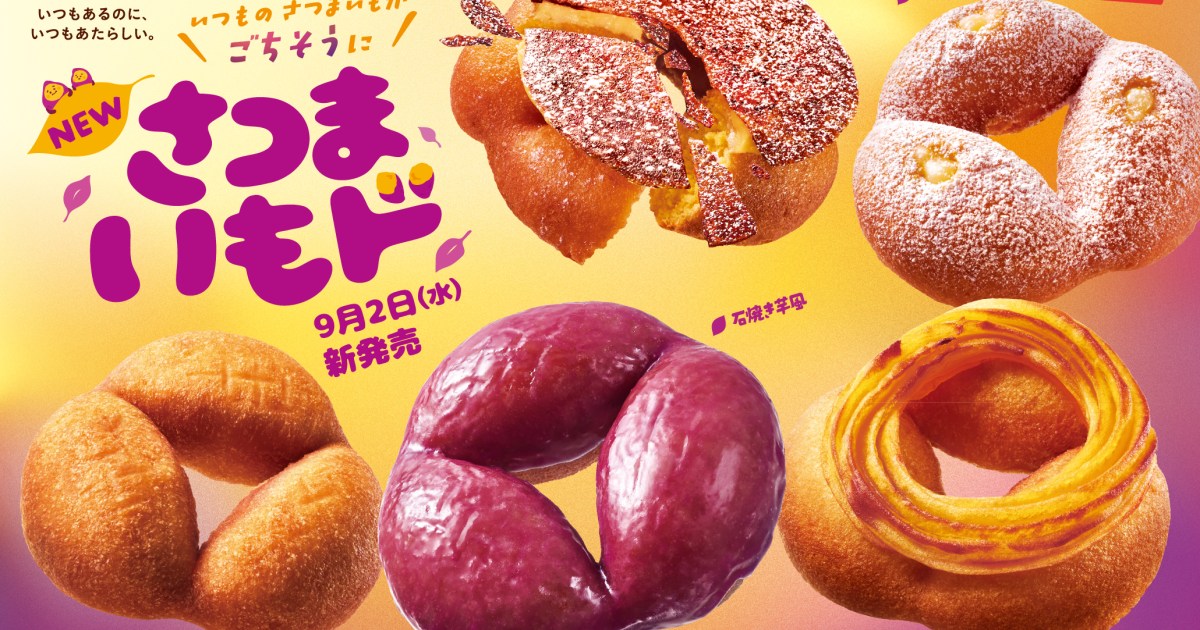
Capitalizing on this cultural affinity, Mister Donut Japan, one of the country’s most ubiquitous and innovative pastry chains, has announced the return of its blockbuster seasonal lineup: the "Satsumaimo Do" collection. Launching nationwide on September 2, this year’s limited-edition menu features five meticulously crafted doughnuts designed to replicate not only the flavor profile of premium Japanese sweet potatoes, but their distinctive textures and visual aesthetics as well.
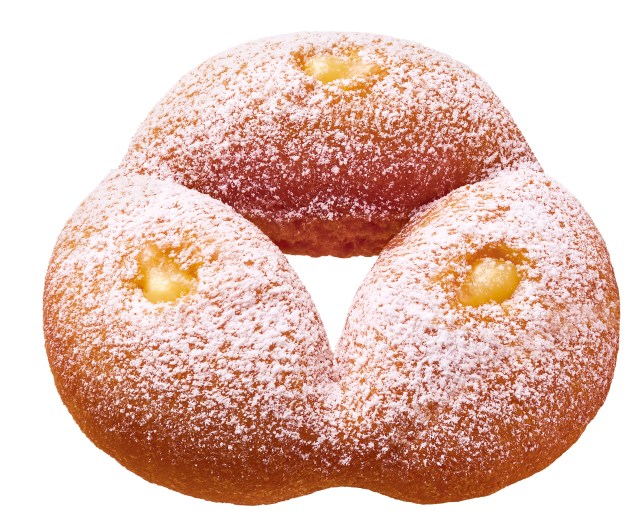
Far from a simple flavor swap, the 2026 iteration of Satsumaimo Do represents a masterclass in modern confectionery engineering. Franchise developers have introduced a newly engineered, thicker dough infused with 1.3 percent authentic sweet potato powder, molded into an ingenious shape resembling a cluster of three small sweet potatoes joined together. With price points ranging from 183 yen to 216 yen (approximately $1.15 to $1.35 USD), this viral-ready dessert line balances nostalgic comfort with upscale culinary flair. This report provides a comprehensive examination of the Satsumaimo Do collection, analyzing its product architecture, market context, and the strategic brilliance driving Mister Donut’s seasonal dominance.
Detailed Chronology: The Evolution of the Satsumaimo Do Phenomenon
To fully appreciate the scope of the 2026 Satsumaimo Do release, it is necessary to examine how Mister Donut has systematically cultivated autumn as a powerhouse retail season. Over the past decade, Japanese fast-food and casual dining chains have leaned heavily into hyper-seasonal marketing campaigns—a strategy colloquially known as shun (enjoying ingredients at their absolute seasonal peak).
While spring is globally synonymous with cherry blossoms (sakura), autumn in Japan belongs to kuri (chestnuts), kabocha (Japanese pumpkin), and above all, satsumaimo. Mister Donut recognized this consumer sentiment early, experimenting with various sweet potato-flavored rings and glazed variants in the late 2010s. However, the turning point arrived with the formalization and branding of the "Satsumaimo Do" concept, which quickly transformed from a standard menu addition into a viral social media phenomenon.
The 2026 Redesign: Form Meets Flavor
Historically, seasonal sweet potato doughnuts utilized standard toroidal (ring) bases with specialized icings. For the 2026 rollout, however, Mister Donut’s product development teams went back to the drawing board to address a persistent consumer desire: multisensory authenticity.
The timeline of the 2026 campaign development centered on three key pillars:
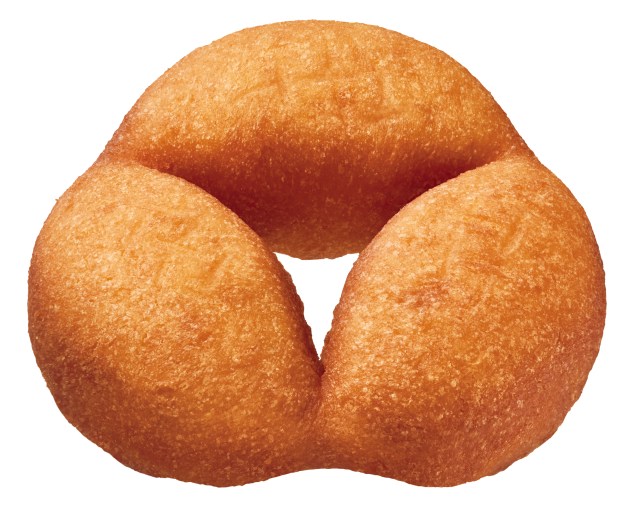
- Structural Redesign: Moving away from traditional ring shapes, developers engineered a custom mold that creates a three-lobed silhouette. Visually, each piece mimics a cluster of freshly harvested, miniature stone-roasted sweet potatoes pulled straight from the embers.
- Dough Optimization: The base recipe was re-formulated to incorporate a higher ratio of moisture-retaining ingredients and precisely 1.3 percent genuine sweet potato powder. This elevates the mouthfeel from a standard cake doughnut to a denser, satisfyingly chewy texture reminiscent of a baked sweet potato’s flesh.
- The Quintet Strategy: Rather than offering a single catch-all flavor, Mister Donut segmented the collection into five distinct culinary expressions, ensuring that repeat customers have an incentive to sample the entire lineup.
The Lineup: A Deep Dive into the Five Varieties
Each of the five doughnuts in the 2026 Satsumaimo Do collection targets a different dimension of sweet potato appreciation, ranging from unadorned rustic purity to avant-garde pastry fusion.
1. Satsumaimo Do Plain
- Pricing: 183 yen (takeout) / 187 yen (dine-in)
- Profile: The purist’s entry point. The Plain variant deliberately strips away heavy glazes and elaborate toppings, allowing the proprietary sweet potato dough to take center stage. Consumers experience the unadulterated aroma of the sweet potato powder baked directly into the batter, paired with a soft, comforting crumb that melts on the palate. It serves as the baseline benchmark for the entire collection, highlighting the structural integrity of the new three-lobed mold.
2. Satsumaimo Do Stone-Roasted Sweet Potato-Style
- Pricing: 194 yen (takeout) / 198 yen (dine-in)
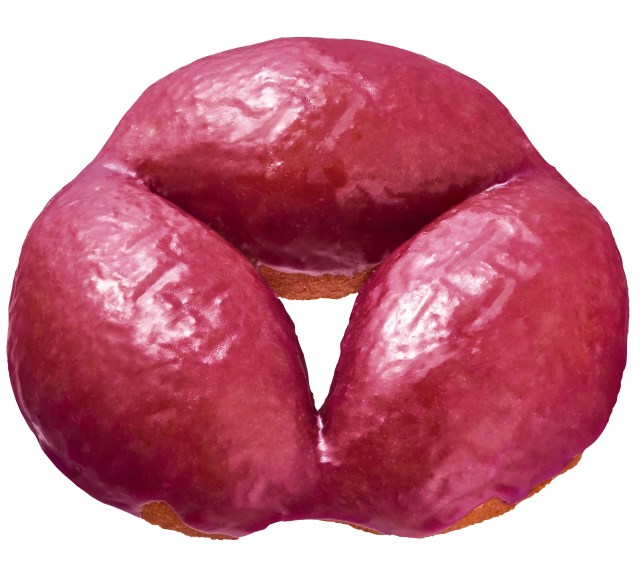
- Profile: A tribute to Yaki-imo (traditional Japanese stone-roasted sweet potatoes), which are sold from the back of iconic vendor trucks (ishi-yaki imo) throughout urban neighborhoods as the weather cools. This three-lobed doughnut is swathed in a specialized purple-and-brown hued glaze that mimics the charred, caramelized skin of a fire-roasted potato. The glaze imparts a deep, smoky-sweet flavor profile that successfully evokes the sensory memory of eating a piping-hot sweet potato straight out of hot stones.
3. Satsumaimo Do Melty Salted Butter
- Pricing: 194 yen (takeout) / 198 yen (dine-in)
- Profile: Playing on the immensely popular Japanese street food trend of combining baked sweet butter with hot sweet potato (batta yaki-imo), this creation bridges savory and sweet. It features an iced sugar coating overlaid with a lightly salted butter sauce. When bitten into, the sauce yields a delectably soft, gooey texture. The interplay between the rich, creamy saltiness of the butter and the natural earthiness of the sweet potato dough creates a sophisticated, highly addictive contrast.
4. Satsumaimo Do Fragrant Crème Brûlée
- Pricing: 216 yen (takeout) / 220 yen (dine-in)
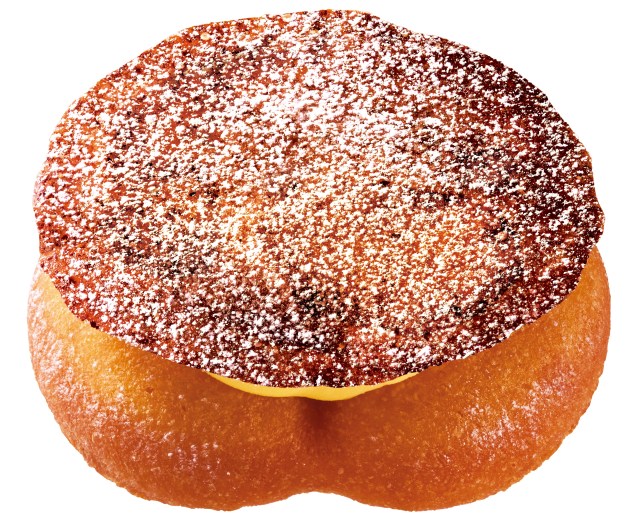
- Profile: The texture enthusiast’s dream. This variation elevates the humble doughnut into an upscale patisserie-grade dessert. It is topped with a generous layer of rich, custard-like egg cream and finished with a hard, glassy brûlée sheet torch-fired to a crisp perfection. The resulting textural triad—crunchy caramelized sugar, velvety cream, and soft, spongy dough—delivers a masterclass in contrast that has already drawn widespread praise from early-access food reviewers.
5. Satsumaimo Do Rich Sweet Potato
- Pricing: 216 yen (takeout) / 198 yen (dine-in) [Note: Official pricing reflects standard tier adjustments for premium baked items]
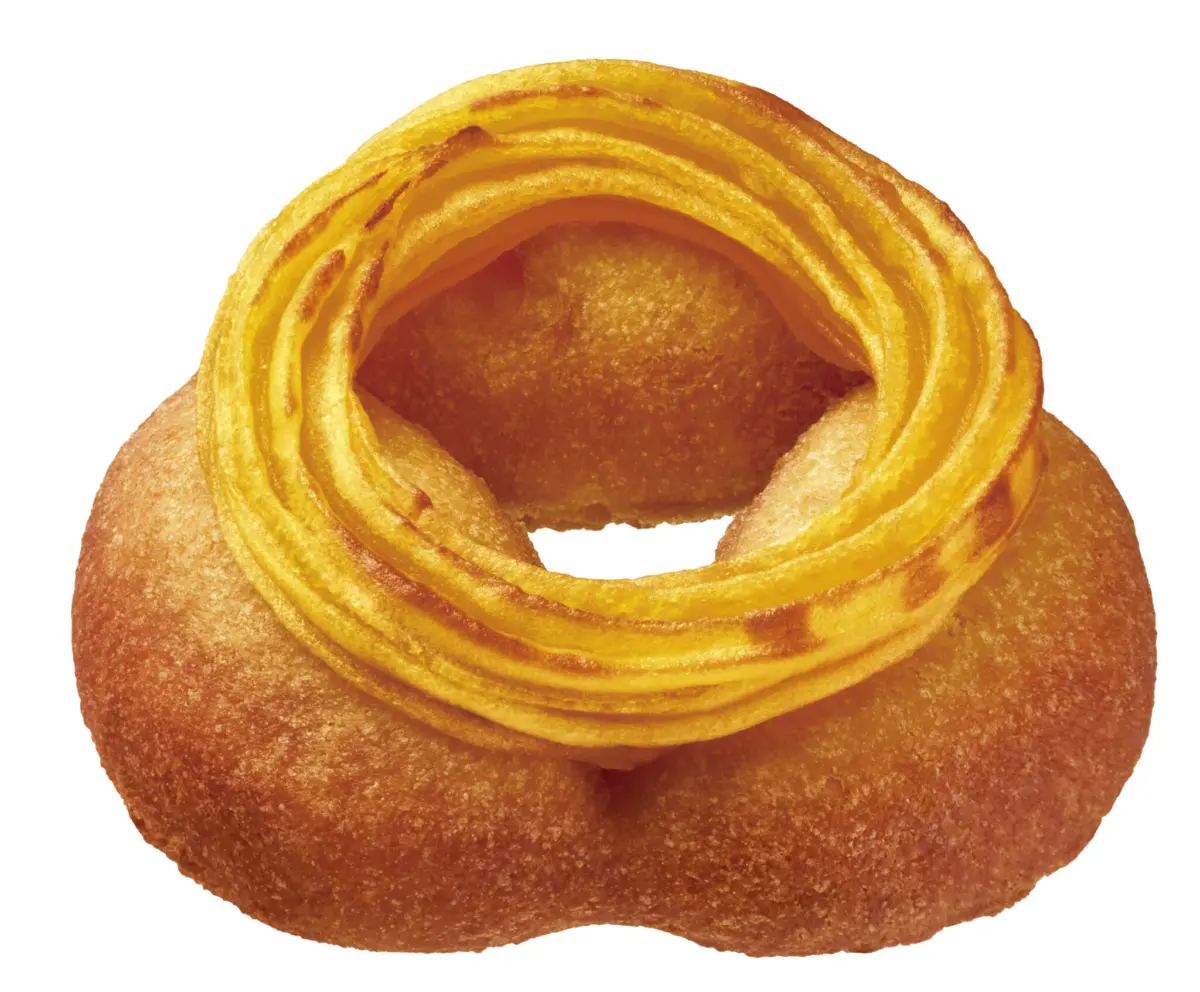
- Profile: The crown jewel of the collection in terms of sheer ingredient density. This masterpiece is injected and topped with a luxurious sweet potato paste containing fresh cream. Following application, the doughnut is placed into an oven and baked, imparting a fragrant, roasted finish to the upper crust. The result is a decadent, pie-like experience where the boundaries between doughnut and traditional Japanese kuri-kinton or sweet potato paste sweet (nerikiri) begin to blur.
Supporting Context & Market Metrics: Why Sweet Potatoes Rule Japanese Confectionery
To understand why Mister Donut invests heavily in the Satsumaimo Do campaign, one must examine the broader socioeconomic and gastronomic landscape of modern Japan.
The Nutritional and Cultural Halo of Satsumaimo
Introduced to Japan via the Ryukyu Islands (modern-day Okinawa) in the early 17th century, the sweet potato (Ipomoea batatas) saved countless lives during periods of famine. Over centuries, it evolved from an emergency sustenance crop into a beloved comfort food. Today, sweet potatoes occupy a dual space in Japanese culture: they are simultaneously viewed as wholesome, health-conscious health foods (rich in dietary fiber, vitamin C, and antioxidants) and as decadent, comforting comfort foods (amemono).
In the contemporary food and beverage market, sweet potato-flavored items consistently outperform standard seasonal offerings during the August-to-November window. According to retail data trends compiled across Japanese fast-food sectors, autumn limited-edition items featuring regional produce drive up average transaction values by 12 to 18 percent compared to mid-summer slumps.
The Power of "Instagrammability" (Bae)
In Japan’s hyper-competitive dessert market, visual appeal is just as critical as flavor chemistry. The 2026 Satsumaimo Do collection was explicitly engineered with social media propagation in mind. The distinct three-lobed shape, combined with the vibrant purple, gold, and amber hues of the glazes, makes the items instantly recognizable on platforms like Instagram, X (formerly Twitter), and TikTok. By creating a product that looks remarkably like the ingredient from which it is derived, Mister Donut triggers an instinctive curiosity-driven purchasing loop among Gen Z and millennial consumers.
Official Statements and Strategic Vision
While specific corporate executive soundbites for the 2026 autumn campaign emphasize general customer satisfaction, public relations statements released by Duskin Co., Ltd. (the parent company of Mister Donut Japan) shed light on the brand’s overarching seasonal philosophy.
"Our objective with the Satsumaimo Do franchise has always been to honor the deep-rooted affection our customers hold for traditional autumn flavors," notes a representative product development brief from Mister Donut Japan. "By refining our dough formulation to include authentic sweet potato powder and reimagining the physical morphology of the doughnut itself, we aim to deliver a multisensory experience that feels both comforting and surprisingly novel. We invite everyone to savor the meticulous detail poured into every single piece."
Industry analysts point out that this methodical approach to product iteration is precisely why Mister Donut maintains a dominant market share in Japan’s specialty pastry sector, successfully defending its turf against a rising tide of independent artisanal doughnut shops and imported Western chains.
Future Outlook: The Ongoing Legacy of Seasonal Exclusives
As the Satsumaimo Do collection hits storefronts across Japan on September 2, industry watchers will be tracking sales velocity and consumer engagement metrics closely. Given the strict "while stocks last" availability model—a staple of Japanese limited-time-offer (gentei) marketing—high-demand items within the quintet are expected to sell out rapidly during peak afternoon hours.
Looking ahead, the success of the 2026 autumn lineup sets a high benchmark for upcoming winter and spring campaigns. Mister Donut has proven that even legacy menu concepts can be revitalized through thoughtful industrial design, ingredient innovation, and a deep respect for seasonal culinary traditions. For consumers lucky enough to be in Japan this autumn, a trip to the nearest Mister Donut isn’t just a routine errand—it is an invitation to partake in a delicious, fleeting celebration of the harvest season.







Belum ada komentar. Jadilah yang pertama berkomentar!