

Executive Overview
The intersection of video game adaptations and Hollywood filmmaking has entered an unprecedented golden age. Following years of notorious box-office bombs and critically panned television spin-offs, studios have seemingly cracked the code on translating interactive entertainment into cinematic gold. Leading this charge is Sega, a company that has successfully rehabilitated its intellectual property portfolio through critical and commercial hits like the Sonic the Hedgehog cinematic universe. Now, the Japanese entertainment titan is diving even deeper into the streaming ecosystem.
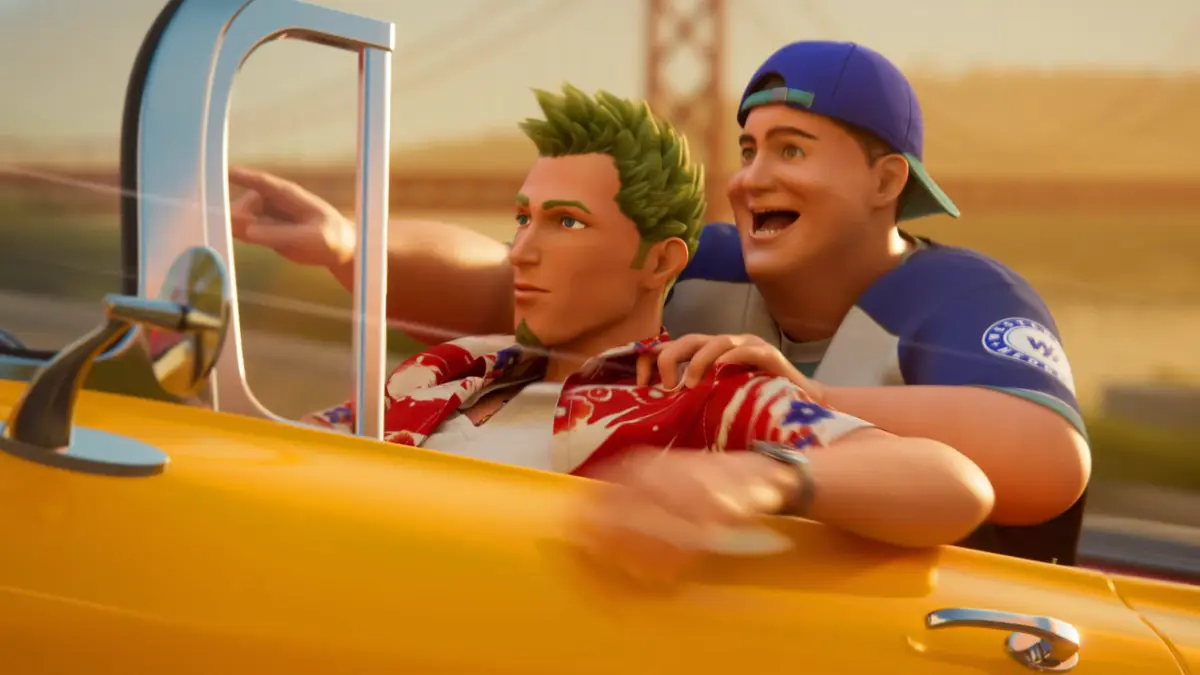
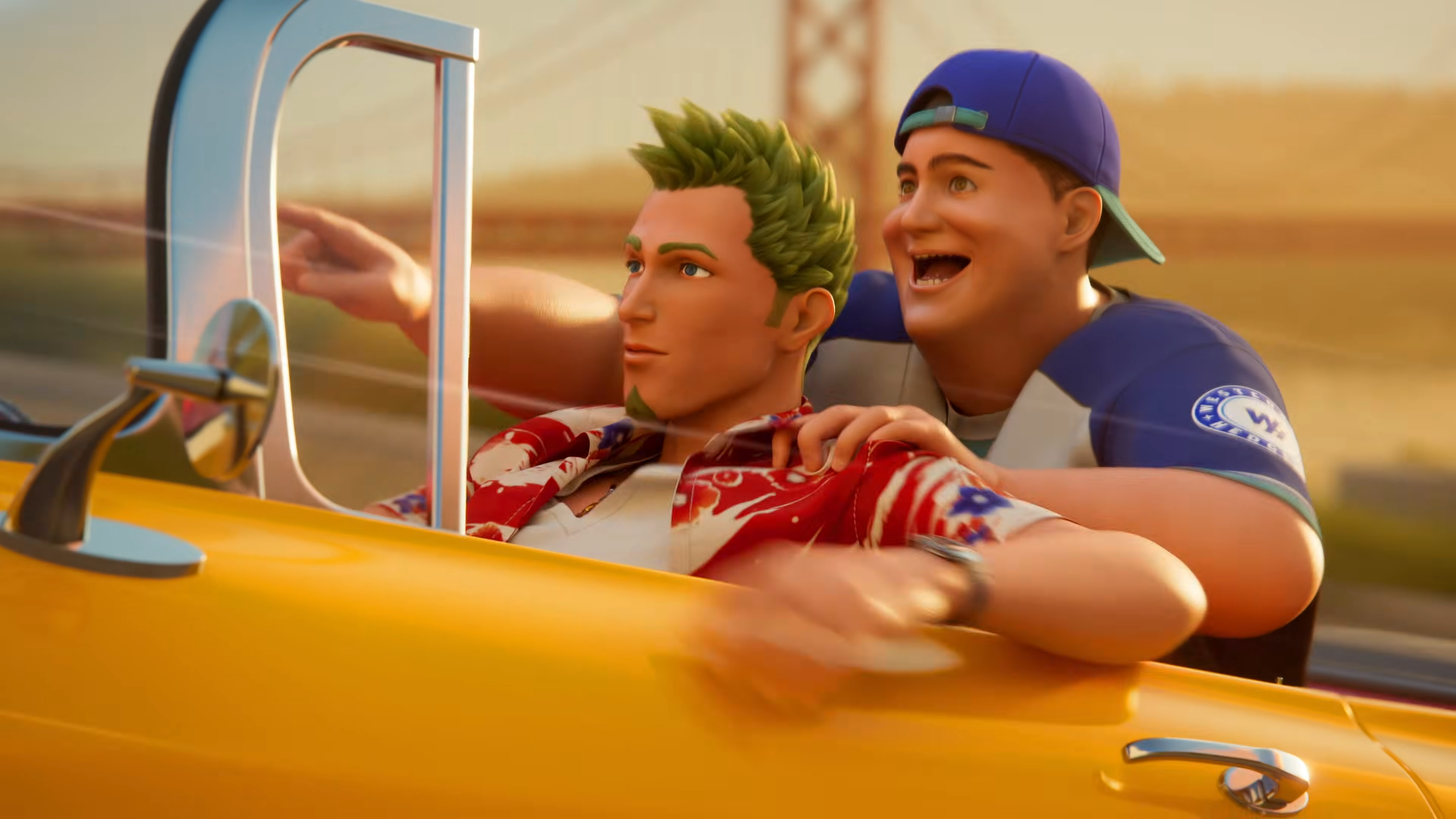
In a surprising yet wildly nostalgic announcement, Netflix has officially partnered with Sega to develop a live-action comedy film based on Crazy Taxi, the quintessential arcade and Sega Dreamcast classic defined by high-speed vehicular chaos, flagrant traffic violations, and an unforgettable punk-rock soundtrack by The Offspring and Bad Religion.
Tasked with bringing this high-octane, arcade-native premise to life are screenwriters Dan Gregor and Doug Mand, the creative minds behind the upcoming 2025 reboot of The Naked Gun. Production duties will be handled by Original Film alongside Toru Nakahara, a key architect behind Sega’s successful cross-media adaptations. While the announcement has sent waves of excitement through veteran gamers who spent countless quarters and Dreamcast memory cards navigating the sun-drenched streets of the game’s fictionalized West Coast, it has also sparked a healthy debate among critics and fans alike: Can a 90-minute narrative truly be built around a game whose core gameplay loop consists of little more than picking up frantic pedestrians and hurtling them toward a Kentucky Fried Chicken or Tower Records against a ticking clock?
Detailed Chronology: The Journey of Crazy Taxi from Arcade Relic to Cinematic Venture
To understand the magnitude of a Crazy Taxi cinematic adaptation, one must trace the history of the franchise and Sega’s broader multi-media strategy over the past three decades.
1. The Arcade and Dreamcast Golden Era (1999–2000s)
Originally developed by Sega AM3 (later known as Hitmaker) under the visionary direction of Kenji Kanno, Crazy Taxi debuted in arcades in 1999 on Sega’s Naomi hardware. It was an instant, thunderous success. The game’s premise was deceptively simple: choose one of four eccentric drivers (BD Joe, Axel, Gena, or Rick), pick up passengers distinguished by flashing destination markers, and barrel through heavily populated urban environments by any means necessary.
When the title was ported to the Sega Dreamcast in 2000, it became a system-seller. It captured the frantic, carefree energy of turn-of-the-millennium pop culture, backed by a licensed soundtrack that etched itself into the collective memory of a generation. Subsequent sequels followed, including Crazy Taxi 2 (introducing jumping mechanics) and Crazy Taxi 3: High Roller, but the franchise eventually slipped into dormancy as the arcade market contracted and Sega shifted its focus.
2. The Modern Revival Efforts (2020s)
Sega’s recent corporate renaissance has seen the publisher aggressively dust off its vault of classic intellectual properties. Alongside revivals for Shinobi, Golden Axe, Jet Set Radio, and Streets of Rage, Sega announced a grand modernization of Crazy Taxi, currently in development under the tentative framework of Crazy Taxi: World Tour. Early hands-on previews—such as those from industry events like Gamescom—have revealed that Sega is attempting to inject a modern narrative framework and updated open-world mechanics into the classic formula, though purists remain cautious about whether modern sensibilities can capture the unfiltered, unhinged magic of the original.
3. The Netflix Partnership and Cinematic Greenlight
The announcement of the Crazy Taxi movie did not happen in a vacuum. It represents the latest fruit born from a deepening strategic alliance between Sega and streaming giant Netflix. Variety broke the exclusive news confirming that Netflix had greenlit the comedy feature. The project joins a burgeoning slate of Sega adaptations at the streamer, which includes a brand-new animated Sonic the Hedgehog television series and a surprising movie adaptation of Stranger Than Heaven—a title from Sega’s upcoming game catalog that has not even hit store shelves yet.
Supporting Context & Metrics: The Mechanics of Adapting Arcades
Translating a narrative-free arcade game into a feature-length film is an inherently daunting creative challenge. Unlike traditional narrative blockbusters, Crazy Taxi possesses virtually zero internal lore. As industry critics frequently note, when a passenger leaps into your cab with a 30-second timer ticking down, you care solely about whether they want to go to the clothing boutique or the burger joint—not why they need to get there.
The Narrative Dilemma
Can a feature-length comedy sustain momentum on the back of pure kinetic energy and vehicular lawbreaking? Skeptics argue that a 90-minute runtime requires character arcs, emotional stakes, and structural conflict elements that inherently clash with the brain-melting, arcade-style chaos of the source material.
However, optimists point out cinematic precedents. Films like The Fast and Furious franchise have managed to build a multi-billion-dollar cinematic empire out of little more than vehicular bravado, family dynamics, and gravity-defying stunts. Furthermore, the hiring of Dan Gregor and Doug Mand signals a clear comedic direction. Known for their work on The Naked Gun reboot, Gregor and Mand specialize in rapid-fire satire, absurdist humor, and high-concept slapstick—tones that align naturally with the vibrant, tongue-in-cheek absurdity of Crazy Taxi‘s universe.
The Proven Production Pedigree
While the creative direction carries inherent risks, the production lineup offers substantial reassurance. Original Film—headed by Neal H. Moritz—has a storied history of handling high-octane vehicle franchises, having served as a primary producer on the Fast & Furious series.
Crucially, Toru Nakahara’s involvement bridges the gap between Hollywood production standards and corporate fidelity to Sega’s brand. Nakahara successfully spearheaded the Sonic the Hedgehog film trilogy, which defied industry curses by delivering both critical approval and staggering box office returns (grossing over a billion dollars globally across the first two films), alongside expanded television projects like Knuckles and Sonic Prime.
Official Statements and Industry Reactions
The announcement elicited a wave of nostalgic enthusiasm alongside cautious industry analysis.
In a joint statement, Original Film’s Neal H. Moritz and Toby Ascher expressed their deep personal connection to the source material:
"We couldn’t be more excited to continue our longstanding relationship with Sega and bring Crazy Taxi to life with our partners at Netflix. This film is for anyone who’s spent hours behind the wheel of a yellow cab on their Dreamcast, with the music cranked up, smashing through everything in sight just to make the next fare."
Industry analysts have noted that the project underscores Netflix’s aggressive multi-platform strategy. By leveraging established gaming IPs, Netflix aims to capture built-in demographic cohorts while diversifying its slate beyond traditional novel and comic book adaptations.
However, gaming journalists have voiced palpable anxiety regarding the streaming service’s volume-driven release model. Over the past several years, Netflix has demonstrated a penchant for turning diverse intellectual properties into standardized, algorithmic streaming fare. Critics worry that an over-saturation of game-to-screen adaptations risks diluting the unique identity that made properties like Crazy Taxi icons of arcade culture in the first place, potentially steering the project back into the mediocre territory that plagued video game adaptations throughout the 1990s and 2000s.
Future Outlook: What Lies Ahead for Sega’s Cinematic Universe
As pre-production ramps up on the Crazy Taxi feature film, all eyes will be on Dan Gregor and Doug Mand’s script to see how they flesh out the vibrant, sun-bleached world of BD Joe and his passengers. Will the film lean heavily into 90s nostalgia, complete with licensed punk-rock needle-drops and exaggerated cartoon physics, or will it attempt a self-aware, mockumentary-style satire of modern gig-economy rideshare culture?
At the same time, Sega’s broader multi-media expansion shows no signs of slowing down. With Sonic the Hedgehog 3 cementing the blue blur’s box office dominance, upcoming television projects expanding the Sonic canon, and experimental adaptations like Stranger Than Heaven in development, Sega is rapidly transforming from a traditional video game publisher into a transmedia powerhouse.
Whether the Crazy Taxi movie will cross the finish line as a cult-classic comedy masterpiece or stall out in development remains to be seen. One thing is certain, however: when the yellow cab finally pulls onto the streaming screen, audiences will be holding onto their seats, watching to see if the meter keeps running.







Belum ada komentar. Jadilah yang pertama berkomentar!