

Executive Overview
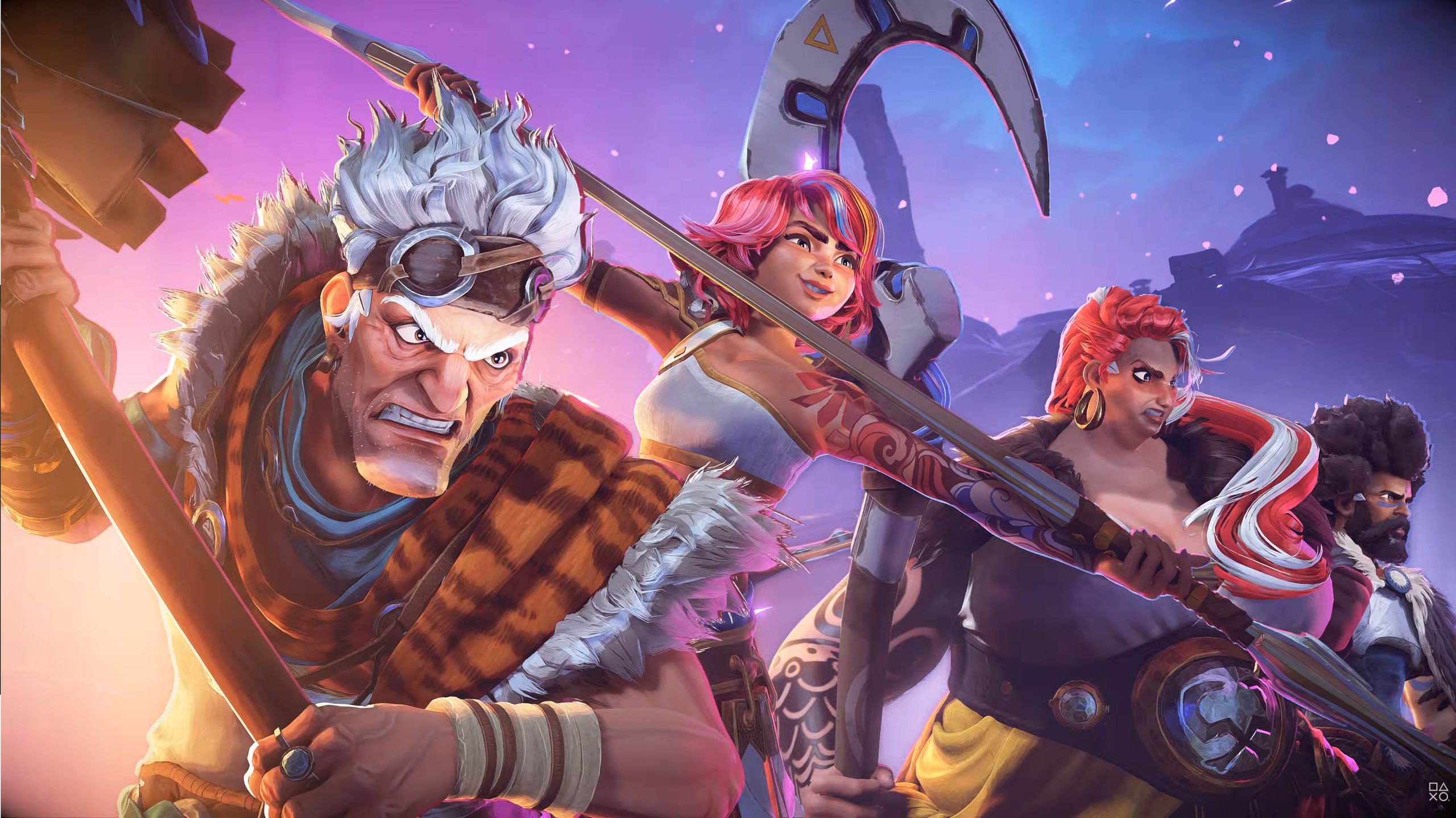
The video game industry is witnessing a seismic strategic retreat. Sony Interactive Entertainment, once deeply committed to transforming its premier single-player PlayStation franchises into an empire of persistent, revenue-generating live-service multiplayer games, is rapidly scaling back its ambitions. The latest casualty—or perhaps survivor, depending on how it navigates its eleventh-hour transformation—is Guerrilla Games’ Horizon Hunters Gathering.
Originally conceptualized as an expansive, live-service cooperative action game set within the post-apocalyptic, machine-infested lands of the Horizon universe, the title is undergoing a radical, last-minute pivot. Following punishingly lukewarm player reception during early 2026 playtests, Sony has opted against a complete cancellation—a fate that befell disastrous projects like Concord and unreleased spin-offs for God of War, The Last of Us, and Spider-Man. Instead, PlayStation leadership has granted the Dutch studio a narrow window to salvage the project.
Horizon Hunters Gathering is being aggressively stripped of its live-service infrastructure. It is being refactored into a scaled-down, traditional cooperative game featuring a structured narrative, mirroring the episodic integrity of older titles rather than the endless treadmill of battle passes and monetization updates. However, the clock is ticking: the development team must present a compelling, executive-wooing milestone by December, or the project faces total termination.
This high-stakes intervention reflects a broader, industry-wide reckoning. As audiences reject forced multiplayer adaptations of beloved narrative universes, and as corporate balance sheets suffer from astronomical development costs paired with rapid player attrition, Sony is pulling back from the brink. The era of the mandated PlayStation live-service pivot is drawing to a close, replaced by a defensive consolidation around the single-player tentpole experiences that built the modern PlayStation brand.
Detailed Chronology: From Ambition to Crisis
To understand how Horizon Hunters Gathering arrived at this precipice, one must examine the timeline of Sony’s aggressive multi-platform multiplayer initiative, which began taking shape in the early 2020s under former PlayStation boss Jim Ryan.
The Live-Service Gold Rush (2020–2023)
Buoyed by the immense, ongoing financial success of third-party live-service giants like Fortnite, Apex Legends, and Destiny 2, Sony set an aggressive internal target to launch over a dozen live-service games by fiscal year 2025. Acquisitions—most notably the $3.6 billion buyout of Bungie in 2022—were executed specifically to secure live-service expertise that could be injected into traditional PlayStation Studios like Naughty Dog, Insomniac Games, and Guerrilla Games.
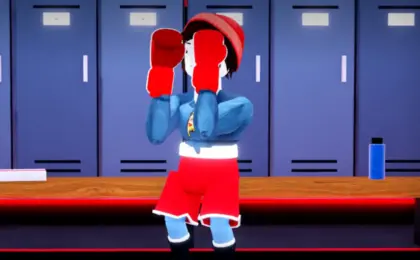
Guerrilla Games, fresh off the critical and commercial success of Horizon Forbidden West (2022) and its 2023 expansion Burning Shores, was tasked with branching the franchise outward. Alongside a previously acknowledged single-player continuation, a separate team began work on Horizon Hunters Gathering, a cooperative multiplayer project designed to bring players together as distinct, stylized heroes battling colossal mechanical beasts on PC (with day-one availability) and PlayStation 5.
The Playtest Disasters of 2026
By early 2026, Horizon Hunters Gathering reached a critical milestone: public and closed playtests. Over the course of three distinct testing windows, the game was placed directly into the hands of real players. The results were disastrous.
Feedback highlighted a fundamental disconnect between what fans loved about the Horizon intellectual property—deep, deliberate, tactical single-player exploration—and the fast-paced, stylized, hero-driven mechanics of the live-service framework. Compounding these qualitative struggles were operational missteps. In one particularly awkward scheduling collision, the first Horizon Hunters Gathering playtest dropped directly on top of Bungie’s highly anticipated Marathon server slam weekend, splitting the focused gamer demographic and severely dampening engagement metrics.
The Bloomberg Revelation and the December Ultimatum
According to investigative reporting published by Bloomberg, Sony leadership reviewed the catastrophic playtest data and realized the project was hurtling toward a market rejection on par with previous failures. Rather than absorbing a total write-down immediately, executives issued an ultimatum.
In an emergency directive delivered to Guerrilla Games, management ordered a complete structural pivot. The team was instructed to strip away the live-service architecture—the routine content drops, seasonal progression loops, and persistent microtransaction models—and pivot the title into a tighter, story-driven cooperative experience. The majority of the development staff was subsequently reassigned to other ventures within Guerrilla, leaving a dedicated, skeleton crew to execute the desperate re-architecture.
The penalty for failure is absolute: if the team cannot impress corporate leadership with a dramatically improved milestone build this coming December, Horizon Hunters Gathering will be quietly buried alongside Sony’s other cancelled experiments.
Supporting Context & Metrics: The Cost of Overreach
Sony’s aggressive pivot toward live-service gaming has proven to be one of the most expensive and turbulent corporate gambles in modern video game history. The financial and structural fallout has forced a comprehensive audit of internal studio pipelines.
The Concord Catastrophe and the Domino Effect
Nothing crystallized the perils of Sony’s live-service strategy quite like the launch and immediate withdrawal of Concord. Developed over eight years by Firewalk Studios at an estimated cost exceeding $200 million, the hero shooter was released to virtually nonexistent player engagement and was pulled offline a mere two weeks after launch. The subsequent permanent shuttering of Firewalk Studios served as a grim wake-up call for PlayStation board members.
The fallout extended far beyond Concord. Fearing similar market rejections, Sony quietly—and in some cases, publicly—slashed its live-service roadmap:
- The God of War Live-Service Project: Scrapped before a formal reveal, preventing Santa Monica Studio’s crown jewel from being diluted by multiplayer mechanics.
- The Last of Us Online (Factions): After years of development, Naughty Dog’s standalone multiplayer project was canceled in late 2023 after Bungie warned that it lacked the long-term engagement loops required to sustain a modern live-service ecosystem.
- Spider-Man Spinoffs: Insomniac Games similarly curtailed plans for expansive multiplayer offshoots following corporate realignments.
The Bungie Re-evaluation and Third-Party Realities
Even the crown jewel of Sony’s live-service acquisition strategy, Bungie, has faced severe structural contractions. Following layoffs, missed financial targets, and internal friction regarding creative direction, Destiny 2 announced plans to pivot away from its traditional seasonal content delivery model, signaling the exhaustion of the live-service format even among its pioneers.
To date, the only internal or first-party-adjacent live-service titles maintaining healthy metrics within the PlayStation ecosystem are Arrowhead Game Studios’ Helldivers 2—which operates as an independent third-party partnership—and Sony San Diego’s annualized sports titan, MLB The Show.
The Looming Shadow of Fairgames
As Horizon Hunters Gathering fights for its survival, all eyes turn to Haven Studios, the Montreal-based developer founded by industry veteran Jade Raymond. Haven is currently developing Fairgames, a competitive PvP heist sandbox shooter announced back in 2023.
Official communications regarding Fairgames have been virtually nonexistent for years, and reports from outlets like Insider Gaming indicate that the pre-alpha builds have struggled immensely to "find the fun." With Jade Raymond’s recent exit from the studio casting a long shadow, Fairgames stands alongside Horizon Hunters Gathering as a bellwether for whether any of Sony’s remaining multiplayer gambles can avoid the chopping block.
Official Statements & Industry Reactions
While Sony Interactive Entertainment has maintained a tight-lipped corporate posture regarding the leaked internal details of the Horizon reboot, industry analysts and veteran developers have been vocal about the broader implications of the shift.
"The era of forcing every major single-player franchise into a live-service mold is officially dead at PlayStation," noted a prominent industry insider closely tracking corporate restructuring at Sony. "Management learned the hard way that brand equity does not automatically translate to live-service retention. Fans want what they fell in love with: immersive worlds, rich characters, and complete stories."
Guerrilla Games, meanwhile, has refocused its internal operations. While a small core group labors under the looming December deadline to save Horizon Hunters Gathering, the studio’s primary workforce has been redirected toward the inevitable next chapter of the single-player franchise—ensuring that Aloy’s narrative future remains the undisputed priority for the Dutch development house.
Market analysts have praised Sony’s willingness to course-correct before pouring tens of millions more into marketing dead-on-arrival multiplayer loops. However, financial markets have also expressed concern over the wasted capital sunk into canceled projects over the past four years—capital that could have funded multiple traditional single-player blockbusters.
Future Outlook: A Return to Roots
The near-death experience of Horizon Hunters Gathering marks a definitive closing chapter for a turbulent era at PlayStation. The executive mandate that once demanded every studio diversify into recurring-revenue multiplayer models has been replaced by a pragmatic, risk-averse appreciation for core competencies.
For the Horizon franchise specifically, the path forward is clearer, albeit scarred by development missteps. Guerrilla Games retains its reputation as a powerhouse of single-player narrative design. If the remaining team can successfully pivot Hunters Gathering into a lean, compelling cooperative experience by December, PlayStation fans may yet receive a fun, bite-sized multiplayer companion to the main series.
If it fails, the project will be quietly consigned to the digital graveyard—a cautionary tale of corporate overreach, and a stark reminder that in the modern gaming landscape, player sentiment cannot be manufactured in a boardroom. For Sony, the lesson has been learned at an astronomical cost: the future of PlayStation lies not in chasing fleeting live-service trends, but in telling unforgettable stories.





Belum ada komentar. Jadilah yang pertama berkomentar!