

Executive Overview
In the volatile landscape of modern game development, few figures possess the pedigree, resilience, or candor of Garry Newman. As the visionary mind behind Facepunch Studios—the powerhouse responsible for industry-defining milestones like Garry’s Mod and Rust—Newman has spent decades mastering the art of building thriving sandbox communities. Yet, his latest endeavor, the user-generated content (UGC) platform s&box, has faced an uphill battle since its initial release five months ago.
Billed as the spiritual successor to Garry’s Mod designed for the modern era of player creation, s&box was intended to capture the magic of its predecessor while competing directly with UGC juggler Roblox. Instead, the platform has endured a tumultuous launch, a critically panned free-to-play weekend, and mounting frustration from a loyal community that felt alienated by design choices, technical hurdles, and a perceived identity crisis.
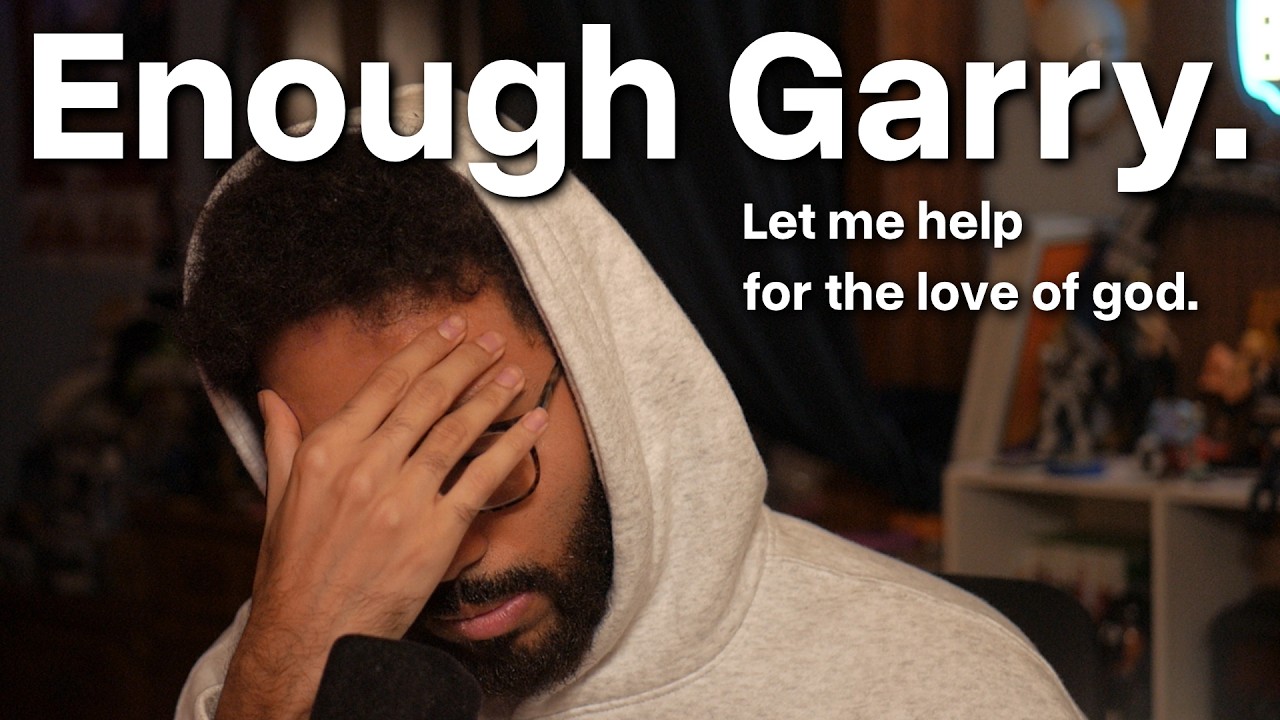
Rather than deflecting criticism or issuing a sanitized, corporate statement, Newman took to YouTube to deliver an extensive, raw, and unvarnished mea culpa. Responding directly to a critical retrospective video titled "S&box’s Free To Play Weekend Isn’t Enough" by prominent community creator Eridium, Newman owned up to the project’s missteps with brutal honesty. His public confession covered everything from the universally disliked "citizen" character model to systemic content discovery failures, admitting outright: "We weren’t ready and we fucked it."
Newman’s candor offers a rare, unfiltered look into the psychological and structural realities of indie game development at scale. It demonstrates a harsh truth of the modern gaming industry: past triumphs and accumulated wealth do not insulate a studio from misjudging the pulse of its audience. This comprehensive retrospective examines the timeline of s&box‘s struggles, the core issues raised by creators and players, Newman’s strategic concessions, and what the future holds for Facepunch’s ambitious platform.
Detailed Chronology: From High Hopes to Hard Realities
To understand the gravity of Newman’s recent statements, one must trace the trajectory of s&box from its conceptual roots to its rocky market entry.
The Legacy of Garry’s Mod and the Genesis of S&box
For nearly twenty years, Garry’s Mod (GMod) has reigned as an immortal pillar of PC gaming culture. Released in 2004 as a modification for Valve’s Source engine, it evolved into a standalone sandbox phenomenon that birthed entire genres, machinima careers, and communities. When Facepunch first announced s&box—initially envisioned as a spiritual successor running on modern technology (eventually shifting to Source 2)—the expectations were astronomical. Fans anticipated a next-generation canvas where developers and players alike could build, script, and share limitless interactive experiences without technical constraints.
A Five-Month Struggle on the Market
Despite the immense goodwill generated by Garry’s Mod and Rust, the rollout of s&box over the past five months has been fraught with friction. Facepunch initially attempted a quiet, under-the-radar launch strategy, hoping the platform would organically find its footing and scale naturally over time. However, this strategy backfired.
Instead of a smooth, grassroots buildup, the platform suffered from a fragmented player base, an overwhelmed discovery system, and widespread confusion over its identity. The tipping point arrived with a heavily promoted free-to-play weekend designed to inject life into the ecosystem. Rather than attracting a wave of enthusiastic creators, the event highlighted deep structural flaws, drawing intense criticism from dedicated community members who felt Facepunch was rushing the platform before it was feature-complete.
The Eridium Retrospective and the Breaking Point
The tipping point for public discourse came via the YouTube creator Eridium, whose deep dives into s&box have served as an independent barometer for the platform’s health. Eridium’s video, "S&box’s Free To Play Weekend Isn’t Enough," laid bare the community’s mounting anxieties, arguing that superficial promotions could not fix fundamental design and structural oversights.
Rather than ignoring the critique or banning dissenting voices, Newman pinned a massive, soul-searching comment to the video, validating Eridium’s points and opening the floodgates for a broader conversation about where s&box went wrong—and how Facepunch plans to fix it.
Supporting Context & Metrics: The UGC Battlefield and Platform Hurdles
The challenges facing s&box are emblematic of a broader existential crisis within the modern user-generated content market. Facepunch is attempting to carve out a sustainable space in a landscape dominated by entrenched giants, while simultaneously grappling with internal design choices that missed the mark.
The Roblox Comparison and the Identity Crisis
One of the most persistent criticisms leveled against s&box is that it has drifted too close to the mechanical and aesthetic philosophy of Roblox—albeit within a more technically sophisticated engine. While Garry’s Mod benefited immensely from leveraging the instantly recognizable, high-fidelity asset library and stylistic familiarity of Valve’s Half-Life 2, s&box struggled to find its own visual and cultural identity.
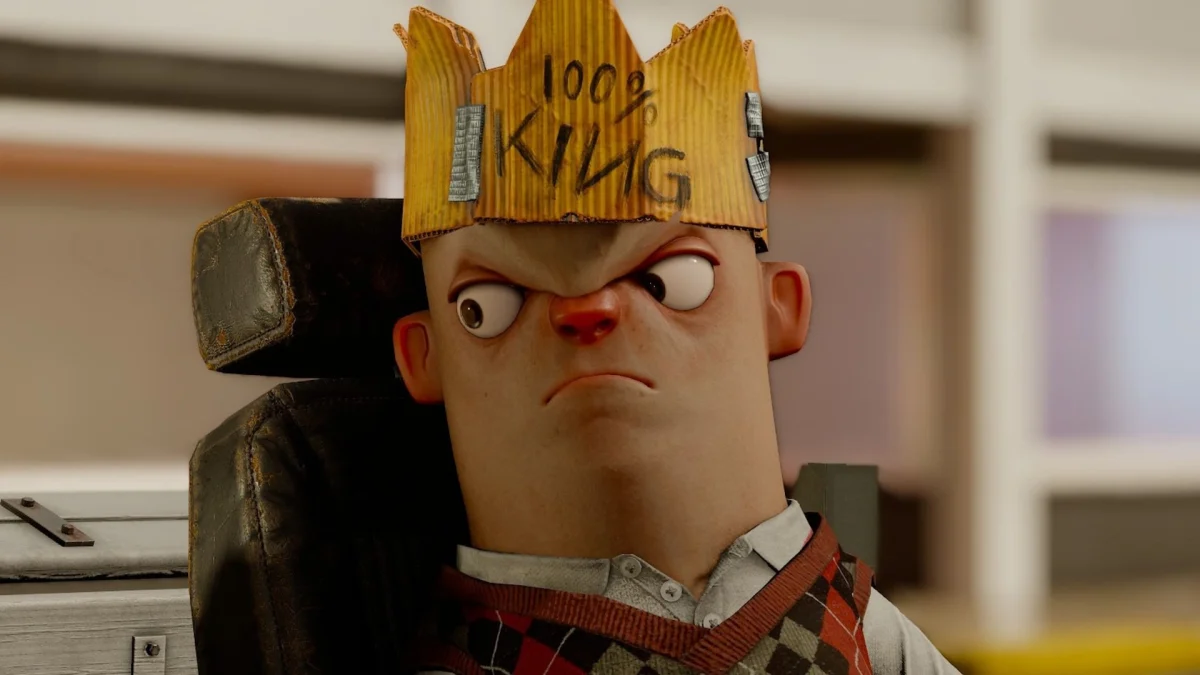
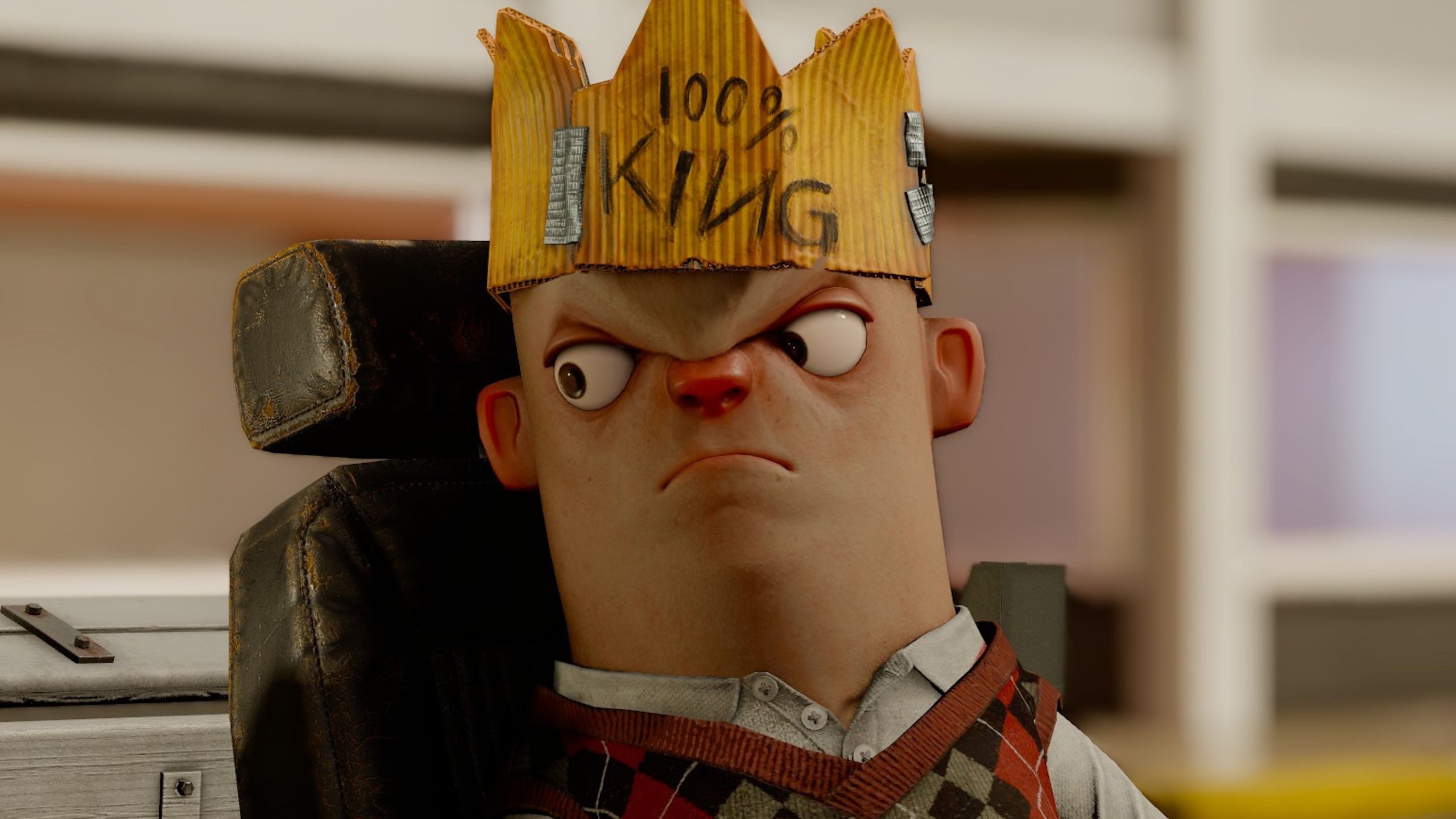
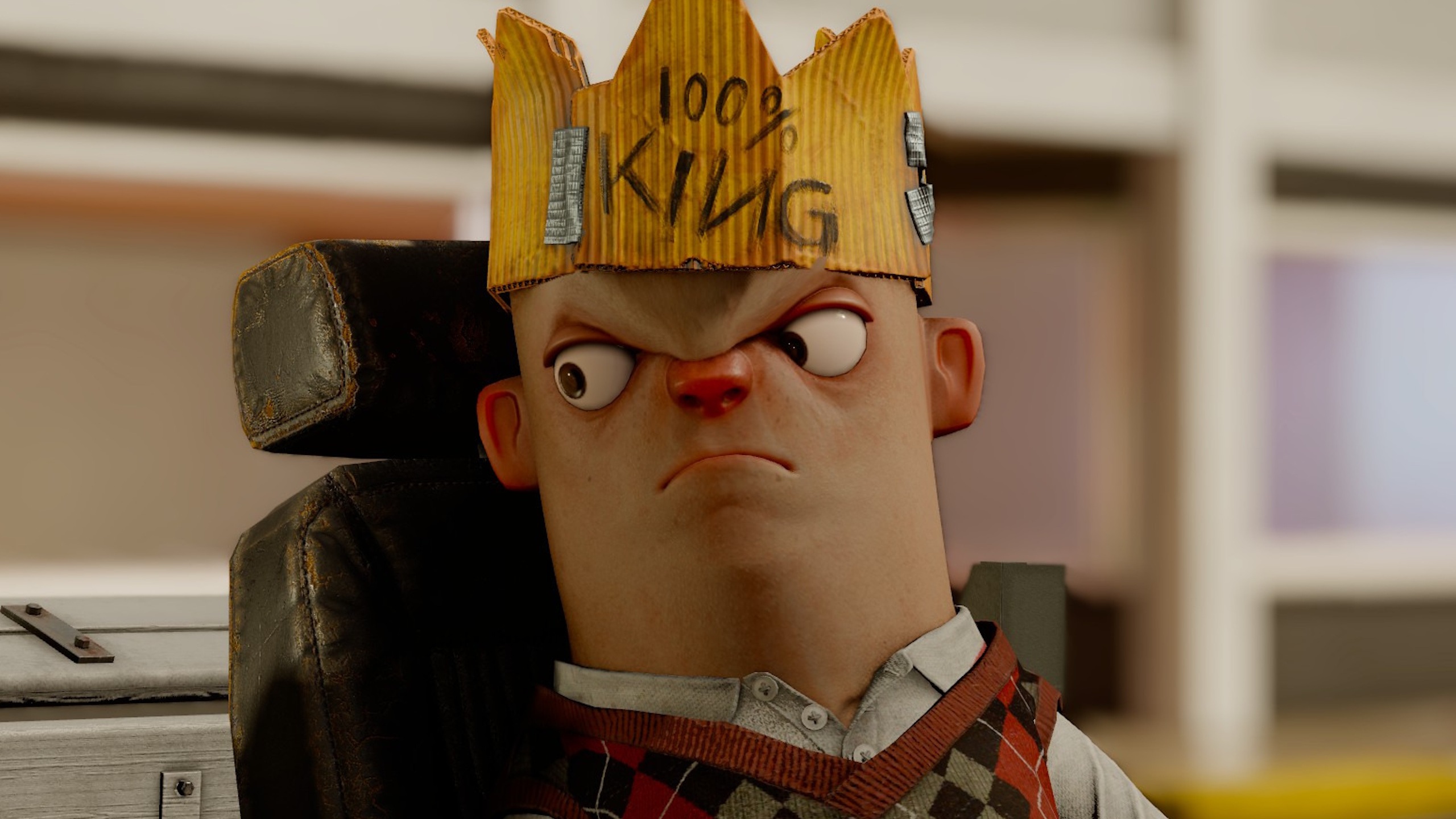
At the center of this aesthetic debate was the signature "citizen" character model. Intended to give the platform a unifying visual anchor, the citizen model was met with almost unanimous rejection by the community. Newman admitted that while he personally liked the character and believed an indie studio releasing a first game with such a model would face no backlash, s&box was inevitably measured against the towering legacy of Valve’s design standards.
Furthermore, the platform became bogged down by a severe signal-to-noise ratio problem. Newman pointed out that having a handful of genuinely exceptional games means little when those titles are buried beneath an ocean of 500 low-effort tech demos, asset flips, and clicker games.
The Launch Fallout and Public Relations Missteps
The launch window proved disastrous for public perception. Newman did not mince words regarding the execution of the rollout, acknowledging that it actively burnt bridges, alienated the legacy Gmod community, and generated a pervasive wave of negative sentiment.
Compounding these operational struggles were bizarre external controversies, including widespread, unfounded community rumors and complaints regarding non-fungible tokens (NFTs)—a technology entirely absent from s&box. This phenomenon highlighted a broader communication gap between Facepunch and its audience during the platform’s vulnerable early days.
Official Statements: Garry Newman’s Unfiltered Mea Culpa
In his comprehensive YouTube response, Newman addressed every major pain point with refreshing accountability. Below are the key takeaways from his public address to the community:
-
On the Abandonment of the Citizen Character Model:
"I like the citizen, I have liked the citizen and I will like the citizen. It gave the game and the platform an identity… But I think I’m done trying now and we’re just going to get rid of it and push the human characters forward… We’ll be doing that over the next month or so."
-
On the Sunk Cost Fallacy and Operational Realities:
"I don’t like giving up on things, I am stubborn… We have obviously dedicated a lot of time and effort into it so there is a sunk cost fallacy there. It’s at the point now where I can see it isn’t going to change and we’re going to have fewer headaches if we switch totally to humans."
-
On Content Discovery and the Playfund:
"There being too much content is a problem. It’s no good having 20 good games on the platform when they’re swimming in the sea of 500 tech demos and clickers… We’re changing Playfund so it’s not incentivising it. We’re going to switch to a Workshop subscribe/install model for maps and games."
-
On the Botched Launch:
"The launch was shit. The free weekend was shit… It was crap, it has burnt bridges and made people angry, it’s given a negative view of s&box, it’s turned the gmod community against it. We can’t get away from that, we fucked it. We weren’t ready and we fucked it. We know that, you know that, we fucked it."
-
On Influencer Relations and Independent Critics:
"We have had conversations about hiring you [Eridium] a few times. The conclusion we’ve always come up with is that you’re more useful to us as an independent. We don’t want you thinking you can’t make videos like this calling us out. We don’t want you to stop holding us to account."
Future Outlook: Rebuilding S&box for the Next Decade
Newman’s candid admission is not merely an exercise in catharsis; it serves as the foundation for an aggressive pivot in how Facepunch manages, structures, and presents s&box moving forward.

Aesthetic Overhaul and Character Transition
Over the coming weeks, Facepunch will systematically phase out the controversial citizen character models in favor of fully realized human characters. By shedding the design element that served as a lightning rod for community dissatisfaction, the studio hopes to reset the platform’s visual identity and align closer with player expectations.
Revamping Content Discovery and Curation
Recognizing that browsing through hundreds of low-quality tech demos is a deterrent to user retention, Facepunch is overhauling its distribution architecture. The planned shift toward a traditional Workshop-style subscription and installation model for maps and games directly addresses user fatigue. By abandoning the overwhelming front-page selection model in favor of curated, deliberate downloads, s&box aims to highlight genuine quality over algorithmic clutter. Additionally, restructuring the Playfund will discourage the production of low-effort spam designed solely to game developer incentives.
Navigating the AI Era
Looking toward the horizon, Newman touched upon the looming influence of artificial intelligence in game development. He noted that the current landscape represents a double-edged sword for UGC platforms:
"Right now with AI it’s either the worst time in history to launch a UGC platform or the best time in history to launch a UGC platform. I don’t know which one. I do have the distinct feeling that in 10 years time we’ll be looking back at the stuff we do in the next 3 months and either regretting making decisions or regretting not making them."
Conclusion: Trust Through Transparency
The road ahead for s&box remains arduous. Rebuilding bridges with a skeptical community, cleaning up content curation, and shifting core artistic assets are monumental tasks. However, by embracing radical transparency, owning up to past failures without evasion, and actively partnering with independent critics rather than silencing them, Garry Newman and Facepunch Studios have demonstrated the exact kind of resilience that turned Garry’s Mod and Rust into legends. If Facepunch can successfully execute these course corrections over the coming months, s&box may yet fulfill its ultimate promise as the definitive sandbox platform of the modern gaming era.






Belum ada komentar. Jadilah yang pertama berkomentar!