


In the heart of Kagawa Prefecture on Shikoku—Japan’s smallest main island—lies a culinary tradition so deeply ingrained in local culture that it has achieved mythic status throughout the nation. Sanuki udon, renowned for its thick, resilient, and intensely chewy texture, is a regional masterpiece. Yet, despite its global reputation among gourmands, travelers often experience it purely as passive consumers, slurping bowls in crowded neighborhood eateries without ever understanding the meticulous, physical craftsmanship required to bring the dish to life.
Seeking to bridge this experiential gap, intrepid SoraNews24 reporter Kouhey recently embarked on an investigative journey to the historic town of Kotohira. Home to the legendary Kotohira Shrine (affectionately known as Kompirasan) and its grueling 785-step stone approach, Kotohira is also the birthplace of the Nakano Udon School (Nakano Udon Gakko). Operating for over four decades as an extension of a century-old institution, this establishment invites novices to step behind the counter and learn the sacred arts of Sanuki udon production.
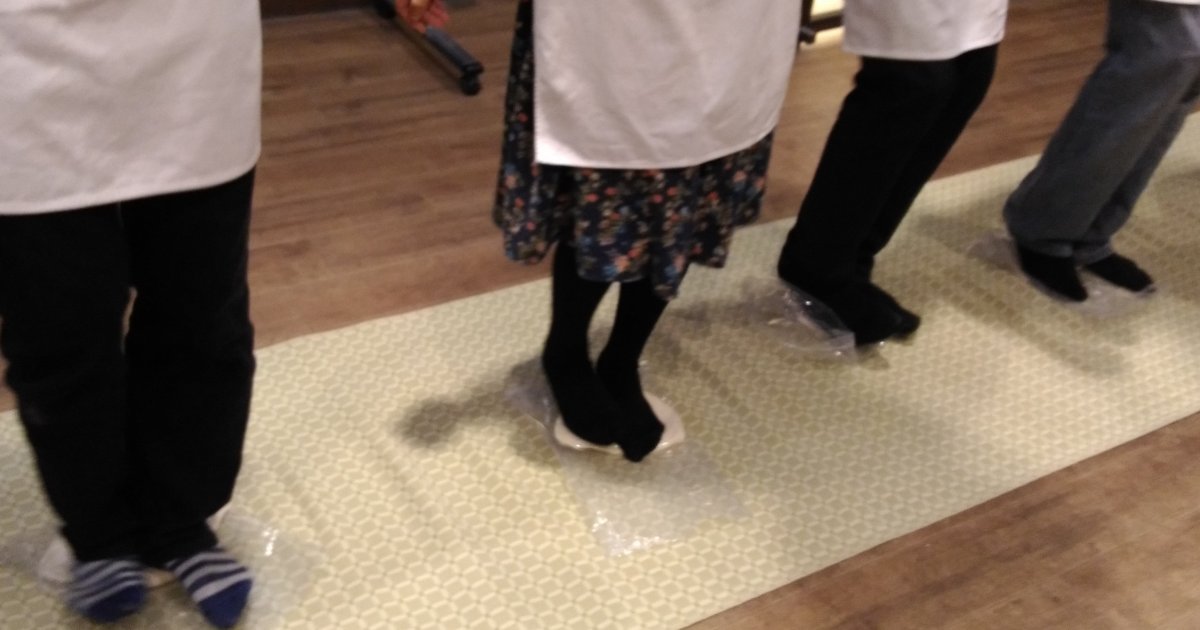
What begins as an impulsive detour transforms into a high-energy, multisensory cultural immersion. Participants do not simply knead dough with their hands; they dance atop it to thumping background beats in a retrofitted, school-themed classroom, transforming traditional food preparation into a joyous, communal performance. This comprehensive report explores Kouhey’s hands-on encounter at the Nakano Udon School, detailing the choreography of noodle making, the economics of culinary tourism, the sensory contrast between factory-made perfection and amateur craftsmanship, and the enduring psychological impact of mastering a regional craft from scratch.
Detailed Chronology: A Step-by-Step Encounter at Nakano Udon School
Phase 1: Arrival, Impulsive Registration, and Souvenir Selection
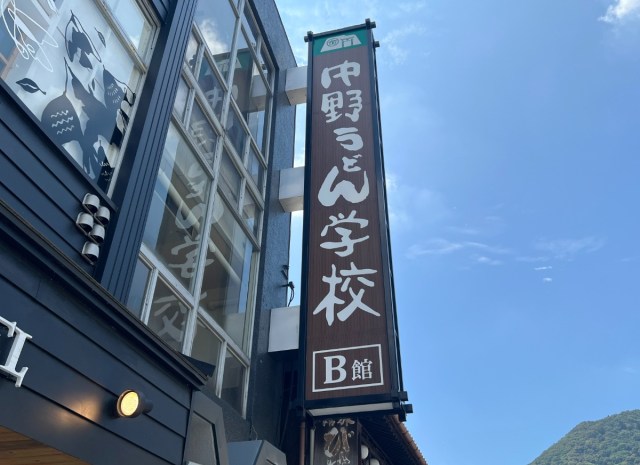
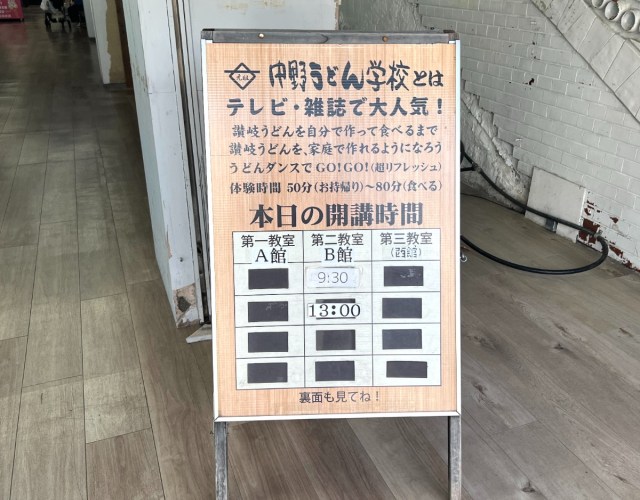
Kouhey’s journey into the world of professional noodle crafting was entirely unplanned. Strolling through the vibrant streets of Kotohira at the foot of the iconic Kompirasan shrine, he encountered the unassuming facade of the Nakano Udon School. A glance at the daily schedule posted outside revealed a structured operation: three distinct structures—Building A, Building B, and the West Building—manage a steady influx of culinary students. On the day of his visit, Building B was operational, featuring class slots at 9:30 a.m. and 1:00 p.m.
Upon stepping up to the reception desk, Kouhey learned that the standard instructional window spans approximately 50 minutes. Fortunately, a last-minute cancellation afforded him an open seat in an otherwise packed session.
Before entering the classroom, participants are confronted with a critical logistical choice: whether to consume their freshly crafted noodles on-site in the cafeteria or pack them away to cook at home. Opting for the latter, Kouhey paid the individual solo participant fee of 1,980 yen (approximately $13 USD)—a modest investment for an afternoon of professional instruction.
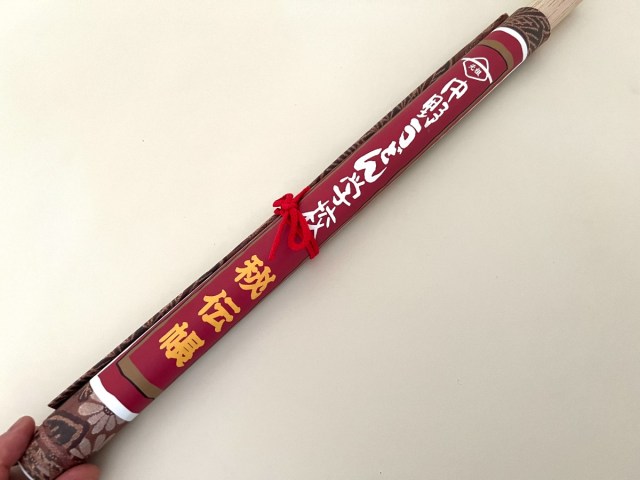
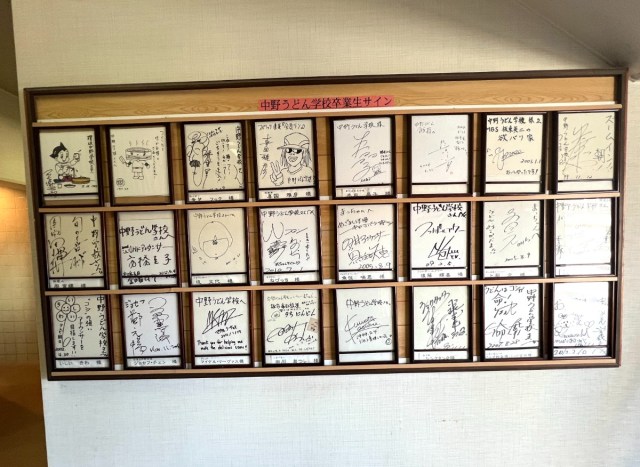
Next came a uniquely whimsical souvenir selection. Students are offered a choice between two raw servings of pre-made udon or a proprietary "Secret Recipe Scroll" that cleverly doubles as a heavy-duty wooden rolling pin. Eschewing the extra noodles, Kouhey selected the scroll, holding a tangible piece of culinary mystery that guards the institutional secrets of Sanuki wheat manipulation. Nearby, a wall bearing the autographed signatures of celebrity "graduates" underscored the academy’s institutional pedigree, treating the kitchen floor with the institutional gravity of an elite alma mater.
Phase 2: The Classroom Setting and the Iconic Bell
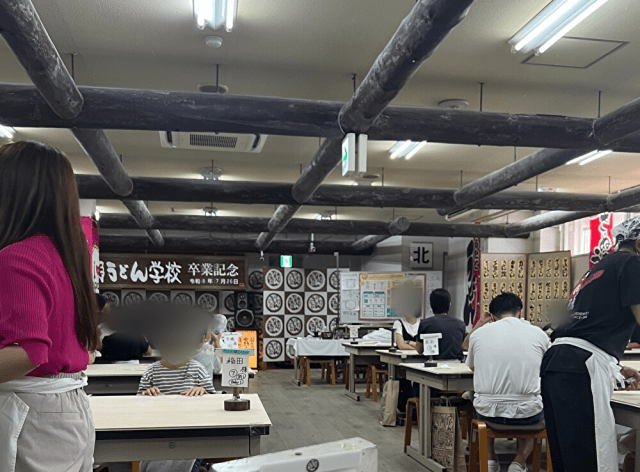
Upon entering the instructional venue, attendees are immediately greeted by an environment engineered to evoke nostalgia. The classroom layout mirrors a traditional Japanese schoolroom, complete with rows of low worktables and seating capacity for over 20 eager participants. Families with young children, solo travelers, and groups of friends fill the room to maximum capacity.
At the head of the room stands the instructor—a seasoned culinary professional easily identified by the dark blue hand towel (tenugui) expertly tied around his head like a headband, gripping a wireless microphone.
Suddenly, the familiar, nostalgic chime rings out across the room:
♪ ~Ding Dong Dang Dong~ ♪
With the classic Japanese school bell signaling the commencement of "period one," the lesson officially begins.
Phase 3: The Rolling and Cutting Masterclass
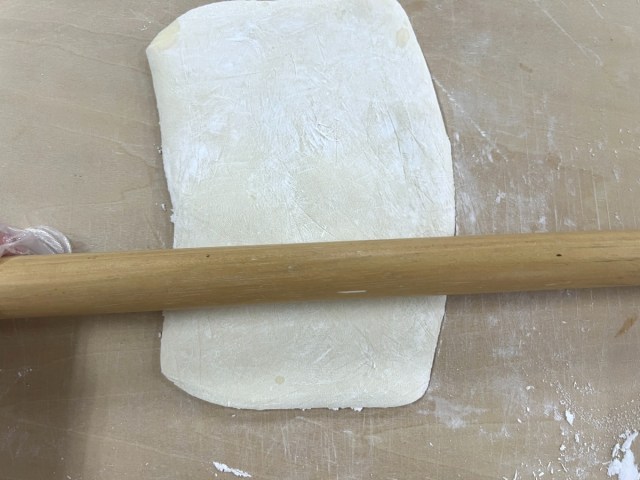
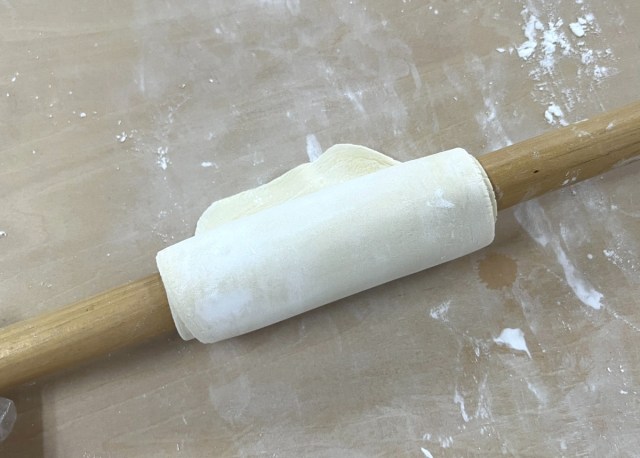
The instructional sequence turns immediately to technique. Students are first presented with a pre-prepared, rectangular block of rested dough featuring smooth, rounded corners. The initial task requires structural expansion: rolling out the dense mass, carefully wrapping it around the wooden rolling pin, and unrolling it to achieve an even sheet.
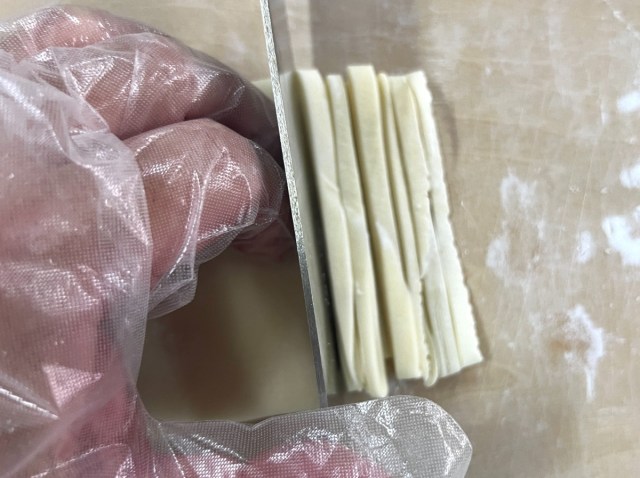
Once the dough sheet reaches the desired thickness and elasticity, it is folded and transferred to the cutting station. Armed with a specialized heavy-bladed knife, the student must slice the sheet into uniform strips.
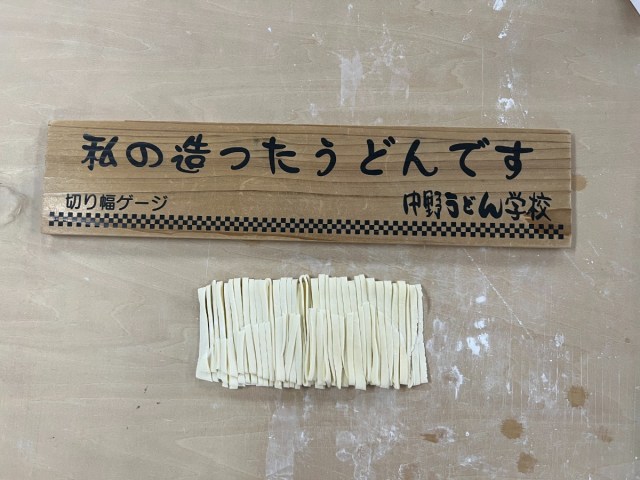
For Kouhey, this moment served as his introduction to the humbling realities of artisanal labor. Upon inspecting his finished cuts, he noted a distinct lack of uniformity; thick wedges sat side-by-side with paper-thin slivers. Yet, despite the rustic irregularity of his maiden voyage into noodle-cutting, a palpable sense of pride accompanied the visual imperfection. These were his noodles—hand-forged, uneven, and utterly unique.
Phase 4: The Main Event—Stomping the Dough
With the cutting exercise concluded, the curriculum transitioned to the foundational creation of the dough from scratch. This is where the Nakano Udon School transcends a standard cooking class and enters the realm of performance art.
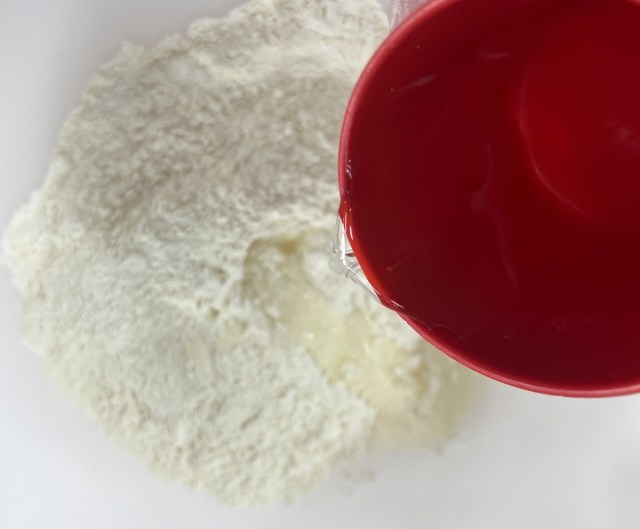
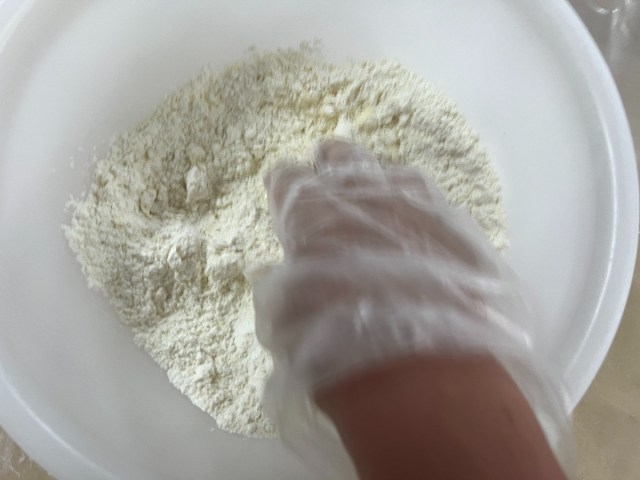
The process commences in a traditional circular wooden kneading bowl known as a konebachi. Flour is measured into the basin, and a precise ratio of salted water is introduced from a bright red cup. Instructors direct students to hold their fingers upright, stirring the mixture dynamically until the powdery flour absorbs the liquid and transforms into a coarse, crumbly texture.
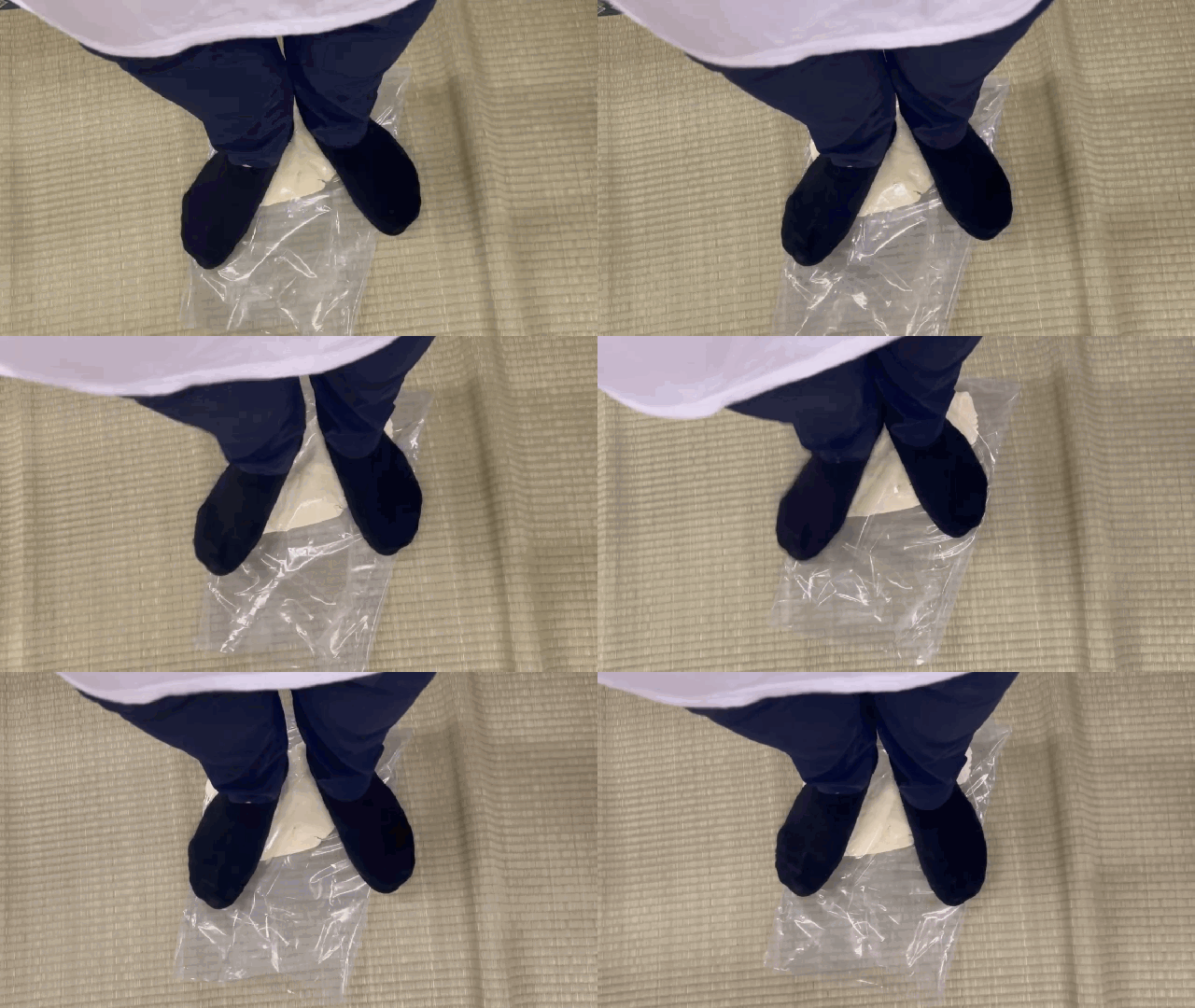
This crumbly matrix is then transferred into a heavy-duty plastic bag, sealed, and flattened onto the floor atop a traditional tatami mat.
Enter the school’s signature technique: foot-kneading (ashi-fumi).
Sanuki udon demands an extraordinary degree of gluten development to achieve its legendary springy texture. Human hands alone struggle to exert the necessary hydraulic pressure, making podiatric stomping the historically authentic method of choice. Students slip off their shoes, leaving their socks on, and step directly onto the bagged dough.
What could easily be a grueling physical chore is transformed into an ecstatic celebration. Upbeat, high-energy background music begins to pump through the classroom sound system. Instructors encourage students to step, bounce, and rhythmically dance on top of their dough. The room erupts into synchronized motion; adults shed their inhibitions, tapping into their inner children as they stomp out air pockets and develop the gluten network to a pulsing soundtrack. Historic sessions at the school have featured eclectic auditory backdrops ranging from K-Pop sensations like Gangnam Style to viral novelty tracks like PPAP, complete with fellow students keeping rhythm using tambourines.
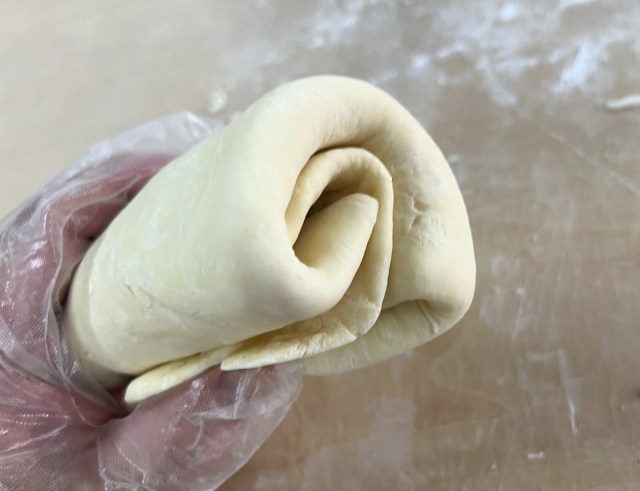
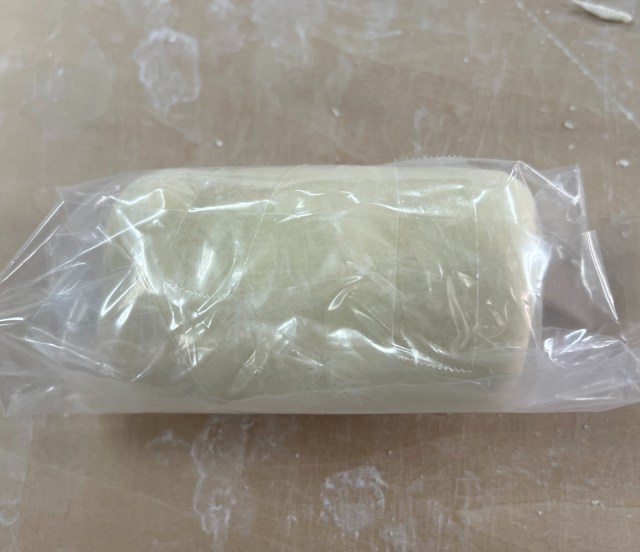
Once the foot-kneading phase reaches its zenith, the flattened dough is folded into intricate layers, rolled into a cylinder resembling a giant Japanese roll cake (baumkuchen), and prepared for its crucial aging process (jukusei), which varies in duration depending on ambient seasonal temperatures. With this final step, the formal class is dismissed.
Phase 5: Graduation and Documentation
No school experience would be complete without a commencement ceremony. Participants gather beneath a large, celebratory "Graduation Commemoration" banner hanging at the back of the classroom. Families, friends, and solo adventurers line up to pose with their rolling pins, Secret Recipe Scrolls, and finished dough packages, capturing a permanent memory of their time in Kagawa.
Supporting Context & Metrics: Economics, Tourism, and Culinary Science
To fully appreciate the cultural weight of the Nakano Udon School, one must examine the broader economic and gastronomic framework surrounding Sanuki udon.
Pricing and Accessibility Matrix
The school offers tiered pricing structures designed to accommodate individual travelers, families, and large tour groups. The financial breakdown is structured as follows:
- Solo Participant (Take-Home Udon): 1,980 yen (~$13.00 USD)
- Solo Participant (On-Site Dining): 2,530 yen (~$16.50 USD)
- Group Participants (Up to 14 people): 1,760 yen per person (regardless of whether noodles are consumed on-site or taken home)
- Large Groups (15 or more people): 1,650 yen per person
This highly accessible pricing model ensures that culinary education remains approachable for budget-conscious backpackers as well as corporate tour groups. Furthermore, the mandatory advanced booking system—accessible via the official Nakano Udon School website—helps manage high-volume tourist traffic during peak seasonal windows.
The Science of Sanuki Udon: Factory vs. Artisan
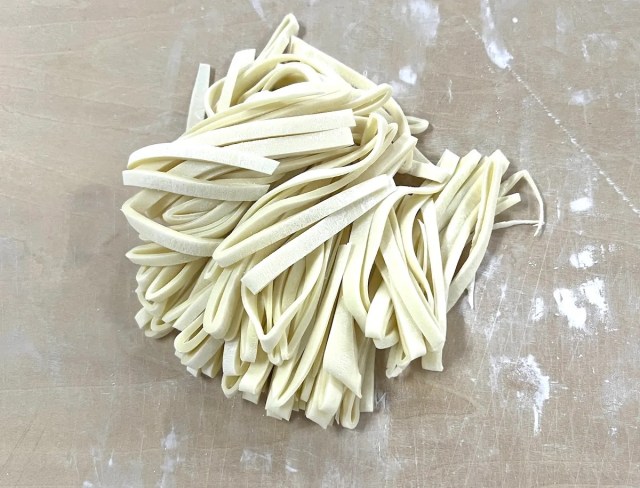
Upon returning home, Kouhey conducted a blind comparative analysis, boiling a package of professionally manufactured Sanuki udon purchased at the Nakano Udon School gift shop alongside the hand-cut noodles he had produced during class.
The disparities were immediately apparent upon plating:
- Visual Geometry: The gift shop noodles featured a clean, perfectly round cross-section with absolute uniformity in thickness, reflecting industrial precision. Kouhey’s hand-cut noodles were flat, wide, and varied wildly in width due to inconsistent knife pressure.
- Textural Integrity: When consumed, the factory-made noodles delivered the hallmark Sanuki characteristic: an exterior firmness yielding to a deeply satisfying, elastic chew. Kouhey’s homemade batch missed this ideal textural dichotomy, suffering from a slightly over-soft bite caused by prolonged boiling times on his residential stove.
- Gastronomic Psychology: Despite the aesthetic and textural shortcomings of the amateur batch, Kouhey reported that the emotional resonance of consuming his own labor vastly outweighed the flawless perfection of the factory product.
Official Statements & Institutional Heritage
Operating for over four decades within a century-old corporate legacy, the Nakano Udon School has cultivated a distinct institutional philosophy. Management maintains that the soul of regional cuisine cannot be preserved solely through automated manufacturing; it must be transmitted physically from body to body.
In promotional materials and instructional addresses, senior instructors emphasize that the physical act of "dancing on the dough" is not merely a tourist gimmick, but a scientifically validated method for processing high-gluten flour. The human foot distributes weight evenly across a broad surface area, exerting continuous, uniform pressure that breaks down protein bonds without tearing the delicate starch matrix.
Local tourism boards in Kagawa Prefecture—often overshadowed by neighboring tourist meccas like Kyoto or Osaka—frequently cite the Nakano Udon School as a cornerstone of regional revitalization. By transforming a staple food product into an interactive, theatrical curriculum, the institution has successfully converted transient sightseers into engaged cultural ambassadors who carry the craft of Sanuki udon back to their home prefectures and countries.
Future Outlook
As culinary tourism continues to evolve globally, travelers increasingly reject passive sightseeing in favor of immersive, skill-acquiring itineraries. Establishments that successfully blend authentic regional heritage with accessible, high-entertainment experiences are poised to dominate the post-pandemic travel landscape.
The Nakano Udon School stands as a benchmark for this educational tourism model. By gamifying a traditionally rigorous culinary art—introducing school bells, graduation certificates, rolling-pin scrolls, and high-energy dance routines—the academy breaks down cultural and linguistic barriers. Visitors who cannot speak a word of Japanese find themselves effortlessly communicating through shared rhythm, flour-dusted aprons, and the universal language of shared laughter.
For Kagawa Prefecture, the future of Sanuki udon tourism looks exceptionally bright. As long as travelers continue to climb the 785 steps of Kotohira Shrine, institutions like the Nakano Udon School will remain ready to welcome them at the base of the mountain—inviting them to kick off their shoes, rock out to pop music, and dance their way to a deeper appreciation of Japanese culinary heritage.






Belum ada komentar. Jadilah yang pertama berkomentar!