The 2026 film landscape has been defined by a resurgence of earnest, character-driven romantic dramas—a cinematic format increasingly rare in an industry heavily dominated by intellectual property franchises and high-concept spectacles. Standing at the vanguard of this movement is director Rachel Morrison’s Love of Your Life, which made its highly anticipated world premiere at the 2026 Toronto International Film Festival (TIFF).
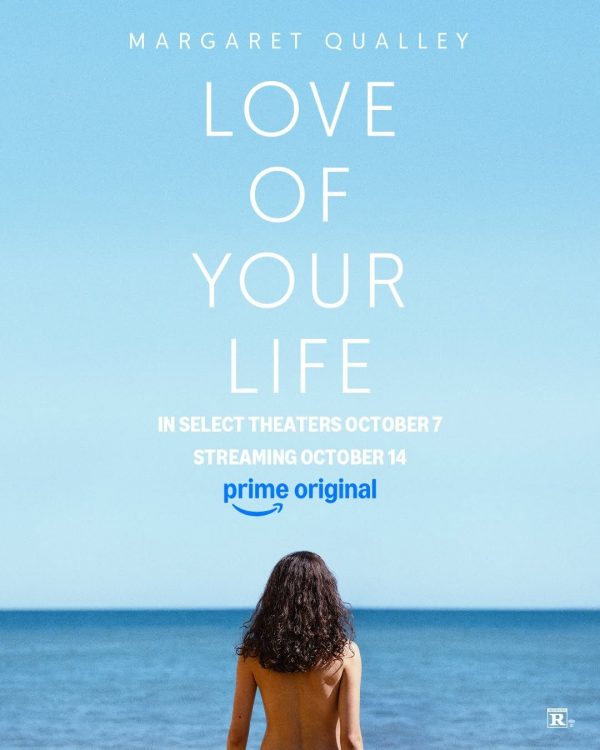
Written by Julia Cox and anchored by a career-best, emotionally seismic performance from Margaret Qualley, Love of Your Life offers a profound, unflinching examination of romance, generational trauma, and profound grief. Spanning multiple years, the narrative traces the life of Maya (Qualley), a fiercely independent and wryly observant nurse whose trajectory is utterly upended by a transformative romance with Charlie (Gabriel Basso) and the unprecedented crucible of the COVID-19 pandemic.
Supported by an ensemble cast that includes Patrick Schwarzenegger, Aaron Pierre, Catherine Keener, and Corey Johnson, the film deftly avoids cynical tropes and formulaic "happily ever afters." Instead, it opts for a nuanced exploration of the human condition, interrogating how individuals mend themselves after the foundational pillars of their lives collapse. This review provides a comprehensive analysis of Love of Your Life, dissecting its narrative architecture, directorial vision, performances, and its broader resonance within contemporary cinema.
Detailed Chronology: The Evolution of Maya and Charlie
The structural integrity of Love of Your Life relies on an episodic yet tightly cohesive timeline that chronicles the undulating trajectory of Maya’s life across several years. The film opens by establishing Maya’s insular, self-reliant existence. Accustomed to the high-stakes, emotionally draining environment of nursing, she has mastered the art of emotional self-preservation. She is independent, sharp-witted, and thoroughly content navigating the world alone.
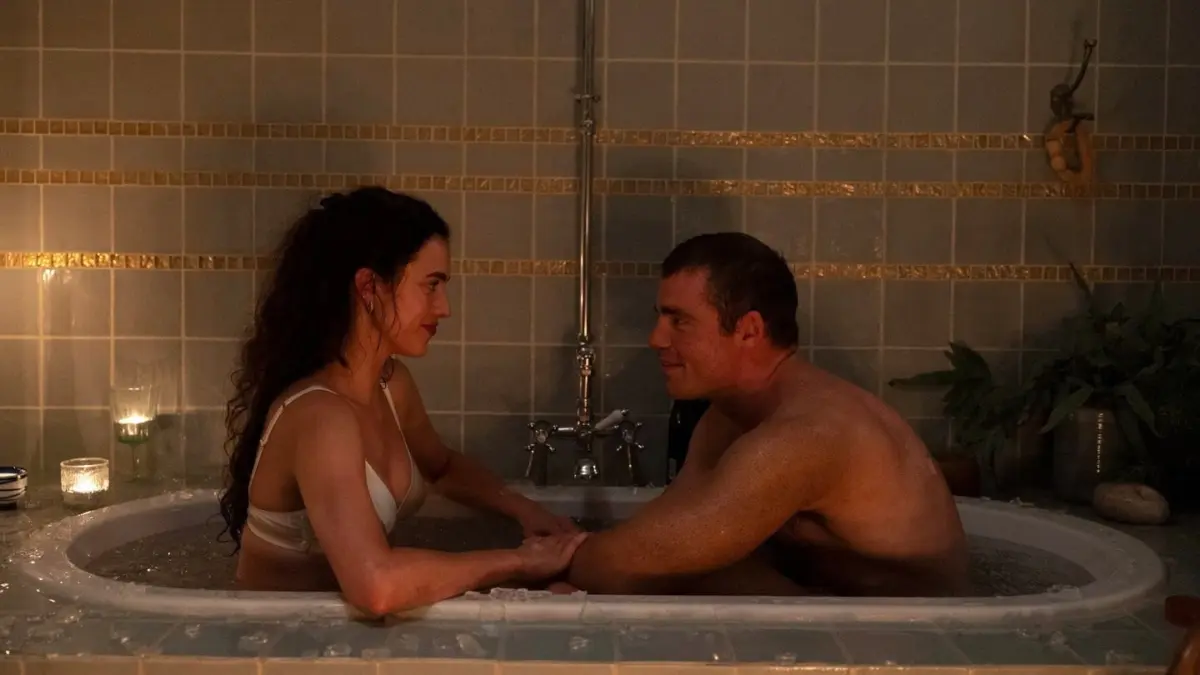
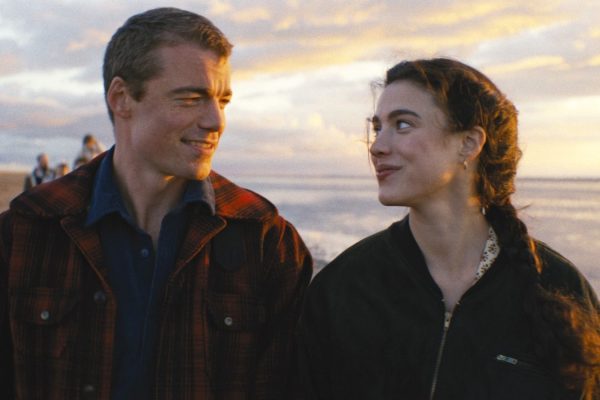
This self-imposed sanctuary is disrupted when she crosses paths with Charlie, brought to life with disarming charm by The Night Agent star Gabriel Basso. Their initial courtship unfolds with a breathless, whirlwind energy, serving as the emotional bedrock of the film’s first act. The narrative brilliance here lies in the friction and complement between their respective upbringings. While Maya has spent a lifetime guarding her heart and looking out exclusively for herself, Charlie emerges from a sprawling, fiercely affectionate, and deeply communicative family. Basso infuses Charlie with endearing quirks, balancing a sharp, self-deprecating wit with a genuine, philosophical appreciation for art and human connection.
As their relationship deepens, the timeline shifts into the shadow of the COVID-19 pandemic. This historical inflection point acts as a narrative catalyst, fracturing the seamless rhythm of their romance. The relentless demands of the healthcare sector place an immense psychological and physical toll on Maya. When tragedy strikes close to home—shattering the domestic security she and Charlie had meticulously built—the film pivots sharply.
The second half of Love of Your Life explores the aftermath of trauma. Maya’s once-vibrant exterior hardens. In these sequences, Qualley’s physical performance does the heavy lifting; her posture grows defensive, her gaze avoids intimacy, and her dialogue spars down to the bare minimum. The episodic time jumps utilized by Morrison and Cox do not fracture the viewing experience; rather, they mirror the disjointed, nonlinear nature of processing profound grief. Maya drifts geographically—finding herself temporarily displaced across the picturesque yet melancholic landscapes of Spain and Portugal—while remaining emotionally anchorless, illustrating the agonizing process of learning how to inhabit a world that no longer makes sense.
Supporting Context & Metrics: Crafting the Cinematic Landscape
Behind the camera, Rachel Morrison—celebrated globally for her pioneering work as an Academy Award-nominated cinematographer (Mudbound, Black Panther)—brings a deeply visual vocabulary to Love of Your Life. Directing from a script by Julia Cox, Morrison utilizes the camera not merely as a recording device, but as an active emotional participant in Maya’s internal state.
Cinematographical Motifs and Aesthetic Choices
The visual language of the film shifts in tandem with Maya’s psychological evolution:
The Intimate Domesticity of Act One: Early scenes are framed with warm, sun-drenched lighting and tight, tactile close-ups that emphasize physical proximity, breath, and touch between Qualley and Basso.
The Clinical Isolation of the Pandemic Era: As the narrative transitions into the healthcare crisis, the palette cools significantly. Harsh fluorescent lighting, stark angles, and wide shots emphasize Maya’s crushing isolation amidst a crowded hospital environment.
The Continental Drift of Grief: The later European sequences utilize expansive landscape framing. Spain and Portugal are not presented merely as tourist backdrops, but as vast, indifferent terrains that underscore how small and untethered Maya feels in the wake of her loss.
Ensemble Dynamics and Character Foil
The supporting players in Love of Your Life are meticulously cast, functioning as essential emotional foils for the central arc:
Patrick Schwarzenegger plays the couple’s steadfast best friend. Schwarzenegger projects an effortless, lived-in camaraderie with Qualley, selling a decade-long platonic bond with quiet authenticity.
Aaron Pierre enters the narrative in the film’s later stages, injecting a profound sense of comfort and a radically fresh perspective on survival. Pierre’s presence acts as a gentle tide, helping to ease Maya out of her self-imposed isolation.
Catherine Keener delivers a heart-wrenching, masterclass performance as Charlie’s mother. Keener captures the multi-generational weight of maternal grief, anchoring the film’s exploration of shared loss with staggering vulnerability.
Official Statements and Industry Reception
The debut of Love of Your Life at the 2026 Toronto International Film Festival generated immediate critical acclaim, positioning it as an early awards-season contender. Industry analysts have pointed to the film as proof that mid-budget, emotionally resonant adult dramas can still capture the public imagination when executed with uncompromising artistic integrity.
In post-screening Q&A sessions and press conferences in Toronto, director Rachel Morrison articulated her motivations for tackling the project:
"We wanted to make a film that didn’t sanitize the way humans heal. Love isn’t a magical eraser that wipes away trauma, nor is grief a neat, linear five-stage process. With Maya and Charlie’s story, we wanted to honor the messiness of survival—how we keep going even when the map of our life has been completely burned away."
Margaret Qualley discussed the unique physical and emotional demands of embodying Maya across such a volatile era:
"Maya is a woman who survives by hyper-independence, and watching that armor crack—and then shatter entirely—required a lot of trust between myself, Rachel [Morrison], and Gabriel [Basso]. We spent a lot of time talking about the silence between people, the things that aren’t said in relationships during a crisis, and how trauma lives physically in the body long after the immediate danger has passed."
Early tracking metrics from festival exit polls indicate exceptionally high emotional resonance scores, particularly among demographics seeking sophisticated storytelling that addresses contemporary anxieties surrounding healthcare burnout and post-pandemic emotional recovery.
Future Outlook: The Cultural Footprint of Love of Your Life
As Love of Your Life prepares for its broader theatrical rollout through major distribution channels following its triumphant TIFF run, its long-term cultural impact appears secure. In an era where cinematic romantic dramas have frequently retreated into YA territory or formulaic streaming comfort watches, Morrison’s film raises the bar for the genre.
Critical Legacy and Awards Trajectory
Industry insiders anticipate significant Academy Award buzz, particularly pointing toward:
Margaret Qualley for Best Actress, driven by her nuanced, physically demanding portrayal of trauma and recovery.
Rachel Morrison for Best Director and her dual mastery of narrative pacing and atmospheric visual storytelling.
Julia Cox for Best Adapted or Original Screenplay, given the deft handling of complex temporal jumps and naturalistic dialogue.
A New Standard for Post-Pandemic Storytelling
Crucially, Love of Your Life succeeds where many cinematic attempts to address the COVID-19 era have faltered. Rather than treating the pandemic as a mere plot gimmick or a sensationalized background event, the film integrates the systemic and psychological toll of the era directly into the DNA of its characters. It explores how collective trauma intersects with private heartbreak, making the narrative universally relatable.
Ultimately, Love of Your Life stands as a triumph of empathy. By refusing to offer easy resolutions or manipulative emotional beats, Rachel Morrison has crafted a timeless meditation on the resilience of the human spirit. It reminds audiences that connection—though fraught with the terrifying risk of loss—remains the single most essential pursuit of the human condition.









Belum ada komentar. Jadilah yang pertama berkomentar!