Date: September 16, 2026 Author: Special Correspondent, Kansai Travel & Urban Mobility Desk Category: Urban Transit, Travel Guides, Osaka Tourism
Executive Overview
For decades, the intercity bus terminal has been viewed as a necessary evil of modern travel—a sterile purgatory of plastic seating, humming vending machines, and endless hours spent scrolling mindlessly on a smartphone. Yet, for travelers passing through Osaka’s colossal Osaka City Air Terminal (OCAT), this conventional paradigm of transit downtime is entirely up for reinvention.
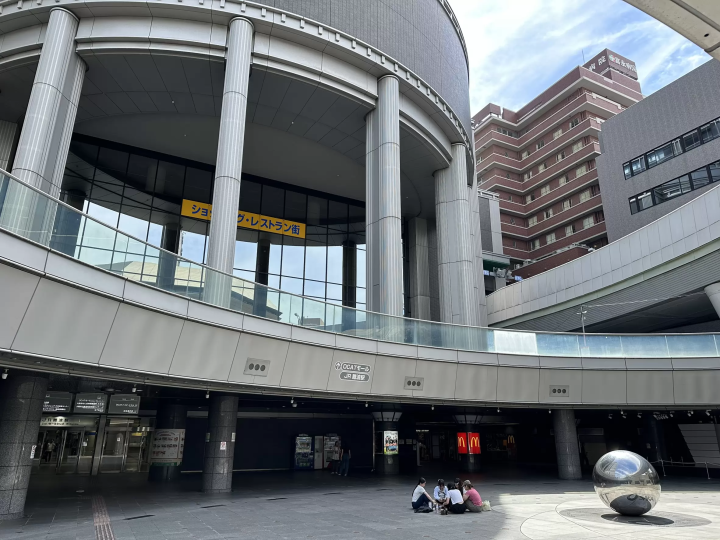
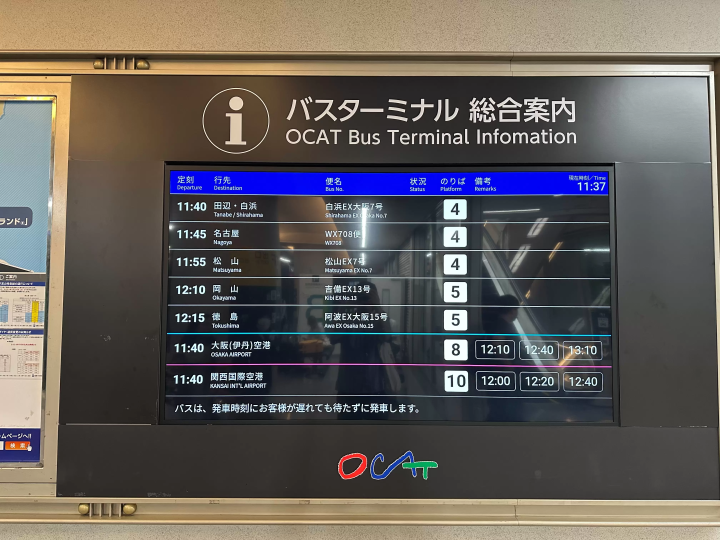
Strategically situated in the pulsating heart of Namba, OCAT serves as western Japan’s premier multi-modal transportation nexus. Handling everything from high-frequency airport limousine services to overnight cross-country sleeper coaches bound for Tokyo, Sendai, Kumamoto, and Kochi, the terminal processes millions of commuters, domestic tourists, and international adventurers annually. However, rather than remaining tethered to the terminal concourse, savvy travelers are increasingly treating an OCAT layover not as a logistical dead zone, but as an impromptu urban excursion.
This investigative guide explores how transit passengers can maximize their pre-departure windows—whether they have a fleeting 45 minutes or a leisurely three-hour gap. By spotlighting three distinct neighborhood destinations located within a stone’s throw of the terminal—a retro public bathhouse steeped in local tradition, a striking architectural marvel of sacred folklore, and a Michelin-adjacent craft beer taproom—we reveal how to transform a mundane bus waiting period into an authentic, culturally enriching segment of an Osaka itinerary.
Detailed Chronology: Navigating the OCAT Infrastructure and Its Immediate Surroundings
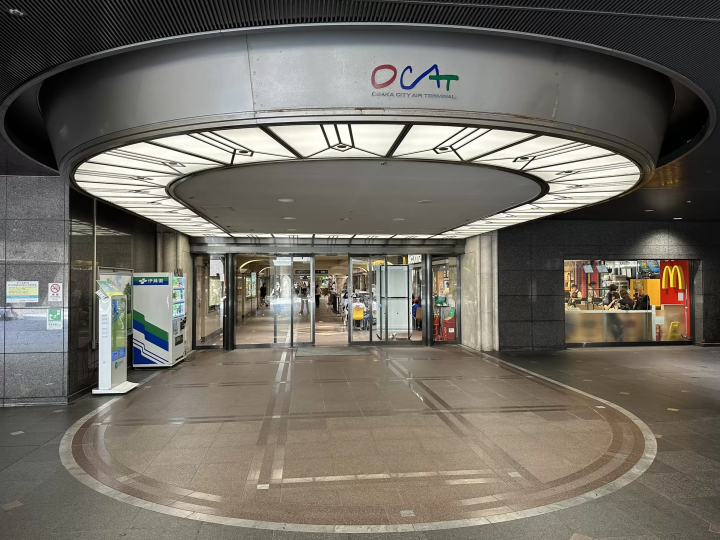
To successfully orchestrate a pre-bus excursion, one must first understand the layout and capabilities of OCAT itself. Opened as a masterstroke of urban planning to decentralize regional transit, OCAT is directly integrated with JR Namba Station and seamlessly linked via subterranean pedestrian networks to the Nankai Electric Railway, Kintetsu Railway, and the Osaka Metro Namba Station complex.
Phase 1: Securing the Base and Internal Reconnaissance
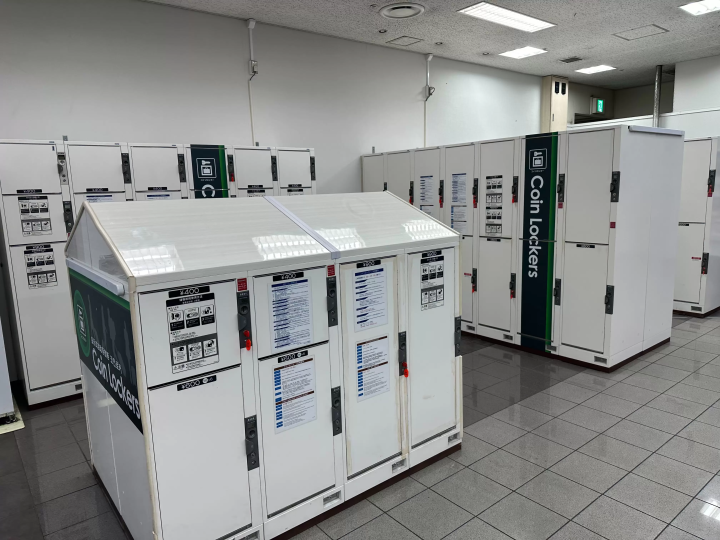
For travelers pressed for time or encumbered by heavy baggage, OCAT’s internal infrastructure offers immediate solutions. The terminal is well-equipped with an array of convenience stores, 100-yen discount emporiums, and comprehensive drugstores. These retail outposts allow passengers to acquire crucial journey provisions—ranging from hydration and snacks to specialized items such as travel-grade earplugs and compression socks—without ever stepping foot outside. Furthermore, an extensive network of secure coin lockers lines the terminal corridors, enabling travelers to shed their luggage and explore the Namba district unencumbered.
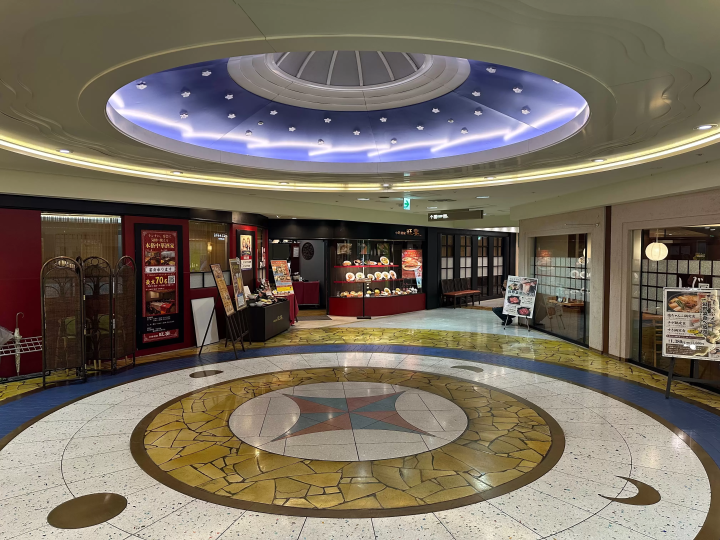
An observant traveler lingering on the ground floor will also stumble upon a fascinating geological easter egg. During the architectural construction of OCAT, master builders utilized substantial quantities of natural marble along the walls and connecting concourses to project a sense of enduring solidity. Embedded within these polished stone tiles are ancient fossil matrices—fossilized remnants of prehistoric marine life preserved as natural patterns. A quiet stroll past the ground-floor walls reveals these subtle traces of the ancient Earth, offering a microscopic history lesson hidden in plain sight.
Phase 2: Stepping Out—The Three Pillars of the OCAT Environs
When departure schedules allow for a brief foray into the surrounding neighborhood, travelers can choose from three curated experiences tailored to different pre-travel moods: relaxation, cultural immersion, or culinary indulgence.
1. The Pre-Journey Reset: Healthy Onsen Tateba
Distance from OCAT: Approx. 8–10 minutes on foot
Operational Profile: Open daily from 2:00 PM to 5:00 AM
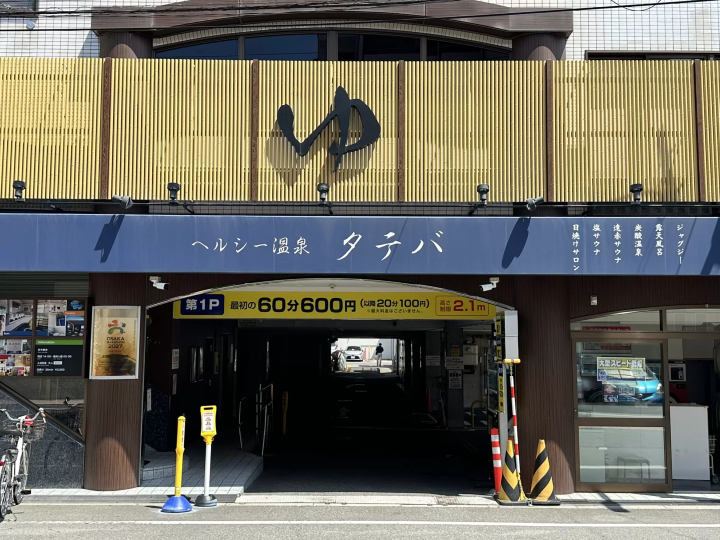
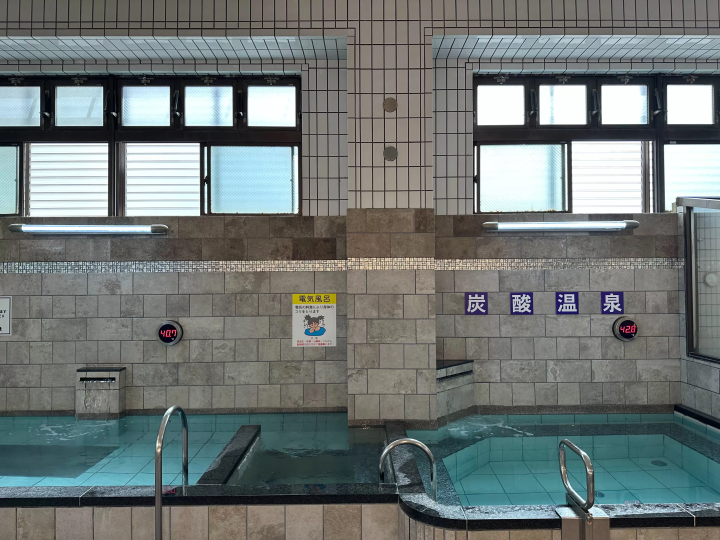
For those preparing to board an overnight bus bound for distant prefectures, physical fatigue can quickly sour an otherwise exciting journey. To counteract this, locals and frequent travelers swear by Healthy Onsen Tateba, a deeply nostalgic public bathhouse (sento) located within walking distance of the terminal.
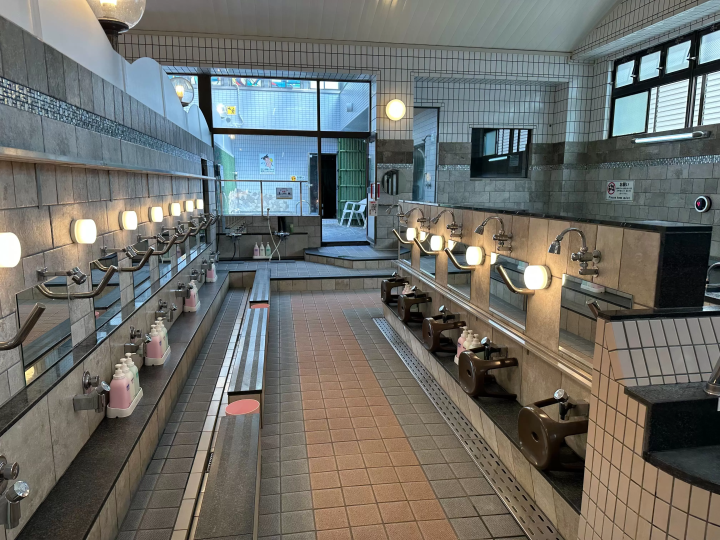
Operating on extended hours that cater specifically to night-owl travelers, Tateba provides an effortless immersion into traditional Japanese bathing culture. Visitors are not required to pack bulky toiletries; the facility supplies complimentary shampoo, conditioner, and body soap. Crucially, in a nod to modern inclusivity that sets it apart from more conservative establishments, Tateba explicitly welcomes patrons with tattoos, sparing international visitors the anxiety of concealing body art.
Inside, the bathhouse offers an array of thermal experiences, headlined by its legendary "electric bath" (denki-buro). A rarity even within the Kansai region, this therapeutic bath delivers a gentle, pulsing electrical current that stimulates tired muscles, relieves stiffness, and acts as the ultimate physical reset before hours of seated confinement on a highway coach. To cap off the experience, the facility features an onsite dining corner serving comforting bowls of udon, Japanese curry, and freshly brewed coffee, allowing bathers to transition seamlessly from relaxation to dining under one roof.
2. The Cultural Quick-Hit: Namba Yasaka Shrine
Distance from OCAT: Approx. 10 minutes on foot
Time Commitment: 15–20 minutes
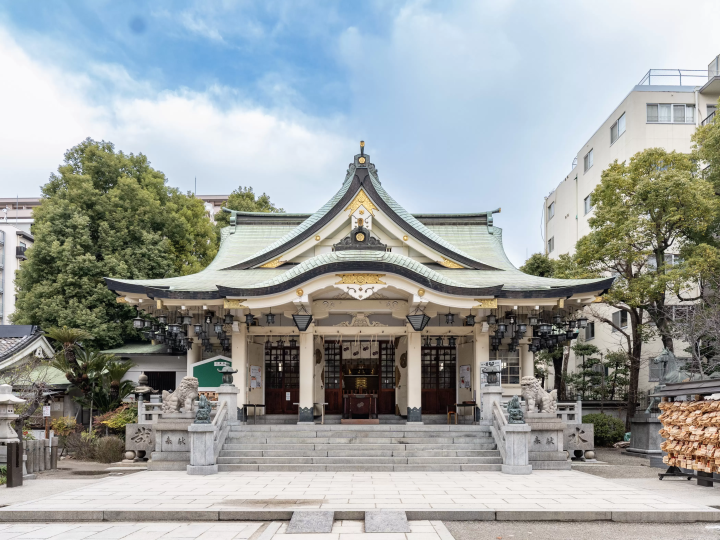
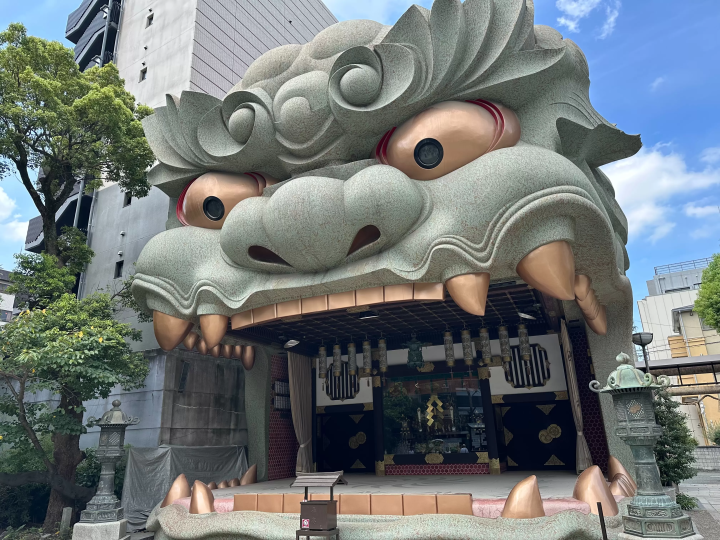
Travelers seeking a potent dose of local folklore without straying too far from their departure gate will find their answer at Namba Yasaka Shrine. While Kyoto often steals the spotlight for historical shrines, this Namba landmark commands attention through its sheer architectural audacity: a colossal, stage-like structure shaped entirely like a giant lion’s head.
The architectural centerpiece, known as the Ema-den (Stage for Votive Tablets), stands 12 meters high, 11 meters wide, and 10 meters deep. The lion’s cavernous, perpetually open mouth is steeped in regional mythology, believed to ceremonially swallow up evil spirits, ward off misfortune, and bestow decisive victory and financial prosperity upon those who pass before it. Consequently, the shrine has become a magnet for students facing exams, business professionals seeking commercial luck, and international tourists eager for an iconic photo opportunity.
The shrine grounds can be efficiently navigated in under 20 minutes, making it an ideal destination for a tight pre-bus window. Visitors can acquire unique souvenirs, including intricately embroidered amulets, seasonal goshuin (calligraphic temple stamps), and fortune-telling slips (omikuji). For photography enthusiasts, timing a visit for approximately 10:00 AM on a clear, sunny day rewards the traveler with a striking visual: natural sunlight floods the interior of the lion’s mouth, illuminating the sacred space for exceptional photographic composition.
3. The Gourmet Taproom: Maruho Sake Shop Minami Branch
Distance from OCAT: Less than 5 minutes on foot
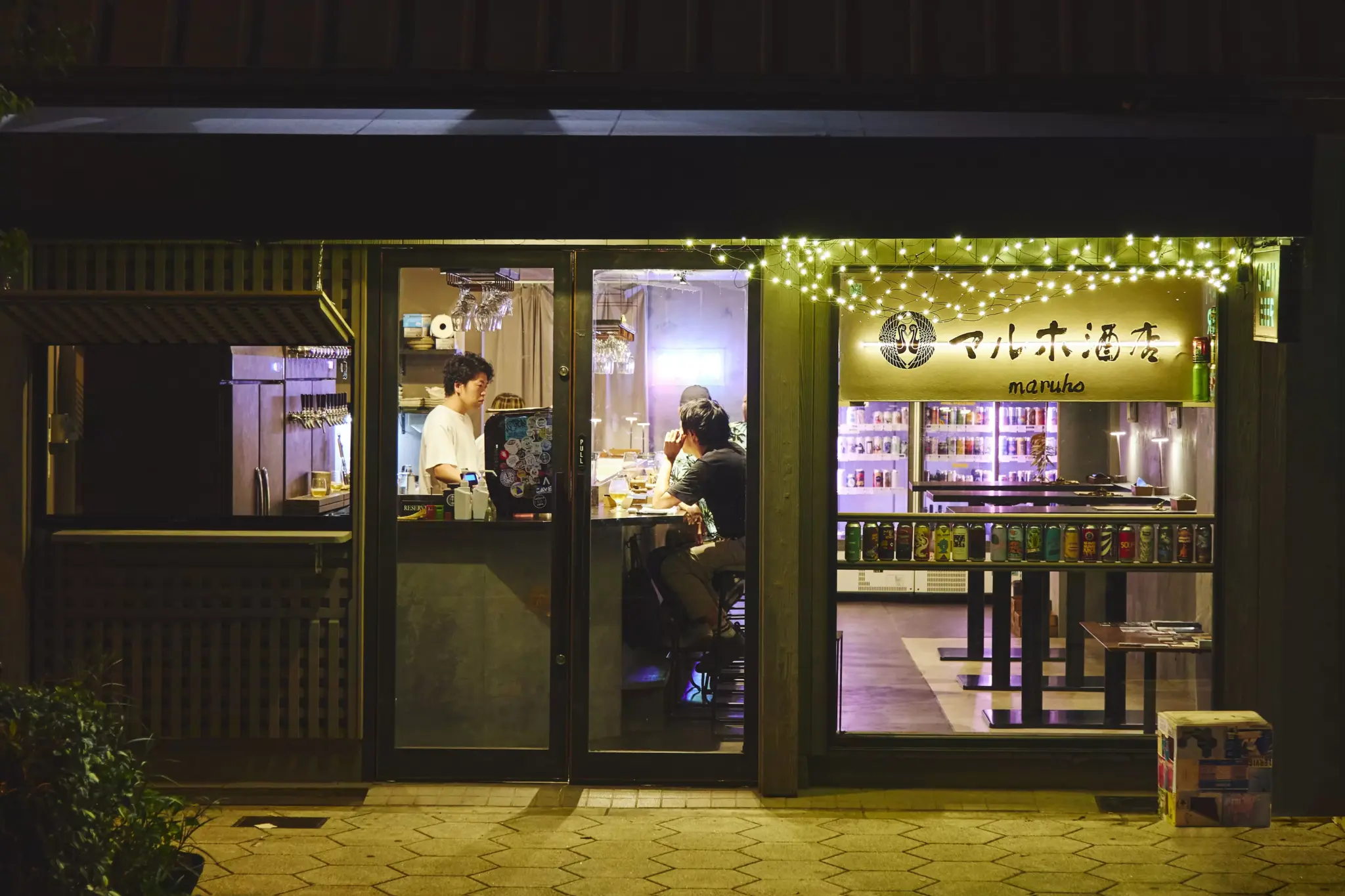
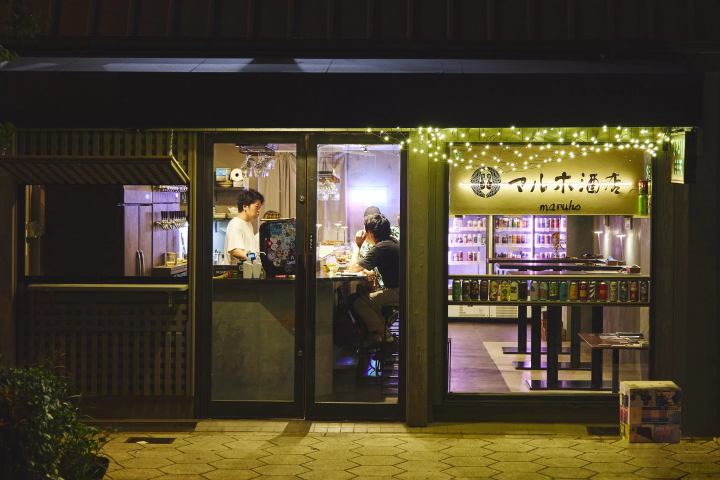
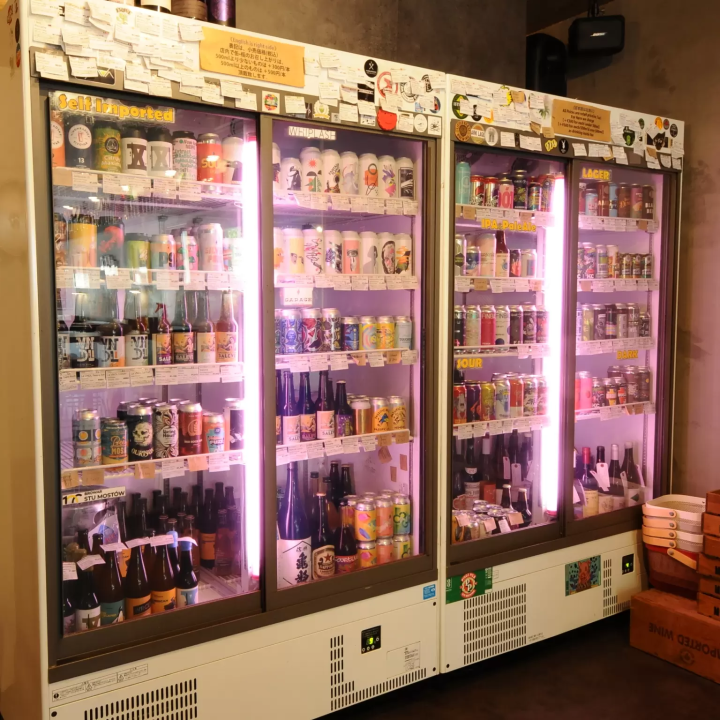
For connoisseurs of contemporary Japanese craft culture, the transit lull presents an unexpected culinary opportunity. Located just footsteps from the terminal is the Minami branch of Maruho Sake Shop, an establishment that bridges two distinct worlds: Japan’s traditional kakuchi culture (where patrons purchase bottles from a retailer and consume them on-site) and the sleek, minimalist aesthetic of an American-style craft beer taproom.
Boasting an inventory of roughly 120 distinct craft beers sourced from microbreweries across Japan and international hubs, the venue serves as a liquid showcase of modern brewing ingenuity. Recognizing the diverse demographic of the OCAT transit hub, the establishment employs fluent English-speaking staff capable of guiding patrons through complex flavor profiles, hop bitterness indices, and seasonal fruit sours to match individual palates.
The culinary offerings match the ambition of the beverage menu. Eschewing standard bar snacks, Maruho collaborates with culinary masterminds, featuring a menu of gourmet tacos, burritos, and small plates supervised by chefs hailing from Michelin-starred kitchens. While indulging in high-end craft beer and artisanal small bites provides an elevated pre-trip experience, travelers are wisely cautioned to monitor both their consumption levels and the clock, keeping hydration and restroom accessibility in mind before boarding a long-haul coach.
Supporting Context & Metrics: Urban Mobility and Passenger Demographics
To appreciate the significance of OCAT’s surrounding revitalization, one must examine the broader metrics governing Osaka’s tourism and transport ecosystem.
Passenger Volume: OCAT handles upwards of several million passengers annually, with peak seasonal surges occurring during Golden Week, the Obon festival holidays, and the New Year migration period.
Geographic Reach: The terminal acts as the primary overland artery connecting the Kansai metropolitan economic zone with regional hubs across Honshu, Shikoku, and Kyushu. Overnight sleeper routes from OCAT routinely cover distances exceeding 800 kilometers (such as the Namba-to-Sendai or Namba-to-Kumamoto runs), making pre-journey comfort mechanisms—such as public baths and ergonomic meal options—vital to passenger well-being.
The Walkability Index: Urban planners note that the Namba district boasts a high pedestrian infrastructure score. The unbroken subterranean passages connecting OCAT directly to the Osaka Metro, Kintetsu, Nankai, and JR networks shield travelers from inclement weather, ensuring that excursions to nearby sites like Namba Yasaka Shrine or Maruho Sake Shop can be executed safely within compressed timeframes.
Official Statements and Expert Insights
City planners and local tourism authorities have increasingly emphasized the economic and experiential value of transforming transit nodes into micro-destinations.
"The modern traveler is no longer content to sit in an isolated terminal waiting room for hours," notes a representative from the Osaka Convention & Tourism Bureau. "Transportation hubs like OCAT are the gateway portals to our city. By encouraging visitors to explore the rich cultural tapestry located within a ten-minute radius—whether that is a historic neighborhood sento or a world-class craft beer bar—we extend the economic footprint of tourism into the local community while fundamentally improving the traveler’s psychological experience of transit."
Local business owners echo this sentiment. Representatives from Healthy Onsen Tateba emphasize the symbiotic relationship between long-distance bus travel and traditional public bathhouse culture:
"Highway bus travel is efficient, but it can take a physical toll. Our mission has always been to provide a sanctuary where tired travelers can shed the grit of the road, soak in mineral-rich waters, and board their next leg feeling completely restored. We bridge the gap between traditional Osaka heritage and modern transit utility."
Future Outlook: The Evolution of the Transit-Destination Model
As global travel rebounds and urban mobility hubs undergo continuous modernization, the philosophy behind facilities like OCAT is shifting toward experiential integration. Urban transit architecture is no longer measured solely by its capacity to process passenger throughput, but by its ability to curate seamless, localized experiences during transitional phases.
Looking ahead, municipal stakeholders and private enterprises in Namba are exploring enhanced digital wayfinding systems, real-time luggage-tracking apps, and synchronized itinerary planners that will allow OCAT passengers to sync their bus departure timers with automated walking routes to nearby cultural assets. These technological integrations aim to eliminate transit anxiety, ensuring that even a 60-minute layover can be converted into a memorable encounter with Osaka’s vibrant urban soul.
Final Travel Advisory
When capitalizing on the OCAT environs, seasoned travelers adhere to a golden rule of transit management: re-enter the terminal waiting concourse 15 to 20 minutes prior to departure. Factor in the time required to retrieve stored baggage from coin lockers, navigate the subterranean corridors, and clear platform security. By choosing activities tailored precisely to your remaining time window, you can permanently banish the dread of the transit lounge and transform your bus waiting period into the highlight of your Osaka journey.







Belum ada komentar. Jadilah yang pertama berkomentar!