

Executive Overview
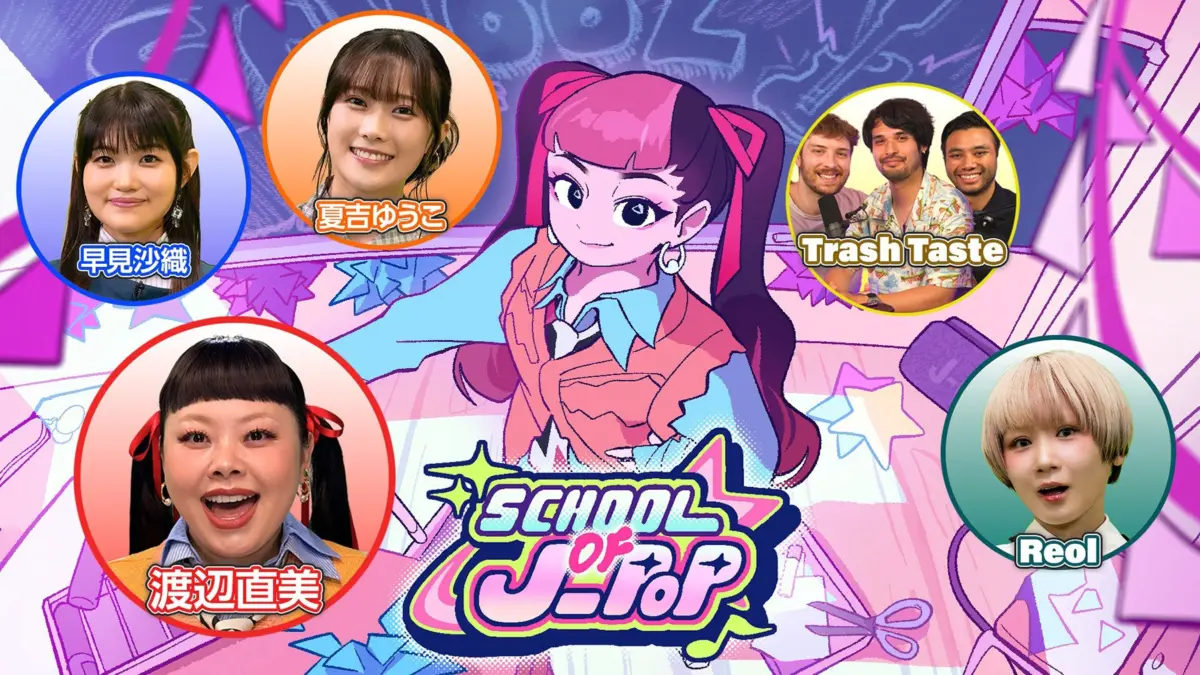
The contemporary cultural positioning of Japanese popular music—colloquially known as J-POP—has undergone a monumental paradigm shift over the past decade. No longer constrained by domestic borders or traditional physical distribution channels, Japanese music commands a sprawling, highly digitized global audience. It is against this backdrop of hyper-connectivity and international cross-pollination that Japan’s public broadcaster, NHK, has launched its definitive new broadcasting initiative: “SCHOOL OF J-POP.”
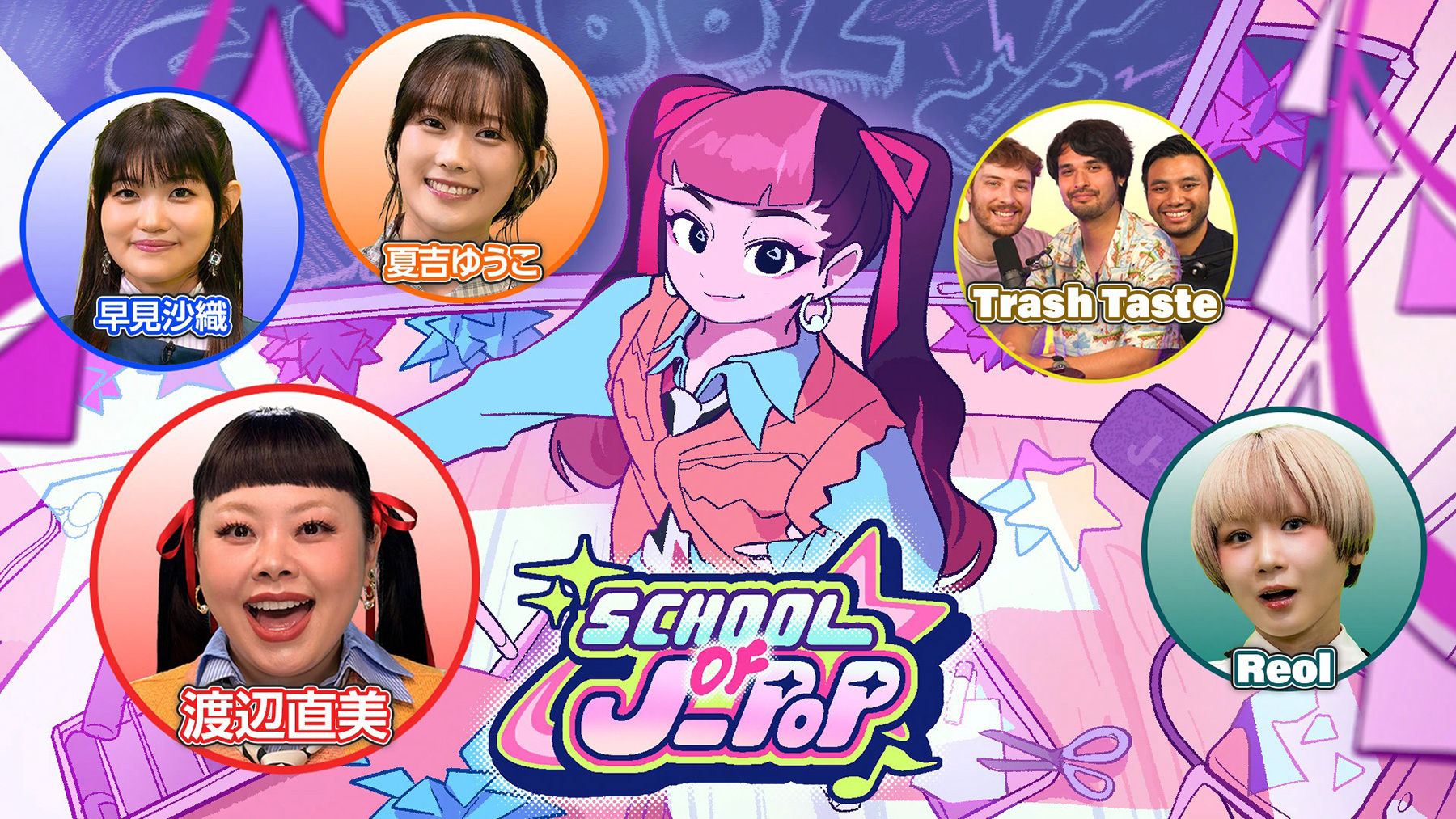
Premiering on September 26, 2026, at 20:00 JST on NHK E-Tele, the program aims to systematically unpack, analyze, and celebrate the multifaceted ecosystem of modern Japanese music. Guiding viewers through this deep-dive exploration as the primary Master of Ceremonies (MC) is the celebrated broadcaster and personality Naoko Watanabe.
The premiere episode establishes an uncompromisingly contemporary tone by focusing heavily on the internet-native phenomenon Chogakusei (超学生). Known for an enigmatic, theatrical visual identity and a soaring vocal range that bridges classical training sensibilities with boundary-pushing cover interpretations, Chogakusei represents the bleeding edge of the post-VOCALOID digital music wave.
By dedicating its premiere to artists who have organically built empires outside of traditional talent agencies, SCHOOL OF J-POP signals an editorial mission that prioritizes raw innovation over legacy establishment. This feature-length article provides an exhaustive examination of the program’s premiere, the artistic pedigree of its host and subjects, and the broader socio-cultural implications of NHK’s ambitious new venture.
Detailed Chronology: The Journey to SCHOOL OF J-POP
To understand the weight of the September 26 premiere, one must trace the timeline of how NHK has gradually restructured its music and cultural broadcasting to mirror the realities of the modern listener.
For decades, Japanese television broadcasting cleaved tightly to legacy formats—prime-time music programs that relied on agency-managed pop idols, standard ballad singers, and traditional rock bands. However, the internet completely decentralized the music discovery process. Platforms like Niconico Douga, YouTube, and TikTok birthed a generation of bedroom producers, utaite (vocal cover artists), and anonymous creators who bypassed standard gatekeepers entirely.
- August 2026: NHK’s digital-first initiative, NHK MUSIC JAPAN, began rolling out localized previews and digital-native artist profiles, laying the ideological groundwork for a more comprehensive broadcast format. The initiative highlighted how digital consumption habits were permanently altering chart dynamics.
- September 16, 2026: CINRA editorial department officially released the first public announcement detailing Naoko Watanabe’s appointment as MC, confirming the premiere date of September 26, 2026, on NHK E-Tele, alongside the historic confirmation that Chogakusei would anchor the premiere episode.
- September 26, 2026 (20:00 JST): The official broadcast debut of SCHOOL OF J-POP. The premiere episode drops audiences directly into the hyper-stylized world of Chogakusei, showcasing career-defining tracks such as the viral remix "CPK! Remix" and exploring the mechanics behind internet-native stardom.
Anatomy of the Premiere: Unpacking the Phenomenon of Chogakusei
The decision to feature Chogakusei as the inaugural subject of SCHOOL OF J-POP is a masterstroke in cultural curation. In an era where visual mystique is often stripped away by relentless social media exposure, Chogakusei has maintained a fiercely guarded anonymous persona, performing behind theatrical masks and digital avatars while commanding millions of streams worldwide.
The Vocalist’s Arsenal
Chogakusei’s artistic identity is built upon an unmistakable contrast: a theatrical, baritone-adjacent richness paired with an explosive, octave-defying range that can pivot from haunting whispers to blistering rock belts within seconds. This versatility has allowed the artist to tackle complex compositions originally written for VOCALOID synthesizers—songs historically deemed nearly impossible or uncomfortably punishing for human vocal cords.
During the premiere, the program dissects the creation of tracks like "CPK! Remix", offering viewers a rare behind-the-scenes look at the digital engineering, vocal layering, and psychological preparation required to execute modern internet music at a masterclass level.
Naoko Watanabe’s Editorial Direction
As MC, Naoko Watanabe brings a sharp, inquisitive journalistic poise to the proceedings. Rather than resorting to superficial fan-fare, Watanabe guides the dialogue toward the mechanics of modern musical survival:
- How do independent artists maintain creative control without the financial backing of major conglomerates?
- What is the psychological toll of maintaining digital anonymity while performing on massive global stages?
- How has the democratization of audio workstations (DAWs) shifted the balance of power from record labels to bedroom producers?
Through thoughtful questioning and deep archival exploration, Watanabe establishes SCHOOL OF J-POP not merely as a variety show, but as a vital musicological archive for the 21st century.
Supporting Context & The Wider Digital Landscape
To fully grasp the significance of SCHOOL OF J-POP, one must contextualize it within the broader ecosystem of modern Japanese digital culture. The program’s overarching narrative touches upon several parallel cultural phenomena that are reshaping how the world consumes Japanese media.
The Convergence of Creators: Trash Taste, Reol, and Ado
The modern J-POP landscape cannot be viewed in isolation. As noted in preliminary production notes for the series, the blurring lines between domestic J-POP acts and global internet culture mirror phenomena seen across international media collaborations—such as the massive cross-cultural footprint carved by the global anime podcast Trash Taste, singer-songwriter-producer powerhouses like Reol, and global streaming titans like Ado.
| Artist / Entity | Primary Medium / Platform | Cultural Impact |
|---|---|---|
| Chogakusei | YouTube / Niconico Douga / Streaming | Pioneering theatrical anonymity; pushing VOCALOID covers to operatic extremes. |
| Reol | Independent Production / Major Streaming | Self-produced electronic-pop anthems with massive cross-border streaming footprints. |
| Ado | Major Label / Global Digital Platforms | Breaking traditional idol frameworks through silhouette-based performance and raw vocal power. |
These artists share a common thread: they emerged from the digital underground, utilizing platforms originally built for hobbyists to construct multi-million-dollar global brands. SCHOOL OF J-POP functions as a bridge, translating this hyper-niche, internet-native language for a broader television audience via NHK E-Tele.
Official Statements and Industry Reception
While the broadcast is newly underway, initial industry reaction from critics, digital creators, and cultural analysts has been overwhelmingly positive.
In statements released alongside the primary press announcements, production representatives from NHK emphasized that the core objective of SCHOOL OF J-POP is to document the "living history" of contemporary music.
"We are witnessing an unprecedented era where geography and traditional gatekeepers no longer dictate an artist’s reach," noted a production insider. "With Naoko Watanabe at the helm, our goal is to unpack the genius of creators like Chogakusei and present their methodologies not as anomalies, but as the new blueprint for global music creation."
Critical reception from digital culture outlets, including CINRA’s editorial desk, has praised the show’s willingness to tackle complex subcultures without diluting their essence for mass consumption. By choosing to focus on the intricate production techniques, vocal training, and psychological dimensions of independent artistry, NHK has validated a sector of the music industry that was long ignored by traditional broadcast media.
Future Outlook: What Lies Ahead for SCHOOL OF J-POP?
As SCHOOL OF J-POP rolls out its weekly programming schedule on NHK E-Tele, expectations are high for how the series will expand its scope. Industry watchers are eager to see which underground producers, independent mix engineers, and cross-border collaborators will be featured in subsequent episodes.
Key Questions for the Series’ Trajectory:
- Global Integration: Will the program begin exploring how Western and Asian streaming algorithms directly influence the creative output of Japanese producers?
- Technological Frontiers: As generative AI and virtual reality production tools infiltrate the music space, how will SCHOOL OF J-POP cover the ethical and artistic debates surrounding digital avatars and synthetic vocals?
- Institutional Legacy: Can a public broadcasting institution like NHK successfully maintain the counter-cultural, underground ethos of internet-native music as the show scales its viewership?
Whatever the answers may be, one fact remains incontrovertible: the paradigm has shifted. Under the expert guidance of Naoko Watanabe, SCHOOL OF J-POP has locked onto the pulse of modern music history as it is being written. For artists, fans, and industry analysts alike, tuning into NHK E-Tele on Thursday nights is no longer just a viewing habit—it is an essential cultural masterclass.
For further information, schedule updates, and exclusive archival footage, viewers can visit the official SCHOOL OF J-POP NHK Portal.






Belum ada komentar. Jadilah yang pertama berkomentar!