

Executive Overview
The landscape of mobile gaming and application distribution has faced unprecedented turbulence over the past five years, largely defined by the high-stakes legal and commercial battles between Epic Games and Apple. When Fortnite finally made its triumphant—albeit hard-fought—return to the U.S. App Store last month following a lengthy, multi-year hiatus, it instantly reclaimed its spot at the pinnacle of mobile gaming charts. Millions of iPhone and iPad users celebrated the reunion, welcoming back one of the world’s most lucrative and culturally significant battle royale titles.
However, the euphoria proved fragile.
In a sudden turn of events that left the gaming community baffled, a routine mid-season content update deployed by Epic Games effectively locked out a significant segment of its player base. Specifically, version 36.10.1 of Fortnite introduced an immediate, catastrophic crashing bug upon launch for any device operating on the newly released iOS 26 and iPadOS 26 developer and public betas.
While software incompatibility is a textbook hazard of running pre-release operating system builds, the nature of this particular incident raised eyebrows across the tech and gaming sectors. Historically, legacy app builds function smoothly until a major OS upgrade breaks underlying APIs; in this bizarre twist, an updated app explicitly broke compatibility with an OS that it had previously run on without issue.
Fortunately, swift action from Epic Games—culminating in a corrective patch rolled out just eight days later—restored full functionality to users testing Apple’s upcoming software. This comprehensive report explores the timeline of the incident, the debut of Epic’s new mobile-centric Blitz Royale mode, the technical realities of software betas, and what this brief outage reveals about the delicate intersection of third-party game developers and Apple’s tightly controlled ecosystem.
Detailed Chronology: From Triumph to Crash
The App Store Comeback
The saga began last month when Fortnite cleared legal and regulatory hurdles to reappear on the U.S. App Store. For years, iOS users had been forced to rely on cloud-streaming workarounds or completely forego native gameplay following Epic Games’ deliberate challenge to Apple’s in-app purchase commission structures. The sudden reinstatement sent shockwaves through the industry, instantly propelling the title back to the top-free-game spot overnight.
The Catalyst: The Blitz Royale Update
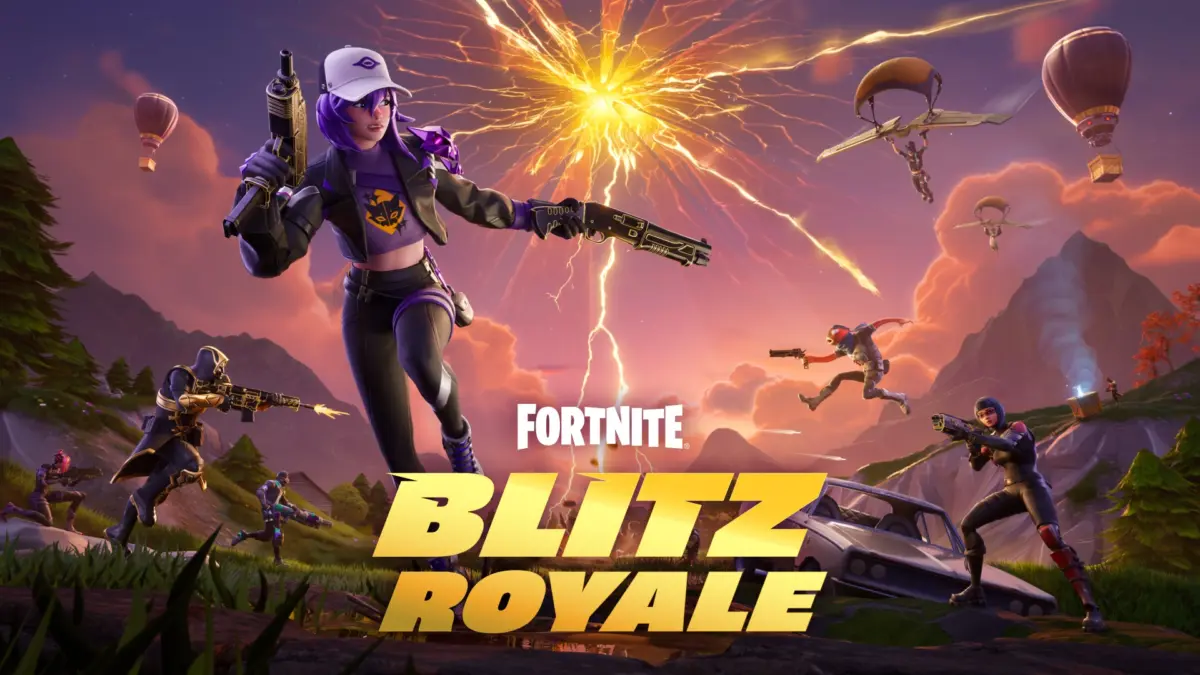
The honeymoon phase hit a major roadblock when Epic Games pushed out a massive mid-season update. Central to this patch was the introduction of Blitz Royale, an entirely new, highly compressed, fast-paced battle royale mode custom-tailored for mobile screens and quick play sessions.
![PSA: Fortnite for iPhone and iPad no longer runs on iOS 26 beta after Blitz Royale update [U]](https://9to5mac.com/wp-content/uploads/sites/6/2025/06/GtlJqQ0WQAIfa7F.jpeg?quality=82&strip=all&w=1600)
While mobile gamers eagerly downloaded the patch to experience the new 32-player mode, the update triggered an immediate and severe software conflict for anyone testing the iOS 26 and iPadOS 26 developer betas. Upon tapping the app icon, Fortnite would initiate its splash screen before instantly crashing back to the iOS SpringBoard.
Social Media Outcry and Silence
Within hours of the patch deployment, digital town squares—most notably X (formerly Twitter)—flooded with frustrated reports from early adopters and developers running Apple’s latest beta software. Gamers shared troubleshooting tips, compared device logs, and questioned whether the sudden incompatibility was an intentional block by Epic Games or an unintended casualty of rapid mobile development cycles.
Compounding the confusion, the official Fortnite Status account remained entirely silent on the matter for days, offering no immediate roadmap for a fix or acknowledgement of the iOS 26 barrier.
The Resolution
Relief finally arrived eight days after the initial breakdown. Epic Games released version 36.10.1 of Fortnite to the App Store, quietly resolving the underlying crash loop and successfully restoring full native support for iOS 26 and iPadOS 26 users. For the thousands of early-adopter gamers who had found themselves locked out of their accounts, the update was a welcome end to a frustrating week of forced software downgrades or involuntary abstinence.
Spotlight on Innovation: The Arrival of Blitz Royale
To fully understand why Epic Games pushed an update that inadvertently caused such massive disruption, one must examine the ambitious content driving the patch: Blitz Royale.
Designed specifically to address the nuances of mobile gaming—where session lengths, battery constraints, and ergonomic comfort dictate player engagement—Blitz Royale represents a paradigm shift in how battle royale mechanics are adapted for handheld screens.
Gameplay Mechanics and Design Philosophy
Unlike standard Fortnite matches that can easily stretch past twenty minutes on sprawling maps, Blitz Royale condenses the core survival loop into a hyper-focused, five-minute sprint.
![PSA: Fortnite for iPhone and iPad no longer runs on iOS 26 beta after Blitz Royale update [U]](https://9to5mac.com/wp-content/themes/ninetofive/dist/images/google-preferred-source-badge-dark.png)
- The Lobby: Matches feature a streamlined 32-player roster, significantly reducing server overhead and accelerating the pacing of early-game engagements.
- Fair Starting Ground: In a departure from traditional loot scrambles, all opponents drop onto a miniature map equipped with the exact same randomized Medallion or unique weapon. This levels the playing field instantly, placing the emphasis squarely on mechanical skill, positioning, and tactical decision-making rather than RNG (Random Number Generation) luck.
- Progression Systems: As players eliminate opponents and survive shrinking Storm circles, they increase their Blitz Level. Levelling up unlocks progressively more powerful weapons and game-altering abilities.
- Golden Loot: Players can hunt down Golden Chests for high-tier power-ups and intercept Golden Supply Drops to secure powerful Medallions.
"Boons": The Power-Up Meta
A defining feature of Blitz Royale is the introduction of dynamic power-ups known as Boons. These modifiers drastically alter match dynamics, allowing players to tailor their playstyles mid-match. Whether chosen for aggressive rushing or defensive survival, Boons add a layer of tactical depth previously unseen in bite-sized mobile shooters.
Availability and Social Play
Epic structured Blitz Royale as a limited-time offering designed to keep the mobile meta fresh and exciting. Available for both solo competitors and squads of four, the mode was scheduled to run through July 15, with the potential to return in future seasons equipped with overhauled maps, refreshed loot pools, and new rewards.
Supporting Context & Metrics: Navigating the Apple Ecosystem
The brief incompatibility between Fortnite and iOS 26 highlights the ongoing technical challenges developers face when building high-fidelity 3D multiplayer games for mobile platforms.
The Technical Reality of Online Multiplayer Architecture
Unlike single-player offline titles where users can easily run mismatched versions of an application, online multiplayer games demand absolute synchronization. Every client connected to a server must operate on the exact same code version, asset manifest, and protocol standards.
When Epic Games deployed the Blitz Royale update to introduce new assets and server hooks, it became mandatory for all players to upgrade immediately. For users on stable versions of iOS (such as iOS 18), this was a seamless transition. However, for the subset of power-users and developers testing iOS 26, this mandatory update served as an unyielding wall. Because the new binary clashed with Apple’s unreleased operating system architecture, users faced an impossible ultimatum: stay updated and face a perpetual crash loop, or downgrade their entire operating system.
Hardware Limitations and RAM Constraints
The incident also reignited discussions regarding mobile hardware capabilities. High-end modern mobile titles like Fortnite push silicon and memory to their absolute limits. Recent technical analyses have underscored the strict hardware thresholds required to maintain stable frame rates, particularly regarding devices operating on tight memory budgets. With system requirements demanding robust processing power and adequate RAM allocation, operating system overhead during beta phases can easily tip a finely tuned app over the edge into memory exception crashes.
Official Statements and Community Reaction
The silence from official support channels during the first few days of the outage drew sharp criticism from the community. Historically, Epic Games has maintained a responsive public relations apparatus, but the lack of immediate documentation regarding the iOS 26 crash left many wondering if the friction was related to underlying tensions between Epic and Apple.
![PSA: Fortnite for iPhone and iPad no longer runs on iOS 26 beta after Blitz Royale update [U]](https://9to5mac.com/wp-content/themes/ninetofive/dist/images/google-preferred-source-badge-light.png)
However, industry analysts were quick to temper conspiracy theories, pointing out that maintaining day-one compatibility with unreleased, developer-preview operating systems is rarely a priority for live-service game developers. Apple’s beta software cycles—designed primarily for app developers to prepare their software for upcoming public releases—frequently introduce breaking changes to APIs, graphics rendering pipelines, and memory management protocols.
When the fix finally dropped in version 36.10.1, the community reaction shifted rapidly from frustration to relief. Players took to social media to confirm that the game was once again booting past the splash screen on beta hardware, allowing testers to dive back into both standard matches and the newly launched Blitz Royale maps.
Future Outlook: Looking Ahead at Mobile Gaming
As the dust settles on this brief technological hiccup, several broader takeaways emerge for the future of iOS gaming:
- The Maturation of iOS Gaming: The fact that developers are now rushing to patch compatibility issues for unreleased iOS betas proves that Apple’s mobile platforms are increasingly viewed as serious, tier-one gaming ecosystems rather than casual app environments.
- The Agility of Live-Service Updates: Epic Games’ ability to isolate the bug and deploy a corrective patch within eight days demonstrates the impressive turnaround times native to modern continuous-integration pipelines, even when dealing with complex cross-platform codebases.
- The Beta Hazard: For early adopters and tech enthusiasts, the incident serves as a timely reminder of the risks inherent in running bleeding-edge operating system software. While betas offer an exciting glimpse into the future of the iPhone and iPad experience, they remain inherently unstable environments where mission-critical apps can break without warning.
As Fortnite continues its tenure back on the U.S. App Store, and as Apple edges closer to the public rollout of iOS 26 later this year, developers and players alike will be watching closely to ensure that future content updates—whether they feature Blitz Royale or entirely new seasonal transformations—maintain uninterrupted, seamless compatibility across all supported hardware and software configurations.






Belum ada komentar. Jadilah yang pertama berkomentar!