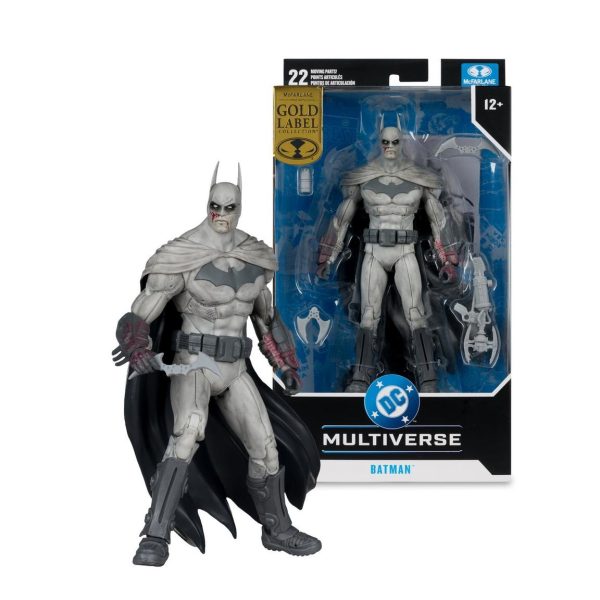
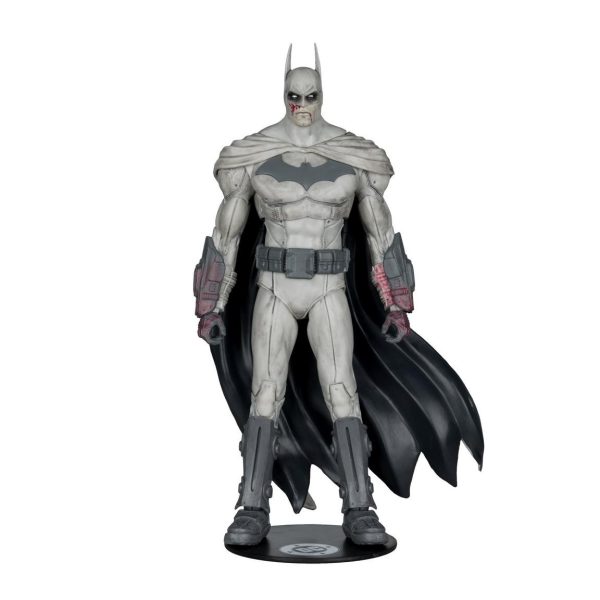
The collectible toy industry has long thrived on nostalgia, fine details, and variants that capture iconic iterations of pop culture legends. Few figures command the same immediate reverence—and market urgency—as the Dark Knight. McFarlane Toys has once again captured the attention of comic book enthusiasts and video game completionists alike with its latest high-profile release: the DC Multiverse Gold Label Batman: Arkham City "Bloody" Batman Action Figure.
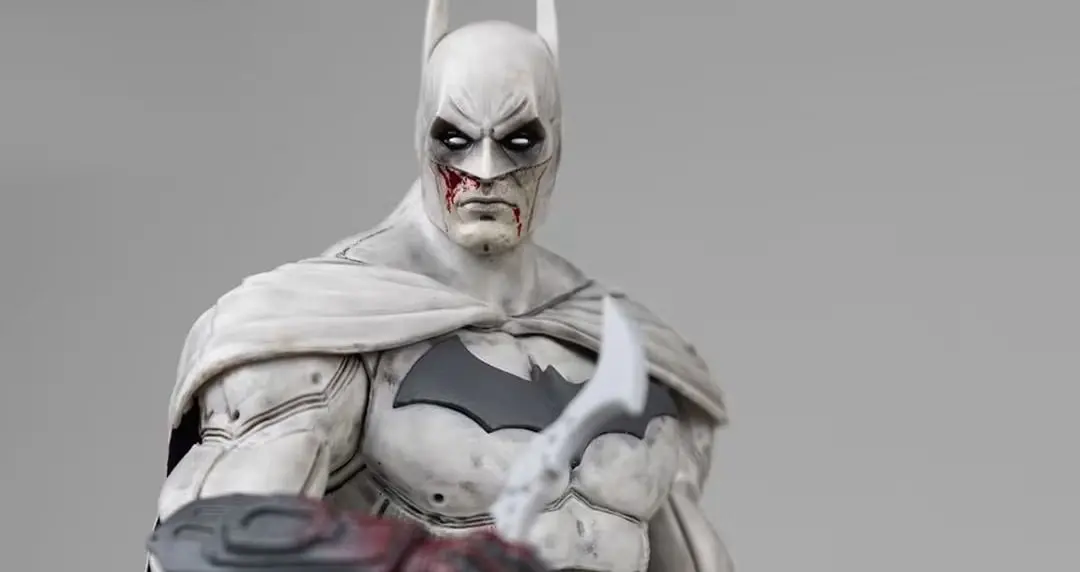
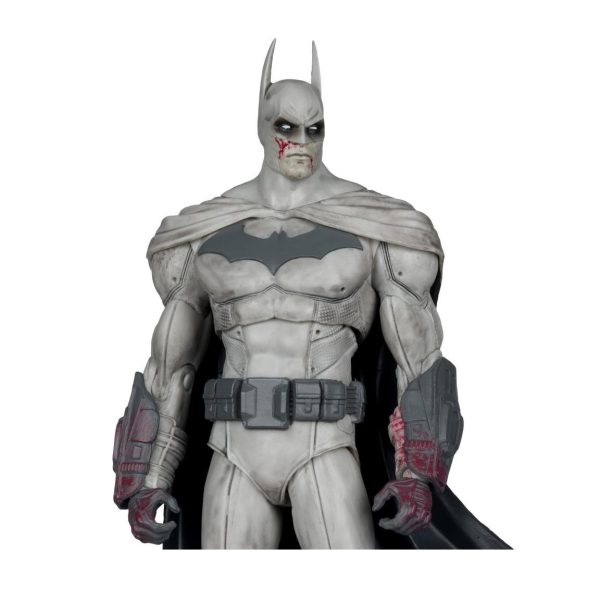
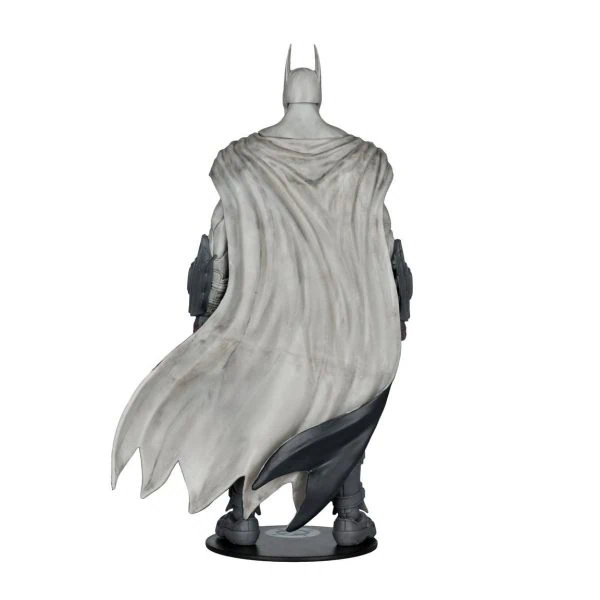
Directly inspired by the gritty, unforgettable promotional cover artwork of Rocksteady Studios’ critically acclaimed 2011 masterpiece, Batman: Arkham City, this 7-inch scale collectible presents the Caped Crusader at his most battered and uncompromising. Featuring custom paint applications that simulate the punishing realities of a grueling night in Gotham’s sprawling super-prison, the figure leans heavily into the mature, visceral aesthetic that defined the Arkham trilogy.
Available as a United States exclusive via GameStop, pre-orders have officially opened, setting off a scramble among collectors eager to secure this limited-allocation Gold Label variant. As McFarlane Toys continues to expand its sprawling DC Multiverse line, this release serves as a masterclass in capitalizing on gaming heritage, demonstrating how weathered variants and specialized distribution models continue to drive high engagement within the modern collector marketplace.
Detailed Chronology: From Pixel to Plastic
To truly appreciate the significance of this new release, one must trace the intertwined legacies of Rocksteady’s landmark video game and McFarlane Toys’ meticulous approach to the DC Multiverse license.
October 2011: The Birth of a Legend
When Batman: Arkham City launched globally in October 2011, it immediately shattered expectations set by its predecessor, Batman: Arkham Asylum. Developed by Rocksteady Studios and published by Warner Bros. Interactive Entertainment, the game transported players into a massive, walled-off district in the heart of Gotham City overrun by political prisoners, thugs, and Gotham’s most notorious criminal masterminds.
Accompanying the game’s marketing blitz was an unforgettable piece of key art: Batman standing stoically amidst the snow, his iconic grey-and-black suit torn, his cowl scuffed, and his face bearing the visceral signs of intense combat. It was an image that encapsulated the stakes of the narrative—a lone hero fighting an uphill battle against impossible odds. For over a decade, that specific visual remained etched in the minds of fans as the quintessential representation of the Arkham universe’s brutal tone.
Fast forward to the modern era of collecting, where McFarlane Toys—led by industry icon Todd McFarlane—secured the master toy license for DC Comics properties. Since its inception, the DC Multiverse line has delivered hundreds of meticulously sculpted 7-inch action figures spanning comic books, feature films, and video games.
Within this line, the Gold Label sub-imprint serves a specific, highly coveted purpose. Gold Label figures are typically exclusive variants, special editions, or unique sculpts tied to specific retail partners (such as GameStop, Walmart, or the McFarlane Toys Store). They often feature alternate color schemes, unmasked variants, or—in this particular instance—heavy battle damage and weathering effects designed to mimic specific milestone moments in DC history.
The Announcement and Pre-Order Phase
The unveiling of the Arkham City "Bloody" Batman bridges a long-standing gap in the DC Multiverse gaming catalog. While standard versions of the Arkham character designs have previously graced shelves, a variant dedicated explicitly to the game’s iconic, blood-spattered key art has been a frequent request on collector forums and social media channels.
With pre-orders officially live via GameStop in the United States, the announcement has triggered a wave of excitement. Collectors are racing to lock down allocations, fully aware that Gold Label exclusives historically command strong secondary market interest once initial stock dries up.
Supporting Context & Metrics: The Economics of Collectibles and the Arkham Legacy
The launch of the Gold Label Arkham City Batman figure arrives at a fascinating intersection of nostalgia economics, licensing strategy, and shifting consumer habits within the action figure community.
The Enduring Power of the Arkhamverse
Thirteen years after its initial release, the Arkham franchise remains the gold standard for superhero video games. According to industry tracking and Warner Bros. financial disclosures across the decade following its launch, the Arkham trilogy (comprising Asylum, City, and Knight) sold tens of millions of copies worldwide, cementing a multi-generational fanbase.
For many adult collectors purchasing toys today, the Arkham games represent the defining superhero media of their youth or young adulthood. Consequently, merchandise tied to these specific designs carries immense emotional resonance. When manufacturers like McFarlane Toys tap into this nostalgia with high-fidelity sculpts, the response is swift and decisive.
The Psychology and Strategy of "Gold Label" Exclusives
Retail exclusivity models have long been a double-edged sword in the collecting community. On one hand, they create logistical hurdles for international fans or collectors lacking local retail options. On the other hand, they generate artificial scarcity and heightened demand that benefit retailers and sustain high secondary market values.
The "Gold Label" designation acts as a beacon for completionists. By taking an existing, popular sculpt—in this case, the Arkham City Batman—and applying a specialized paint deco (blood splatters, mud, and scuff marks), McFarlane Toys efficiently utilizes existing tooling while offering a product that feels distinct and premium.
Key Metrics for the Release:
Scale: 7-inch action figure (industry standard for the DC Multiverse line, allowing for consistent display scaling).
Articulation: Featuring Ultra Articulation with up to 22 moving parts, allowing for dynamic posing synonymous with the acrobatic combat of the video games.
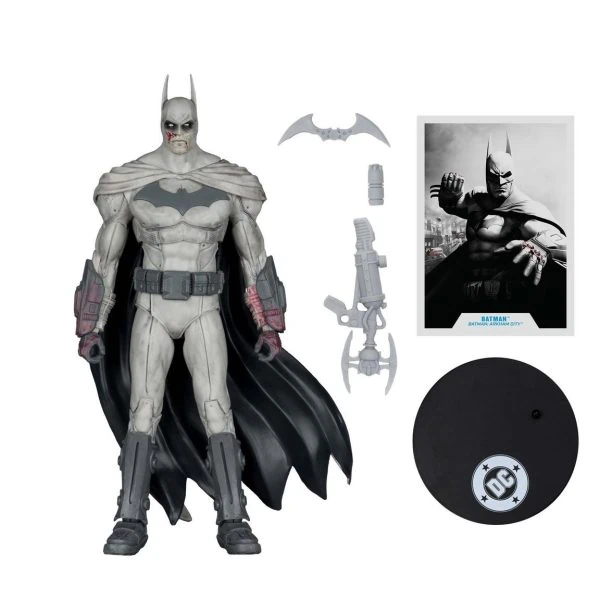
Accessories: Typically includes signature gadgetry and a specialized display base, alongside the customary collectible art card featuring the original Arkham City cover artwork on the front and a character biography on the back.
Distribution: GameStop retail exclusive within the United States.
Official Statements and Industry Insights
While toy manufacturers often let product photography and specification sheets speak for themselves, the philosophy behind the DC Multiverse Gold Label line has been a frequent topic of discussion among industry insiders and Todd McFarlane himself.
"When you build figures based on comic books and video games, the goal isn’t just to replicate a drawing or a digital model—it’s to evoke the emotion you felt when you first experienced that story," noted a product development representative close to the McFarlane Toys design team. "The cover of Arkham City isn’t clean. It’s messy, it’s desperate, and it shows a Batman who refuses to quit. Bringing that exact energy into a physical, poseable collectible requires a delicate balance of sculpt integrity and aggressive paint detailing."
Retail partners have similarly echoed the strong performance of exclusive variants. GameStop’s ongoing partnership with McFarlane Toys for Gold Label releases continues to serve as a primary anchor for their physical collectible footprints, drawing foot traffic and driving online pre-order volume during slower retail quarters.
Future Outlook: What’s Next for DC Multiverse and Gaming Collectibles?
The release of the Arkham City "Bloody" Batman raises an exciting question for the future: What other variants or neglected eras of the DC digital library are ripe for the McFarlane treatment?
Expanding the Arkham Roster
Fans of the Rocksteady universe have long clamored for expanded representation beyond the core characters. While figures of Batman, the Joker, Harley Quinn, and Two-Face have seen various releases, deep-cut character designs—such as Robin’s armored look from Arkham City, Nightwing’s appearance in Arkham Knight, or specialized character skins—remain high on community wishlists. The success of this bloody variant proves that the market for mature, game-accurate variants is far from saturated.
The Evolution of the Gold Label Program
As the action figure landscape evolves amidst fluctuating manufacturing costs and global shipping logistics, exclusive lines like Gold Label will likely remain a staple for targeted, high-demand collector pieces. By focusing on iconic variants rather than standard mainline releases, McFarlane Toys can cater directly to hardcore enthusiasts who appreciate niche aesthetic choices—such as cell-shaded paint decos, monochrome versions, and battle-damaged iterations like this new Arkham release.
Final Verdict for Collectors
For completionists, video game historians, and die-hard fans of the Dark Knight, the DC Multiverse Gold Label Arkham City "Bloody" Batman is more than just another piece of plastic; it is a physical tribute to a defining era of gaming history. As pre-orders move swiftly through GameStop channels, prospective buyers are advised to secure their allocations early before this battle-scarred icon vanishes into the shadows of the secondary market.









Belum ada komentar. Jadilah yang pertama berkomentar!