

Executive Overview
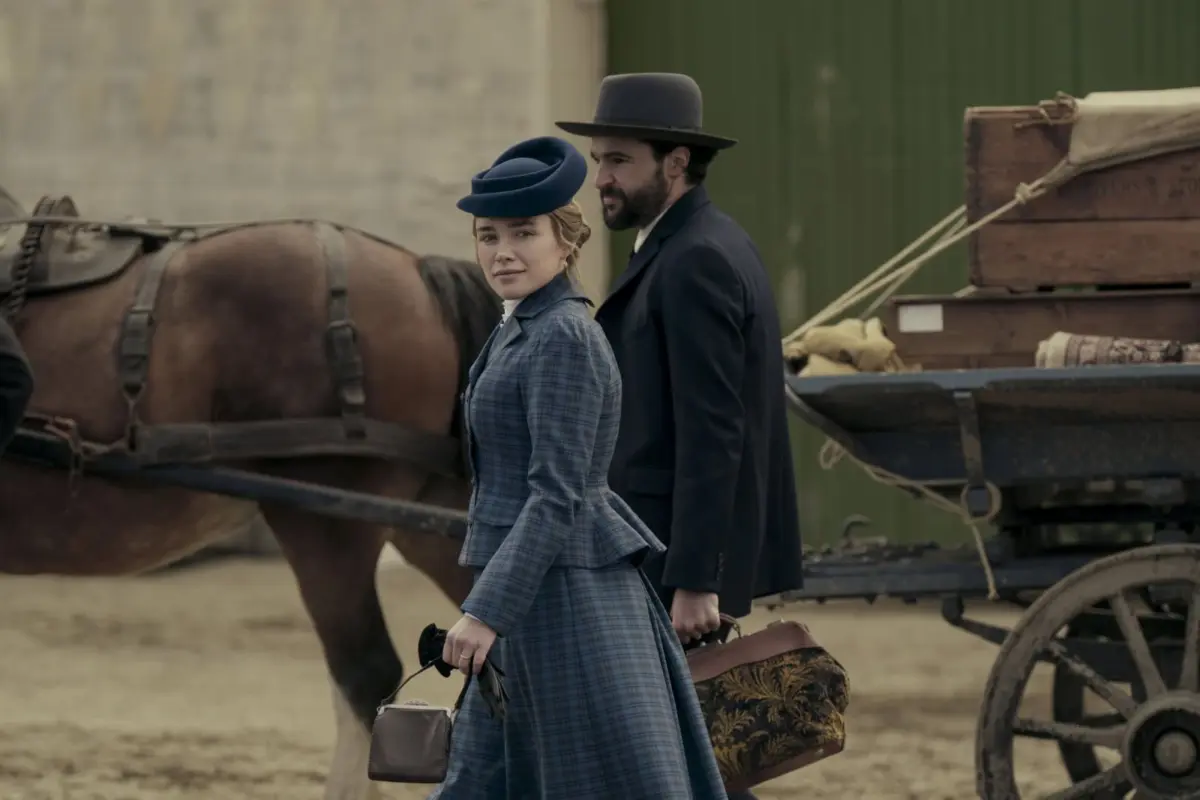
The literary landscape meets prestige television once again as Netflix drops its highly anticipated official trailer and first-look images for East of Eden, a sweeping new limited drama series adapted from John Steinbeck’s monumental 1952 family saga novel. Spearheaded by an A-list creative team and anchored by an ensemble cast led by Academy Award nominee Florence Pugh and Christopher Abbott, the upcoming series promises to breathe striking new life into one of American literature’s most enduring masterpieces.
Scheduled to premiere on the streaming platform on October 1st, the project shifts its narrative compass toward the complex, often polarizing antihero Cathy Ames. By diving deep into her tumultuous life and its fateful entanglement with the men of the Trask family, this fresh interpretation seeks to unpack themes of generational trauma, free will, and the eternal battle between good and evil—central tenets of Steinbeck’s original text.

As Netflix continues its strategic pivot toward high-end, prestige literary adaptations, East of Eden stands out as a crown jewel in its upcoming autumn slate. With its combination of heavyweight source material, powerhouse performances, and high-budget production values, the limited series is already generating significant early Oscar- and Emmy-buzz ahead of its fall release.
Detailed Chronology: From Steinbeck’s Masterpiece to the Netflix Screen
To understand the magnitude of Netflix’s upcoming adaptation, one must trace the winding historical path of John Steinbeck’s East of Eden from its conception to its various adaptations across generations.
The Genesis of a Classic (1952)
When John Steinbeck published East of Eden in September 1952, he considered it his magnum opus—his "big book," into which he poured his entire life’s philosophy, historical observations, and spiritual inquiries. Set primarily in the Salinas Valley of California, the sprawling narrative follows two families, the Hamiltons and the Trasks, across multiple generations, mirroring the biblical tale of Cain and Abel. At the center of its dark heart is Cathy Ames, a sociopathic, manipulative figure whose destructive path shatters the lives of the men she encounters, most notably Adam Trask.
The 1955 Cinematic Milestone
Just three years after publication, director Elia Kazan brought a portion of Steinbeck’s novel to the silver screen in the landmark 1955 film. The movie famously catapulted James Dean to international superstardom, earning him a posthumous Academy Award nomination. However, Kazan’s cinematic vision focused almost exclusively on the final third of the novel—the fraternal rivalry between Cal and Aron Trask—leaving much of the sweeping historical backstory, and Cathy Ames’s complex nature, largely unexplored or sanitized to fit the cinematic standards of the 1950s.
The 1981 Television Miniseries
Decades later, in 1981, ABC adapted the novel into a three-part television miniseries starring Jane Seymour as Cathy Ames. While the miniseries allowed for a more expansive narrative canvas than Kazan’s film, it was constrained by the broadcast limitations and production budgets of network television in the early 1980s.
The Modern Streaming Era and Netflix’s Vision
Enter the modern prestige television boom. Recognizing that a two-hour film or a constrained network miniseries could never fully encapsulate the philosophical depth, psychological horror, and multigenerational breadth of Steinbeck’s sprawling text, Netflix greenlit a dedicated limited series. This new adaptation utilizes the serialized format to grant characters like Cathy Ames the narrative runway they have long been denied. By centering Florence Pugh as the ultimate literary villain-protagonist, the series aims to recontextualize the classic tale for a contemporary audience that hungers for complex, morally ambiguous antiheroes.
Supporting Context & Metrics: The Scale of the Production
The journey of bringing East of Eden to the streaming screen is supported by an impressive roster of behind-the-scenes talent, massive production metrics, and a stellar ensemble cast designed to maximize both critical acclaim and global viewership.
An Unrivaled Ensemble Cast
While Florence Pugh commands the screen as the indelible Cathy Ames, she is joined by a powerhouse supporting cast that reads like an independent film fan’s dream roster:
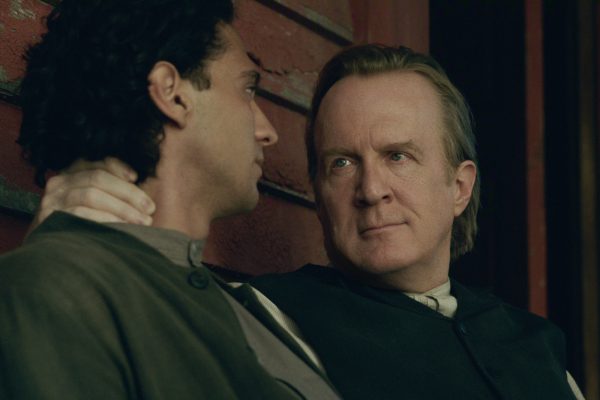
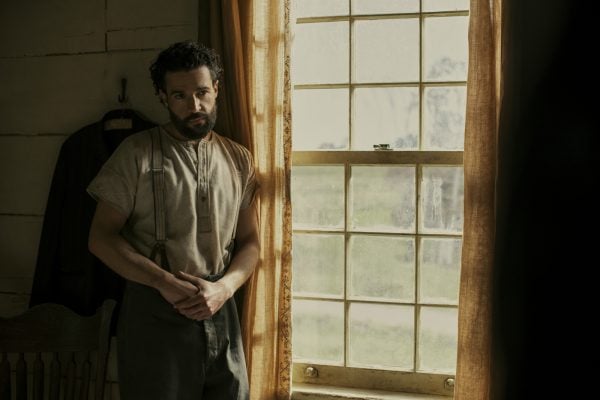
- Christopher Abbott (Poor Things, Sanctuary) as Adam Trask, the earnest and ultimately broken patriarch whose life is irrevocably altered by Cathy.
- Mike Faist (Challengers, West Side Story), bringing his intense physical and psychological screen presence to the narrative.
- Hoon Lee (Warrior, Banshee)
- Tracy Letts (Lady Bird, The Big Short), a masterclass actor ideally suited for Steinbeck’s gritty Americana.
- Ciarán Hinds (Belfast, Rome), lending gravitas and authoritative presence.
- Martha Plimpton (Mass, The Goonies)
- Joseph Zada and Joe Anders rounding out the younger generations of the cast.
Production Scale and Aesthetic Approach
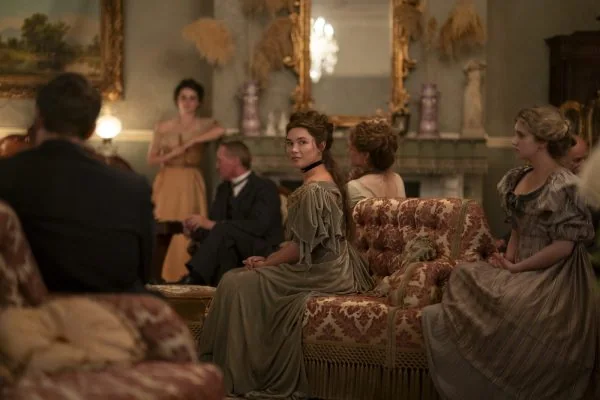
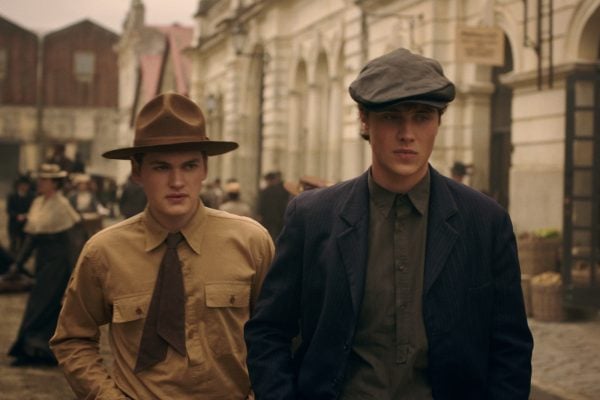
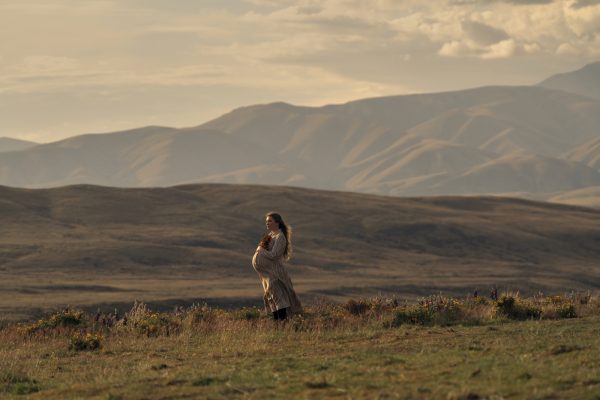
Netflix has invested heavily in recreating the rugged, sun-drenched landscapes of turn-of-the-century California and the stark prairies of the American Midwest. Early promotional images reveal a meticulous attention to period detail—from the dust-caked costumes to the dramatic chiaroscuro lighting that mirrors the internal moral conflicts of the characters.
The limited series format—spanning multiple episodes—allows the creative team to give equal weight to the philosophical ruminations on Timshel (the Hebrew word meaning "thou mayest," which signifies humanity’s capacity to choose between good and evil), a thematic anchor that defines Steinbeck’s literary legacy.
Official Statements and Industry Insights
The release of the trailer has ignited significant discourse across literary and cinematic circles, with industry insiders praising Netflix’s ambitious scope.
Although full promotional junkets are still rolling out, early network press briefings indicate that the creative team approached the adaptation with a distinct mandate: strip away the romanticized nostalgia of early 20th-century Americana and confront the raw, psychological violence embedded in Steinbeck’s text.
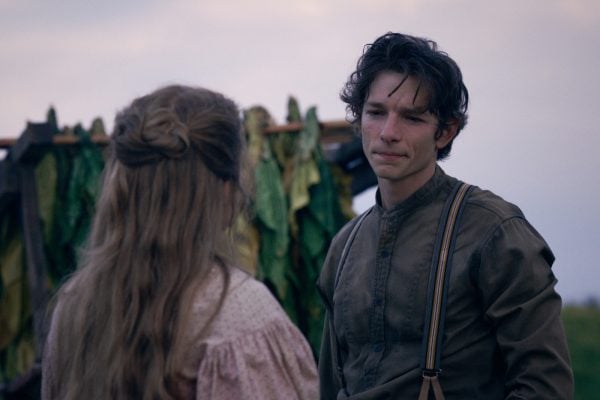
“Steinbeck did not write comfortable bedtime stories; he wrote about the raw, exposed nerves of the human condition,” noted one industry analyst tracking the project. “By casting Florence Pugh as Cathy Ames—a character historically flattened into a pure embodiment of evil—and giving her the narrative space to breathe, Netflix is subverting expectations. This isn’t just a period piece; it’s a psychological horror-drama wrapped in historical fiction.”
Showrunners and directors have similarly emphasized that the series leans heavily into the environmental storytelling of the Salinas Valley. The landscape acts not merely as a passive backdrop, but as an active, oppressive force that mirrors the inner turmoil of the Trask lineage.

Future Outlook: What to Expect on October 1st
As the October 1st premiere date rapidly approaches, expectations for East of Eden could not be higher. In an era where streaming platforms are increasingly scrutinized for high-churn, low-substance content, prestige literary adaptations serve as a crucial barometer of a network’s commitment to high art.
Award Season Implications
Given the combination of classic source material, a showrunner-driven limited series format, and an all-star cast spearheaded by an acting heavyweight like Florence Pugh, industry prognosticators are already forecasting major awards consideration. Performances by Pugh and Abbott are expected to dominate conversations during the upcoming precursor and major awards cycles, particularly in limited series acting categories at the Emmys and Golden Globes.
Cultural Impact and Re-evaluation of Classic Literature
Beyond awards gold, the series is poised to spark a major cultural re-evaluation of Steinbeck’s work among younger demographics. Much like how modern adaptations of Austen or Shakespeare reframe classic characters through a 21st-century psychological lens, Netflix’s East of Eden will likely inspire new academic discourse, book club resurgences, and heated online debates regarding the nature of free will, inherited sin, and female villainy in classic American fiction.
When the dust settles on the Salinas Valley this October, viewers will discover whether this ambitious retelling successfully captures the lightning-in-a-bottle brilliance of John Steinbeck’s vision. For now, the trailer offers a mesmerizing glimpse into a world where paradise and perdition live side by side.







Belum ada komentar. Jadilah yang pertama berkomentar!