

Executive Overview
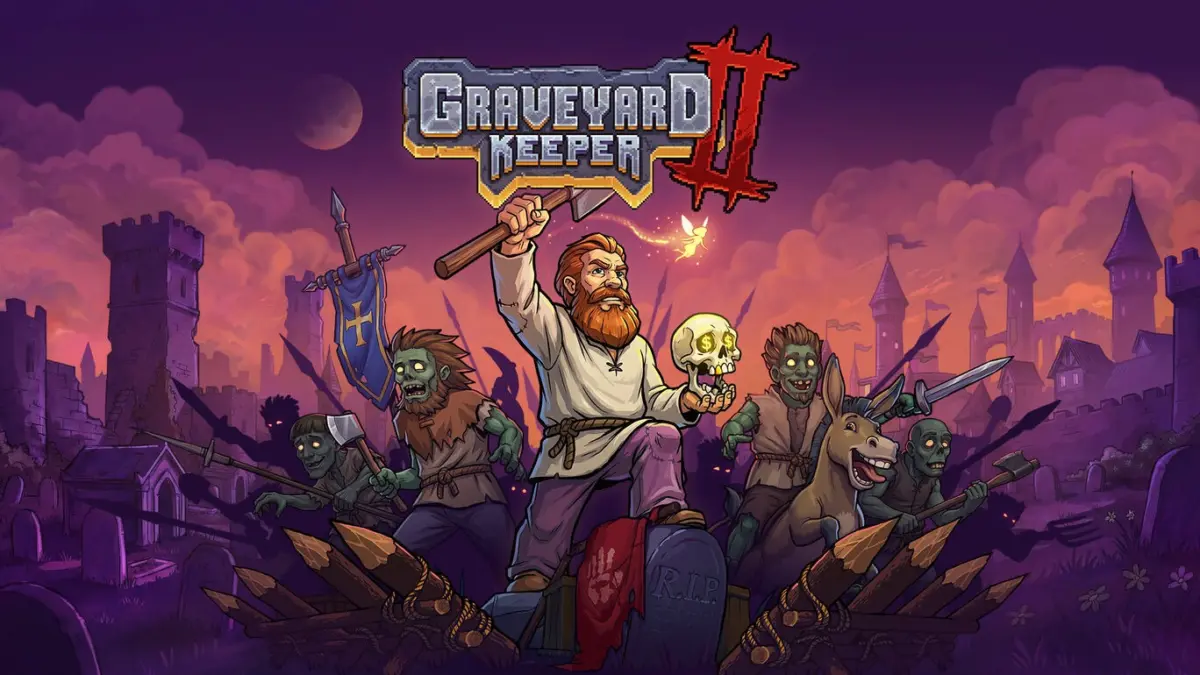
The indie development landscape has long been defined by titles that flirt with the macabre, but few have achieved the cult-status longevity or idiosyncratic charm of Lazy Bear Games’ 2018 sleeper hit, Graveyard Keeper. Now, publisher tinyBuild and developer Lazy Bear Games have officially pulled back the shroud on its highly anticipated sequel, Graveyard Keeper 2.
Slated for release across a sprawling ecosystem of platforms—including PC, PlayStation 5, Xbox Series X|S, PlayStation 4, Xbox One, Nintendo Switch, and the eagerly awaited next-generation Nintendo Switch 2—this new installment aims to refine, expand, and subvert the delightfully morbid simulation formulas established by its predecessor.
At its core, Graveyard Keeper 2 invites players back into a medieval twilight world where the grim reaper is less of a terrifying specter and more of an administrative nuisance. Blending black humor, resource management, capitalist exploitation, and graveyard administration, the franchise has always challenged players to balance ethical boundaries against the pursuit of profit. The sequel promises to elevate these mechanics to unprecedented heights. By integrating deeper automation systems, overhauling the property management loop, and introducing a darker, more sophisticated comedic tone, the developers are positioning Graveyard Keeper 2 not merely as a continuation, but as a definitive evolution of the life-sim genre.
Detailed Chronology: From Humble Graves to Next-Gen Ambitions
The journey of the Graveyard Keeper franchise is a fascinating case study in indie game design and community-driven iteration. When the original title launched in 2018, it carved out a distinct niche. It bypassed the wholesome, idyllic farming tropes popularized by genre pioneers, replacing them with dark satire, cynical moral choices, and an unapologetic capitalist grind. Players were tasked with managing a cemetery, but quickly found themselves knee-deep in automated assembly lines, questionable culinary practices involving human remains, and bureaucratic run-ins with local inquisitors and talking skulls.
Over the years, Lazy Bear Games supported the original title with extensive expansions and quality-of-life updates, cultivating a fiercely loyal player base. However, as the limitations of the original engine and codebase became apparent, the community began clamoring for a true sequel—one that could harness modern hardware to expand the scope of the simulation.
The formal announcement on September 24, 2026, marks the culmination of years of quiet development and iterative prototyping. According to early promotional materials and developer briefings, Graveyard Keeper 2 has been rebuilt from the ground up to address the technical and design bottlenecks of the first game. The announcement trailer, released alongside the press briefing, immediately set the tone: it showcased familiar yet drastically improved visual fidelity, smoother physics engines, and a teasing glimpse at the expanded automation networks that will define the sequel’s gameplay loop.
Supporting Context & Metrics: The Simulation Economy
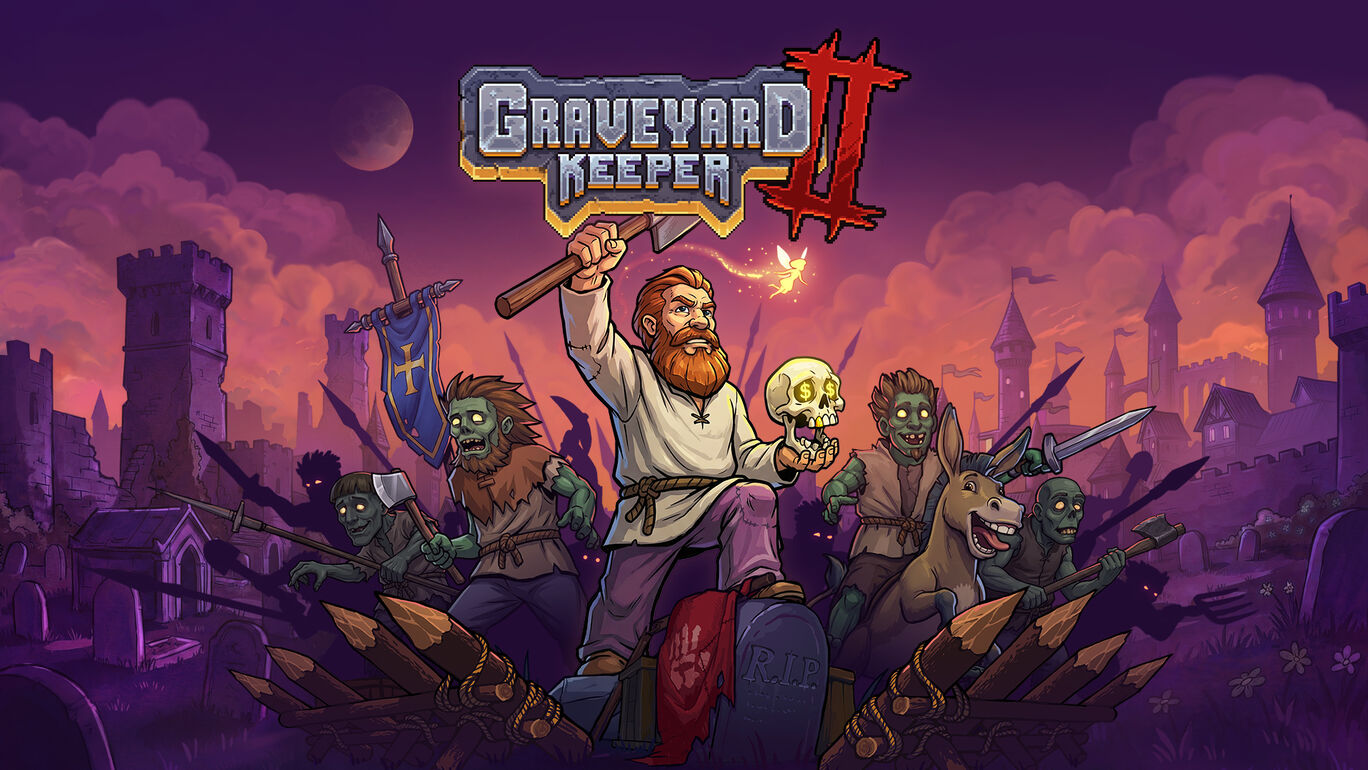
To understand why Graveyard Keeper 2 is generating such profound excitement within the gaming community, one must examine the metrics and cultural footprint of its predecessor. The original Graveyard Keeper achieved remarkable commercial success, boasting an impressive "Very Positive" rating across tens of thousands of user reviews on Steam.
The Pillars of the Franchise’s Economy:
- Resource Optimization: Players must juggle multiple production chains, turning corpses into raw materials, paper, and monetary gains.
- Moral Ambiguity: The game thrives on subverting standard RPG tropes, forcing players to weigh the ethics of their business decisions against operational efficiency.
- Automation Mastery: Moving away from manual labor through zombie-powered assembly lines forms the backbone of the late-game experience.
The sequel takes these foundational pillars and supercharges them. Early industry metrics and wishlist trends on digital storefronts indicate that Graveyard Keeper 2 is poised to eclipse its predecessor’s launch windows. On Steam, the title has already surged into prominent placement on top wishlists and trending charts, signaling that the appetite for darkly comedic management sims is stronger than ever.
Furthermore, the decision to launch simultaneously across a massive array of hardware—spanning legacy systems like the PS4 and Xbox One, current-generation powerhouses like the PS5 and Xbox Series X|S, high-end PC rigs, and Nintendo’s upcoming Switch 2—demonstrates tinyBuild’s confidence in the game’s cross-platform scalability and broad market appeal.
Official Statements and Developer Vision
In press releases accompanying the announcement, representatives from both tinyBuild and Lazy Bear Games emphasized their commitment to listening to the community while pushing creative boundaries.
"With Graveyard Keeper 2, our goal was never just to make more of the same," said a lead developer speaking on behalf of Lazy Bear Games. "We looked closely at what made the first game resonate with players—the dark humor, the complex web of production lines, the morbid satisfaction of optimizing a graveyard—and asked how we could take those systems deeper, darker, and more engaging."
The developers noted that fan feedback from the 2018 original heavily influenced the design of the sequel’s property management systems. In Graveyard Keeper 2, property management is no longer a peripheral minigame; it is a fully realized economic simulation. Players will find themselves managing not just plot layouts, but the socio-economic impact of their business operations on the surrounding medieval populace.

Additionally, the narrative framework has been tightened. While retaining the series’ trademark tongue-in-cheek writing, the story dives deeper into the existential dread and bureaucratic absurdities of being an immortal manager trapped in a perpetual cycle of death, taxes, and church politics. The dialogue is sharper, the quests more intricate, and the moral dilemmas far more consequential.
Future Outlook: What Lies Ahead for Undead Entrepreneurs
As the gaming industry looks toward late 2026 and beyond, Graveyard Keeper 2 stands out as a masterclass in how to sequence a sequel. By retaining the unique identity that won over millions of fans while aggressively modernizing its mechanics, Lazy Bear Games has crafted a title that appeals to both nostalgic veterans and curious newcomers.
Key areas to watch as the game approaches its release window include:
- Platform Optimization on Nintendo Switch 2: How developers utilize the hardware capabilities of Nintendo’s next-gen console to handle the complex background simulations of Graveyard Keeper 2 will be a major technical litmus test.
- Post-Launch Content Roadmap: Given the extensive DLC support lifecycle of the first game, the community is already speculating on what expansions might follow the core release.
- Community-Driven Balance: With closed alpha and beta tests planned for early supporters, player feedback will undoubtedly shape the final tuning of the game’s notoriously intricate crafting trees.
In conclusion, Graveyard Keeper 2 is shaping up to be one of the most compelling simulation experiences of the decade. It promises to test our patience, challenge our morality, and invite us once again to find dark joy in the management of the deceased. For those willing to roll up their sleeves and get their hands dirty, the afterlife has never looked so profitable.








Belum ada komentar. Jadilah yang pertama berkomentar!