

Executive Overview
When Valve announced its entry into the standalone virtual reality arena with the Steam Frame, industry watchers and enthusiasts alike held their breath. Past hardware ventures from the Bellevue-based giant—most notably the Steam Deck and the Steam Controller—garnered widespread critical acclaim not merely for their raw performance, but for Valve’s unwavering commitment to user-serviceability and the Right to Repair movement. Yet, translating a modular, repair-friendly philosophy into the dense, miniaturized constraints of a standalone VR headset was widely considered an insurmountable engineering hurdle.
The initial hardware review cycle proved just how daunting this task is. Early attempts by hardware journalists to strip down the device resulted in nervous retreats, with reviewers hastily re-threading screws on single-allocation review units out of a very real fear of catastrophic failure. However, a comprehensive teardown published by repair authority iFixit, led by hardware expert Shahram Mokhtari, has finally pulled back the magnetic face mask on Valve’s latest device.
The verdict? Against all odds, Valve has managed to engineer a highly complex, compact standalone VR headset that—while challenging—is remarkably considerate of eventual teardowns, component swaps, and user longevity. While it is certainly not a walk in the park for the uninitiated, the Steam Frame proves that dense consumer electronics do not have to be designed as disposable, glue-drenched monoliths. This report examines the chronological anatomy of the Steam Frame teardown, the specific silicon and hardware layout driving its performance, the implications for battery and fan maintenance, and what this ongoing hardware philosophy means for the future of Valve’s ecosystem.
Detailed Chronology of the Teardown: From Core Module to Silicon Core
To understand the engineering feats and architectural hurdles of the Steam Frame, one must retrace the meticulous steps required to take the headset apart. What begins as a seemingly monolithic shell reveals, upon closer inspection, a surprisingly logical hierarchy of modular layers.
Step 1: Accessing the Core Module and Face Mask
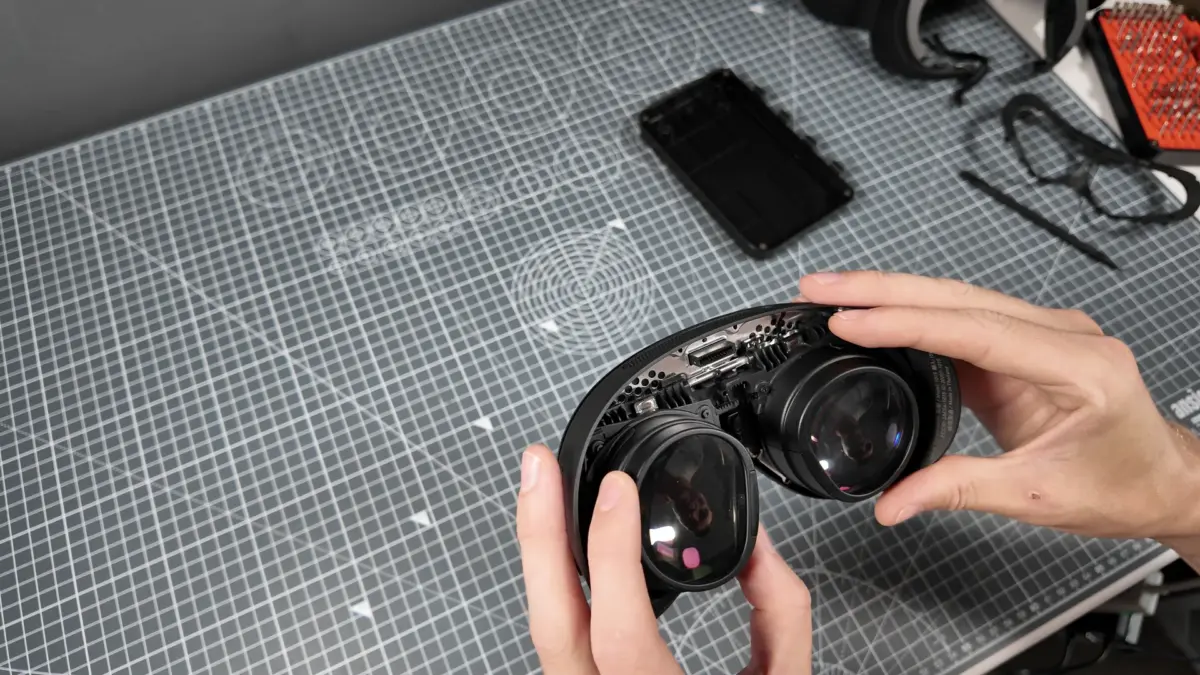
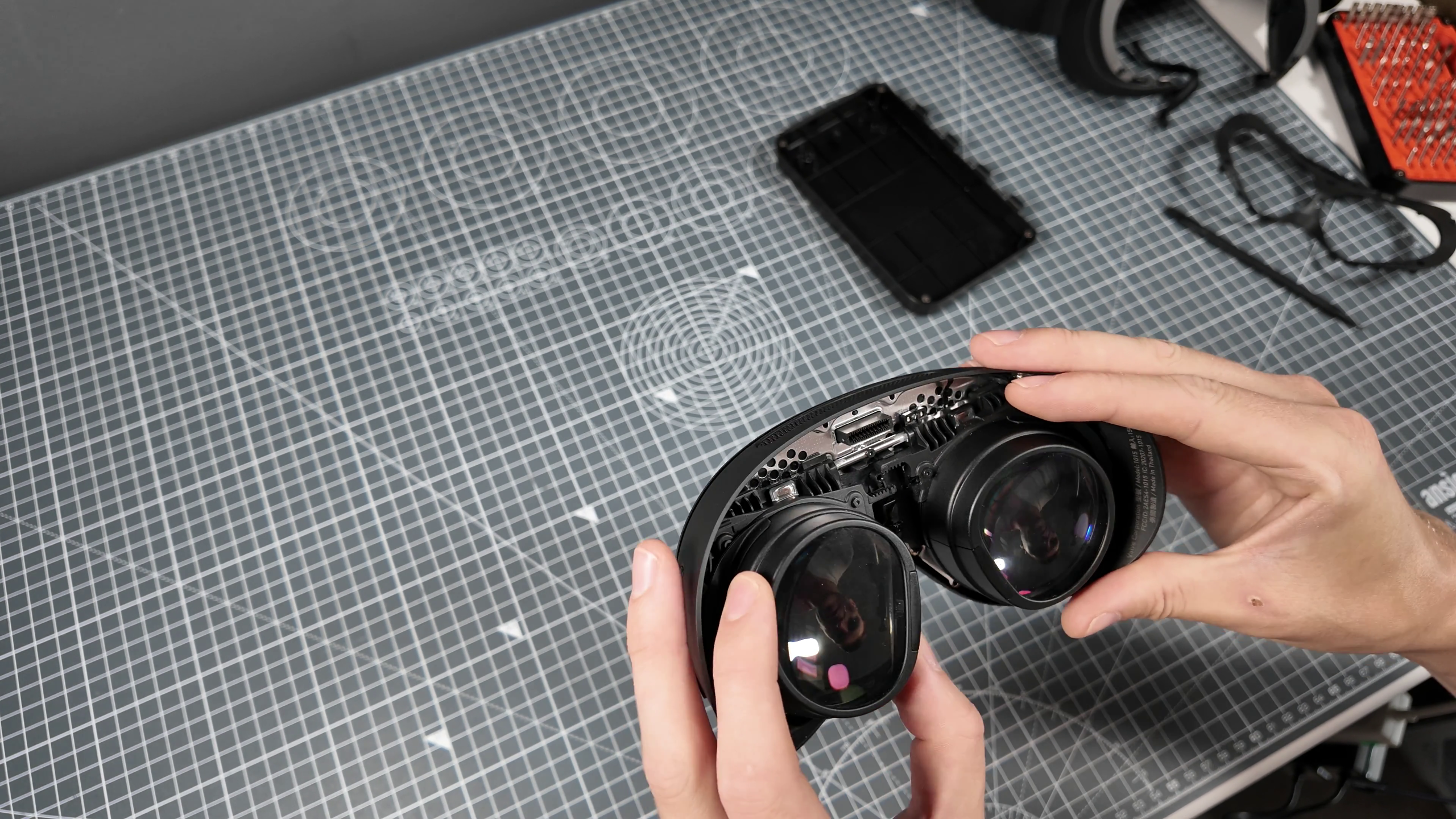
The journey into the Steam Frame begins simply enough, belying the complexity hidden underneath. Beneath the device’s magnetic face mask reside three mechanical release switches. Disengaging these switches allows the primary "core module"—the nerve center housing the system-on-chip, RAM, embedded memory, optics, and internal sensors—to cleanly detach from the head strap.
Once separated from the strap, technicians must remove six strategically placed Torx screws. This unsecures the primary plastic exterior shroud, exposing the internal skeletal framework of the headset. It is at this early juncture that amateur teardown attempts often stall, as the delicate push-fit connections securing the display and lens assemblies require a steady hand and a willingness to pry past initial resistances.
Step 2: The Lens Stack and Optical Rail
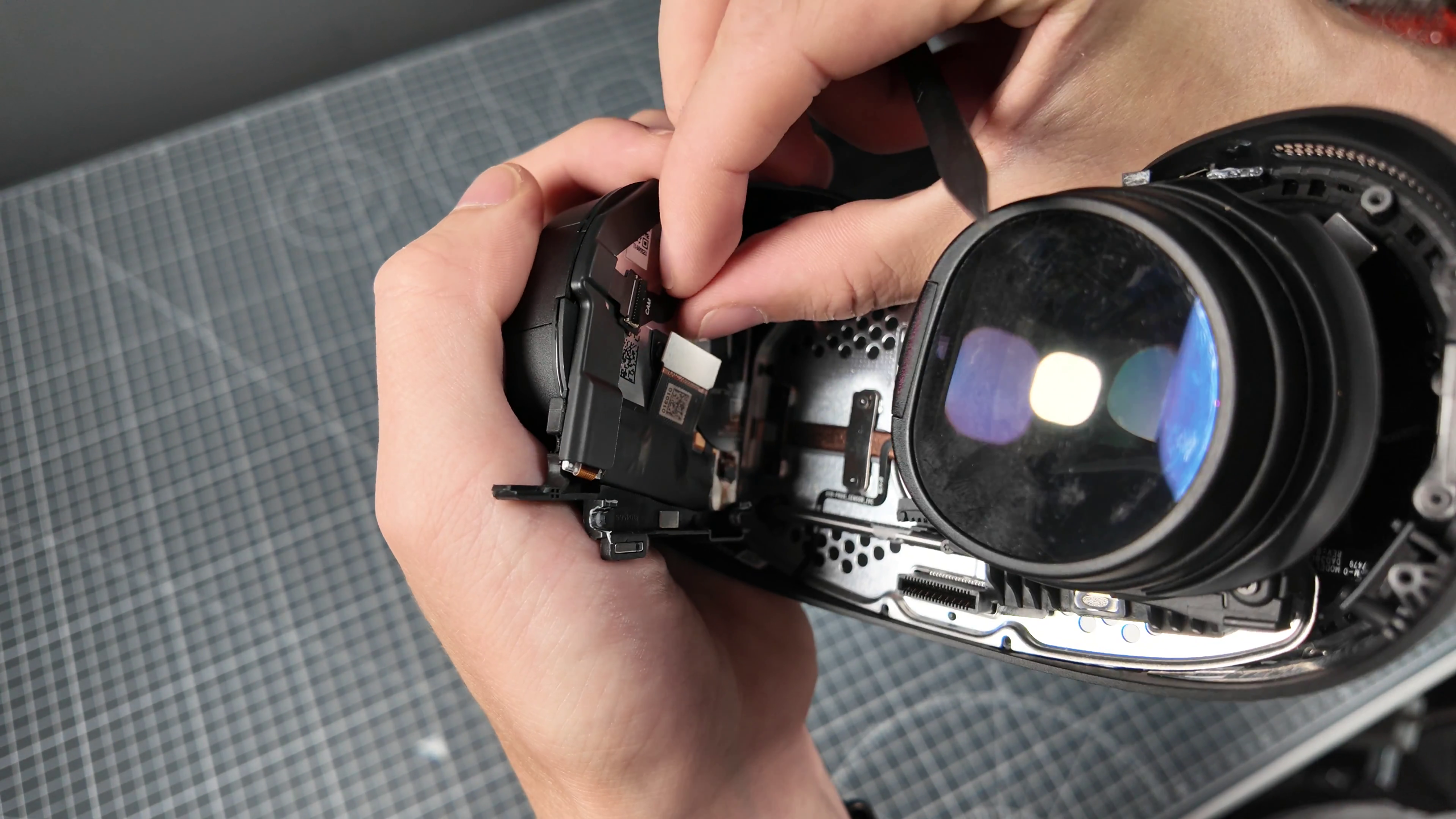
The optics (comprising the custom lenses and display panels) are mounted magnetically to a sliding rail system situated at the top of the headset. According to iFixit’s analysis, this design is exceptionally well-executed for such a complex optical assembly, earning comparisons to the Bigscreen Beyond, which boasts one of the easiest lens stack removal processes in the modern VR market.
However, the connection cables running from the rear of the optics present a nerve-wracking obstacle. Secured via push-fit connectors that are further stabilized with adhesive, these cables demand a calculated application of force to pry loose. Early reviewers understandably balked at this step, terrified of destroying irreplaceable, high-value optics on a pre-release review unit. Mokhtari and the iFixit team, unfazed by the risk, bypassed this psychological barrier, demonstrating that the underlying connectors can be safely separated without permanently shearing the ribbons.
Step 3: Navigating the Mainboard and Thermal Plate
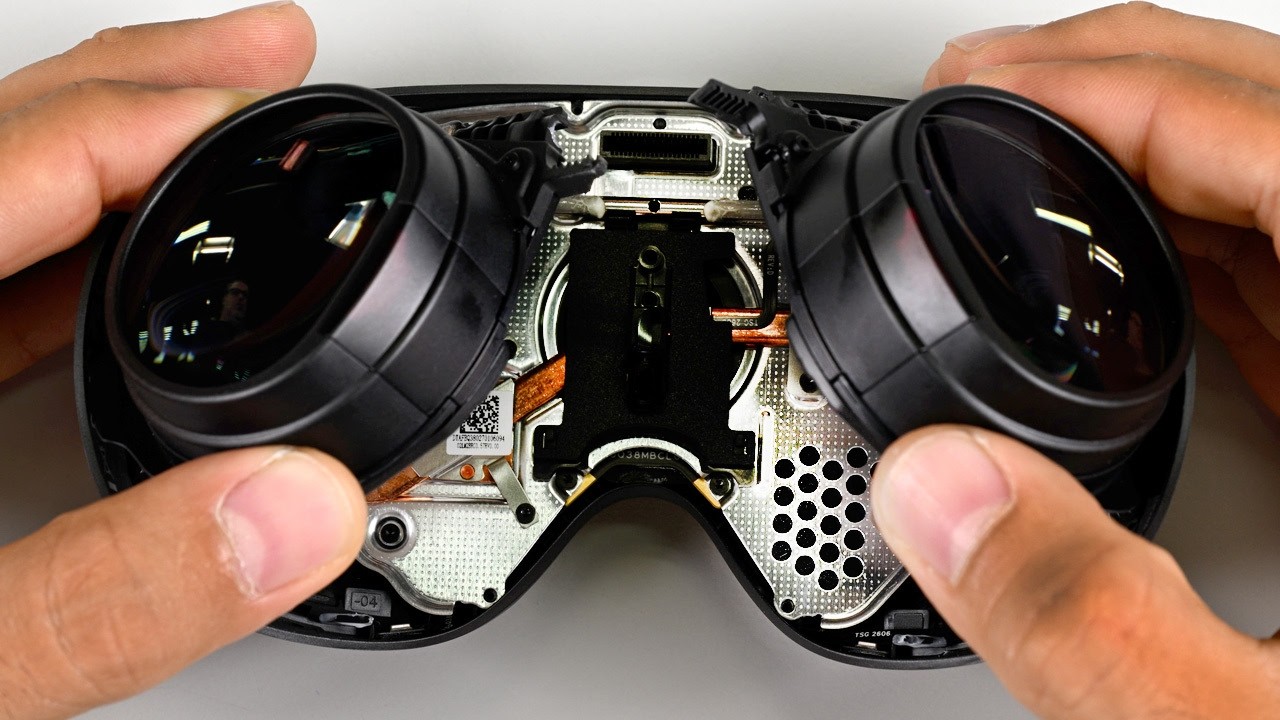
With the optics out of the way, the internal layout opens up substantially. The metal bar supporting the lens stack lifts out next, followed immediately by the proximity sensor module. This uncovers the central metal shielding plate, complete with an integrated copper heatpipe designed to funnel thermal energy away from the primary processing units.
Removing this metal plate requires negotiating the forward-facing tracking cameras embedded around the edge of the mainboard. During early independent attempts, technicians inadvertently popped these delicate tracking cameras out of alignment while trying to wrench the heatplate free. Fortunately, once the correct fasteners are identified—specifically, three stubborn screws anchoring the copper heatpipe itself—the shield lifts away to reveal the raw silicon beneath.
Step 4: Exposing the Silicon and Active Cooling
With the thermal paste cleared away, the layout of the mainboard comes into sharp focus. In the bottom left quadrant sits the Qualcomm Snapdragon 8 Gen 3 system-on-chip, flanked by 16GB of SK hynix LPDDR5X RAM. Positioned directly above the memory architecture is a 256GB SK hynix NAND flash storage chip.
The perimeter of the mainboard is crowded with micro-connectors. While these can be easily disconnected using standard precision tools like a spudger or fine-tipped pliers, Mokhtari is quick to note that the sheer density of these connections pushes past the boundary of a casual, entry-level DIY repair. Nevertheless, the spatial separation of these critical components showcases a clear intent to keep modular pathways clear.
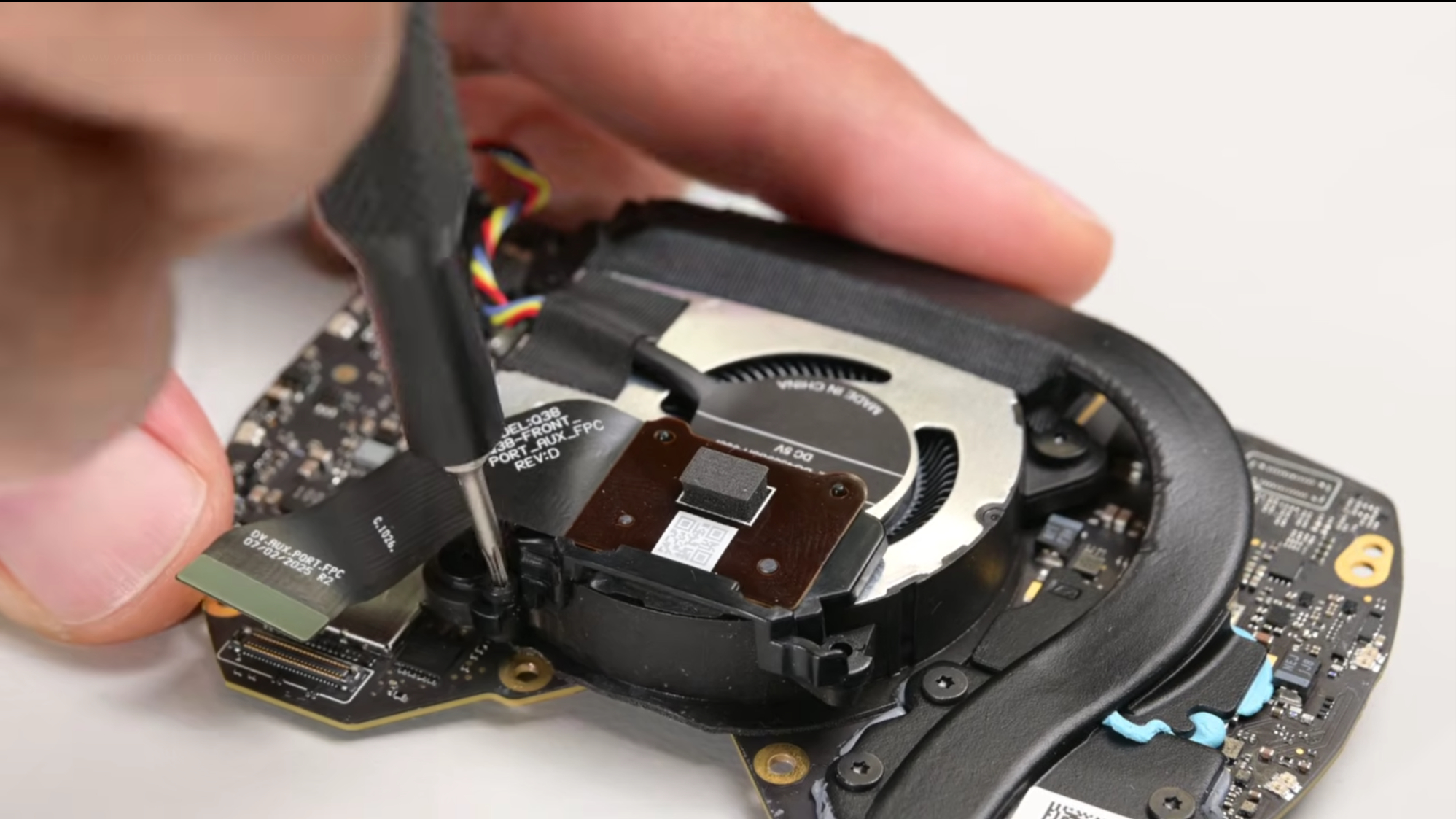
Upon unscrewing and flipping the entire mainboard over, technicians are greeted by an active cooling fan, an expanded secondary heatpipe, and a densely populated PCB. Six infrared (IR) emitters—three on each side—are clustered tightly around the rear of the board, illuminating the meticulous engineering required to maintain tracking stability in a compact form factor.
Supporting Context, Architecture, and Metrics
Beyond the sheer mechanics of disassembly, the Steam Frame’s teardown reveals crucial hardware metrics that explain its real-world performance, ergonomics, and tracking fidelity during rigorous testing sessions.
Tracking Fidelity and the IR Array
One of the standout characteristics noted by reviewers during initial hands-on testing was the uncanny accuracy and stability of the Steam Frame’s spatial tracking. The teardown answers why: the headset and its accompanying controllers are practically saturated with IR emitters.
While the headset features strategic IR clusters on the mainboard and housing to assist external and internal sensor fusion, the controllers themselves are heavily laden with tracking diodes. This massive redundancy ensures that dead zones are virtually non-existent, explaining why the peripheral tracking holds up under rapid movements and occlusions that typically trip up standalone competitors.
Battery Design and Third-Party Potential
Power delivery in standalone VR has historically been a major pain point, often forcing manufacturers to compromise between weight distribution and battery longevity. The Steam Frame approaches this with a refreshingly serviceable design.
Accessing the internal battery requires removing a modest number of screws, a standard press-connector, and overcoming a moderate layer of adhesive. While the glue requires patience to peel back cleanly, it does not leave behind a destructive residue.
Industry analysts point out that this layout is inherently friendly to aftermarket customization. The physical architecture strongly suggests that third-party battery pack integration will be straightforward. This aligns with insider reports that Valve is actively developing its own modular head strap variants featuring hot-swappable, interchangeable battery configurations.
Official Statements and Industry Perspectives
The philosophy underpinning the Steam Frame’s hardware design did not happen by accident; it represents an institutional commitment by Valve to defy industry norms of planned obsolescence.
Reflecting on the complex layers of the headset, Shahram Mokhtari offered high praise for Valve’s engineering choices during the iFixit broadcast:
"In context, there are very few repairs that would need this level of disassembly, so I’ve got to hand it to Valve. They layered the critical components really well with an eye towards user serviceability."
Valve’s internal hardware division has repeatedly emphasized that creating closed, unrepairable ecosystems runs counter to the ethos of the PC gaming community. While the challenges of shrinking down a desktop-class gaming philosophy into a wearable head-mounted display are immense, the company has consistently prioritized modularity where physically possible.
The primary critique leveled by the iFixit team targeted the internal cooling fan. Because active cooling fans are mechanical components subject to dust accumulation, bearing wear, and eventual failure, Mokhtari argued that the fan should ideally be isolated behind a more easily accessible service hatch, rather than buried deep beneath the mainboard’s primary shield. Aside from this single mechanical bottleneck, however, the overall architecture received a resounding stamp of approval.
Future Outlook: The Repairable VR Era
The successful teardown of the Steam Frame marks a watershed moment for the virtual reality hardware market. For years, major consumer tech giants—including Meta, Apple, and Sony—have treated standalone headsets as sealed black boxes. Damaged optics, degraded batteries, or failing fan bearings have traditionally resulted in complete device write-offs, necessitating costly replacements or generating mountains of electronic waste.
Valve’s hardware track record now spans multiple distinct categories:
- The Steam Controller: Celebrated for accessible internal layouts and user-serviceable button mechanisms.
- The Steam Deck: Universally recognized as the gold standard for handheld PC repairability, complete with official CAD files and widely available replacement parts.
- The Steam Machine ecosystem: Designed with standard desktop upgrade pathways in mind.
- The Steam Frame: Proving that spatial computing and standalone VR can also adhere to these open-hardware principles.
By demonstrating that a dense, high-performance standalone VR headset can be engineered with repairability in mind, Valve is quietly raising the bar for the entire consumer electronics sector. While the average consumer should still think twice before breaking out a Torx driver on their brand-new headset, the knowledge that components can be replaced, upgraded, or salvaged offers immense peace of mind.
As Valve continues to iterate on its hardware ecosystem—with upcoming strap accessories, battery innovations, and ongoing software support—the Steam Frame stands as proof that complexity does not have to be the enemy of sustainability. For tinkerers, developers, and eco-conscious gamers alike, the Steam Frame’s interior is not just a collection of silicon and circuits; it is a blueprint for a more open future in spatial technology.








Belum ada komentar. Jadilah yang pertama berkomentar!