

Few alternative histories in the annals of gaming lore are as tantalizing as the one where Fallout—one of the most defining post-apocalyptic role-playing franchises in history—was built upon the mechanical foundation of GURPS (Generic Universal Role-Playing System). Long before Bethesda Game Studios turned the wasteland into a multi-billion-dollar first-person blockbuster, and even before Interplay Entertainment established the isometric blueprint in 1997, Fallout was tethered to a licensing agreement with Steve Jackson Games (SJG).
Had that partnership survived the turbulent design phase of the mid-1990s, the wasteland might have looked, played, and felt drastically different. Yet, creative differences, clashing corporate visions, and a fundamental disagreement over tone tore the collaboration apart.
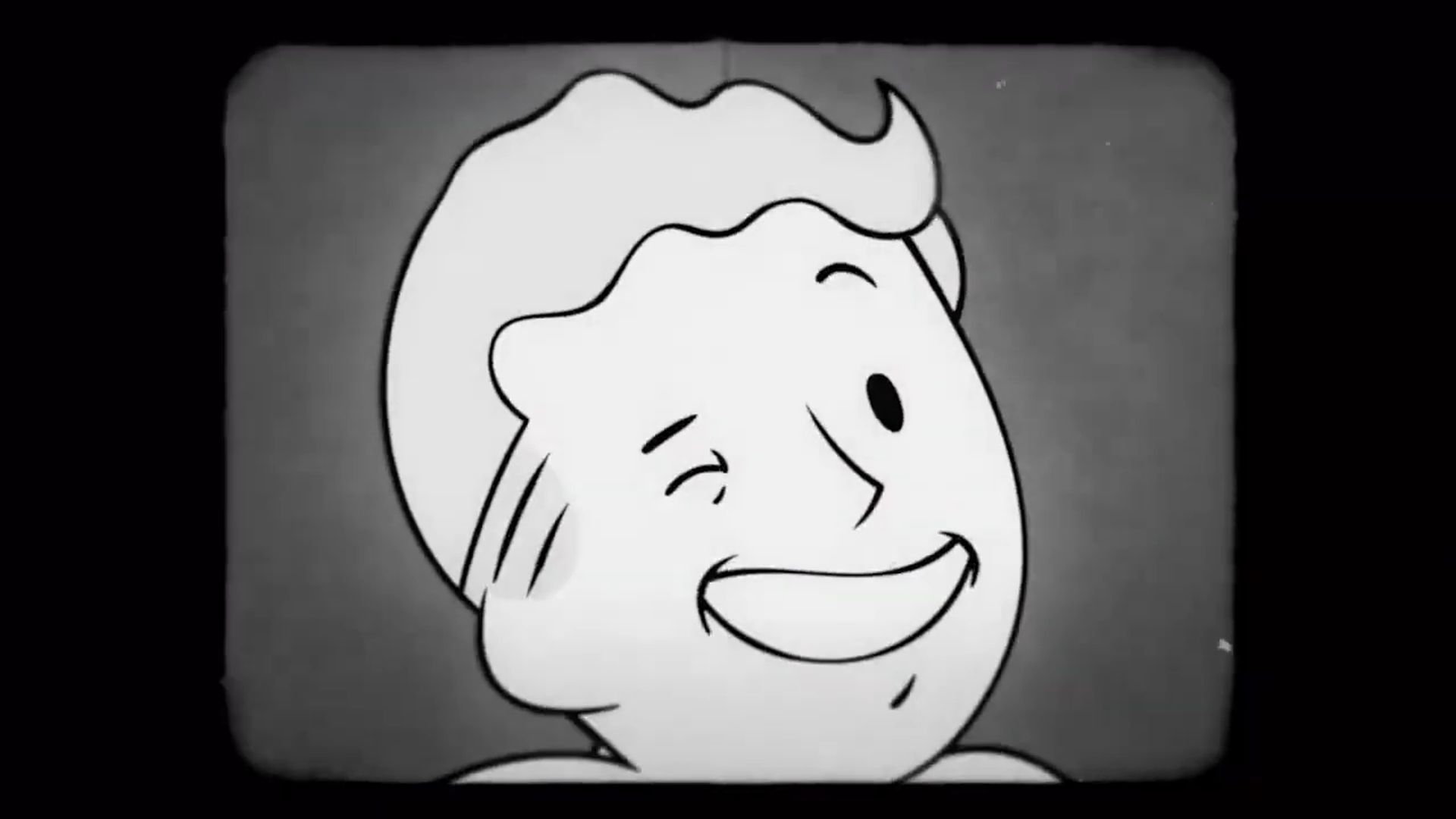
Chief among the points of contention was an asset that has since become synonymous with the franchise itself: Vault Boy. Recent disclosures by Fallout co-creator Tim Cain, corroborated by archival reporting from historical issues of PC Gamer, reveal that Steve Jackson Games outright demanded the removal of the iconic, grinning cartoon mascot. SJG felt the playful, Monopoly-inspired art style clashed fundamentally with the gritty, ultra-violent atmosphere Interplay was striving to build.
Faced with creative strangulation and the looming threat of legal action over vague contract clauses regarding "environmental control," Interplay chose to sever ties, discard the GURPS rulebook, and forge its own system—giving birth to S.P.E.C.I.A.L. and an immortal pop-culture icon in the process.
Detailed Chronology: From GURPS Partnership to Independent Wasteland
The Genesis of a Hybrid Vision (Mid-1990s)
In the early days of development at Interplay, the project that would eventually become Fallout was not conceived as an entirely original ruleset. The team, spearheaded by visionaries like Tim Cain, recognized that designing a deep, tactical tabletop-style RPG from scratch was a monumental undertaking. To expedite and legitimize the process, Interplay sought out an existing, robust tabletop system.
They settled on GURPS, created by American game designer Steve Jackson (not to be confused with the British co-founder of Games Workshop). GURPS was renowned for its immense flexibility, capable of supporting historical, fantasy, and sci-fi settings with equal aplomb. An agreement was struck between Interplay and Steve Jackson Games, granting the developer rights to use the rule system for their upcoming computer RPG, tentatively codenamed Vault 13.
Creative Friction and the Clashing of Tones
As development progressed, the cultural and artistic divide between Interplay’s digital designers and the tabletop purists at Steve Jackson Games widened into a chasm. The friction manifested across several key design pillars:
- The Violent Introduction: Interplay crafted a hard-hitting, cinematic opening sequence for the game, establishing the bleak, apocalyptic nature of a nuclear-ravaged America. Steve Jackson Games took immediate exception to the visceral violence displayed in this cutscene.
- Character Scale and Weapon Detail: SJG argued for larger character sprites on-screen, coupled with more granular, hyper-detailed renderings of weapons, pushing the visual identity closer to traditional tabletop miniature tactical representations.
- The Vault Boy Objection: Most crucially, SJG targeted the game’s nascent UI iconography. The cartoonish, cheerful mascot used to denote skills, perks, and stats—modeled jokingly after Monopoly’s iconic mascot—was labeled tonally inappropriate. SJG insisted these cartoon elements be completely scrubbed from the project.
The Breakdown and Legal Brinkmanship
The disagreement escalated rapidly behind the scenes. According to historical accounts, Steve Jackson himself was largely insulated from the day-to-day friction until industry journalists began reaching out for comments regarding the sudden collapse of the deal.
Interplay’s Feargus Urquhart, speaking to PC Gamer in April 1998, detailed the untenable position the studio found itself in. Under the nebulous terms of the licensing contract, SJG purportedly held sweeping control over how their intellectual property and associated creative environments were utilized. When negotiations stalled and Interplay pushed back against the sweeping demands to remove Vault Boy, alter character scales, and tone down the introduction, Jackson drew a hard line: if Interplay shipped the game in its current state, SJG would pursue legal recourse.
Recognizing that navigating protracted litigation and stifling creative oversight would cripple the project, Interplay made a decisive executive gamble. They dropped the GURPS license entirely, rewriting the underlying mechanics from scratch. This forced pivot birthed the S.P.E.C.I.A.L. character system and forced the art team to double down on the distinctive, satirical 1950s Americana aesthetic that anchored Vault Boy’s permanent place in gaming history.
Supporting Context & Metrics
The Economic and Cultural Weight of the Decision
To understand the gravity of Steve Jackson Games’ objections, one must analyze the unique artistic gamble Interplay was taking. The 1990s PC gaming landscape was shifting toward either hyper-realistic graphical showcases or deeply entrenched fantasy tropes (dominated by Dungeons & Dragons adaptations). Fallout was doing something radically different: combining pitch-black humor, retro-futurism, and visceral ultraviolence.
- Iconography Efficiency: Vault Boy wasn’t just a mascot; he was a masterclass in UI/UX design. In an era of high-density text and complex inventory screens, having distinct, easily readable cartoon illustrations for dozens of perks and skills (at tiny icon resolutions) was vital for player comprehension.
- The S.P.E.C.I.A.L. Pivot: Scrapping GURPS forced Interplay to invent Strength, Perception, Endurance, Charisma, Intelligence, Agility, and Luck. This proprietary system became the structural backbone not only for the original 1997 masterpiece and its 1998 sequel Fallout 2, but heavily influenced subsequent iterations.
- Brand Valuations: Today, the Vault Boy silhouette, his ubiquitous thumbs-up, and the Vault-Tec color palette represent a multi-billion-dollar multimedia footprint, spanning multi-platform video game releases, merchandise, and a critically acclaimed television adaptation on Amazon Prime Video.
Official Statements & Archival Testimony
The narrative of this near-miss in gaming history is preserved through the direct testimonies of those who lived through it.
Tim Cain on Vault Boy’s Narrow Escape
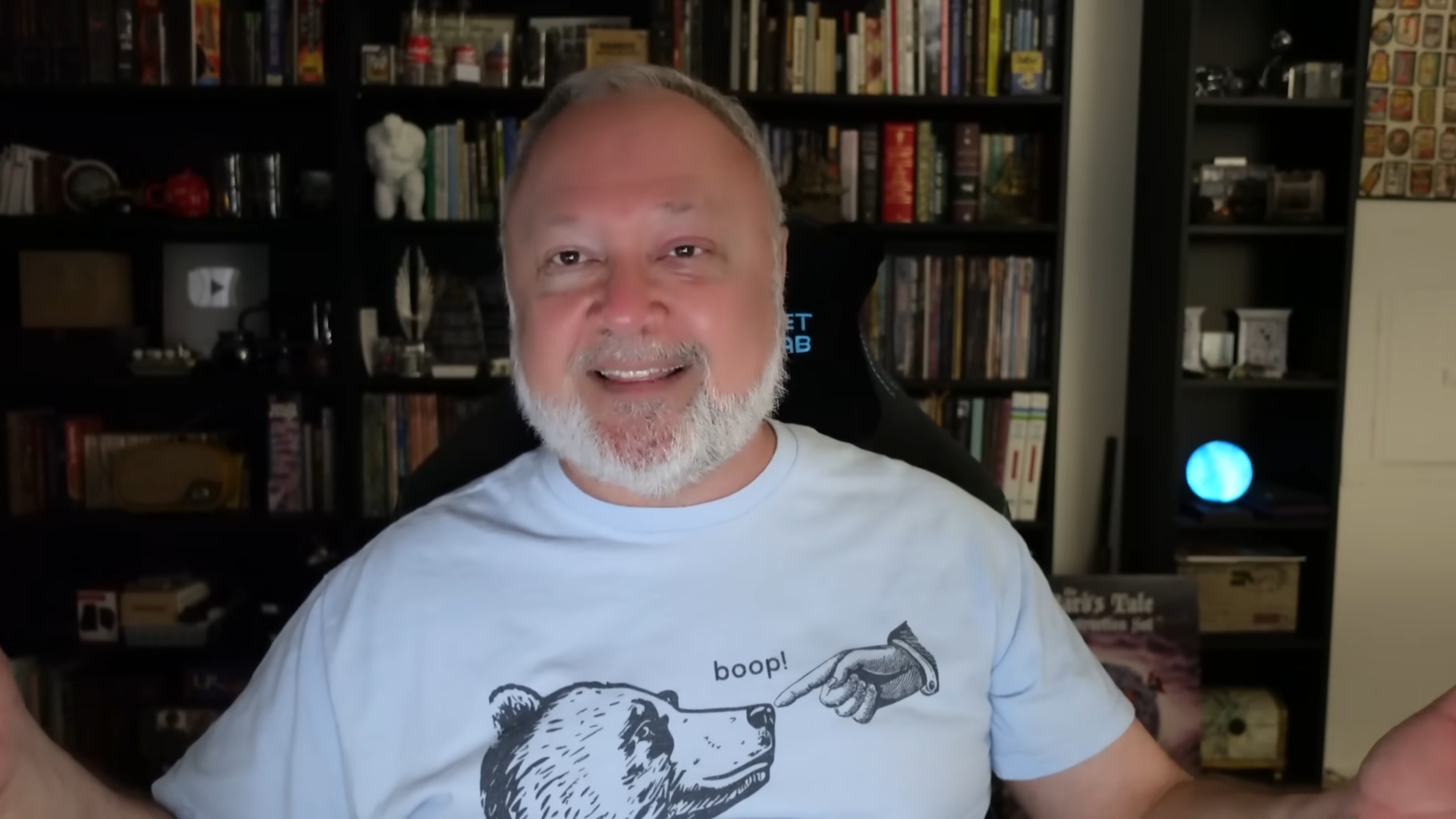
In recent video retrospectives examining the design history of Fallout, co-creator Tim Cain explicitly highlighted the resistance faced from their former licensing partners:
"Among other things that Steve Jackson Games didn’t like about Fallout was Vault Boy. They specifically singled out Vault Boy as needing to be removed. They didn’t like it. We explained the Monopoly reference, they didn’t like it. They thought it tonally didn’t fit. Keep in mind we had already done the cinematic and they didn’t like it there. There’s other things in the cinematic they didn’t like, but they didn’t like Vault Boy there either."
Feargus Urquhart’s 1998 Retrospective
Archival reporting from PC Gamer’s April 1988 [sic: 1998] issue captures Feargus Urquhart’s immediate post-mortem of the fallout with SJG, highlighting how contract vagaries forced Interplay’s hand:
"He didn’t like the violence in the introduction, Urquhart says; he wanted to make the game’s characters bigger, with more details on the weapons; and he didn’t like the little characters that represent the different skills in the game—in fact, he wanted those Monopoly-style cartoon characters pulled out. After wrangling back and forth with the developers and going over the contract… Jackson basically said that if Interplay went ahead with Fallout as is, he’d take action. Rather than dealing with red tape, Interplay dropped the license."
Future Outlook
The dissolution of the Interplay-SJG partnership stands as one of the most fortuitous near-misses in interactive entertainment history. Had Steve Jackson Games successfully enforced their creative vision, Fallout would have been stripped of its defining visual irony, forced into a more traditional tabletop-mimicking aesthetic, and potentially bogged down by external artistic constraints.
Instead, the forced independence liberated Interplay’s developers to lean entirely into their eccentricities. The juxtaposition of a smiling cartoon boy against a backdrop of atomic annihilation became the emotional and visual anchor of the franchise. As the Fallout universe continues to expand across new gaming generations and cross-media adaptations, the legacy of that 1990s boardroom clash serves as a vital reminder: sometimes, losing a license is the best thing that can ever happen to a masterpiece.






Belum ada komentar. Jadilah yang pertama berkomentar!