

Executive Overview
In the volatile landscape of modern multiplayer gaming, few titles possess the enduring gravity of Overwatch. A full decade after its initial cultural explosion, Blizzard Entertainment’s flagship team-based shooter has defied the notoriously brutal life cycles of the live-service sector. While major publishers like Sony have recently retreated from the space—abruptly pulling the plug on eight out of twelve heavily backed live-service projects when market dynamics shifted—Overwatch has continued to retain, and in some metrics grow, its active player base.
The secret to this longevity is not found in a singular, easily replicable formula or a corporate "silver bullet." Instead, as Game Director Aaron Keller and Associate Game Director Alec Dawson explain, survival in this arena requires relentless daily decision-making, a willingness to experiment without fear, and a precise understanding of a unique market positioning. Occupying the fertile middle ground between casual novelty and high-stakes esports competition, Overwatch has managed to outlast pretenders to the throne, such as Marvel Rivals, by prioritizing skill expression, competitive integrity, and visceral mechanical satisfaction. As the game barrels toward its next major milestone, its developers reflect on a decade of building a "hero factory" that continues to defy industry gravity.
Detailed Chronology: The Evolution of Overwatch’s Live-Service Journey
To understand how Overwatch has navigated ten years of shifting industry trends, one must examine the critical inflection points that defined its path from a trailblazing hero shooter to a modern free-to-play juggernaut.
Phase One: The Launch and Golden Age (2016–2018)
When Blizzard Entertainment launched the original Overwatch in May 2016, it arrived as a breath of fresh air. Blending Pixar-esque character design with tight, first-person shooter mechanics and objective-based team play, the game instantly captured the global imagination. During its initial years, the live-service model was still in its infancy, relying heavily on box-sales followed by cosmetic loot boxes. Team 4 enjoyed an unprecedented honeymoon period, fueled by high-profile animated shorts, massive community engagement, and the nascent ambitions of the Overwatch League (OWL).
Phase Two: The Stagnation and Content Drought (2019–2021)
As the industry matured, cracks began to show. The decision to shift development focus heavily toward the ill-fated "Hero Mode" for a PvE-centric sequel starved the original game of fresh hero releases, map updates, and meta-shifting reworks. Player counts dipped, community frustration peaked, and the live-service momentum slowed to a crawl. This period served as a harsh baptism by fire for Team 4, teaching the developers that even the most beloved intellectual properties cannot survive on nostalgia and delayed promises alone.
Phase Three: The Free-to-Play Pivot and Modern Renaissance (2022–Present)
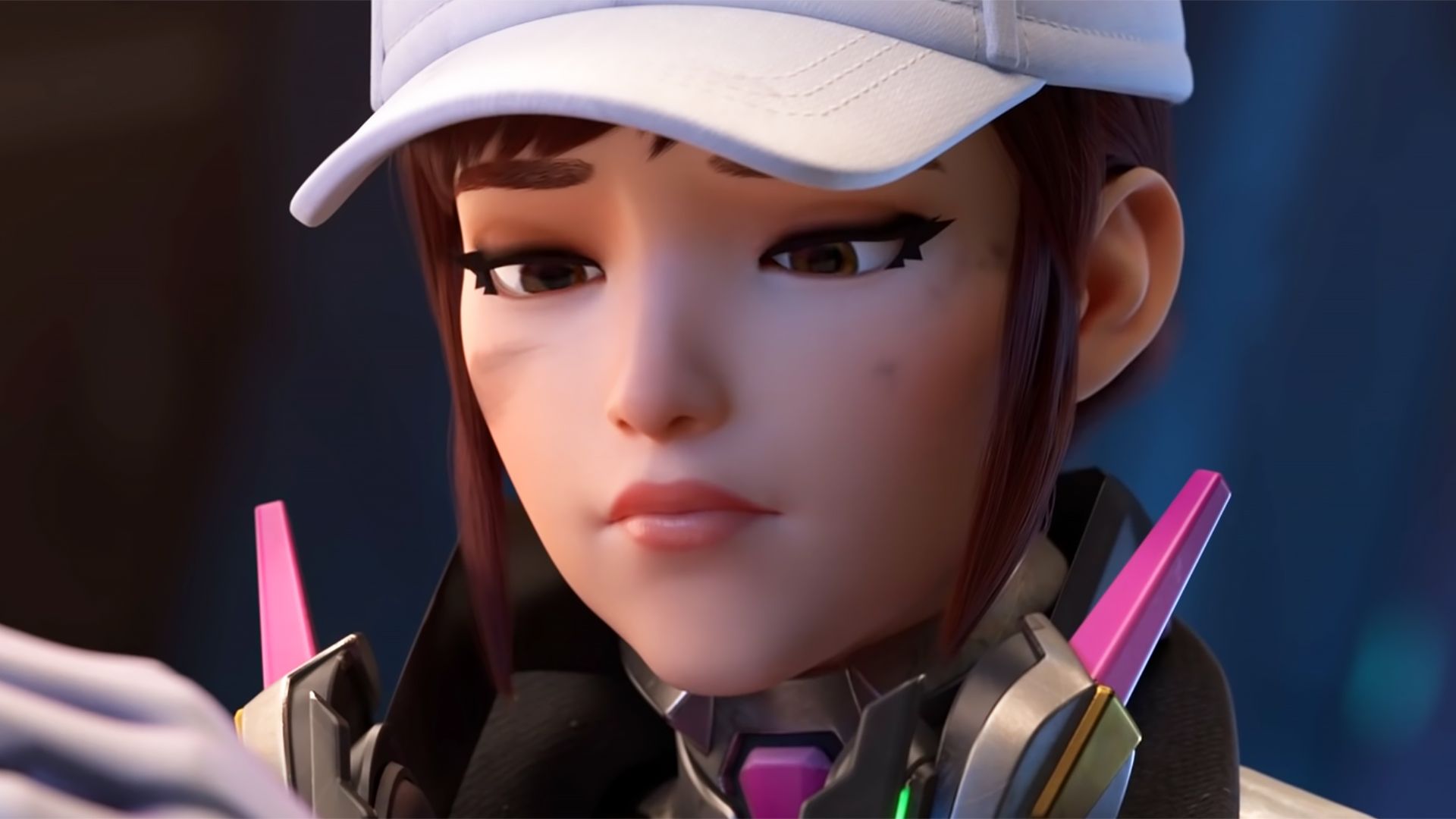
The release of Overwatch 2 marked a painful yet necessary pivot. Transitioning to a free-to-play, seasonal live-service model brought a fresh wave of players and re-established a regular cadence of content drops, heroes, and battle passes. While the cancellation of the full PvE campaign stung core fans, it allowed Team 4 to refocus its resources entirely on what the game does best: competitive PvP player interaction. Over the last two years, the team has embraced iterative design, rapid feedback loops, and a fearless approach to experimentation that has stabilized the game amidst fierce modern competition.
Supporting Context & Metrics: Navigating the Live-Service Graveyard
The gaming industry’s obsession with live-service games has left a trail of financial and creative wreckage in its wake. Publishers eager to capture the recurring revenue streams pioneered by titles like Fortnite and League of Legends have poured billions into multi-year development cycles, only to watch their investments collapse weeks after launch.
Sony’s high-profile strategic pivot serves as the most glaring cautionary tale. After publicly committing to an aggressive slate of twelve live-service games slated for release by 2025, PlayStation management was forced to cancel eight of those projects following internal reviews and changing market appetites. Even titles that manage to secure an enthusiastic launch audience—such as recent contenders in the extraction and shooter genres—frequently struggle to maintain player momentum past the initial honeymoon phase.
In this climate, Overwatch’s survival is an anomaly. The modern player base is defined by two scarce commodities: time and disposable income. With thousands of titles vying for attention across PC and console platforms, studios cannot merely offer a competent game; they must offer a distinct reason for a player to log in day after day.
Overwatch carved out its defensive moat by defining its unique space in the ecosystem. As Aaron Keller points out:
"Our players really want novelty and they really want variety, but they want it inside of a competitive framework. If you look at other games on the market, there’s ones that are really just more about the novelty side of the game, and there’s other ones that are really just about straight up competition. There’s not a lot of change in those games. We occupy this really unique spot in the middle."
When challengers like Marvel Rivals emerged, threatening to siphon away the hero-shooter audience, they quickly exposed the divergence in design philosophies. While Marvel Rivals explicitly chose to "balance for fun first and foremost," leaning into a casual, spectacle-driven experience, Overwatch doubled down on competitive depth, high skill ceilings, and structural fairness.
Official Statements: Inside the Mind of Team 4
Speaking candidly about the realities of maintaining a ten-year-old live-service asset, Game Director Aaron Keller and Associate Game Director Alec Dawson demystified the day-to-day operations of Blizzard’s premier development unit.
"That’s a big question," Alec Dawson admits when asked about the secret to sustaining a live-service hit for a decade. "I think some of the things we’ve learned is to shut away fear as much as possible and push beyond, experiment within that experience. But what it really boils down to is coming to work each morning and making good decisions every day. We’ve lived that over the last two years."
Keller echoes this sentiment, warning that the industry often underestimates the sheer volatility of game development:
"It’s incredibly hard to make something that players can interact with every day for years on end. You can get 95% of the way there, and your game could still die three months after release. It is much, much harder to come up with that initial sort of experience than I think a lot of people give it credit for. But once you’ve done it, you’ve kind of just started the race."
A core design philosophy that has anchored Team 4 through various iterations of the game is Blizzard’s historical mantra: "Control is king." Keller explains that players fundamentally want to feel entirely in control of their hero’s actions, allowing them to orchestrate the high-impact, cinematic moments that define competitive hero shooters.
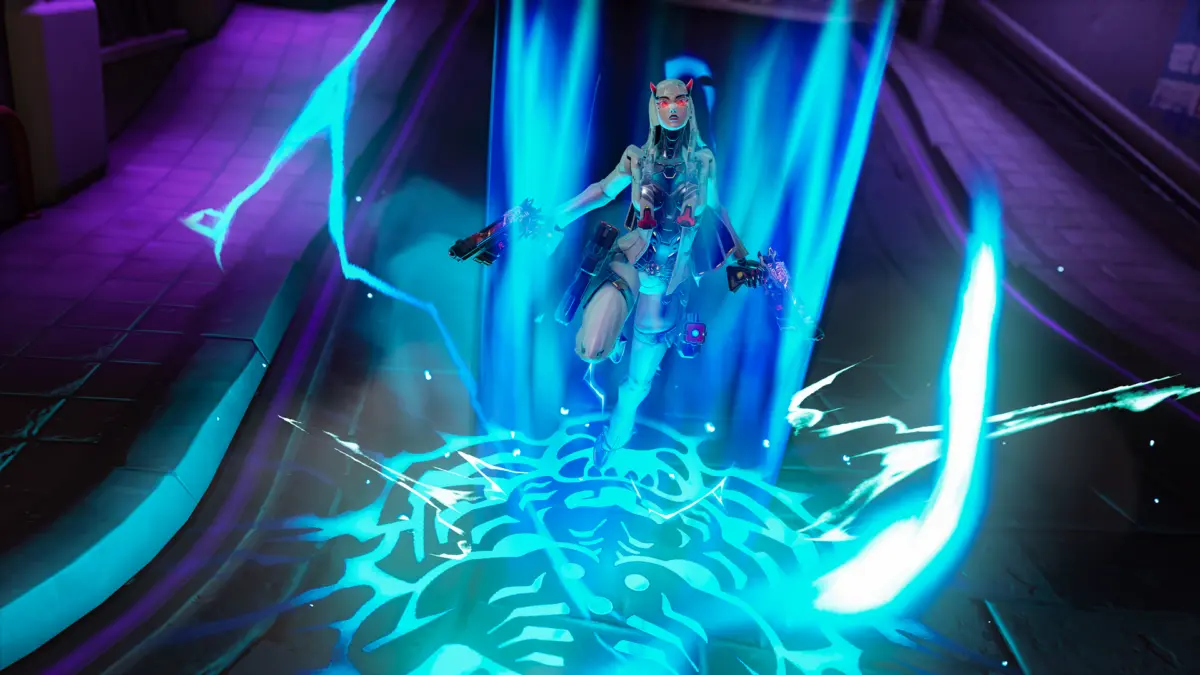
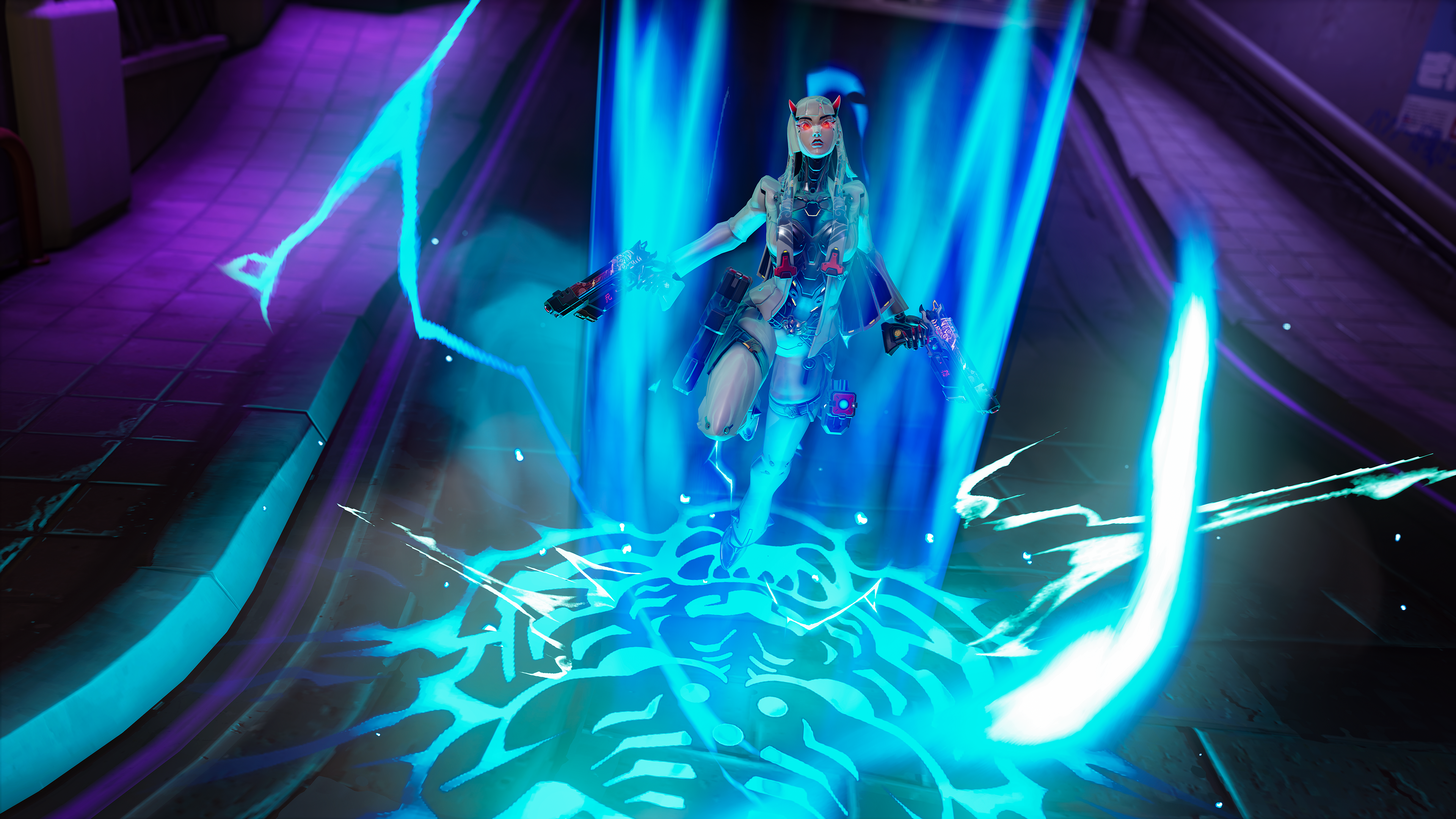
This philosophy is vividly demonstrated in the design of the game’s newest hero, Doctrine. According to the development team, Doctrine bridges the gap between accessibility and mastery:
- The Base Experience: A primal, visceral loop where utilizing the base kit to land shots feels immediately satisfying.
- The Master Class: A nuanced, high-skill ceiling enabled by mechanics like the "Infuse" ability.
"It’s so satisfying to be holding down Infuse while you’re trying to line up your shot," Keller describes, illustrating the synergy between design, audio engineering, and VFX animation. "As the beam gets bigger, you get that sound effect, then you pull the trigger, and you see that connection. It’s so satisfying. The hero team, the audio team, the VFX animations, everybody kind of comes together to have that one moment where control really is king. That moment just needs to feel as good and as visceral as possible."
Future Outlook: The Next Era of Overwatch
With 54 heroes now populating its roster, Overwatch has proven that it can continually expand its stylistic and mechanical boundaries without losing its identity. Far from resting on its laurels after a decade in operation, Blizzard’s Team 4 is actively preparing for the next phase of the franchise’s lifecycle.
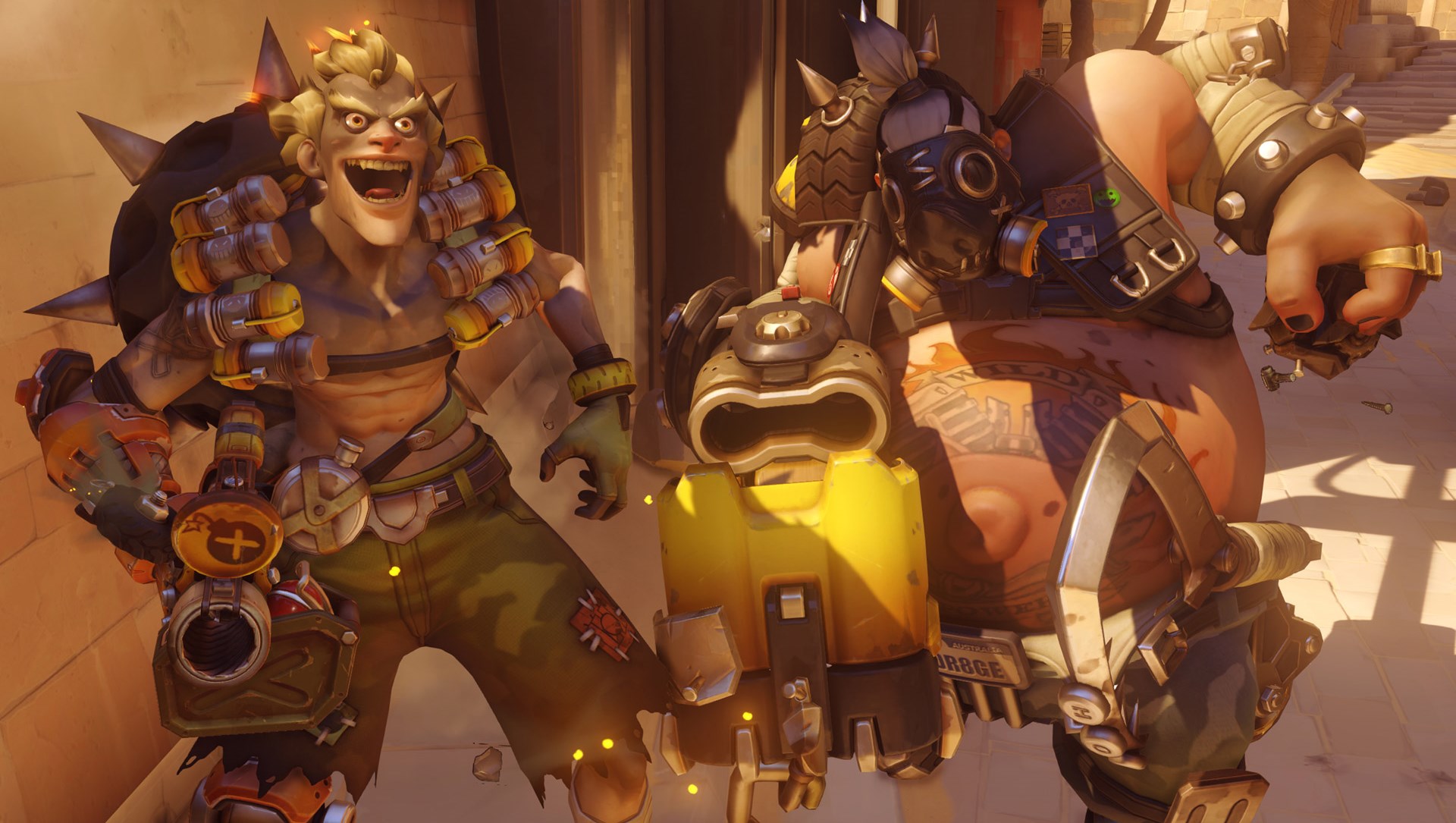
Tracing the company’s lineage back to legendary designer Chris Metzen, Keller proudly refers to Blizzard as a "hero factory." From StarCraft and Warcraft to Diablo and now Overwatch, the studio has built its legacy on larger-than-life characters capable of capturing global fandoms.
"I think that Overwatch really carries that torch forward," Keller concludes. "We’re trying to make these amazing fantasies that people can just jump into and live out. I can’t wait for players to see some of the archetypes that are coming next season, and especially Season 1 next year."
As the live-service graveyard continues to expand with the bones of failed publisher experiments, Overwatch stands as a testament to the power of iterative refinement, player-respecting competitive design, and an unwavering commitment to making control feel absolute. For Team 4, the ten-year mark is not a finish line, but merely the end of the opening chapter.








Belum ada komentar. Jadilah yang pertama berkomentar!