

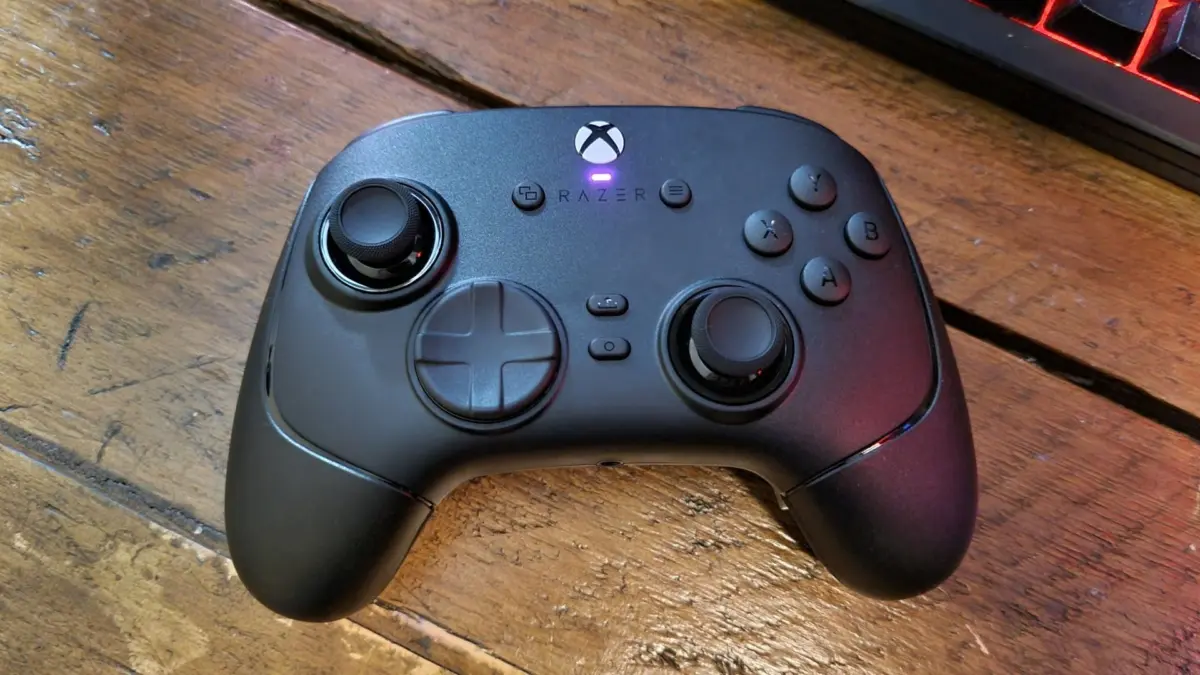
Executive Overview
The evolution of pro-grade gaming controllers has reached a fascinating inflection point. For years, manufacturers have balanced raw input speeds, mechanical actuation, and ergonomic comfort, often resulting in heavy, overly complex peripherals that cater exclusively to competitive tournament players. Into this crowded arena steps the Razer Wolverine V4 Pro, a peripheral that doesn’t just iterate on its predecessor—the wildly popular Wolverine V3 Pro—but refines nearly every underlying mechanical and digital component to justify its eye-watering $200 / £200 price tag.
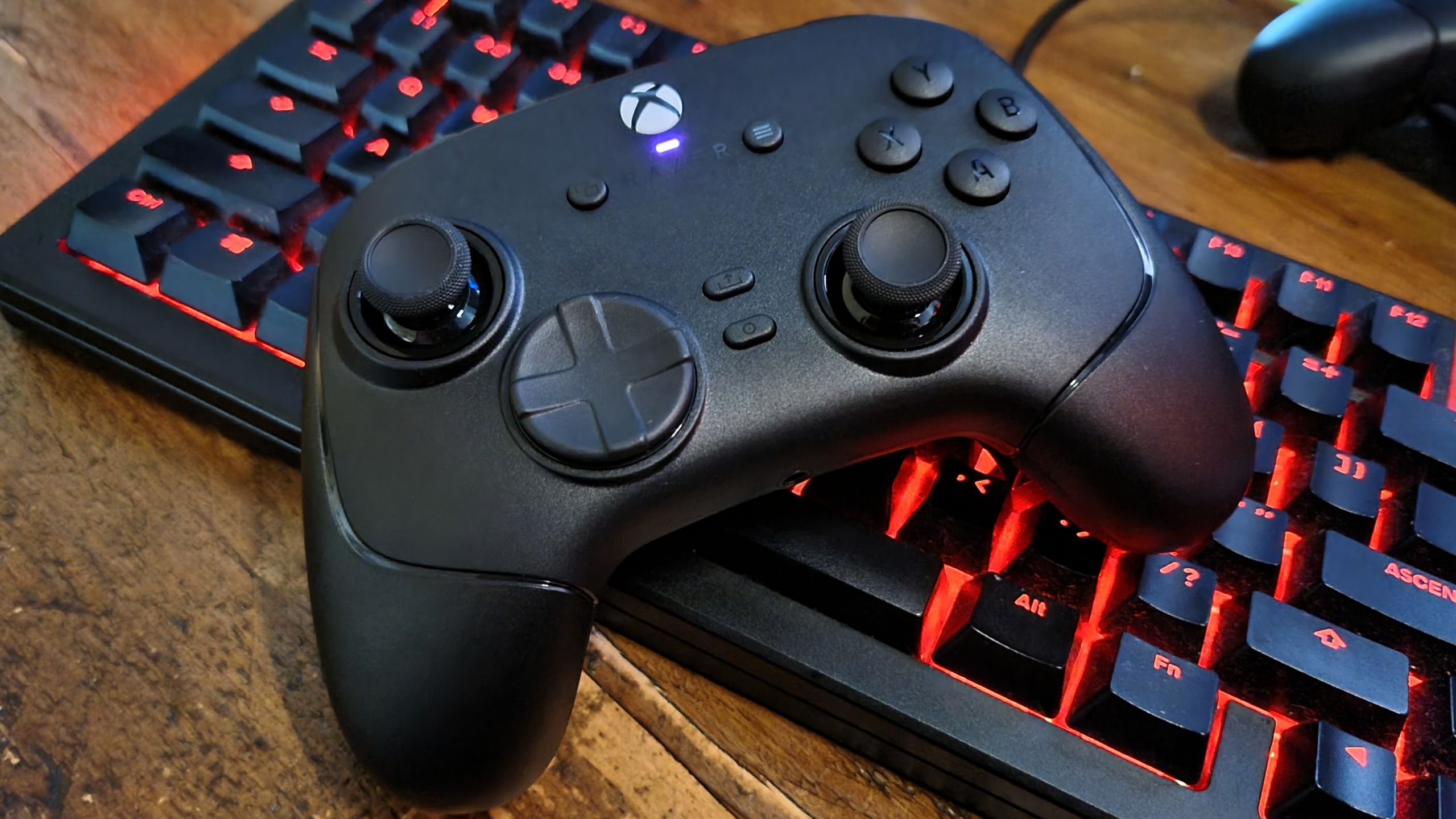
Boasting an asymmetrical Xbox-style chassis layout, 8,000 Hz polling rates over both wireless and wired connections, next-generation contactless capacitive thumbstick sensors, and a deeply modular physical design, the V4 Pro presents a compelling case for being the ultimate high-end gamepad on the market. However, with steep competition from value-focused alternatives like the GameSir G7 Pro Tri-Mode, Razer’s latest flagship must rely heavily on its absolute uncompromising performance to win over discerning PC and console enthusiasts.
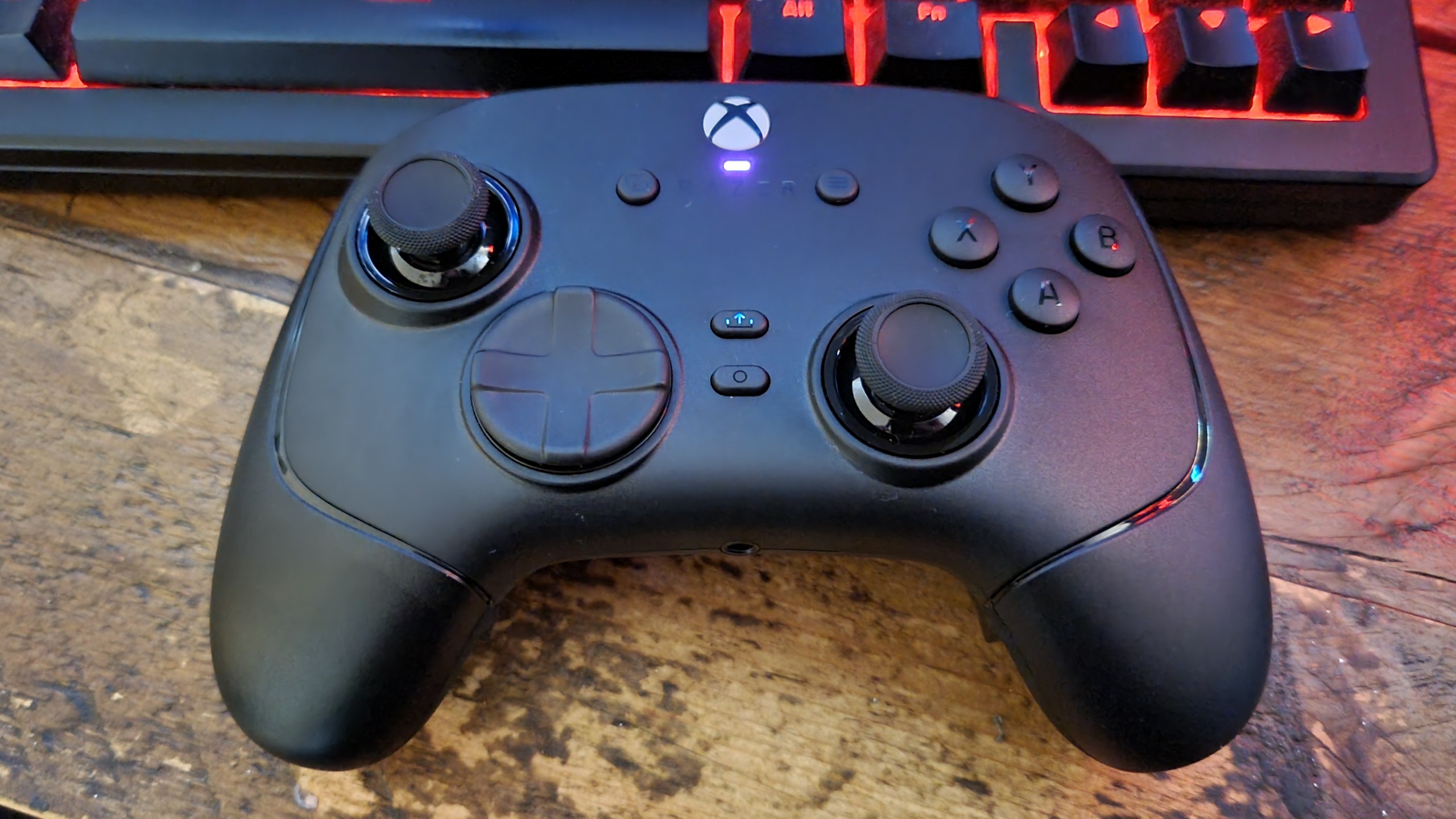
Detailed Chronology & Design Evolution
To understand the engineering leap of the Wolverine V4 Pro, one must trace the trajectory of Razer’s high-end peripheral roadmap. The journey began with the refinement of comfortable, heavyweight chassis designs that prioritized palm-filling ergonomics. While the V3 Pro and its subsequent 8K variants established a gold standard for tactile feedback and responsive triggers, Razer engineers recognized subtle areas for improvement without altering the fundamental silhouette that users loved.
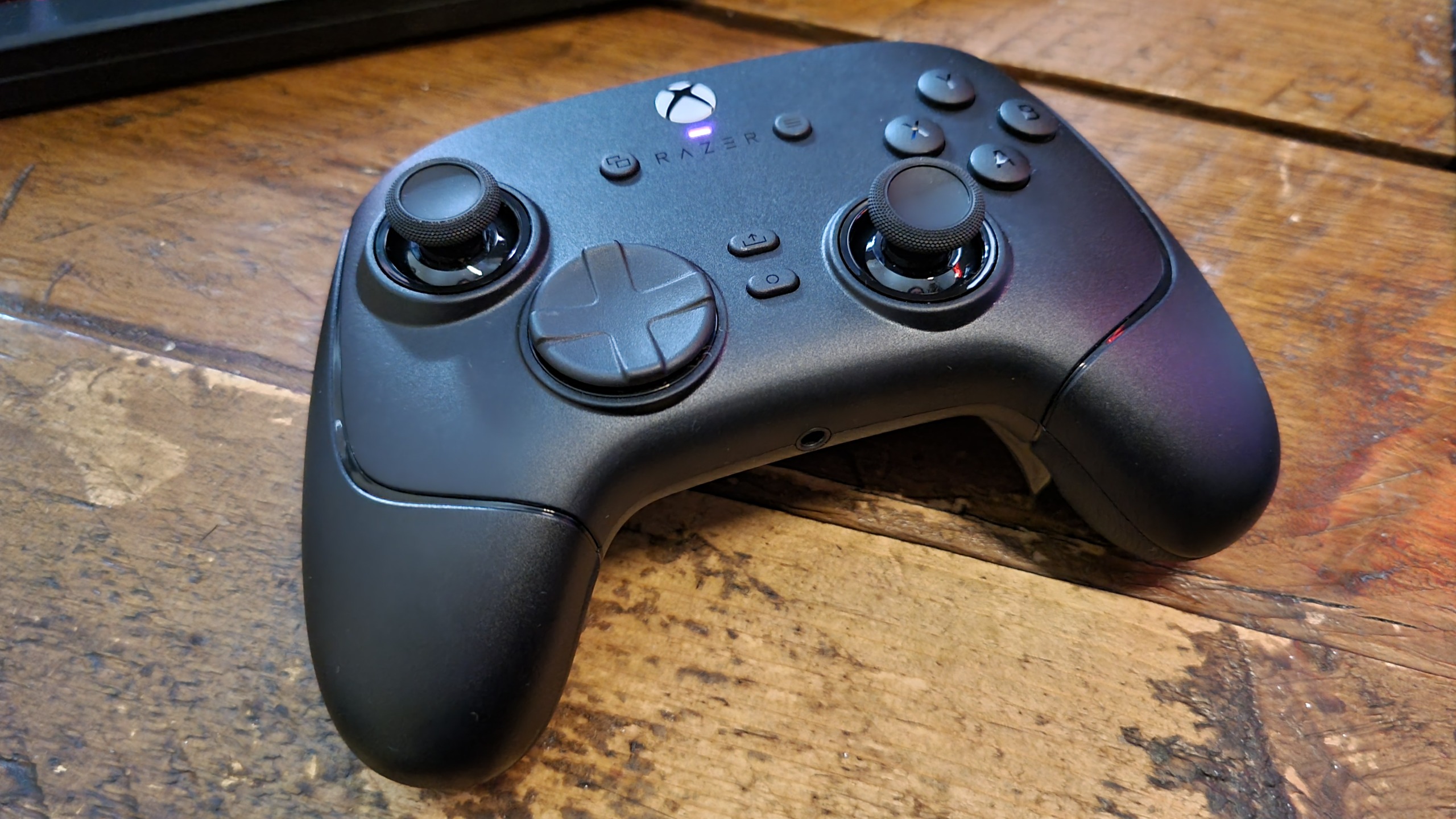
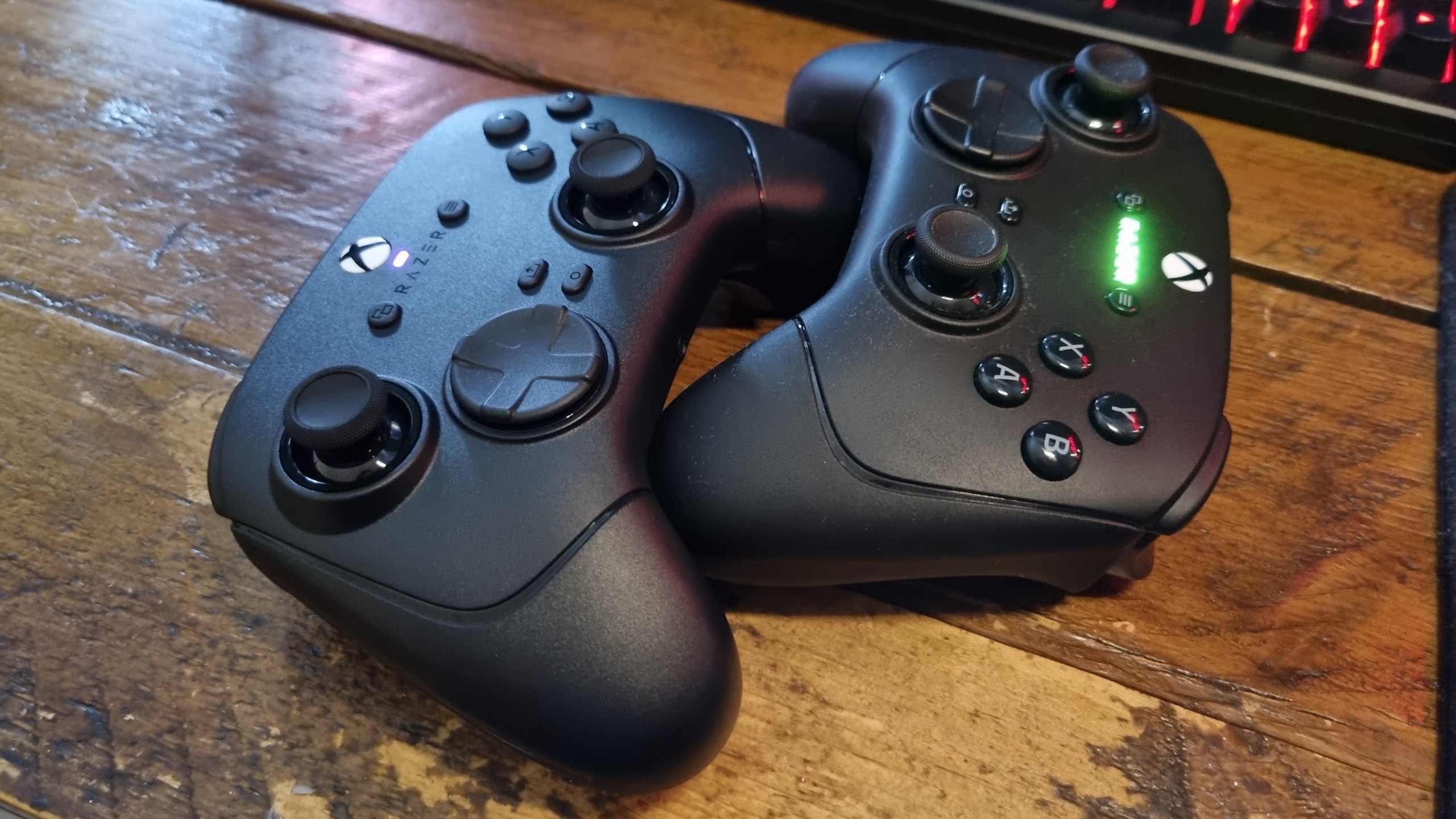
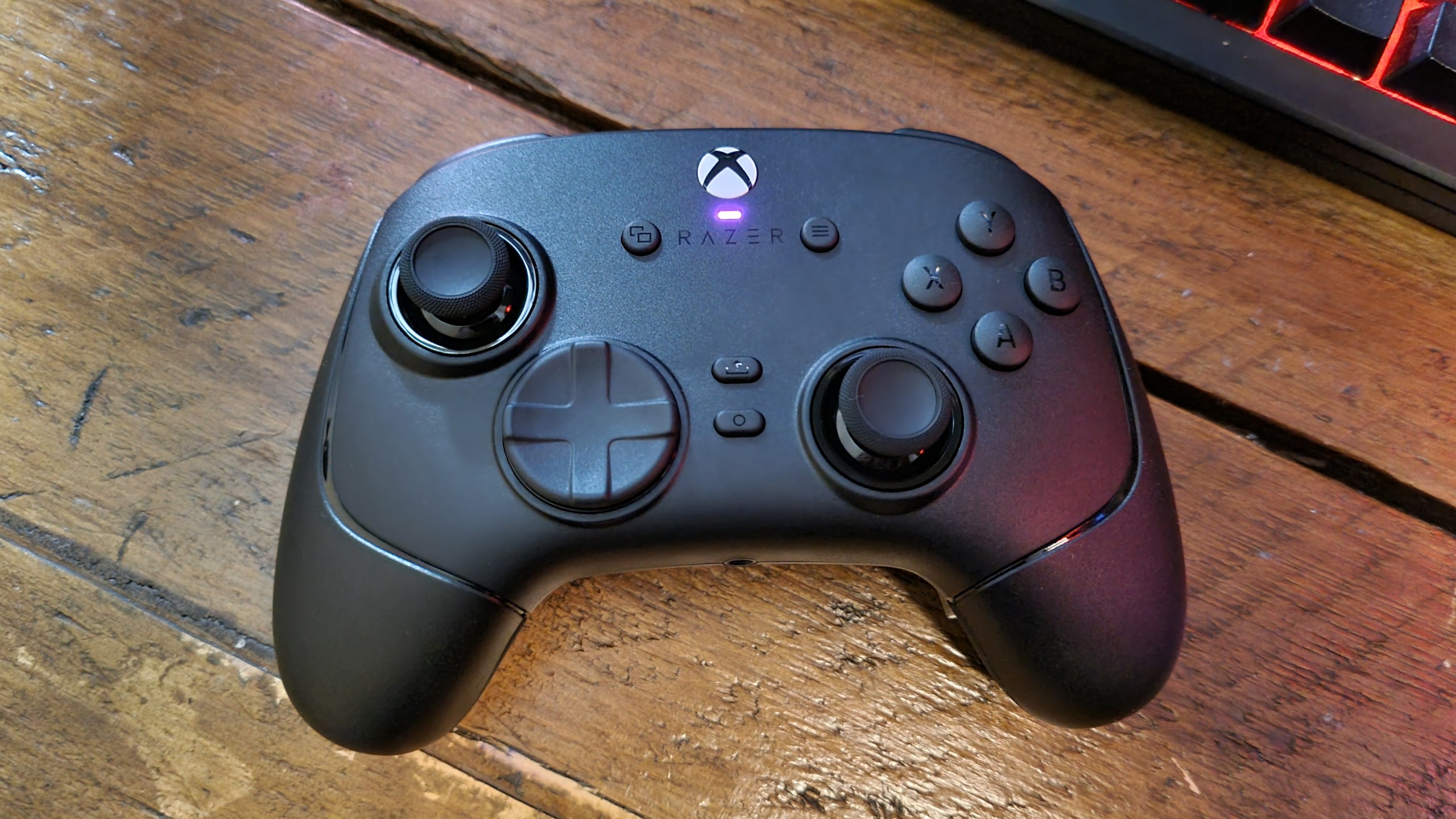
Upon unboxing the Wolverine V4 Pro, the initial impression is one of familiar comfort. The chassis shape remains nearly identical to the V3 Pro, though a closer inspection reveals a slightly finer texture on the rear rubberized grips. The most immediate physical alteration, however, is the overhaul of the modular control ecosystem.
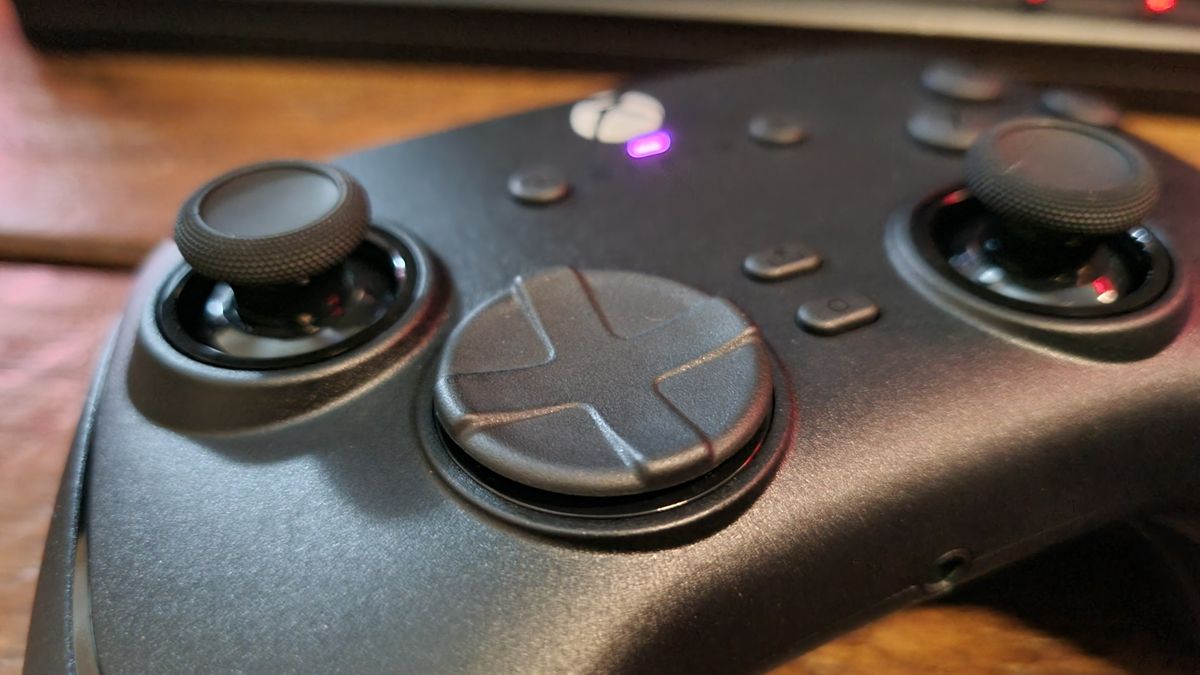
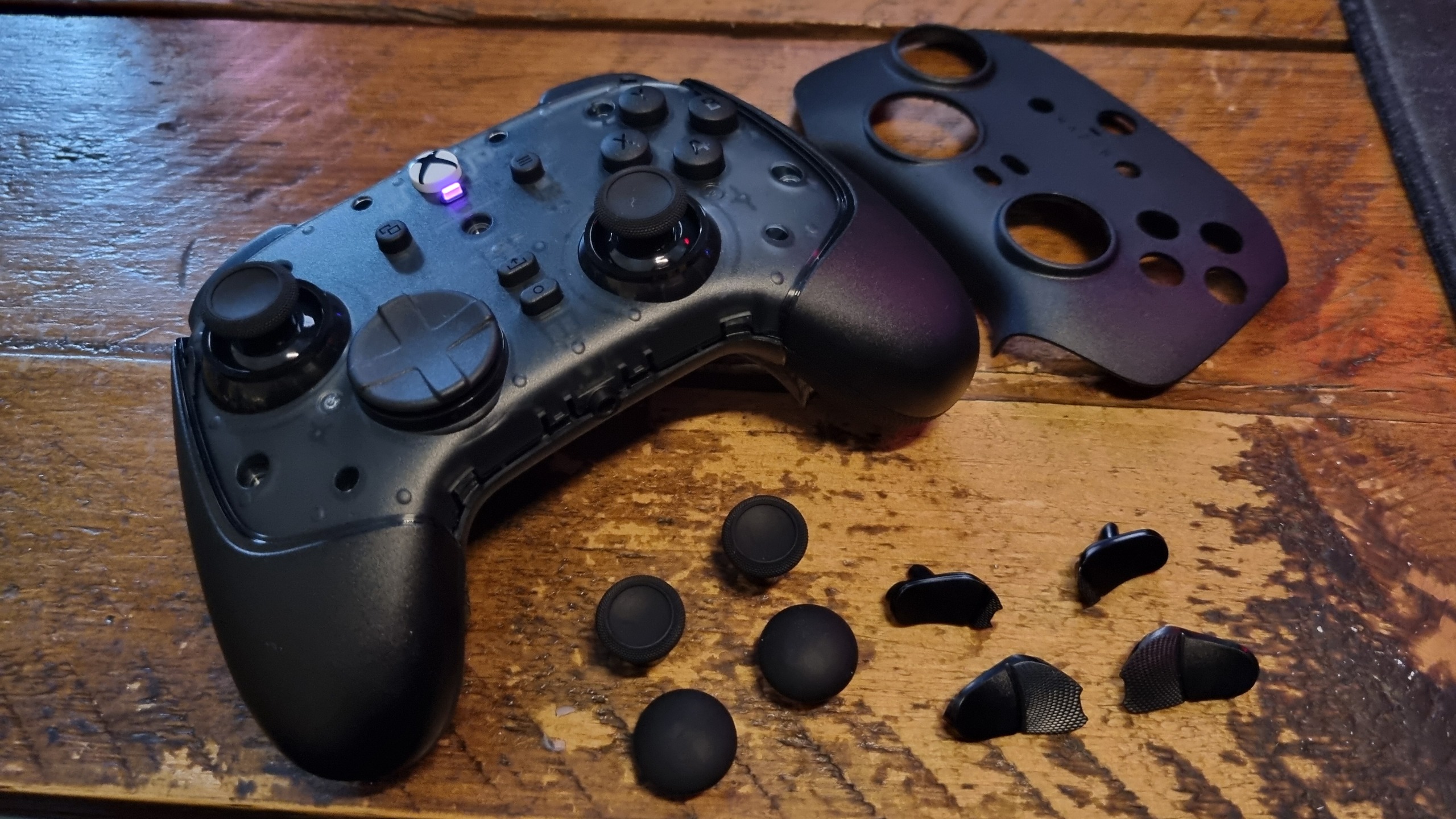
- The Magnetic Faceplate: Razer has introduced a secure, magnetic front faceplate. By inserting a fingernail into a hidden top-side groove and pulling firmly, users can completely strip the facade away to reveal the inner skeleton—paving the way for future aesthetic customisations and third-party panel swaps.
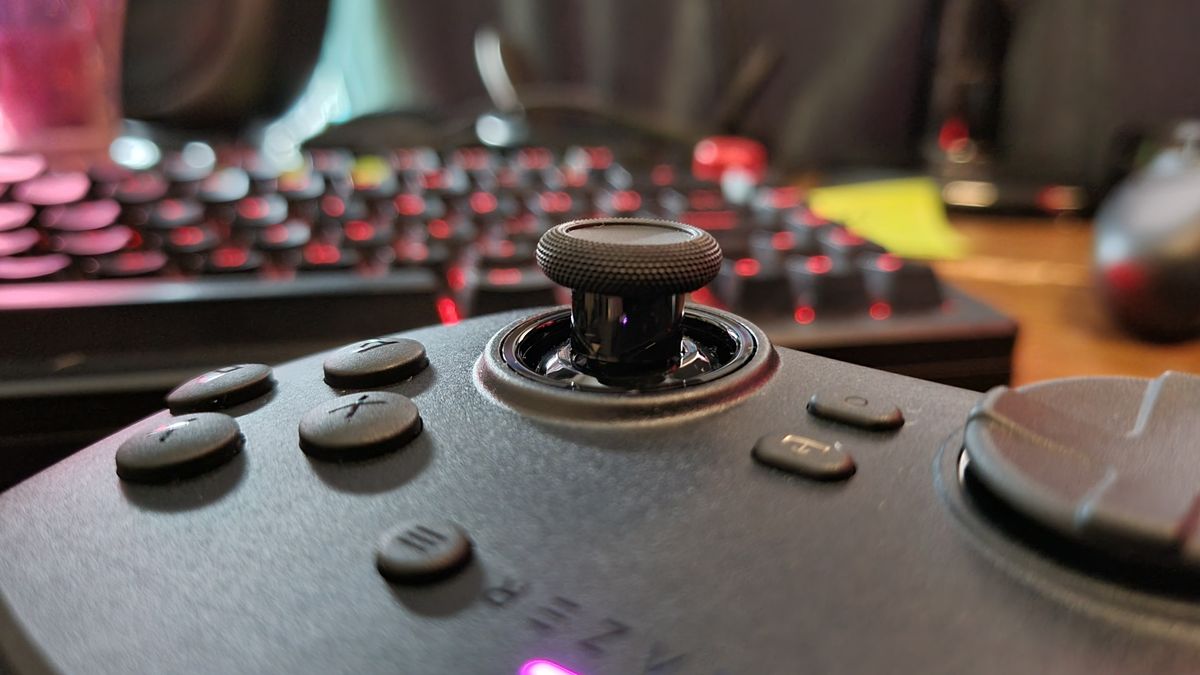
- Interchangeable Thumbsticks: The controller ships with six distinct thumbstick caps. Out of the box, it features short concave models, but players can swap them out for taller variations or convex alternatives depending on their thumbwork preferences.
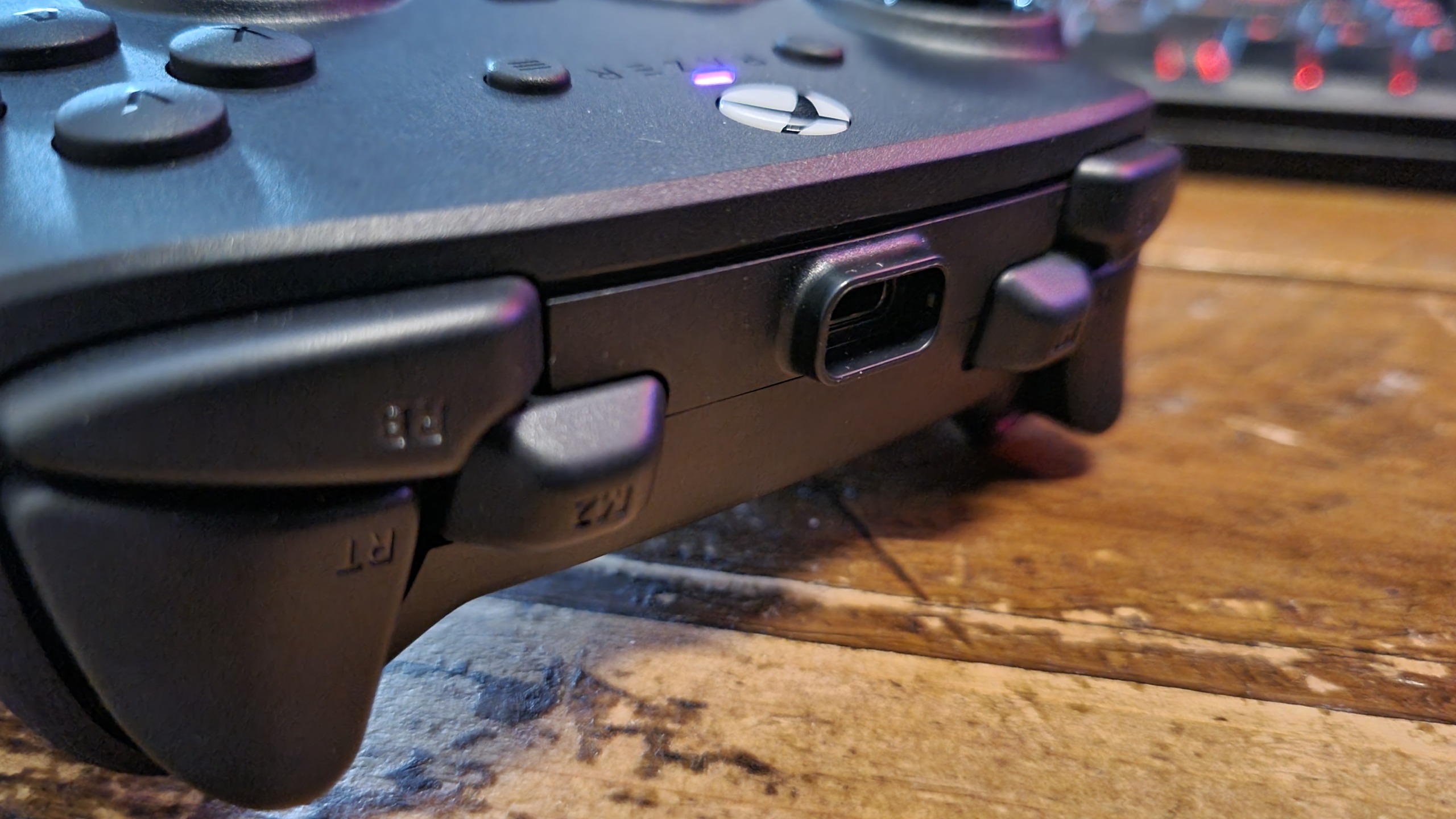
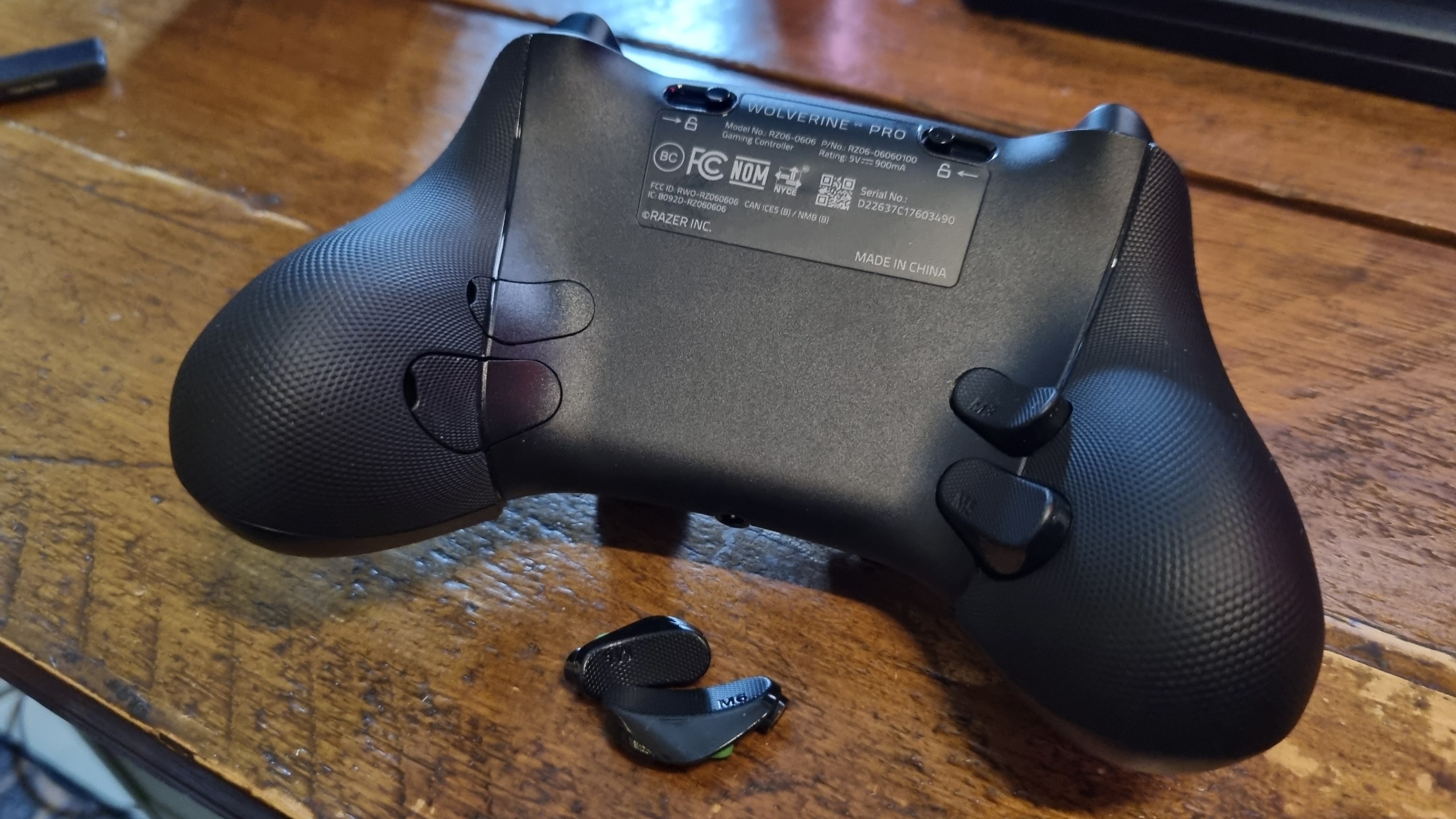
- Flush-Fit Rear Paddle Blocking: Perhaps the most elegant modular trick is found on the reverse side. The four configurable macro paddles can now be entirely removed and replaced with flush-fit magnetic blocking plates. This transforms the controller seamlessly from a four-paddle pro layout back to a standard profile for players whose ring and pinky fingers find extra buttons obstructive.
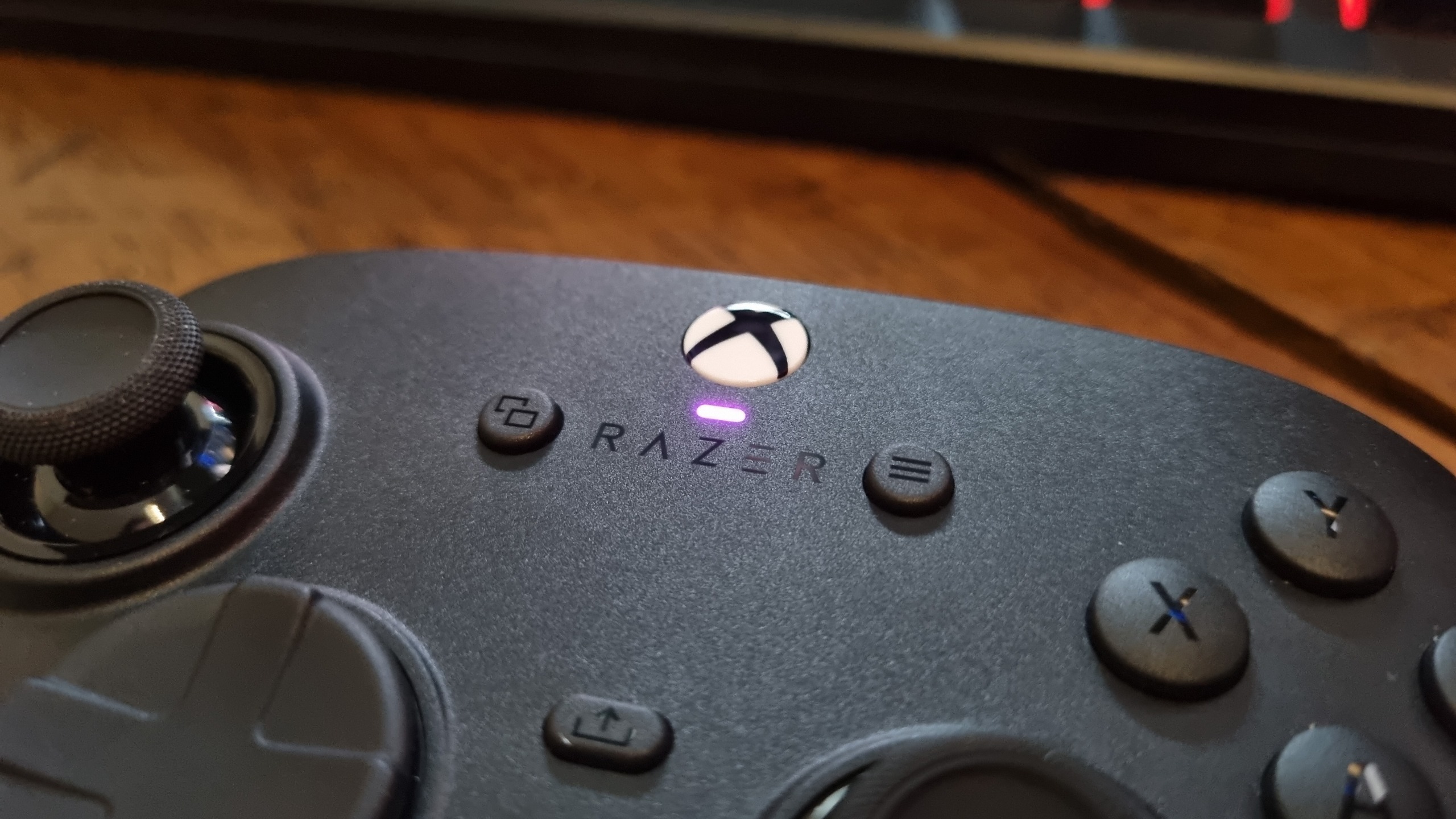
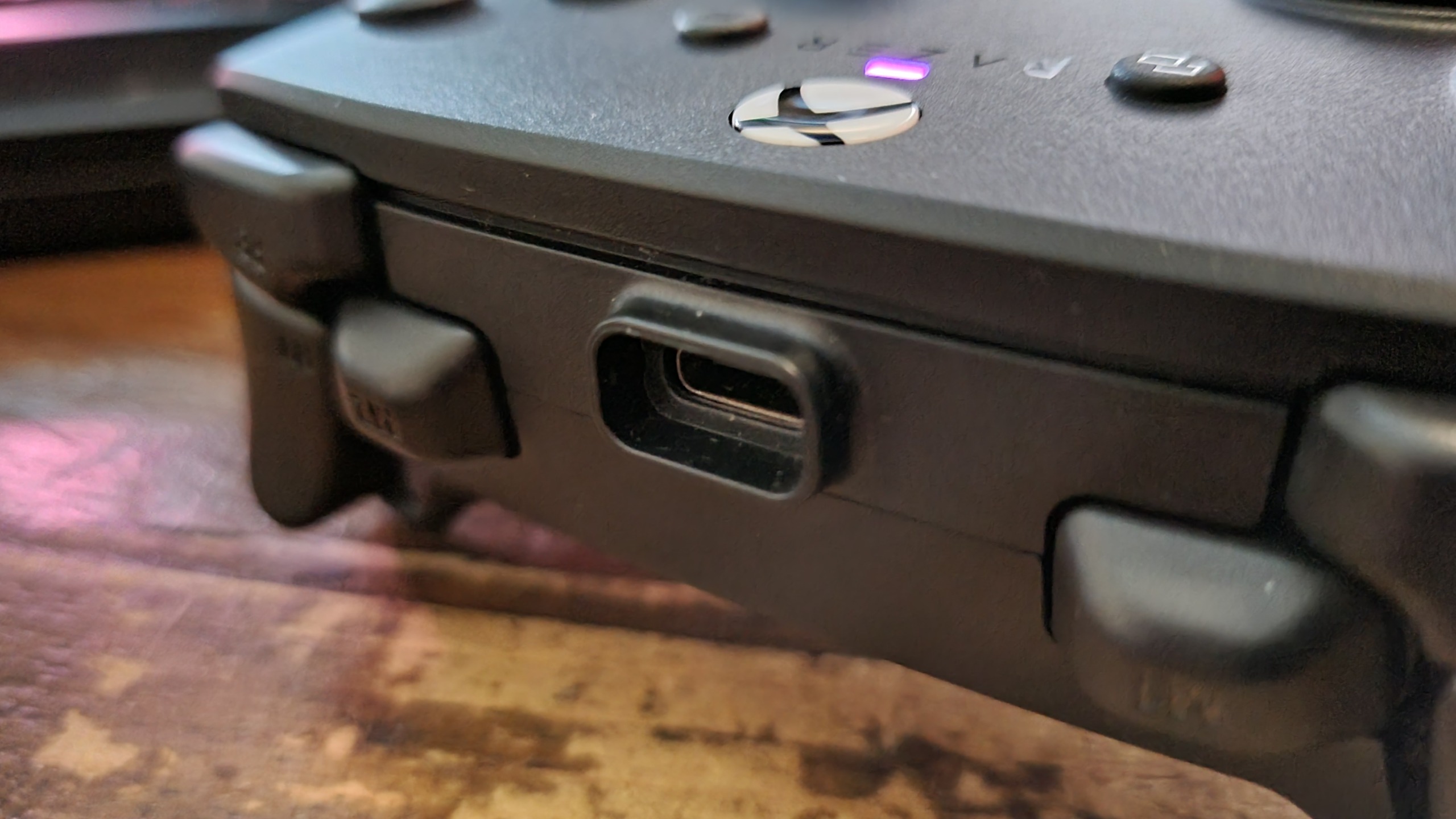
One minor point of contention in the physical design is the newly pronounced lip surrounding the rear USB Type-C port. Engineered to prevent cable strain and port damage over long-term tethered use, the raised plastic collar stands out visually against an otherwise seamless, matte-black aesthetic that has shed the loud RGB-lit lettering of previous iterations in favor of a clean, stealth-like profile.
Supporting Context & Technical Metrics
Underneath the mature exterior lies a suite of hardware upgrades that set a new performance benchmark for the category.
Next-Generation Capacitive Sensors vs. Traditional Hall Effect
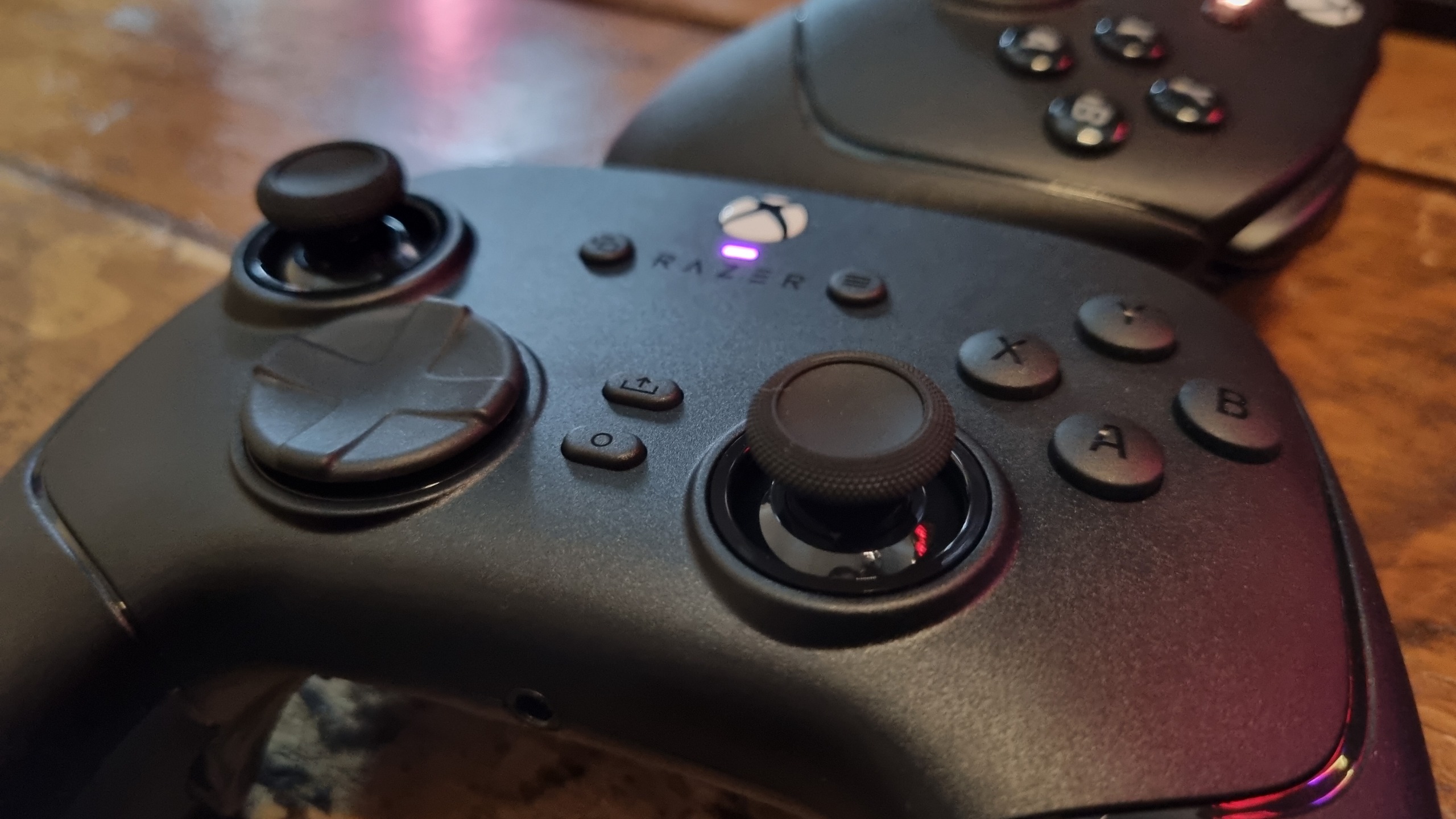
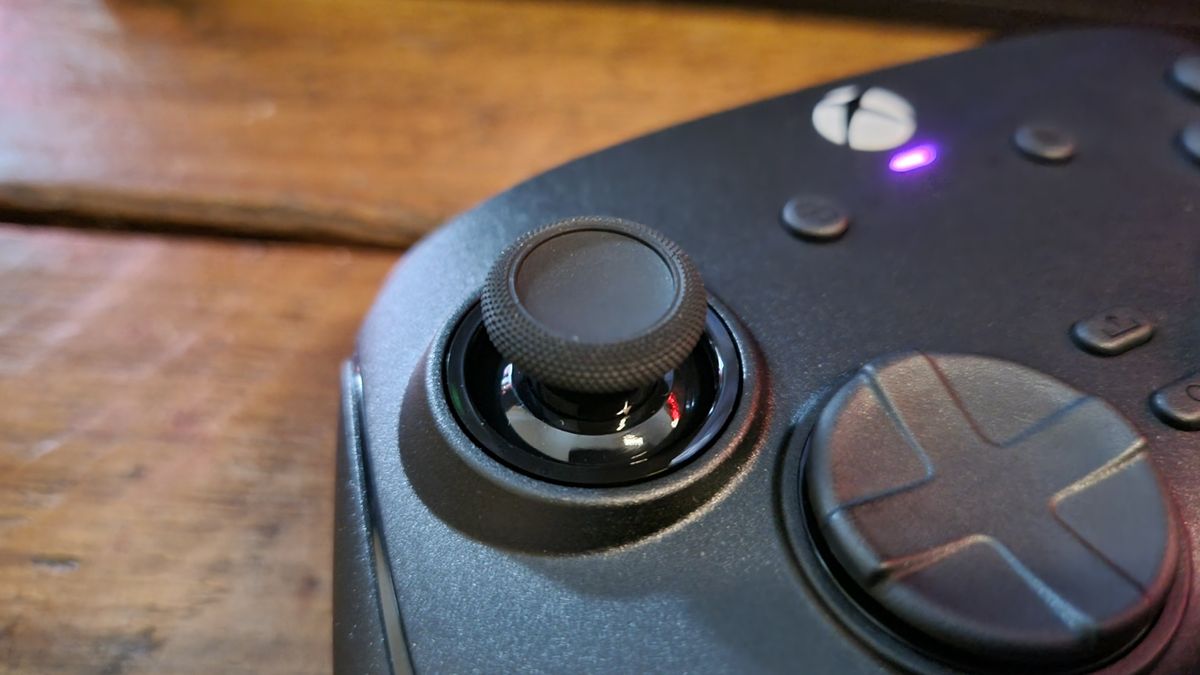
While many high-end controllers have rushed to adopt Hall Effect or TMR (Tunnel Magnetoresistance) sticks to combat stick drift, Razer took a divergent path. The V4 Pro utilizes "next-generation" capacitive sensors paired with a 16-bit Analog-to-Digital Converter (ADC) chip. According to Razer, this contactless sensor design yields approximately 3,000 steps of movement tracking per sensor, offering vastly superior resolution and robust resistance to magnetic interference compared to standard Hall Effect models.
The physical resistance of the thumbsticks feels slightly lighter and snappier than the V3 Pro, combining a smooth glide with rapid snap-motion accuracy and an assertive return to center.
Performance Breakdown
| Feature | Specification |
|---|---|
| Layout | Asymmetric (Xbox-style) |
| Compatibility | Windows 10/11, Xbox Series X/S |
| Connectivity | 2.4 GHz wireless (via dongle), Wired USB Type-C |
| Polling Rate | Up to 8,000 Hz (Wired & Wireless) |
| Thumbsticks | High-resolution capacitive sensors, swappable caps |
| Battery Life | Up to 27 hours (variable based on polling and haptics) |
| Weight | 305 grams |
| Special Features | Adjustable trigger stops, mecha-tactile PBT buttons, modular magnetic faceplate and rear paddles |
Real-World In-Game Performance
In rigorous testing across demanding controller-focused titles—including Elden Ring, Crimson Desert, and Control Resonant—the performance gains are immediately tangible. In Control Resonant, a title demanding rapid target-switching and intense button choreography, the lighter stick resistance and shorter action of the clicky PBT face buttons make complex inputs effortless.
Furthermore, the implementation of 8K polling results in sub-1 ms response times. While casual players might struggle to quantify millisecond latency drops, the visceral snappiness of the inputs translates to faster camera adjustments in fast-paced action titles and first-person shooters like Apex Legends.
The haptic rumble motors deserve special mention: they are exceptionally powerful. Out of the box, the vibration feedback is intense enough to physically rattle desktop accessories, though users can easily dial down the intensity via Razer Synapse software.
Official Statements & Software Ecosystem
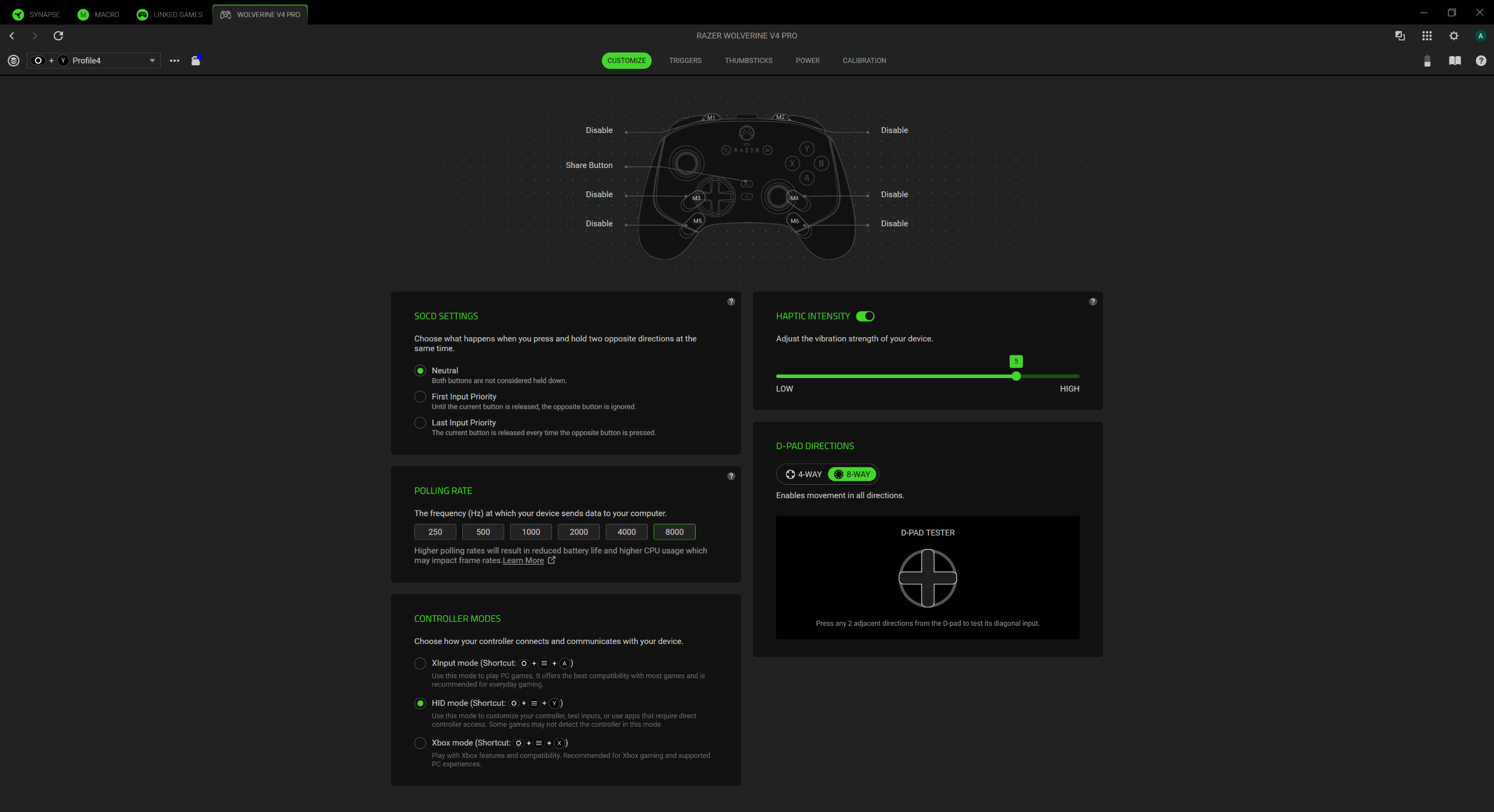
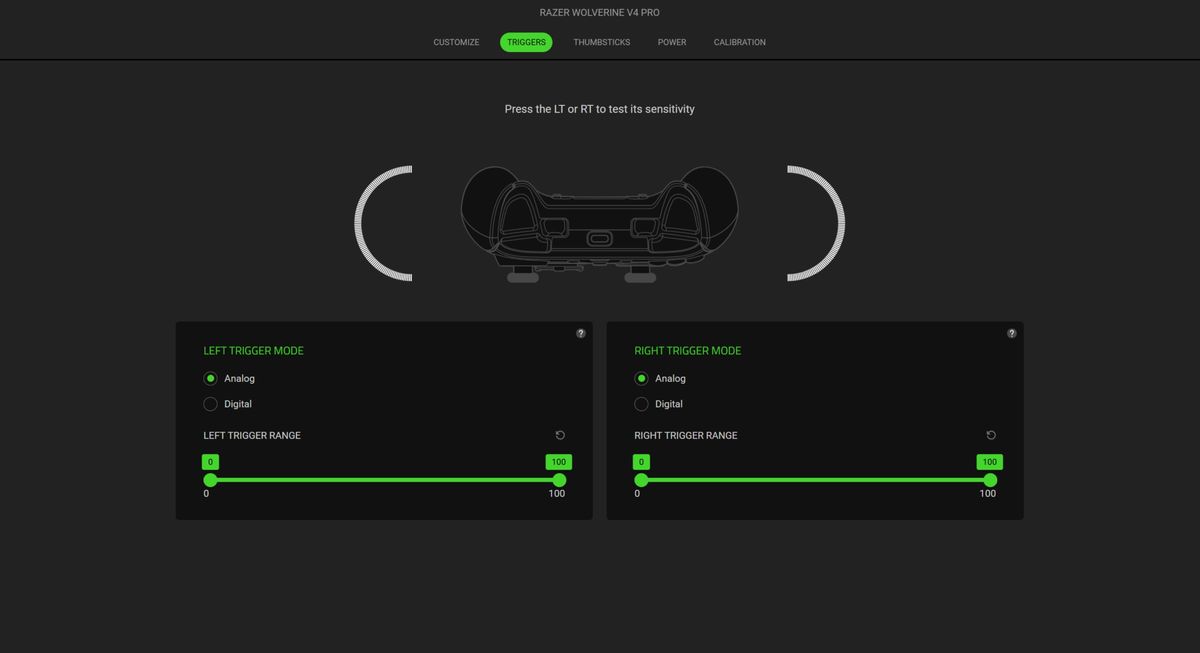
Configuration of the Wolverine V4 Pro is handled via Razer Synapse, which serves as both a boon for existing Razer ecosystem owners and a hurdle for minimalists. The software interface is split into five logical tabs: Customize, Triggers, Thumbsticks, Power, and Calibration.
Through Synapse, users can remap inputs, fine-tune trigger actuation ranges, adjust dead zones, toggle the aggressive SOCD (Simultaneous Opposite Cardinal Direction) settings, and manage communication switching modes. Battery performance is rated at a maximum of 27 hours—though utilizing the maximum 8K polling rate and maximum haptic intensity will diminish this endurance. In practical use, the controller comfortably survives multiple extended gaming sessions without requiring a tether.
Razer’s official communications emphasize the controller’s positioning as the "pinnacle of precision," highlighting the capacitive sensor array and the sub-millisecond wireless latency as industry-leading breakthroughs designed to eliminate mechanical wear and input lag entirely.
Future Outlook & Market Positioning
Despite its overwhelming technical triumphs, the elephant in the room remains the $200 / £200 price tag. In a market where exceptional tri-mode controllers like the GameSir G7 Pro retail for roughly $80—often bundling extras like a charging dock—Razer is asking users to pay a substantial premium for brand heritage and bleeding-edge polling technology.
The absence of an included charging cradle at this price point feels like a missed opportunity, especially when competing luxury brands incorporate them natively. However, the Wolverine V4 Pro is not designed for the casual consumer looking for a quick budget fix.
Instead, it is engineered for the hardcore enthusiast who treats their hardware as an extension of their competitive edge. By successfully combining military-grade modularity, lightning-fast 8K wireless polling, innovative capacitive thumbstick tracking, and a sophisticated aesthetic free of juvenile "gamer" tropes, the Razer Wolverine V4 Pro justifies its steep cost. It is a luxury investment piece—akin to a high-end mechanical keyboard or ergonomic gaming chair—that fundamentally redefines what a premium console and PC controller can achieve.







Belum ada komentar. Jadilah yang pertama berkomentar!