In the fast-paced ecosystem of digital media, few assets are as coveted or fiercely defended as the digital verification badge. For creators, artists, public figures, and enterprises, that small symbol—traditionally a simple checkmark—serves as the ultimate digital stamp of authenticity. It tells audiences that the content they are consuming originates from an official, verified source, cutting through the noise of imitation, parody, and outright fraud.
However, altering the rules of engagement for such a sensitive feature is fraught with peril. This reality struck YouTube forcefully following a major announcement regarding updates to its channel verification program. Initially pitched as a necessary modernization to protect creators from pervasive impersonation and clear up widespread user confusion, the sweeping overhaul had the opposite effect. It ignited a firestorm of criticism across the creator community.
Facing intense backlash from hundreds of thousands of digital creators who suddenly stood to lose their hard-earned status, YouTube executed a rare and rapid about-face. In a candid public mea culpa issued just one day after the initial rollout, platform leadership admitted they had “completely missed the mark.”
This investigative report examines the chronology of the YouTube verification controversy, exploring the data behind the initial changes, the community’s swift and unified pushback, the strategic retreat by platform executives, and what this high-stakes policy pivot means for the future of creator-platform relations.
Detailed Chronology: From Sweeping Overhaul to Rapid Retreat
The Genesis of the Policy
To understand the friction that erupted in late September 2019, one must first examine the rationale YouTube provided when it initially attempted to redefine the verification badge. According to internal platform data, YouTube receives tens of thousands of complaints from creators every single year concerning identity theft and malicious impersonation. As the platform grew from a niche video-sharing site into a sprawling global entertainment conglomerate, the mechanisms designed to keep bad actors at bay struggled to keep pace.
Compounding this security challenge was a profound user perception issue. Internal platform surveys revealed a startling statistic: nearly one-third of surveyed YouTube users fundamentally misunderstood what the verification checkmark actually signified. Rather than reading the badge as a strict indicator of identity—confirming that Channel X truly belonged to Creator Y—users consistently interpreted the badge as a qualitative "endorsement of content" by YouTube itself.
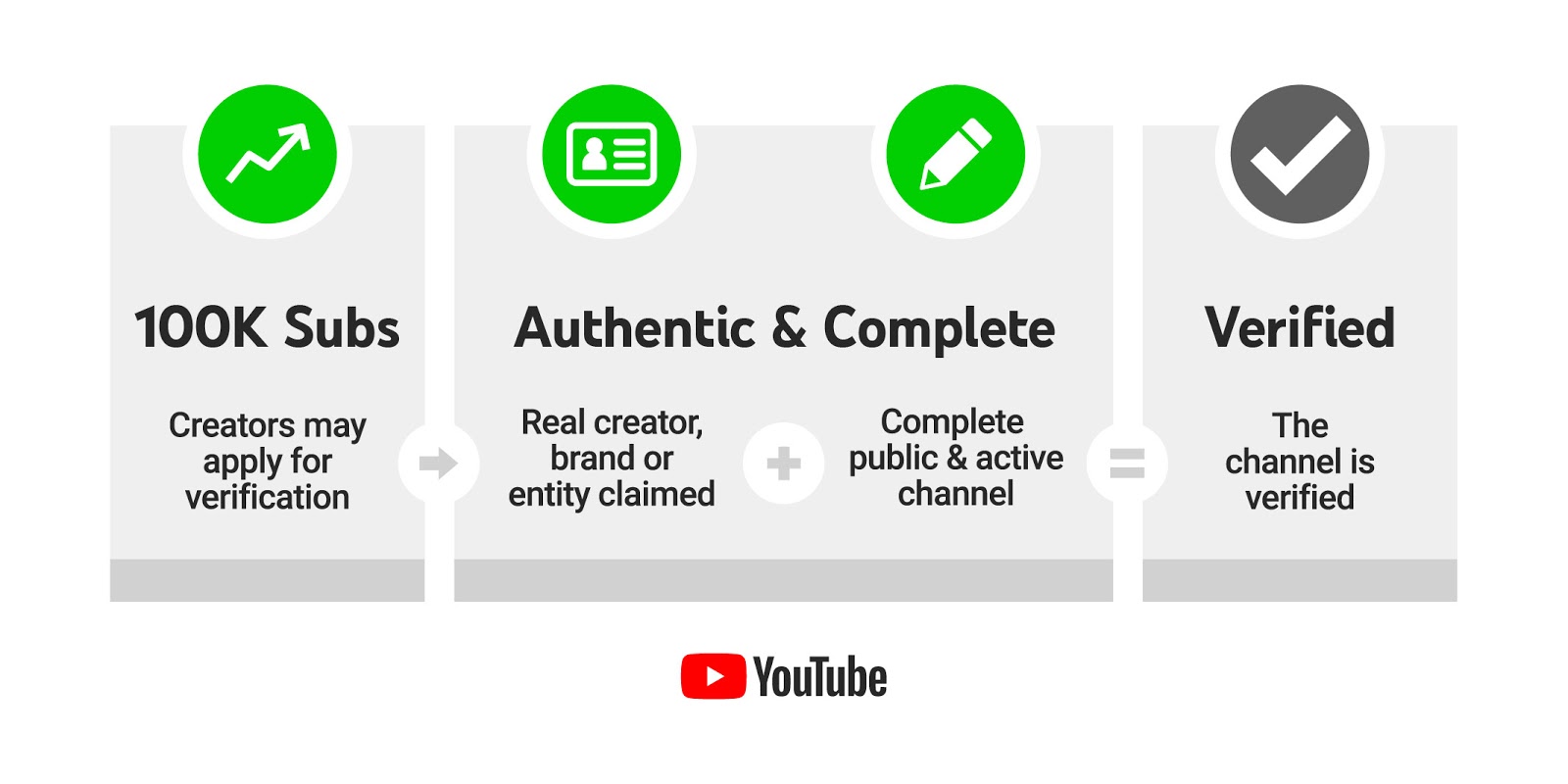
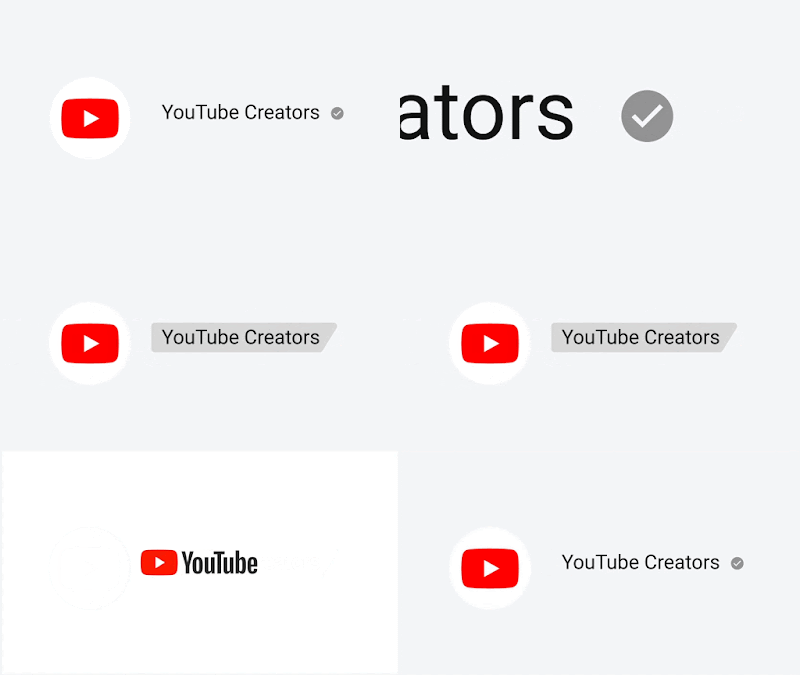
Armed with these findings, platform leadership devised a comprehensive overhaul intended to decouple authenticity from endorsement. The plan involved rewriting eligibility criteria, stripping away automatic qualification for channels crossing the 100,000-subscriber threshold, and introducing a radically redesigned visual badge. The goal was to deploy a uniform identifier across search results, channel pages, live chats, and community posts that would be exceedingly difficult for malicious actors to replicate.
The Backlash
The announcement of the new verification criteria was met not with understanding, but with immediate, fierce, and widespread outrage. Under the proposed rules, channels that had proudly displayed their verification checkmarks for years were suddenly facing demotion. The burden of re-application and the introduction of vague, discretionary eligibility metrics left established creators feeling betrayed and vulnerable.
For many mid-tier creators, the 100,000-subscriber milestone had long been viewed as the golden threshold for verification—an objective benchmark that removed bureaucratic guesswork from the process. Replacing this clear metric with a subjective evaluation model created instant anxiety. Creators feared that the new system would arbitrarily strip them of their status, diminish their brand value, and leave them defenseless against impersonators who could easily siphon away their audiences.
Social media platforms, particularly Twitter and YouTube’s own comment sections, lit up with scathing commentary from prominent digital personalities. The narrative was unified: YouTube was pulling the rug out from under the very community that drove its massive traffic and ad revenue, all without adequate consultation or warning.
The Apology and Course Correction
Recognizing the gravity of the rebellion, YouTube’s executive team acted with unprecedented speed to stem the bleeding. Just 24 hours after the initial announcement, the platform issued a formal update that amounted to a near-total surrender on the most contentious points of the new policy.
In a public statement released on September 20, 2019, the company made several vital concessions:
Grandfathering Existing Badges: Channels that already possessed a verification badge would keep it indefinitely, eliminating the requirement to appeal or re-qualify under the new system.
Preserving the Subscriber Threshold: The traditional route to eligibility—crossing the 100,000-subscriber milestone—would remain intact.
Reopening Applications: The application process, initially slated for permanent retirement or significant restriction, would reopen by the end of October.
Redesign Postponement: The planned rollout of the new visual badge design was pushed back to the following year to allow for further refinement and feedback integration.
YouTube’s leadership offered a transparent and direct apology, acknowledging that their execution had caused undue frustration and that they had failed to gauge how deeply the verification badge mattered to the psychological identity of their creator base.
Supporting Context & Metrics: The Anatomy of Platform Verification
To fully appreciate the complexity of YouTube’s dilemma, one must analyze the broader metrics and challenges governing modern digital platforms. Verification is not merely an aesthetic choice; it is a critical pillar of platform governance, trust architecture, and digital safety.
The Scale of Impersonation
Impersonation on user-generated content platforms goes far beyond petty identity theft; it poses severe financial, reputational, and safety risks. Bad actors frequently create lookalike channels—often altering a letter or using deceptive spacing in channel handles—to deceive fans, comment maliciously on viral videos under false pretenses, run cryptocurrency scams, or scam advertisers.
When YouTube noted that it receives tens of thousands of complaints annually regarding impersonation, it highlighted an administrative nightmare. Platforms must balance automated moderation systems with human review teams to triage these reports. However, as the volume of video uploads scales into the hundreds of hours per minute, relying solely on reactive complaint-handling becomes untenable. Proactive verification is designed to make official channels instantly recognizable, shielding casual viewers from falling prey to malicious actors.
The Conundrum of the Checkmark
The psychological association between a verification badge and content endorsement is a cross-platform phenomenon that plagues Twitter, Instagram, and Facebook alike. When a platform places a checkmark next to a user’s name, the average consumer frequently infers that the platform vouches for the safety, accuracy, or quality of that user’s opinions.
For YouTube, this misinterpretation created a delicate liability trap. If a verified creator publishes controversial, misleading, or policy-violating content, audiences holding the "endorsement" misconception often blame the platform for condoning that behavior. By attempting to redesign the badge, YouTube hoped to re-educate its audience. However, the company underestimated how fiercely creators guarded the existing symbol as a status symbol of their hard work and career longevity.
Official Statements and Institutional Reflection
The sequence of events surrounding the verification update offers a fascinating case study in corporate communication during a crisis. Below is a synthesized breakdown of the messaging released by YouTube during the pivotal 24-hour window of September 19–20, 2019.
The Initial Rationale (September 19)
In its initial blog post and creator announcements, YouTube framed the changes through the lens of modernization and clarity:
"When viewers come to YouTube, it’s important that they know the channel they are watching is the official presence of the creator, artist, public figure or company that it represents… Our new criteria prioritizes verifying prominent channels that have a clear need for proof of authenticity."
The emphasis was firmly on macro-level platform hygiene. Executives believed that moving away from a purely quantitative metric (subscriber count) toward a qualitative assessment of prominence and risk would create a safer, more accurate ecosystem.
The Mea Culpa (September 20)
Faced with immediate community blowback, the tone shifted dramatically toward accountability and listening:
"While rolling out improvements to this program, we completely missed the mark. We’re sorry for the frustration that this caused and we have a few updates to share… First, we heard loud and clear how much the badge means to you. Channels that already have the verification badge will now keep it and don’t have to appeal."
This rapid pivot demonstrated a pragmatic corporate responsiveness. Rather than doubling down on a flawed policy out of bureaucratic pride, YouTube chose to protect its most valuable asset: creator goodwill.
Future Outlook: Lessons Learned and the Path Forward
The 2019 verification crisis served as a watershed moment for YouTube, offering valuable lessons regarding community management, product rollouts, and the delicate art of platform governance.
1. The Power of Creator Sentiment
Platforms rise and fall on the backs of their content creators. While engineering teams often view platform features through a purely functional lens—optimizing for security, clarity, and scalability—creators view those same features through an emotional, professional lens. A verification badge is not just a UI element; it is professional validation, a shield against fraud, and a badge of honor. Future policy changes across all major tech platforms must account for the emotional capital invested by their users.
2. Transparency and Consultation
One of the primary grievances voiced by creators was the lack of advance warning and consultation before the policy dropped. Moving forward, successful platform governance requires beta testing, pilot programs, and open dialogue with creator advisory boards before implementing sweeping changes to high-stakes features like verification.
3. Balancing Security with Accessibility
The fundamental challenge that prompted YouTube’s initial policy change—sorting out who deserves verification in a hyper-saturated market—has not disappeared. As millions of new channels cross eligibility thresholds daily, platforms must continue refining their identification protocols. The key lies in finding a middle ground: implementing robust identity verification standards without alienating the grassroots creators who form the bedrock of the digital creator economy.
Conclusion
YouTube’s turbulent 48 hours in September 2019 will long be remembered as a masterclass in crisis management and the perils of top-down policy design. By listening to the outcry of its community, admitting its missteps, and swiftly reversing course, YouTube averted what could have been a catastrophic erosion of creator trust.
As the digital media landscape continues to evolve, the lessons of the verification badge controversy remain relevant. In an era where authenticity is increasingly difficult to verify, platforms must walk a tightrope between maintaining stringent security standards and respecting the community members who power their ecosystems. For YouTube, the episode was a stark reminder that technology policy is ultimately about people, and listening to those people is the only path to sustainable long-term success.










Belum ada komentar. Jadilah yang pertama berkomentar!