

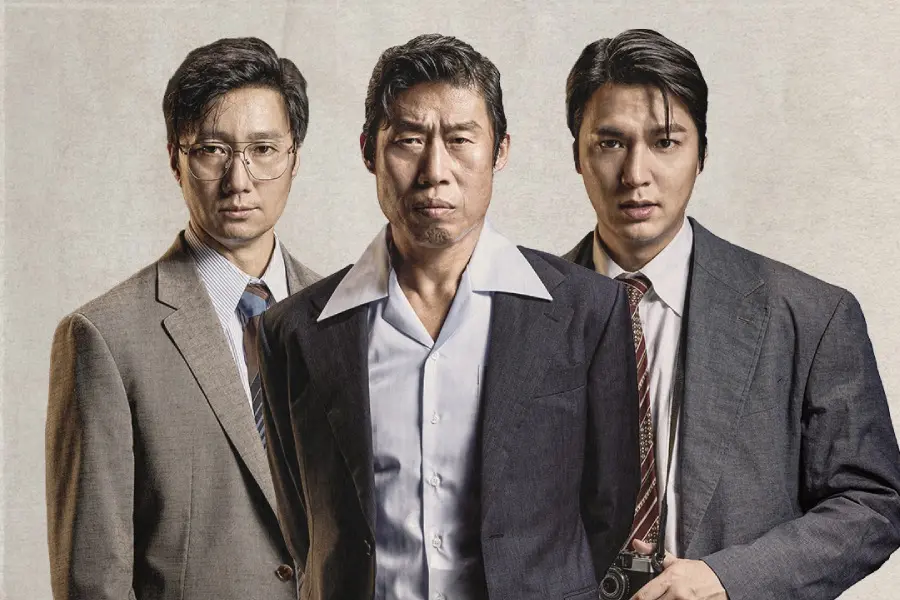
SEOUL — In a sudden and decisive move that has sent ripples through the South Korean entertainment industry, the high-profile cinematic production The Assassin(s) has officially withdrawn from all scheduled events at the prestigious 31st Busan International Film Festival (BIFF).
The announcement, delivered by production banner Hive Media Corp. on October 2, brings a premature and turbulent end to what was supposed to be a triumphant festival run for one of the year’s most ambitious historical dramas. Citing acute safety concerns for festivalgoers, attendees, and the cast and crew, the studio pulled out of both the highly anticipated Opening Ceremony and a major Outdoor Stage Greeting originally slated for October 7.
The cancellation wave also swept away lead star Lee Min Ho’s marquee "Actors House" showcase, completely erasing the film and its primary creative forces from the festival’s official itinerary.
This comprehensive report examines the sequence of events leading up to the withdrawal, the deep-seated historical controversies plaguing the film, the official responses from stakeholders, and the broader implications for South Korea’s sensitive political cinema landscape as the 31st BIFF prepares to launch its 10-day run from October 6 to October 15.
Executive Overview: A High-Stakes Withdrawal at Asia’s Premier Cinema Showcase
The Busan International Film Festival has historically served as a celebratory launchpad for South Korea’s most provocative and commercially viable cinematic achievements. However, the 31st edition of the festival has encountered an unprecedented operational hurdle with the total exclusion of The Assassin(s).
Directed by acclaimed filmmaker Hur Jin Ho and anchored by a heavyweight star-studded cast featuring Yoo Hae Jin, Park Hae Il, and Lee Min Ho, The Assassin(s) represents a massive financial and creative investment. The film tackles a grim and pivotal chapter in modern South Korean history: the harrowing investigation into the shadowy forces and intricate mysteries surrounding the 1974 assassination attempt that fundamentally altered the nation’s political trajectory.
Yet, rather than generating pre-release buzz centered on its artistic merits or high production values, the film has found itself at the epicenter of a raging cultural storm. Since its theatrical premiere on September 23, The Assassin(s) has faced severe backlash from historians, political critics, and cinemagoers alike. The core of the outrage stems from persistent allegations of historical distortion—a deeply sensitive issue in a country where the wounds of 20th-century authoritarian regimes remain raw.
By canceling all festival appearances, Hive Media Corp. has chosen damage control over public engagement. The unprecedented decision highlights the tightrope studios must walk when navigating politically charged subject matter in a hyper-polarized digital age, where public outcry can quickly translate from online forums into real-world security risks at major public gatherings.
Detailed Chronology: From Blockbuster Aspirations to Total Festival Blackout
To understand the suddenness of Hive Media Corp.’s retreat, one must trace the rapid escalation of events that transformed a routine promotional circuit into a high-risk security dilemma.
September 23: The Theatrical Premiere and Immediate Backlash
The Assassin(s) made its long-awaited debut in South Korean theaters, backed by heavy marketing and significant expectations. Directed by Hur Jin Ho—a veteran storyteller renowned for balancing emotional depth with narrative scale—the film aimed to dissect the political conspiracies of 1974.
However, within days of its nationwide release, audiences and cultural commentators began scrutinizing the film’s portrayal of actual historical figures and events. Social media platforms and critical reviews erupted with accusations that the screenplay took unwarranted liberties with facts, effectively sanitizing or misrepresenting a violent trauma that claimed the life of First Lady Roh Sue-hee and plunged the nation into deep political turmoil under the Park Chung-hee administration.
Late September: Escalating Tensions and Security Assessments
As box office receipts came in, the public debate grew increasingly toxic. Critics argued that romanticizing or fictionalizing a real-world political assassination of such magnitude posed ethical problems, while supporters maintained the film’s right to dramatic license.
Behind closed doors, security consultants, festival organizers, and Hive Media Corp. executives began monitoring the situation closely. Anonymous threats, heated online campaigns, and the potential for disruptive protests at live public appearances—such as the densely packed Outdoor Stage Greetings—forced the studio to re-evaluate its public-facing strategy.
October 2: Hive Media Corp. Pulls the Plug
Recognizing that the friction surrounding the film posed a tangible threat to public safety, Hive Media Corp. issued a formal statement officially withdrawing The Assassin(s) from the 31st Busan International Film Festival. The announcement caught many in the industry off guard, signaling that the studio viewed the local backlash as severe enough to bypass the invaluable marketing exposure that BIFF traditionally provides.
October 7 (Canceled Events): The Fallout
The withdrawal effectively grounded the film’s entire delegation. Director Hur Jin Ho and marquee headliners Yoo Hae Jin, Park Hae Il, and Lee Min Ho were pulled from the scheduled Outdoor Stage Greeting.
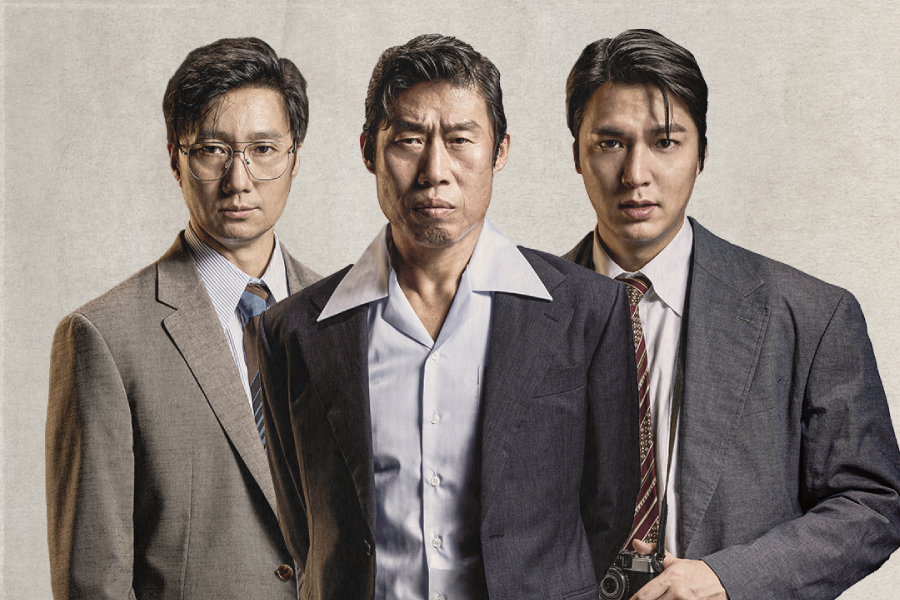
Furthermore, the cascading effect of the controversy claimed Lee Min Ho’s individual "Actors House" session—a coveted, intimate career retrospective event at BIFF designed to celebrate major acting milestones. With this final cancellation, every official thread connecting The Assassin(s) to the 31st BIFF was cleanly severed.
Supporting Context & Metrics: The Anatomy of a Historical Controversy
To contextualize the severe public reaction against The Assassin(s), it is essential to examine the historical weight of the subject matter and the star power driving the production.
The 1974 Incident: A National Scar
The events depicted in The Assassin(s) center on the August 15, 1974, assassination attempt targeting President Park Chung-hee during a Liberation Day ceremony at the National Theater of Korea in Seoul. While the gunman, Mun Se-gang (a Zainichi Korean sympathizer with North Korean ties), missed his primary target, a stray bullet fatally struck First Lady Roh Sue-hee.
The incident profoundly impacted South Korea’s domestic security policies, inter-Korean relations, and the tightening grip of authoritarian rule. Because this era remains a fiercely contested battleground in South Korean historiography—divided between those who emphasize the regime’s modernization efforts and those who condemn its severe human rights abuses—any cinematic interpretation is subjected to microscopic scrutiny.
Critics of the film argue that fictionalizing the motivations and intelligence failures surrounding the 1974 plot risks distorting collective memory, while filmmakers often defend their work as a dramatic exploration of human psychology within a historical framework.
Star-Studded Lineup and Production Scale
The gravity of the withdrawal is underscored by the immense talent attached to the project:
- Hur Jin Ho (Director): A master of narrative nuance, Hur’s past works include Christmas in August, One Fine Spring Day, and The Last Princess. His involvement signaled that The Assassin(s) would be a character-driven prestige picture rather than a mindless action thriller.
- Yoo Hae Jin: One of South Korea’s most reliable and universally beloved character actors, known for his ability to ground historical and political dramas in gritty realism (Taxi Driver, The Owl).
- Park Hae Il: A cinematic chameleon celebrated for his intellectual intensity and nuanced performances in historical epics like Decision to Leave and Hansan: Rising Dragon.
- Lee Min Ho: A global hallyu superstar whose casting guaranteed immense international visibility. His exclusion from the "Actors House" event represents a significant missed opportunity for fans worldwide who look to BIFF for deep-dive discussions with top-tier talent.
Official Statements: Hive Media Corp.’s Admittance of Risk
The decision to retreat from Busan was communicated transparently by the production studio, emphasizing caution and crowd management above all else. Below is the complete, translated text of the official statement released by Hive Media Corp. on October 2:
"Hello, this is Hive Media Corp., the production company behind ‘The Assassin(s).’
After careful consideration and taking into account the safety of audiences and attendees, we have decided not to participate in the Busan International Film Festival Opening Ceremony or the Outdoor Stage Greeting scheduled for October 7.
After carefully reviewing the current situation surrounding the film, we made this decision to ensure everyone’s safety and allow the event to proceed smoothly. We sincerely apologize to everyone who has been looking forward to these events, and deeply appreciate your understanding."
The tone of the statement is pragmatic, reflecting a growing reality in modern media production: when public discourse crosses the line from artistic critique into potential civil unrest or safety hazards at live venues, corporate self-preservation dictates immediate withdrawal.
Future Outlook: Navigating the Aftermath and the 31st BIFF
As the 31st Busan International Film Festival prepares to open its doors on October 6 and run through October 15, festival organizers are left managing the logistical and atmospheric fallout of the cancellation.
BIFF leadership has maintained a neutral stance, respecting the studio’s autonomous decision while moving swiftly to restructure the festival schedule to accommodate the sudden vacuum left by The Assassin(s) and Lee Min Ho’s cancelled "Actors House." Festival programmers are currently working to fill the emptied time slots with alternative screenings and panel discussions, striving to maintain the event’s momentum as global film critics, buyers, and cinephiles descend upon the port city of Busan.
What Lies Ahead for The Assassin(s)?
The more pressing question concerns the commercial and critical future of the film itself. Having already faced a rocky theatrical rollout marred by accusations of historical revisionism, withdrawing from Asia’s largest film festival deprives the production of a crucial platform to reset its narrative, engage with international buyers, and defend its artistic choices in a controlled environment.
Whether The Assassin(s) can weather the storm, distance itself from the ongoing controversy, and find a stable footing with general audiences post-festival remains to be seen. What is certain, however, is that the film’s trajectory serves as a cautionary tale for South Korean filmmakers tackling sensitive modern history: in an era of heightened political awareness, the line between cinematic drama and historical revisionism is razor-thin, and the consequences of crossing it can derail even the most meticulously planned promotional campaigns.









Belum ada komentar. Jadilah yang pertama berkomentar!