

Executive Overview
For decades, the whimsical creations of Studio Ghibli have captured the imaginations of millions worldwide, establishing a cultural touchstone that blends nostalgia, environmental reverence, and profound emotional storytelling. Among the pantheon of beloved characters born from the visionary mind of Hayao Miyazaki, none holds a more universal or comforting appeal than the gentle forest spirit, Totoro.
The intersection between those who dream of visiting Japan’s acclaimed Ghibli Park and those who yearn for a tactile connection with Totoro has always formed a near-perfect circle. Recognizing this deep-seated desire, officials at Ghibli Park—situated within the lush expanse of the Expo 2005 Aichi Commemorative Park in Nagakute—have announced a unique, limited-engagement event. Next month, fans will have the rare opportunity to step beyond the role of passive observers and become creators themselves through the "Let’s Make a One-of-a-Kind Totoro Plushie" workshop.
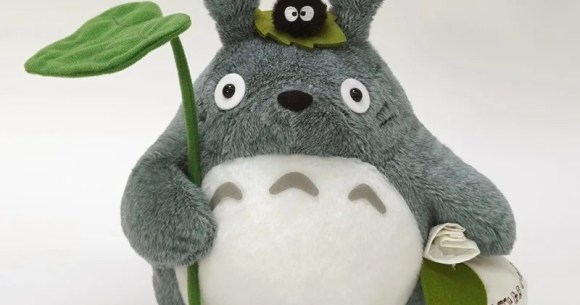
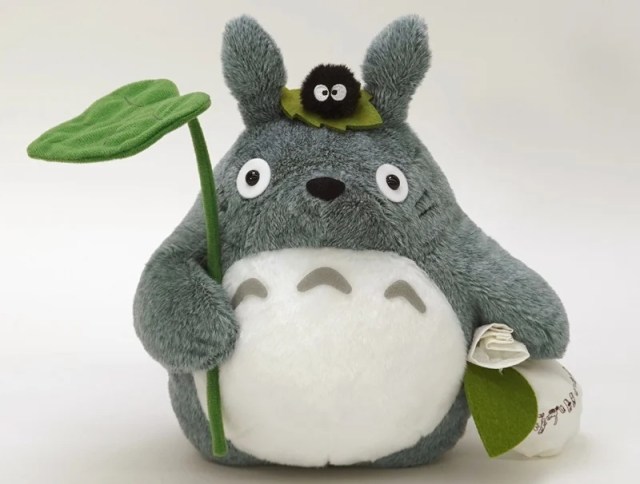
Scheduled for November 21 and 22, this immersive 70-minute hands-on crafting experience invites participants to construct their very own customized Totoro plushie. From attaching expressive eyes and fashioning his iconic signature leaf to stuffing the soft cotton core and sealing the final seam, attendees will walk away with a deeply personal keepsake.
Although the workshops take place just outside the primary ticketed zones of Ghibli Park at the Chikyu Shimin Koryu Center, the event promises to serve as the ultimate companion experience for autumn visitors. Because of strict capacity limits and soaring anticipated demand, access to the sessions will be managed via a competitive online lottery system administered by Boo-Woo Ticket. For devoted Ghibli enthusiasts, this event represents far more than a simple crafting class; it is an invitation to embed a tangible piece of magical realism into their everyday lives.
Detailed Chronology: From Concept to Crafting
The journey toward bringing this bespoke crafting experience to Aichi Prefecture is rooted in a tradition of interactive fan engagement that extends beyond permanent park installations. While Ghibli Park itself—spread across distinct zones such as the Hill of Youth, Dondoko Forest, Mononoke Village, and the Valley of Witches—offers breathtaking architectural immersion into films like My Neighbor Totoro, Princess Mononoke, and Howl’s Moving Castle, it has historically prioritized environmental storytelling over traditional theme-park merchandise creation.
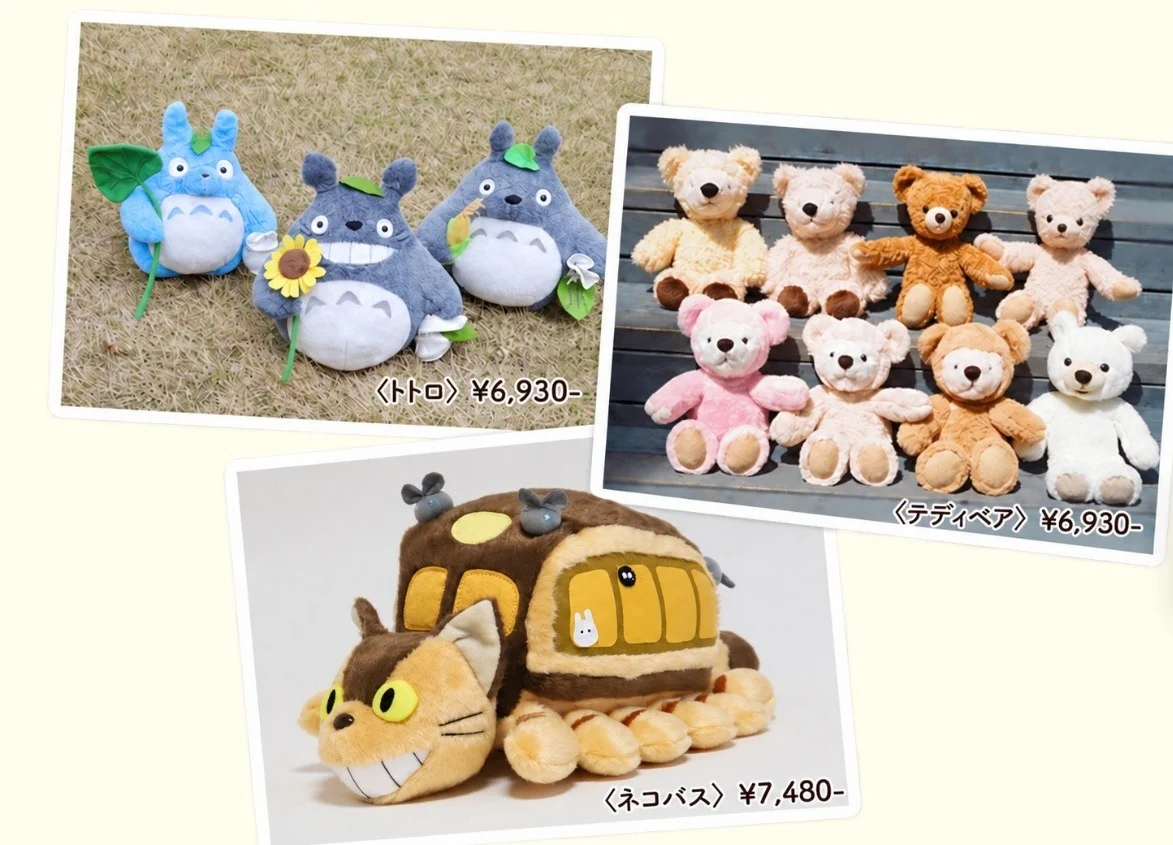
The genesis of the upcoming Aichi workshops stems from a traveling adaptation of a popular, long-running program established at the Izu Teddy Bear Museum in Shizuoka Prefecture and the Nasu Teddy Bear Museum in Tochigi Prefecture. These cultural institutions have long delighted visitors by offering permanent, hands-on crafting workshops where fans can assemble their own plush companions, including not only Totoro but also the iconic, smiling Catbus.
Recognizing the overwhelming success and cultural resonance of these museum-based workshops, Ghibli Park organizers coordinated a special, limited-engagement itinerary to bring the experience directly to the Aichi Commemorative Park grounds for a two-day autumn event.
The Event Timeline and Application Schedule
Securing a spot in this highly exclusive program requires strict adherence to a precise logistical schedule established by the ticketing administrators:
- October 7: Online lottery applications officially open to the public via the Boo-Woo Ticket platform.
- October 12: Application window closes, locking in the pool of hopeful participants.
- October 16: Winners are notified via email on the evening, prompting successful applicants to confirm their attendance and finalize registration details.
- November 21–22: The official execution of the workshops. A total of eight exclusive sessions will be conducted across these two days, featuring carefully managed time slots at 10:00 AM, 12:40 PM, 2:40 PM, and 4:00 PM.
Each workshop session is strictly capped at a maximum capacity of 32 participants to ensure that instructors can provide personalized guidance throughout the 70-minute crafting process.
Supporting Context & Metrics: Location, Logistics, and Economics
Understanding the operational framework of the "Let’s Make a One-of-a-Kind Totoro Plushie" workshop requires a close look at its geographical setting, financial requirements, and the broader ecosystem of Ghibli tourism in Japan.
Geographical Placement and Accessibility
The workshop will not take place within the gated, ticket-controlled perimeters of Ghibli Park proper. Instead, it will be hosted inside the Chikyu Shimin Koryu Center (Earth Citizens’ Exchange Center), a modern municipal community facility situated comfortably within the expansive grounds of the Expo 2005 Aichi Commemorative Park in Nagakute, just east of Nagoya.
Strategically positioned just north of Ghibli Park’s nostalgic Hill of Youth area and safely to the west of the newly expanded Valley of Witches, the center provides a neutral, highly accessible venue. This location offers a distinct administrative advantage: participants do not need to purchase a separate, highly sought-after Ghibli Park admission ticket simply to attend the workshop. This opens the event up to local residents, casual park visitors, and dedicated international tourists who might otherwise struggle to secure standard park entry passes.
Financial and Logistical Breakdown
- Participation Fee: 7,000 Japanese Yen (approximately $44 USD at current exchange rates) per person. This fee covers all raw materials, including the plush fabric shell, safety eyes, synthetic stuffing cotton, and Totoro’s signature accessory leaf.
- Age Restriction: Open to participants ages 6 and older. Younger children may require parental assistance during the sewing and stuffing phases, making it an engaging family activity.
- Ticket Limits: Applicants are restricted to a maximum of two reservations per individual submission, ensuring fair distribution across the applicant pool.
- Session Metrics: With 8 total sessions accommodating 32 participants each, the entire two-day event will yield a maximum output of only 256 handmade Totoro plushies, underscoring the extreme scarcity and collector value of the resulting items.
The Permanent Alternatives: Izu and Nasu Teddy Bear Museums
For travelers who miss out on the frantic October lottery window or find themselves visiting Japan outside of the November 21–22 dates, the creative journey need not end in Aichi. The foundational workshops that inspired this special event remain a staple at two renowned cultural destinations:
- Izu Teddy Bear Museum (Shizuoka Prefecture): Located in the picturesque resort region of Izu, this museum features a dedicated permanent Studio Ghibli exhibition space. In addition to regular Totoro plush-making workshops, the facility offers visitors the unique opportunity to assemble Catbus plushies, complete with intricate detailing and plush legs.
- Nasu Teddy Bear Museum (Tochigi Prefecture): Nestled in the serene woodlands of Nasu, this sister institution provides a similar sanctuary for toy and anime enthusiasts, offering hands-on crafting classes that allow fans to construct their own forest spirits in a tranquil, storybook environment.
Official Statements and Cultural Significance
While corporate announcements regarding ticket lotteries are often dry and administrative, the underlying sentiment from cultural commentators and park organizers highlights the deep emotional connection fans maintain with Studio Ghibli’s intellectual property.
Industry analysts note that modern experiential tourism has shifted decisively away from passive observation toward active participation. In an era dominated by mass-produced consumer goods, the appeal of crafting a personal artifact—infusing a plush toy with one’s own time, physical effort, and minor stitching imperfections—creates an irreplaceable bond between consumer and object.
"When you purchase a standard plushie off a shelf, it is merely an item," notes cultural tourism researcher Dr. Kenji Sato. "When you spend 70 minutes meticulously placing eyes, adjusting posture, stuffing cotton until the form feels right, and sewing the final backing seam yourself, that object transforms into a companion. It carries a narrative of your time spent in Aichi, your anticipation for the park, and your personal relationship with Miyazaki’s art."
Ghibli Park representatives have echoed this sentiment, emphasizing that the collaboration with the Teddy Bear Museum network aims to deepen the sensory engagement of visitors. By stepping outside the visual confines of the park’s cinematic set designs and into a tactile, workshop environment, fans are given the tools to literalize their fandom.
Future Outlook: The Evolution of Ghibli Tourism
The launch of the traveling Totoro plushie workshop points toward an increasingly sophisticated future for Ghibli Park and its surrounding infrastructure. Since its phased opening began in late 2022, Ghibli Park has continually wrestled with the immense global demand for tickets, leading to strict reservation systems, phased releases, and international booking portals designed to manage crowd flows and preserve the tranquil, park-like atmosphere of the original Expo site.
By decentralizing certain high-engagement activities—such as craft workshops—into multi-use community facilities like the Chikyu Shimin Koryu Center, park planners are demonstrating a clever strategy for expanding visitor capacity without straining the delicate environmental and architectural integrity of the core park zones.
What Lies Ahead for Fans?
- Expanded Itineraries: Industry insiders speculate that if the November Aichi workshops achieve their projected success, Ghibli Park management may consider establishing more frequent or seasonally rotating craft events throughout the year.
- Diverse Character Workshops: Given that the Izu Teddy Bear Museum successfully offers Catbus assembly classes, future pop-up events at Aichi Commemorative Park could potentially expand to include other iconic creatures from the Ghibli cinematic universe, such as Kodama forest spirits from Princess Mononoke or the soot sprites (Susuwatari) seen in Spirited Away and My Neighbor Totoro.
- Tourism Integration: Travel agencies specializing in inbound Japanese tourism are already beginning to factor these boutique crafting experiences into customized itineraries, signaling a growing market for high-touch, artisanal anime tourism.
As autumn settles over Aichi Prefecture and the golden foliage of the Commemorative Park begins to mirror the rich, earthy tones of Totoro’s forest home, 256 lucky participants will soon sit down with needles, thread, and soft gray fabric. In doing so, they will participate in a timeless ritual of creation—proving once again that the magic of Studio Ghibli is not merely something to be watched upon a screen, but something meant to be held closely, stitched by hand, and cherished for a lifetime.








Belum ada komentar. Jadilah yang pertama berkomentar!