

Executive Overview
In the high-stakes, adrenaline-fueled arena of futuristic arcade racing, developer Secret Mode’s Galactic Racer has carved out a distinct niche. Blending white-knuckle speed with strategic, run-based progression, the title challenges pilots not only to outmaneuver aggressive human opponents who delight in shunting them into corridor walls, but also to survive some of the most hostile extraterrestrial biomes ever rendered in digital entertainment.
At the center of this experience is the game’s standout multiplayer tour mode—a grueling, six-race gauntlet where competitors must progressively upgrade their speeders on the fly. While the thrill of raw velocity often tempts racers to dump all their hard-earned upgrade points into maximum afterburners, ramjets, and energy batteries, veteran insight reveals a fatal flaw in this all-offense strategy.
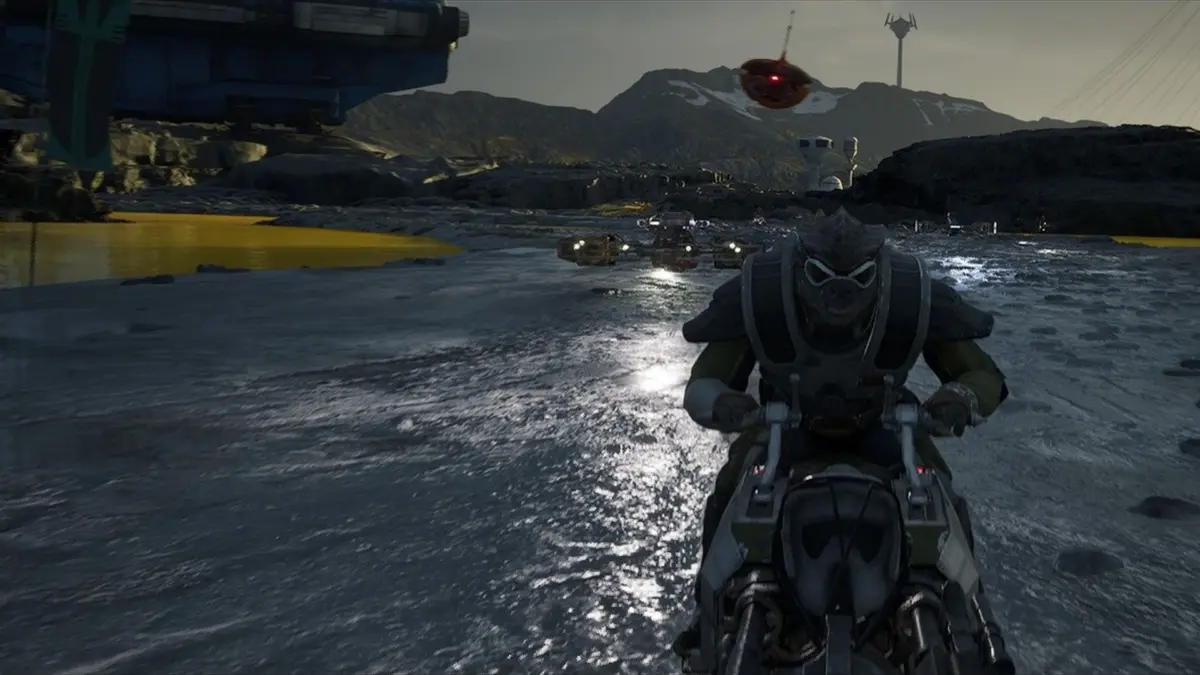
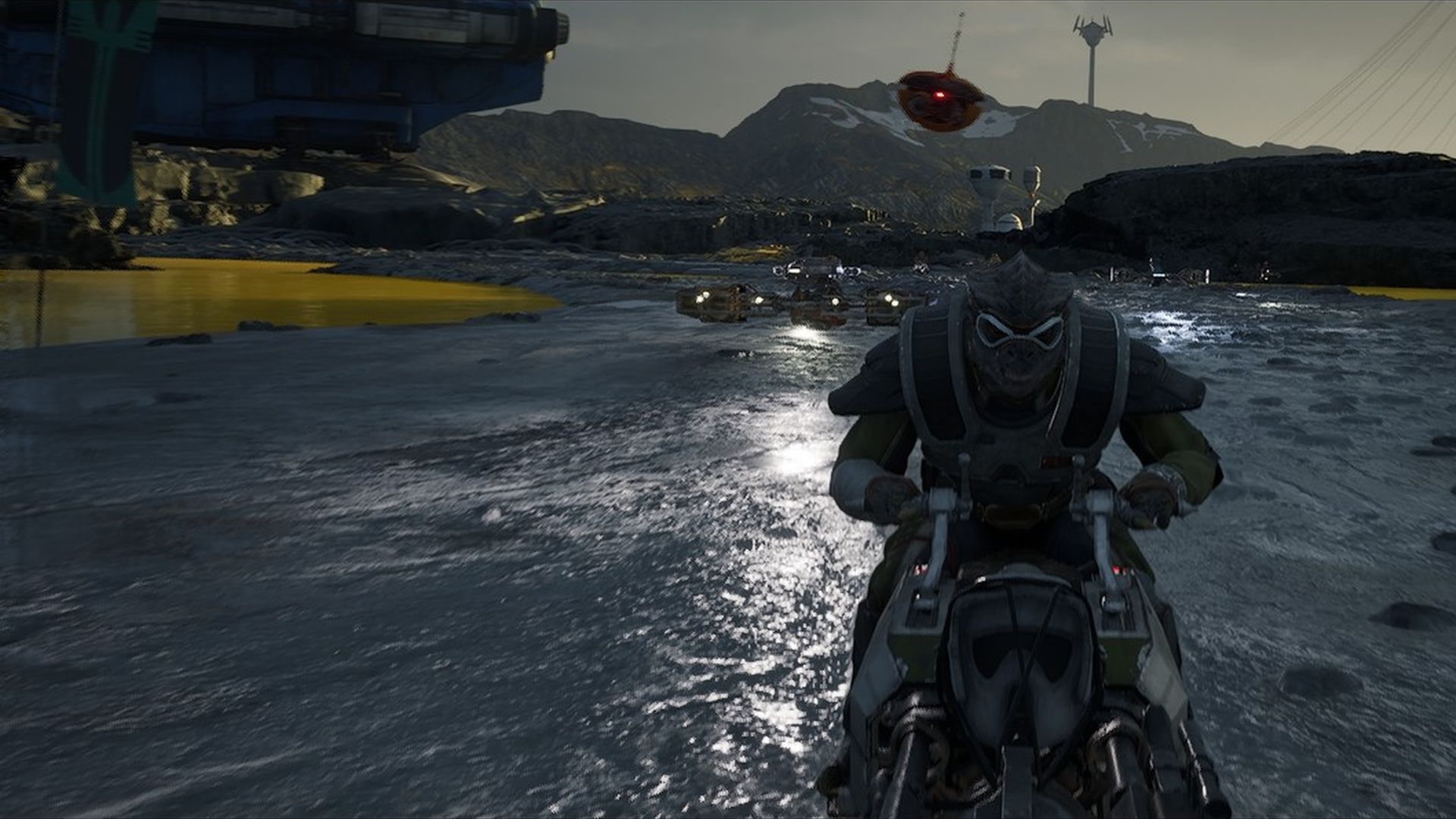
Enter Sentinel I: a gloomy, industrial-toned nightmare world defined by winding courses flanked by rivers of boiling, corrosive yellow acid. A single miscalculation or an aggressive nudge from a rival can send a pilot veering off-track, plunging their vehicle into the toxic sludge and immediately neutralizing their ramjet boosts.
This comprehensive investigative and tactical report explores the intricate mechanics of Galactic Racer’s tour mode, breaking down the essential survival strategies needed to conquer Sentinel I, examining the chaotic multiplayer environment, and offering a forward-looking perspective on how proper vehicle tuning can spell the difference between glorious podium finishes and explosive, ignominious defeat.
Detailed Chronology: The Anatomy of a Six-Race Tour
To truly understand the pressure points of Galactic Racer, one must examine the pacing and structure of the multiplayer tour mode. Unlike traditional arcade racing titles where players select a vehicle and jump into isolated tracks with static performance stats, Galactic Racer introduces a dynamic evolutionary loop.
Phase One: Establishing Momentum
The tour begins deceptively gently. Over the first few races across diverse single-environment worlds—echoing classic sci-fi tropes of dedicated desert and jungle planets—pilots are lulled into a false sense of security. During these opening tiers, opponents are relatively forgiving, and the track layouts prioritize pure, unobstructed straight-line acceleration.
During this preliminary window, players naturally gravitate toward maximum output upgrades. Pumping points into afterburners yields immediate visual and mechanical dividends, allowing racers to pull away from the pack. Concurrently, upgrading energy batteries ensures that specialized vehicle abilities can be deployed more frequently, providing a tactical edge in tight corners.
Phase Two: The Sentinel I Reality Check
This initial honeymoon phase shatters abruptly upon reaching Sentinel I. Following the established planetary archetypes of the galaxy, Sentinel I presents a distinct visual and mechanical identity: a world seemingly drenched in caustic, burning liquids.
Because tour mode restricts players to a single race per planet, there is zero room for a trial-and-run learning curve. Pilots arriving at Sentinel I with glass-cannon builds—heavy on speed, utterly lacking in durability—discover the harsh limits of their machines. The tracks are bordered by treacherous rivers of boiling yellow acid. Should an opponent clip your bumper, or a slight steering error send you skimming over the edge, the acid instantly penalizes your vehicle, tanking your ramjet boost and bleeding away your momentum.
Phase Three: The Climax on Derven Acos
The culmination of the tour takes place on Derven Acos, a brutal grand finale that serves as a remix of every hazard encountered throughout the journey. Derven Acos does not introduce entirely new mechanics; instead, it tests whether a pilot has learned the lessons of the preceding biomes.
Here, racers must navigate a chaotic landscape that synthesizes multiple environmental dangers:
- Ando Prime’s Freezing Ice: Sapping traction and requiring delicate throttle control.
- Lantaana’s Flowing Lava: Creating dynamic bottlenecks and intense thermal pressure.
- Sentinel I’s Corrosive Acid: Punishing any deviation from the racing line with catastrophic speed loss.
Pilots who neglected their vehicle’s foundational sturdiness earlier in the tour find themselves utterly outmatched on Derven Acos, unable to survive the overlapping hazards thrown at them by both the environment and their desperate competitors.
Supporting Context & Metrics: The Economics of Speeder Tuning
To survive the logistical nightmare of a six-race tour, players must master the underlying mathematics of speeder upgrades. Resource scarcity is the defining constraint of the multiplayer tour mode; unlike single-player campaigns where accumulated tuning points carry over from previous playthroughs, multiplayer tour participants start on a much tighter economic leash.
The Opportunity Cost of Speed
Every upgrade point acquired during a tour represents a critical tactical choice. The primary attributes available for tuning typically include:
| Upgrade Category | Primary Function | Risk Profile | Recommended Timing |
|---|---|---|---|
| Afterburner / Speed | Increases top speed and acceleration ceiling. | High Risk: Makes vehicle harder to control in tight spaces. | Late-game, once basic stability is secured. |
| Ramjet | Enhances burst propulsion capabilities. | Moderate Risk: Ineffective if penalized by environmental hazards. | Balanced progression. |
| Battery | Expands energy capacity for special abilities. | Low Risk: Highly dependent on playstyle and ability choice. | Mid-game utility boost. |
| Resilience | Mitigates environmental damage and collision loss. | Zero Risk (High Value) | Early-game priority (Pre-Sentinel I). |
Data compiled from competitive match sessions indicates that players who allocate at least 30% of their early tour upgrade points into Resilience experience a significantly lower rate of mid-race performance degradation on Sentinel I. While these pilots may sacrifice a fraction of their top-end speed on the opening straightaways, their ability to absorb minor collisions and brush against corrosive acid without catastrophic ramjet failure yields a higher average finishing position across the full six-race arc.
Official Insights & Developer Perspective
Secret Mode, the creative minds behind Galactic Racer, designed the tour mode specifically to challenge conventional racing game habits. According to design philosophy shared by the development and community teams, the goal was to bridge the gap between roguelike progression and competitive multiplayer anxiety.
"We wanted to create an environment where players couldn’t just rely on twitch reflexes alone," notes production commentary surrounding the title’s track design. "By forcing dynamic upgrades mid-tour, we introduce a layer of strategic foresight. You aren’t just racing the person next to you; you are racing against your own long-term build choices."
The inclusion of hostile biomes like Sentinel I serves as a deliberate check against degenerate metagaming. If pure acceleration were always the optimal path to victory, the tactical depth of vehicle customization would collapse. By introducing punishing environmental hazards that specifically target fragile, high-speed builds, Secret Mode forces a continuous re-evaluation of risk versus reward.
Furthermore, the multiplayer ecosystem introduces the human element of mechanical sabotage. When other players are actively attempting to shunt your speeder into corridor walls, the structural integrity provided by resilience upgrades transforms from a niche defensive stat into an absolute necessity.
Future Outlook: The Evolution of Galactic Racer Tour Meta
As the community surrounding Galactic Racer continues to mature, the meta-game for multiplayer tour mode is shifting rapidly. Early adopter trends heavily favored aggressive speed builds, but the hard lessons learned on Sentinel I and Derven Acos are filtering down to newcomers.
Emerging Tactical Trends
- Adaptive Loadouts: Top-tier pilots are moving away from rigid upgrade paths, instead scouting the upcoming planetary sequence before locking in their point allocation. When Sentinel I looms large on the horizon, defensive tuning is universally prioritized.
- Defensive Positioning: Recognizing that shunting is an inevitable reality of multiplayer competition, advanced racers are utilizing resilience not just to survive environmental hazards, but to absorb opponent attacks without losing control of their racing line.
- Singleplayer vs. Multiplayer Divergence: While singleplayer runners can afford to experiment wildly thanks to banked tuning points from prior runs, the high-pressure economy of multiplayer tours demands ruthless efficiency and calculated survival instincts.
Looking ahead, as Secret Mode evaluates future updates, map expansions, and potential balancing tweaks, the fundamental tension between raw velocity and structural durability is expected to remain the cornerstone of Galactic Racer’s identity. For any aspiring champion looking to conquer the galaxy’s most treacherous circuits, the message is clear: true speed is meaningless if your speeder dissolves in a river of burning acid. Invest in resilience, weather the toxic storm, and claim your victory on the podium.








Belum ada komentar. Jadilah yang pertama berkomentar!