In an era dominated by hyper-efficient industrial synthesis and fast fashion, a quiet rebellion is taking root in the leafy suburbs of Tokyo. Here, time is measured not by digital clocks, but by the slow extraction of pigment from roots, bark, and leaves. Through an exclusive partnership with cultural reservation platform Wabunka, international travelers are granted rare access to this living heritage at Atelier Shimura, a premier institution dedicated to the preservation of kusakizome (natural plant-based dyeing) and tsumugi-ori (hand-spun silk weaving).
Founded in 2015 by Shoji Shimura to honor the extraordinary legacy of his grandmother—Fukumi Shimura, a celebrated textile master designated a Living National Treasure of Japan in 1990—Atelier Shimura bridges the gap between ancient Japanese philosophy and contemporary sensory immersion. Far from a passive museum tour, a workshop here is an intimate, meditative engagement with the elements. Participants submerge raw silk into vats of botanical infusions, working side-by-side with master craftspeople who treat color not merely as an aesthetic choice, but as a living bridge between humanity and the natural world. This comprehensive report explores the history, methodology, and profound psychological resonance of stepping into Tokyo’s premier sanctuary of natural color.
Detailed Chronology: An Inside Look at the Workshop Experience
To understand the transformative nature of Atelier Shimura, one must walk the path of the artisan. Situated in Setagaya Ward, a tranquil residential district accessible via Soshigaya-Okura Station on the Odakyu Line, the Tokyo atelier serves as both a working workshop and a peaceful gallery.
Phase 1: Arrival, Tea, and Historical Context
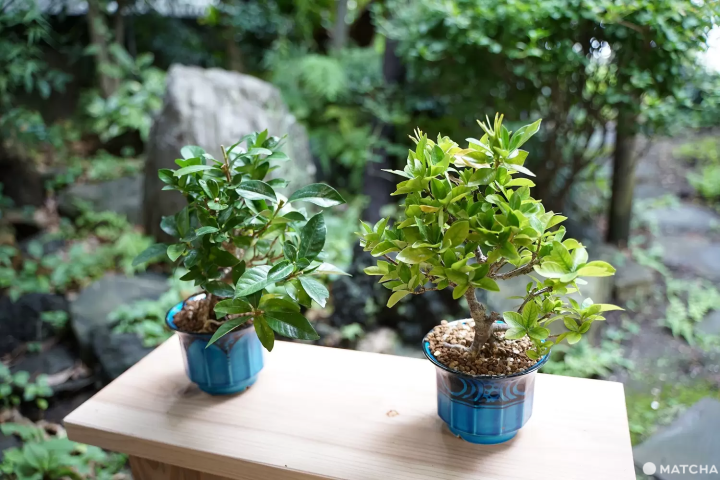
The journey begins away from the dye vats, seated in a traditional tatami room (washitsu) overlooking a serene garden cultivated with key dye-producing flora, such as loquat trees. Guests are welcomed over hot tea by expert artisans like Ms. Taniguchi, whose own journey into textiles began with university-level studies in natural dyeing before completing a rigorous apprenticeship under the Shimura lineage.
During this orientation, which can be tailored with an interpreter for non-Japanese speakers, visitors learn the foundational philosophy of Fukumi Shimura. The atmosphere is immediately disarming; the quiet warmth of the artisan establishes an open dialogue, easing any anxieties about handling precious materials and preparing the mind for the mindful labor ahead.
Phase 2: Selecting the Botanicals and Preparing the Silk
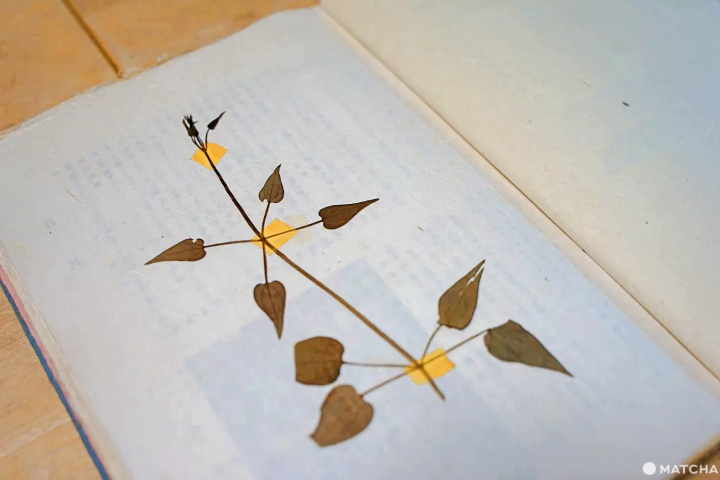
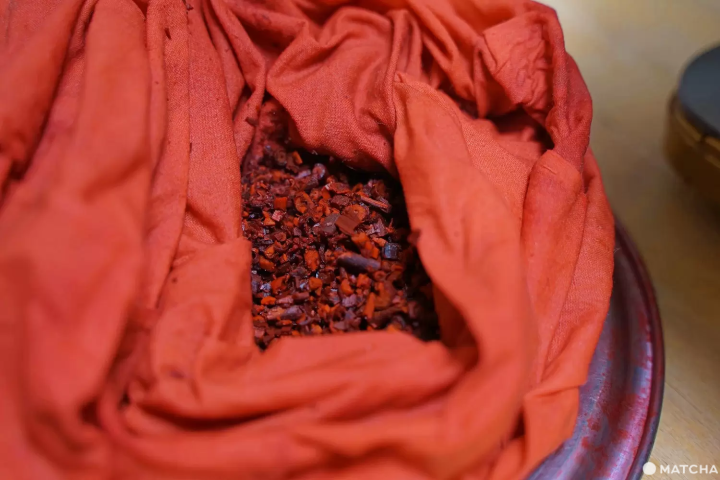
Workshops at Atelier Shimura vary by season, reflecting the organic availability of native and traditional flora. During an autumn session, the workshop utilizes the stems and roots of akane (Japanese madder). Though the plant’s surface leaves and stems are verdant green, its underground roots yield a startlingly rich, deep red pigment.
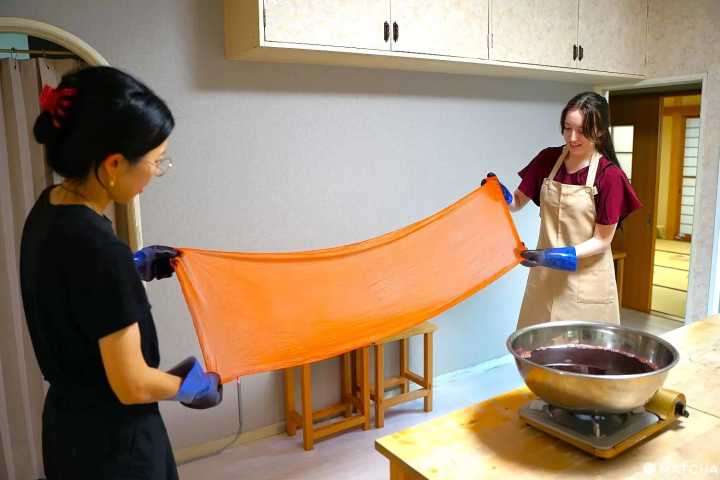
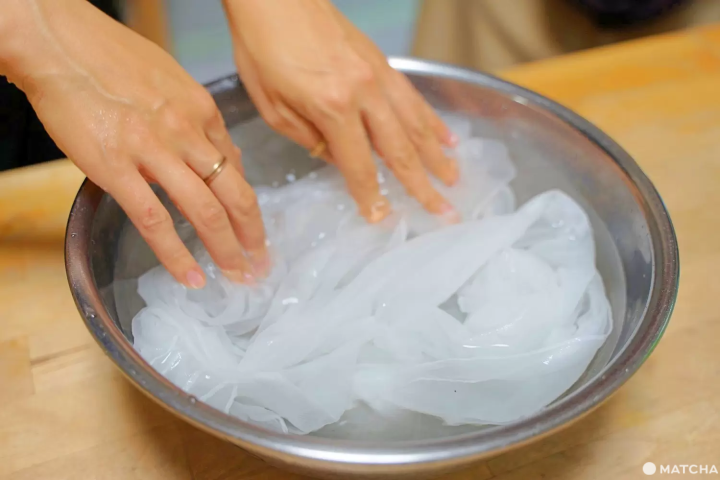
Before introducing the silk to the dye, the artisan demonstrates the proper handling technique. Participants are taught to circulate delicate silk scarves gently through clean water, pressing out excess liquid without twisting or wringing the fibers—a mechanical stress that would break the fragile protein bonds of the silk.
Phase 3: Submersion and the Meditative Dye Bath
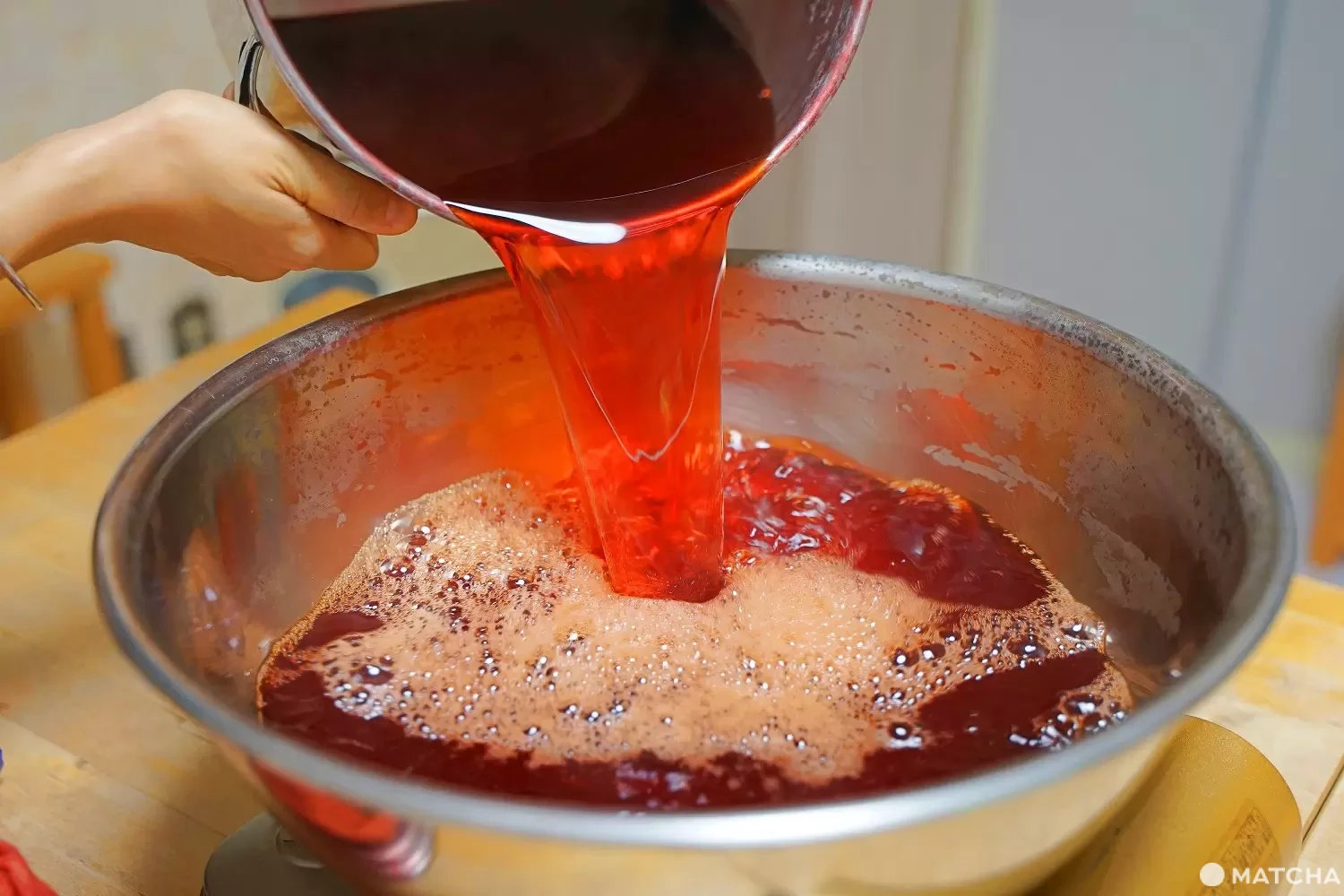
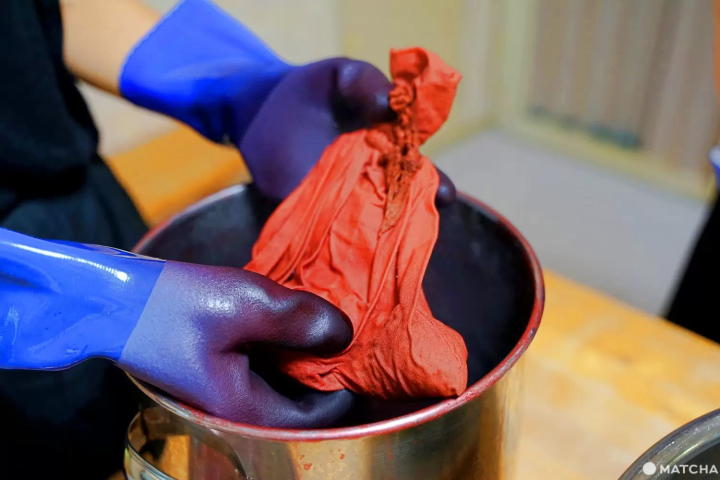
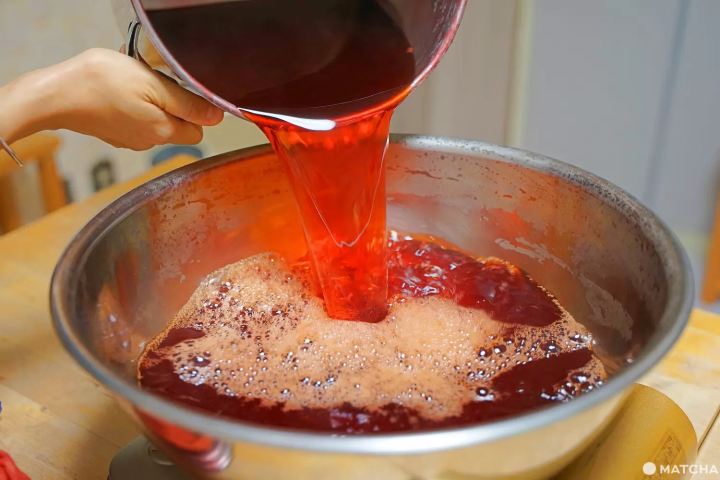
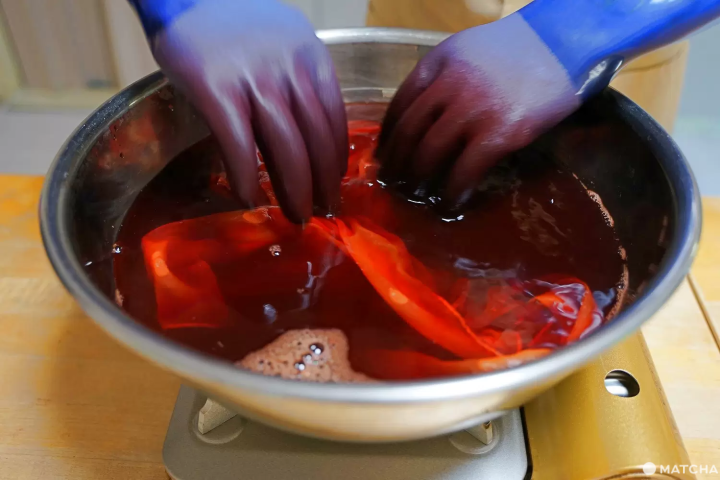
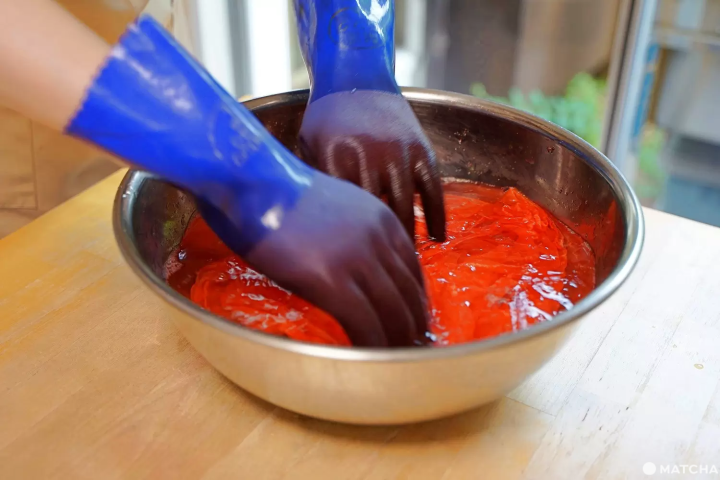
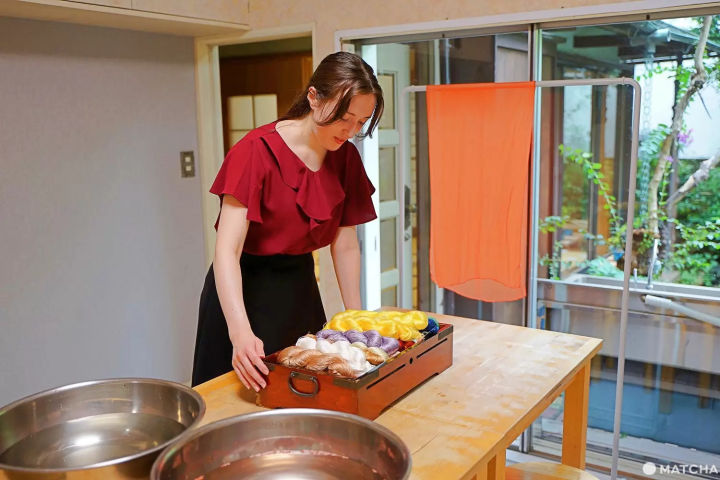
Protected by aprons and heat-resistant gloves, participants step up to the steaming dye pots. The physical action of submerging a pristine white silk scarf into a bubbling, crimson bath is intensely sensory. As the fabric absorbs the pigment, the rising steam releases a soothing, herbal aroma reminiscent of chamomile.
According to master artisans like Ms. Taniguchi, this phase of the process is an exercise in mindfulness. Artisans strive to clear their minds entirely, focusing solely on the unfolding color gradients. In a modern world saturated with digital noise and relentless stimuli, this enforced quietude functions as a form of active meditation, grounding the participant in the immediate present.
Phase 4: Fixation via Natural Mordants
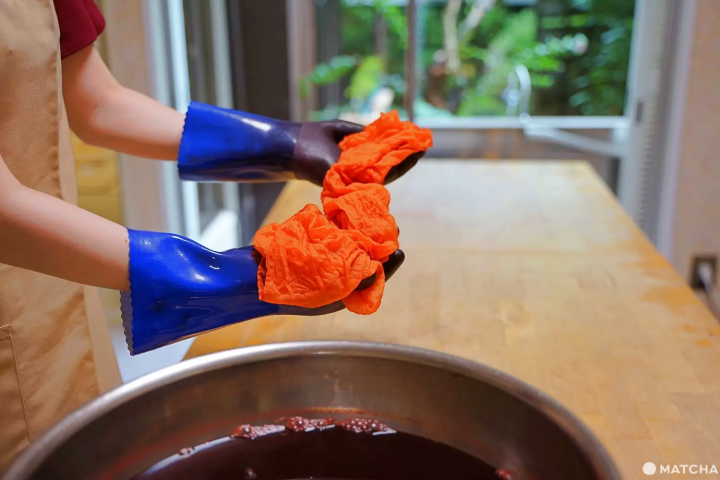
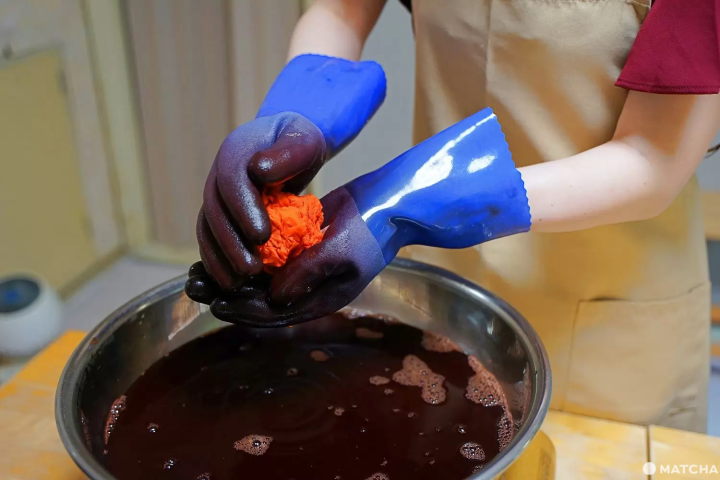
Once the initial pigment takes hold, the fabric is gathered into a gentle ball to express excess liquid before undergoing a crucial chemical stabilization phase: mordanting. Atelier Shimura utilizes a natural alum powder dissolved in water to lock the color permanently into the fibers.
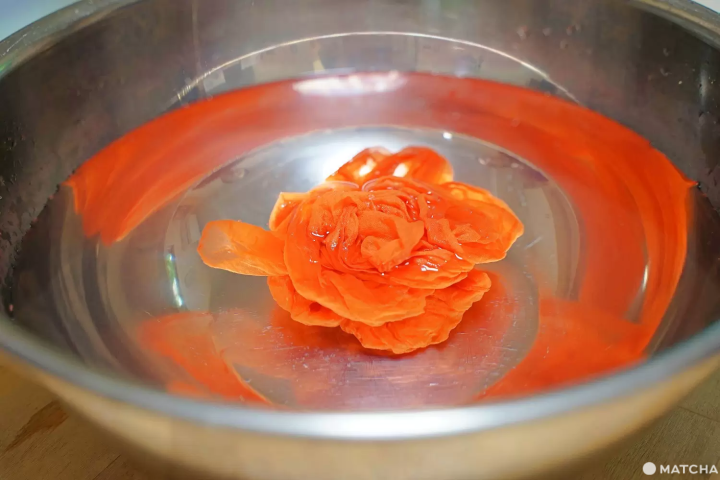
The physical act of swirling the crimson silk through the silky, alum-infused water mimics the graceful movement of a goldfish in a pond, offering another layer of tranquility. This step represents a fascinating triad of natural elements meeting in harmony: the botanical (plant dye), the animal (silk protein), and the mineral (alum mordant). The dyed fabric is then briefly exposed to sunlight before being hung to dry in the shade.
Supporting Context & Metrics: The Architecture of Color
To contextualize the work done at Atelier Shimura, one must examine the historical weight and technical parameters of kusakizome.
Historical Depth: Natural dyeing in Japan reached astonishing levels of sophistication during the Edo period (1603–1868). Historical records indicate that textile artisans of the era mastered more than 48 distinct shades of brown and over 100 variations of gray, all derived exclusively from local flora, minerals, and occasional marine sources.
The Shimura Lineage: Established in Kyoto in 2015, the brand expanded its physical footprint to Tokyo in 2017 to make its educational and artistic programming accessible to a broader national and international audience. At the heart of its ethos is Fukumi Shimura’s 1990 designation as a Juyo Mumukei Bunkazai (Important Intangible Cultural Property, commonly known as a Living National Treasure).
Geographical Accessibility: Atelier Shimura’s Tokyo branch is located in Setagaya Ward. From Soshigaya-Okura Station (Odakyu Line), visitors can take an 8-minute taxi or enjoy a 20-minute stroll down a straight, shop-lined street that offers an authentic window into suburban Tokyo residential life.
Workshop Modalities:
Plant-Based Dyeing Workshop: Approximately 2 hours, focusing on scarf or textile pigmentation using seasonal flora.
Silk Weaving Experience: A multi-hour session utilizing traditional hand-powered looms (tsumugi-ori).
Combined Comprehensive Session: A 6-hour immersive day package (including a meal break) combining both dyeing and weaving, with optional traditional kimono-wearing experiences available upon advance request.
Official Statements and Design Philosophy
The underlying philosophy of Atelier Shimura transcends commercial craft production; it is an active ecological and cultural preservation movement. In official communications and guided sessions, instructors frequently emphasize the unpredictable, humbling nature of working with organic materials.
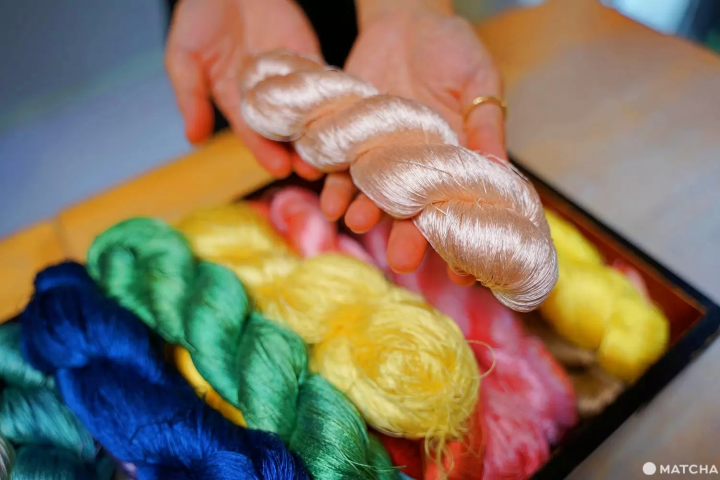
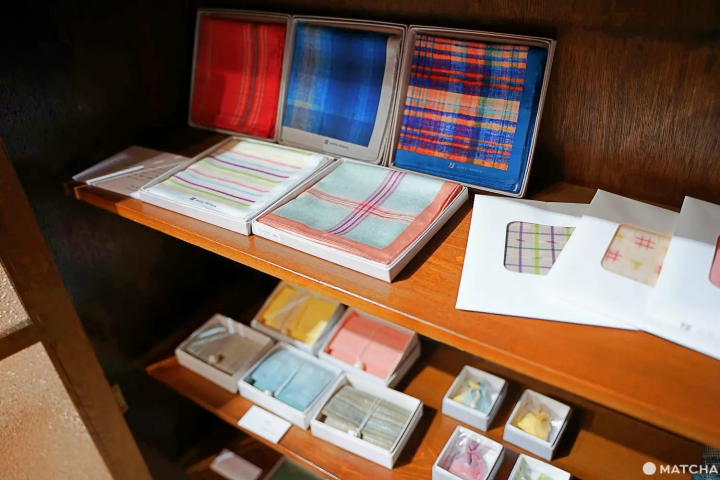
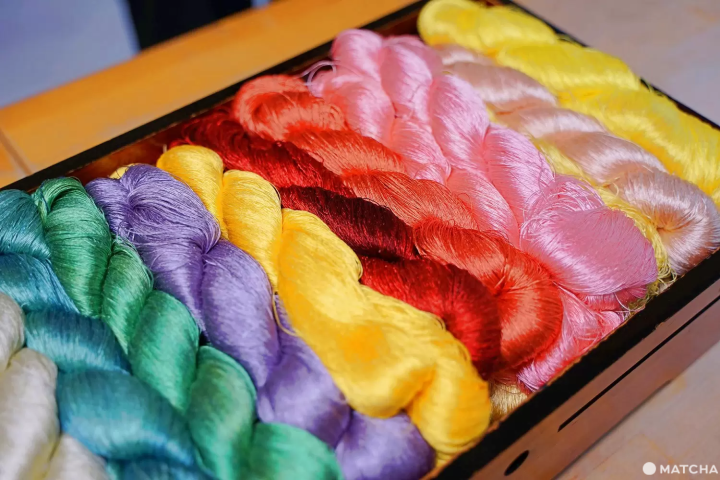
"Natural plant dyes reflect the living organic world. Because plants draw their colors from the earth, sun, and seasonal rain, even contrasting colors like yellow and purple harmonize effortlessly. When woven together, threads of red, yellow, purple, and blue merge into a singular textile that evokes the luminous, fleeting beauty of a twilight sky."
— Ms. Taniguchi, Senior Artisan at Atelier Shimura
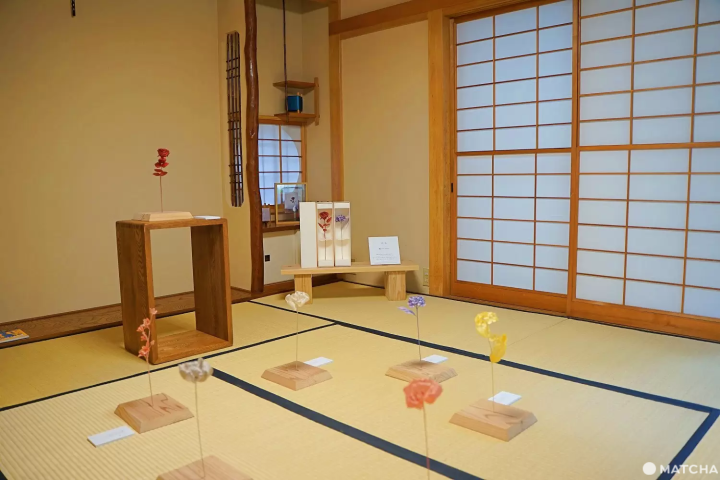
Furthermore, the integration of traditional architectural spaces within the atelier plays a vital role in framing this philosophy. The rotating gallery space—housed within a traditional washitsu featuring exposed wooden beams and tatami flooring—frequently showcases complementary Japanese crafts, such as the hananowa paper origami flower exhibitions curated in partnership with regional design laboratories like the Gifu Product Development Laboratory (GPDL). This cross-pollination of traditional arts reinforces the idea that craft is not a relic of the past, but an evolving, breathing ecosystem.
Future Outlook: Safeguarding Intangible Heritage for Global Audiences
As global tourism pivots increasingly toward experiential, high-value cultural engagement, institutions like Atelier Shimura occupy a critical vanguard position. The challenge facing traditional crafts in the 21st century is dual: securing rare organic raw materials (such as genuine Japanese madder, which has become functionally extinct in the wild, necessitating sustainable sourcing of comparable Indian madder roots) and passing complex tactile skills to younger generations.
Through its digital booking infrastructure via partners like Wabunka, Atelier Shimura successfully demystifies high-level Japanese traditional arts for international visitors, breaking down language barriers through expert facilitation and bespoke interpretation services.
Looking forward, the atelier aims to expand its educational outreach, offering longer-term mentorships and deeper academic explorations into the chemical and spiritual properties of botanical dyes. For the traveler fortunate enough to secure a spot at its vats, Atelier Shimura offers more than just a handmade souvenir. It offers a radical recalibration of the senses—an enduring reminder that true luxury lies in patience, presence, and a profound, unfiltered reconnection with the earth.








Belum ada komentar. Jadilah yang pertama berkomentar!