

Executive Overview
In the hyper-competitive landscape of Japanese retail, supermarket novelties frequently capture public attention through social media. However, few trends have sparked as much curiosity, confusion, and culinary experimentation as the viral sensation currently taking over Japanese feeds: the milk carton dessert.
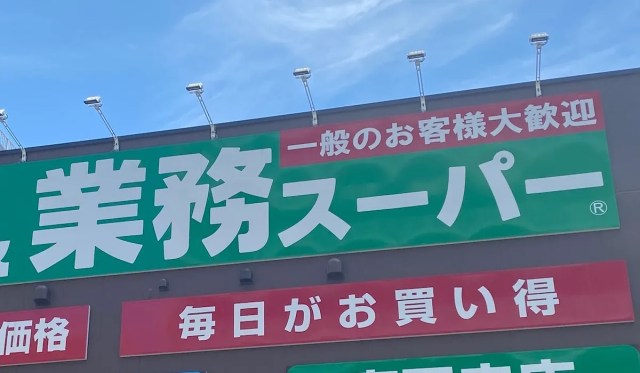
Sold exclusively at Gyomu Super—a discount warehouse-style supermarket chain colloquially known as “Gyo-su”—these unconventional sweets pack roughly one kilogram (2.2 pounds) of rich, decadent dessert entirely within what appears to be a standard, commercial milk container. While the supermarket chain is traditionally celebrated for its bulk-sized, commercial-grade ingredients tailored for restaurant owners and budget-conscious households, its line of approximately 10 distinct milk carton desserts has successfully crossed over into mainstream pop culture.
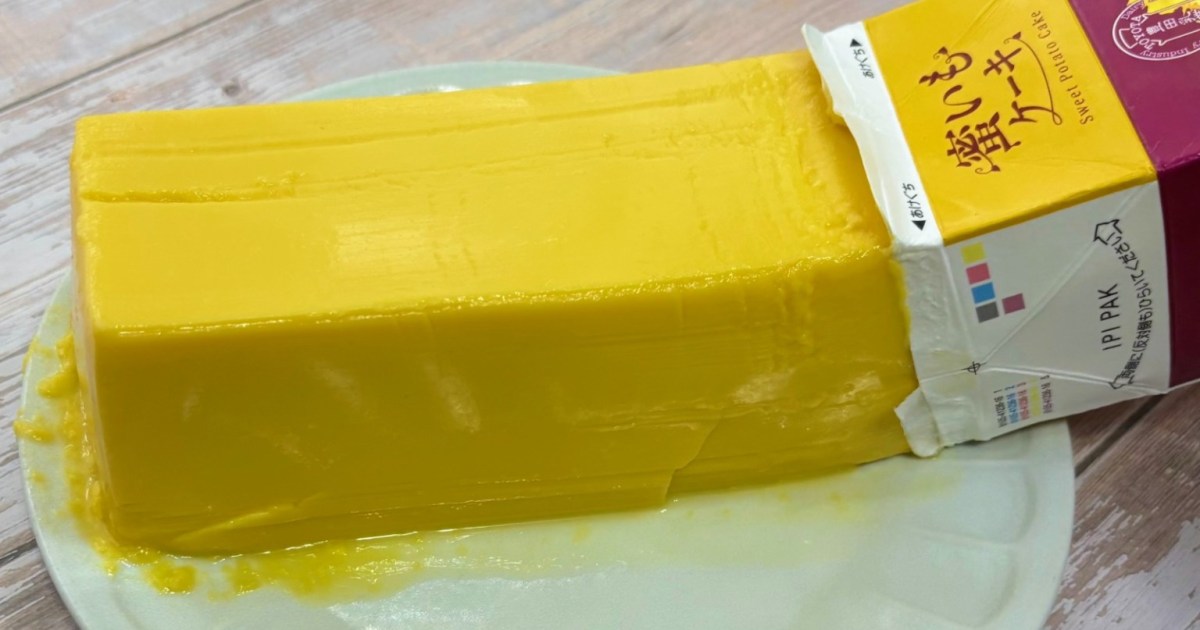
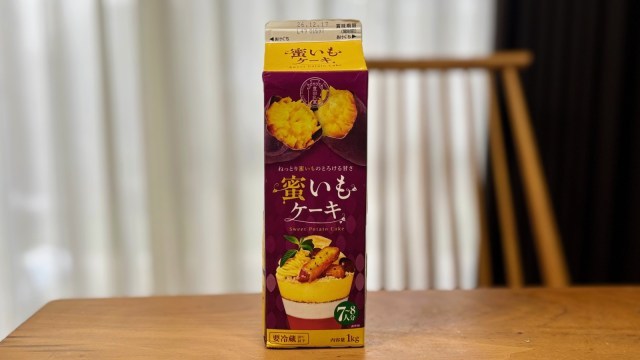
The latest addition to this quirky product line is the autumn-exclusive Mitsuimo Cake. Translating literally to "honey potato," mitsuimo refers to sweet potatoes specially cooked to bring out a syrupy, deeply concentrated sweetness accompanied by a uniquely moist, sticky texture. Housed inside a package that easily tricks unsuspecting shoppers into thinking it contains dairy beverages, this golden, loaf-like cake has become an instant must-have item.
Priced at an affordable 537 yen (approximately $3.39 USD) and yielding seven to eight generous servings, the Mitsuimo Cake represents more than just a viral social media trend; it highlights the innovative, cost-effective manufacturing strategies powering Japan’s domestic food industry. This investigative report explores the cultural impact of Gyomu Super’s carton desserts, details the logistics of extracting and consuming a cake from a milk carton, analyzes the economics behind these bulk-buy sweets, and examines how consumers are adapting the product into unexpected gourmet creations.
Detailed Chronology: Tracking the Mitsuimo Cake Phenomenon
The Discovery and Social Media Surge
The phenomenon surrounding Gyomu Super’s milk carton dessert line did not happen overnight, but the introduction of the Mitsuimo Cake acted as a powerful catalyst for a new wave of digital engagement. As autumn menus across Japan pivoted toward comfort foods and seasonal harvests—notably sweet potatoes, chestnuts, and pumpkins—food bloggers, lifestyle influencers, and everyday shoppers began posting videos of the unusual packaging.
Unlike traditional boxed or plastic-wrapped cakes, the milk carton format presents an immediate visual contradiction. To the uninitiated observer browsing the refrigerated aisles of a Gyomu Super branch, the packaging strongly suggests a flavored milk beverage or a liquid cooking base. Only upon close inspection of the small, stamped Japanese characters reading "ケーキ" (cake) does the true nature of the product become clear.
The Extraction Process: From Carton to Plate
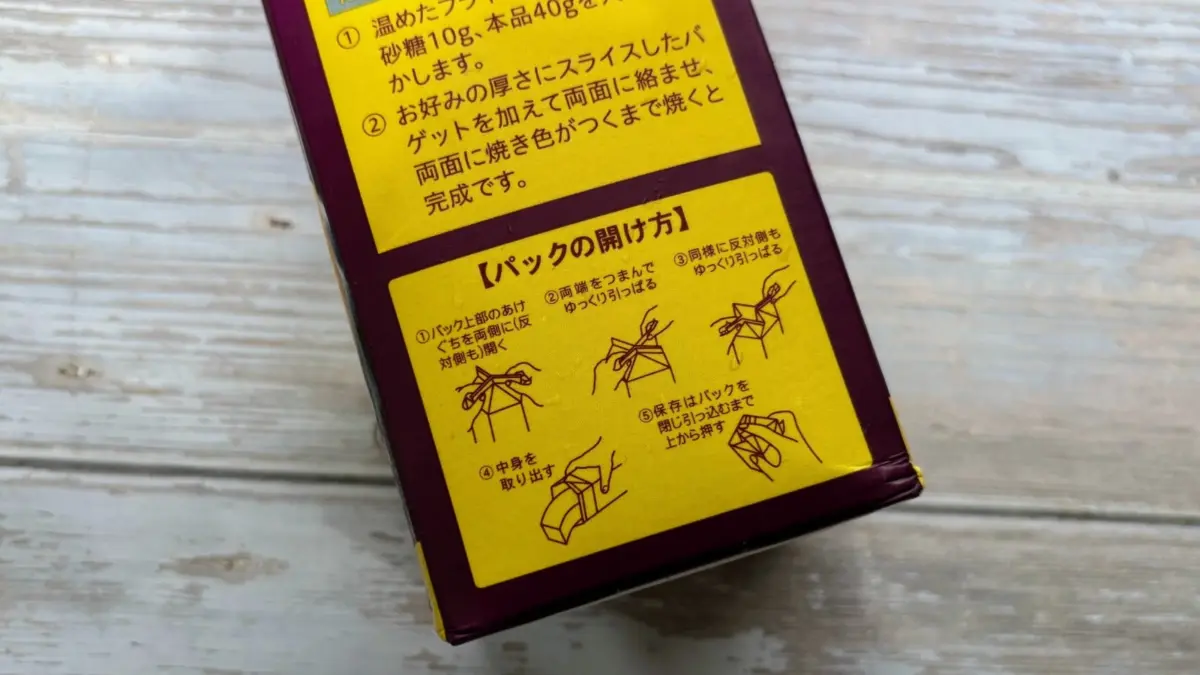
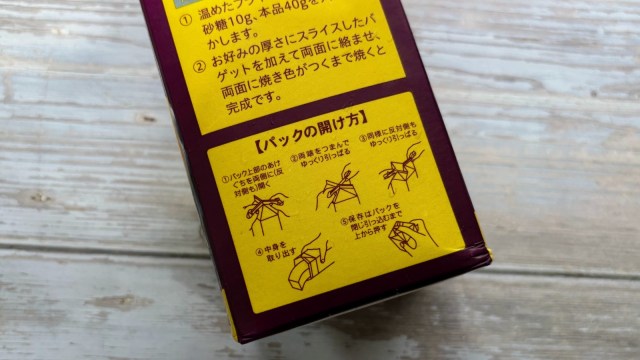
Eating a cake directly out of a paper carton sounds logistically impossible and aesthetically unappealing. Recognizing this hurdle, the manufacturer thoughtfully included clear, step-by-step instructions on the packaging to guide consumers through the extraction process.
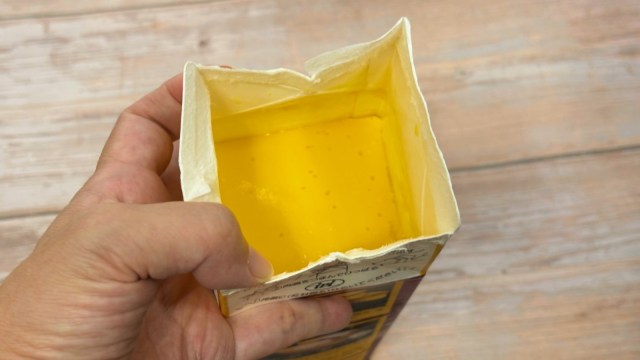
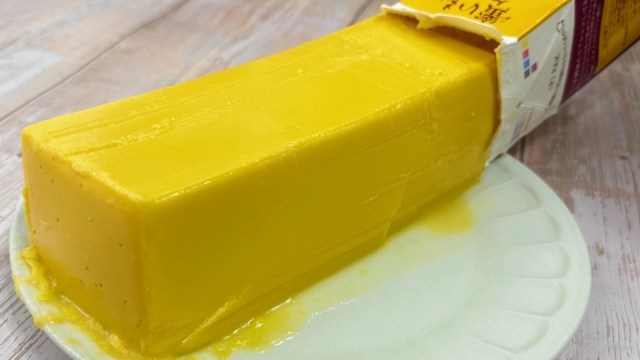
- Unsealing the Top: The first step requires tearing open the entire top of the gable-top carton, completely removing the spout area to expose the upper surface of the dense, golden dessert trapped inside.
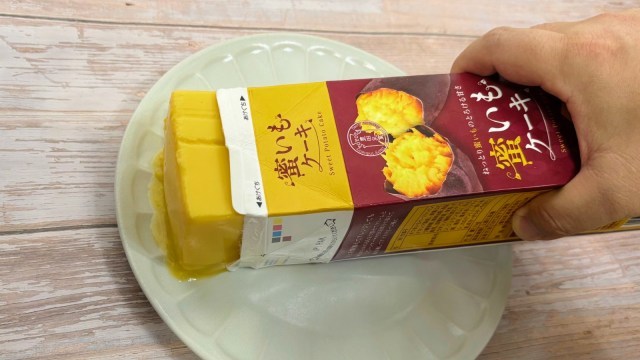
- The Jiggle Technique: Next, the carton is tipped onto its side on a clean kitchen counter or cutting board. By gently applying rhythmic pressure and jiggling the container, consumers can coax the massive block of dessert out of its cardboard encasing.
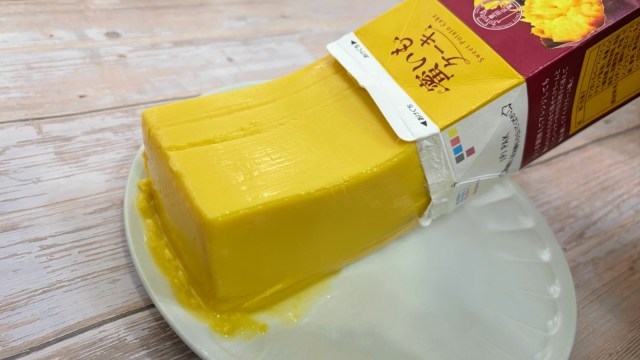
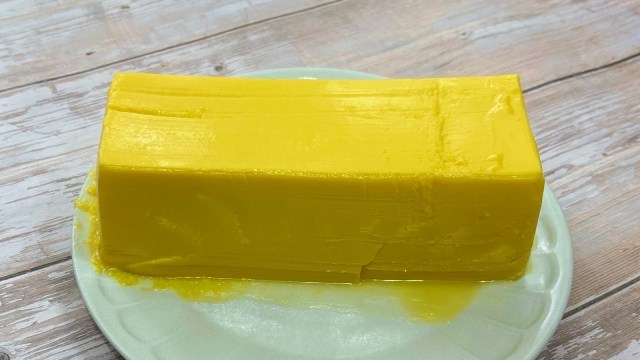
- The Reveal: According to eyewitness accounts from shoppers who documented the unboxing, the cake slides out with a surprisingly satisfying whoosh, maintaining the precise rectangular prism shape of the carton.
- Resembling a Gold Bar: Once fully extracted, the cake’s gleaming, deep-yellow exterior gives it an uncanny resemblance to a solid gold bullion bar—a visual quirk that has heavily contributed to its photogenicity on platforms like Instagram and TikTok.
Slicing and Textural Analysis
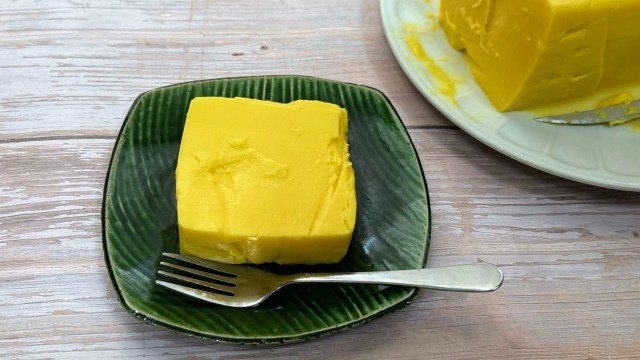
Armed with a kitchen knife, consumers find that the blade glides through the dense mass "like butter," allowing for clean, uniform slices to be plated individually.
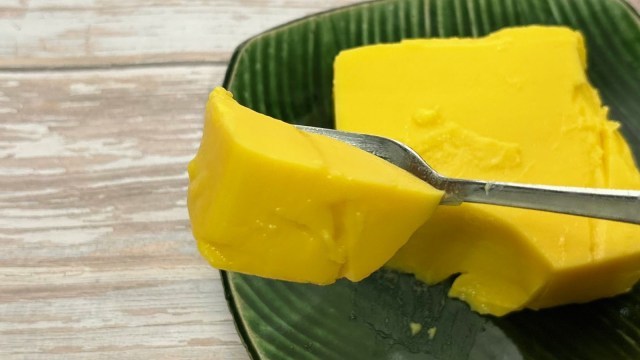
Upon tasting, the Mitsuimo Cake defies initial expectations. While it possesses the structural integrity and rich taste of a baked sweet potato confection, its mouthfeel is remarkably unique. It combines a heavy, sticky density with a soft, gelatinous jiggle—resembling the wobble of traditional Japanese purin (custard pudding) merged with the concentrated starchiness of slow-roasted honey potatoes.
However, reviewers note that the sweetness is exceptionally potent. Because the sugar content and concentrated sweet potato flavor are so intensely concentrated, consuming an entire portion straight from the plate can quickly become overwhelming, rendering it nearly impossible for a single person to finish a whole carton without culinary modification.
Supporting Context & Metrics: The Business of "Gyo-su"
Understanding Gyomu Super and the "Gyomu" Model
To truly understand why a one-kilogram cake is being sold in a milk carton, one must examine the operational philosophy of Gyomu Super. Operated by Kobe Bussan Co., Ltd., the chain’s name stems from the Japanese word gyomu (業務), which translates to "business use" or "commercial use."
Historically, Gyomu Super stores were designed to supply bulk items, massive frozen portions, and wholesale ingredients to local restaurants, izakayas, and catering businesses. Over the past two decades, however, the brand has pivoted aggressively toward the general public. Inflationary pressures, rising living costs, and stagnant wages across Japan have driven ordinary households to seek out maximum value for their grocery budgets. By cutting down on elaborate packaging and selling items in industrial or commercial formats, Gyomu Super has captured a massive segment of budget-conscious consumers without sacrificing product quality.
Pricing, Yield, and Domestic Production
The economics of the Mitsuimo Cake are remarkably favorable for the consumer:
- Retail Price: 537 yen (approx. $3.39 USD).
- Net Weight: Approximately 1,000 grams (2.2 lbs).
- Yield: Generous 7 to 8 individual servings per carton.
- Cost Per Serving: Roughly 67 to 76 yen per slice ($0.42 to $0.48 USD).
Furthermore, a significant selling point for health- and origin-conscious shoppers in Japan is that the dessert is manufactured domestically within Gyomu Super’s partnered factories in Japan. This ensures strict adherence to local food safety standards and traceability, a factor that frequently elevates consumer trust when purchasing deeply discounted foods.
The Broader Milk Carton Dessert Portfolio
The Mitsuimo Cake is merely the latest star in a diverse lineup of approximately 10 milk carton desserts that populate Gyomu Super’s refrigerated shelves. Other notable items in the series include:
- The Famous Custard Pudding: A legendary, cult-favorite bulk pudding that has maintained viral status for years.
- Mizu Yokan (Sweet Red Bean Jelly): A traditional Japanese confectionery item adapted for mass-volume sharing.
- Peach Jelly and Coffee Jelly: Fruit-flavored and caffeinated gelatinous blocks designed for easy home dessert preparation.
Culinary Adaptations: Transforming a Carton Cake
Because the Mitsuimo Cake is intensely sweet and packaged in such large quantities, food enthusiasts quickly began experimenting with alternative ways to serve and consume it. The packaging itself offers creative suggestions—such as incorporating the cake into homemade French toast or using it as a filling for ice cream sandwiches. However, one specific recipe has dominated social media discussions: The Mitsuimo and Cream Cheese Toast.
The Viral Toast Recipe
- Toast the Bread: Take a thick-sliced loaf of Japanese shokupan (milk bread) and toast it in a toaster oven until the crust is golden brown and crispy.
- Apply the Base: Spread a generous layer of fresh, tangy cream cheese across the warm surface of the toast. The lactic acidity and slight saltiness of the cream cheese act as a vital counterweight to the sugar content of the sweet potato cake.
- Spread the Cake: Because the Mitsuimo Cake maintains a soft, malleable texture after being sliced, it can be easily scooped and spread across the bread just like jam or butter.
- The Result: The combination yields a sophisticated flavor profile. The rich, earthy sweetness of the honey potato melds seamlessly with the cool, creamy tang of the cheese, creating a decadent, bakery-quality breakfast or afternoon snack that consumers have described as "habit-forming."
Official Statements & Consumer Reception
While official corporate press releases from Kobe Bussan focus primarily on seasonal product availability and cost-efficiency, retail analysts and food critics have weighed in on the cultural mechanics behind the trend.
Industry experts point out that the success of the milk carton dessert line relies heavily on experiential marketing driven by consumers. By designing a product that is inherently unusual—a cake stored inside a liquid carton, sliding out in the shape of a gold bar—Gyomu Super effectively outsources its advertising to social media users. The visual dissonance of the unboxing ritual guarantees high engagement rates across platforms like X (formerly Twitter), TikTok, and Instagram.
Consumer sentiment, meanwhile, has been overwhelmingly positive, though marked by a common logistical hurdle: scarcity.
Due to the intense viral traction generated by food influencers, many shoppers report visiting multiple store branches before finding stock. It is not uncommon for Gyomu Super locations to sell out of the Mitsuimo Cake within hours of restocking their refrigerated display cases.
Shoppers who manage to secure a carton frequently report a sense of culinary triumph, quickly followed by a desire to explore the rest of the milk carton lineup, such as the seasonal fruit jellies and classic custards.
Future Outlook: The Longevity of Novelty Foods in Japan
As the Japanese retail market continues to evolve amidst shifting economic realities, the demand for high-value, high-entertainment-value food products shows no signs of slowing down. Gyomu Super has successfully turned what could have been a mundane industrial food packaging choice into an iconic brand signature.
Looking forward, industry watchers anticipate that Kobe Bussan will continue to expand its seasonal milk carton dessert rotation. With winter approaching, speculation is already mounting regarding potential future flavors—such as roasted chestnut (kuri), winter squash (kabocha), or rich dark chocolate fondant variants designed to be warmed up during colder months.
For international visitors and expatriates living in Japan, hunting down Gyomu Super’s milk carton desserts has become a rite of passage. Whether utilized as a budget-friendly party trick, transformed into an artisanal toast spread with cream cheese, or simply enjoyed as a dense, sweet potato-flavored treat straight from the plate, the Mitsuimo Cake proves that culinary innovation does not require expensive ingredients or luxury boutiques—sometimes, greatness simply hides inside a recycled milk carton.








Belum ada komentar. Jadilah yang pertama berkomentar!