

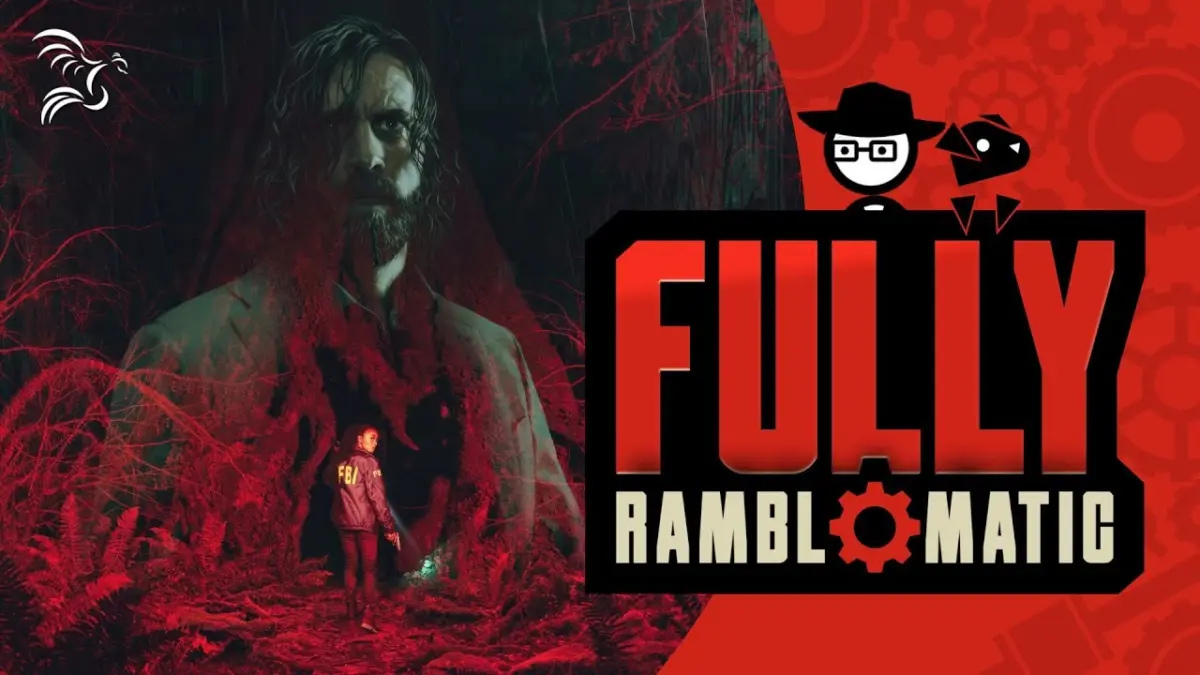
Executive Overview
In the contemporary digital landscape, video game commentary has evolved from print-exclusive enthusiast magazines into a sprawling, decentralized ecosystem of video essays, live streams, and independent creator networks. Few figures, however, have maintained the longevity, distinct voice, and cultural footprint of Ben "Yahtzee" Croshaw. Following the structural collapse and subsequent departure of talent from The Escapist, Croshaw and his peers successfully migrated to the independent YouTube channel Second Wind. Here, his seminal rapid-fire critique series—formerly known as Zero Punctuation—lives on under the banner of Fully Ramblomatic.
This transition marks more than a mere change of venue; it serves as a compelling case study in the resilience of independent creators in the modern platform economy. Croshaw’s approach to criticism—characterized by relentless speed, hyper-articulate cynicism, deeply creative insults, and a uniquely British comedic cadence—represents a masterclass in audience engagement. Far from manifesting as mere mean-spirited negativity, his style reflects a profound engagement with the medium. By demanding intellectual rigor and aesthetic ambition from multi-billion-dollar interactive products, Croshaw elevates video game critique into an art form that treats its subject matter with genuine, if fiercely expressed, respect.
Detailed Chronology: From Zero Punctuation to Fully Ramblomatic
The Print Era and the Genesis of Internet Critique
To understand the comedic and structural DNA of Croshaw’s work, one must look back to the formative years of gaming journalism. Decades ago, physical gaming magazines dominated schoolyards and hobbyist circles. In these print ecosystems, the gold standard of editorial quality often lay not merely in the body copy of the reviews, but in the acerbic wit of the screenshot captions. This particular brand of dry, cynical, and highly literate humor—steeped in a distinctly British tradition of self-deprecation and institutional skepticism—laid the subconscious groundwork for a generation of critics.
The Birth of Zero Punctuation at The Escapist
When Croshaw launched Zero Punctuation under The Escapist banner, he inadvertently revolutionized the video review format. Characterized by breakneck voiceover delivery, hand-drawn animated avatars (often featuring a cartoonish, wide-mouthed caricature of himself wearing an Australian bush hat), and the complete absence of traditional gameplay footage, the series cut through the noise of standard promotional PR cycles. Instead of catering to publisher embargoes or hyperventilating over technical minutiae, Croshaw focused strictly on the player experience, narrative coherence, and mechanical design—all delivered at a tempo that practically forced viewers to rewind just to catch every syllable.
The Sinking of the HMS Escapist and the Move to Second Wind
The stability of Zero Punctuation came to an abrupt halt following corporate restructuring and editorial disputes at The Escapist, culminating in the departure of key staff members. Rather than letting the iconic format dissolve into the corporate ether, the core creative team orchestrated a mass exodus, establishing the independent co-op channel Second Wind on YouTube.
Under this new collective model, Croshaw resurrected his signature review style under the title Fully Ramblomatic. While subtle visual updates emerged—such as the creator sporting glasses in his live-action segments—the core engine of the enterprise remained untouched: sharp writing, unsparing critiques, and an uncompromising refusal to pander to industry marketing departments.
Supporting Context & Metrics: The Anatomy of a Critique
The Mechanics of Creative Cynicism
The modern internet is saturated with cynicism. From social media outrage cycles to performative negativity, audiences have grown increasingly fatigued by content designed purely to tear things down. Yet, Croshaw’s longevity points to a crucial distinction: his criticism is meticulously constructed, highly specific, and fundamentally rooted in literary and mechanical analysis.
Consider his critique of Palworld, the survival game that captured global attention largely due to its high-concept premise of arming creature-companions with assault rifles. Rather than offering a generalized dismissal, Croshaw memorably described the process of actually executing this mechanic as requiring the player to "jump through so many hoops you feel like a spider in a bowl of Cheerios."
This is not a casual throwaway line; it is a masterclass in vivid, comedic scene-setting. A line of this caliber requires linguistic craftsmanship, elevated word choice, and precise rhythmic timing. It proves that the critic has invested actual effort into keeping the audience intellectually stimulated. When a reviewer goes to such lengths to articulate a frustration, it signals to the viewer that the medium is worth paying attention to—that video games matter enough to be meticulously dismantled when they fail.
The Rarified Air of Positive Recognition
The psychological weight of a constant stream of critique is that when Croshaw actually finds something to praise, it carries immense weight. Positive appraisal in a Fully Ramblomatic or former Zero Punctuation episode does not read as corporate appeasement or promotional compliance; it reads as hard-earned validation.
A prime historical example is his analysis of South Park: The Stick of Truth. While many critics praised the game simply for capturing the visual aesthetic of the television show, Croshaw zeroed in on its mechanical pacing. He observed that the deliberate cadence of the turn-based combat system created natural, unforced lulls that accommodated the show’s specific comedic timing and gag structure. This level of granular observation bridges the gap between mechanical design and comedic writing, deepening the consumer’s appreciation for how game systems can actively support narrative delivery.
Of course, critical infallibility is a myth. Even the most astute commentators possess blind spots—such as Croshaw’s famously contentious dismissal of Star Wars: Knights of the Old Republic. Yet, these historical missteps or eccentric personal biases only humanize the critic, turning the review archive into a long-term conversation between creator and audience rather than an objective, stone-etched decree.
Official Statements and Industry Impact
While traditional triple-A publishers rarely issue direct, official rebuttals to independent internet critics, the cultural footprint of formats like Fully Ramblomatic has profoundly shifted how developers approach public reception.
Creators and industry veterans frequently acknowledge the psychological impact of being featured in a high-profile roast. To be targeted by Croshaw’s rapid-fire delivery is viewed within the development community as a bizarre rite of passage—a sign that a game has entered the broader cultural conversation, for better or worse.
Furthermore, the migration of the The Escapist team to Second Wind prompted official statements from the creative collective emphasizing worker ownership, editorial independence, and sustainability in creator-led media. In an era where digital journalism platforms are routinely gutted by venture capital firms and corporate mismanagement, the successful launch and sustained growth of Second Wind stand as an official testament to the power of direct-to-audience patronage and creative autonomy.
Future Outlook: The Resiliency of Independent Video Analysis
As the video game industry faces ongoing structural turmoil—marked by massive corporate layoffs, studio closures, the rise of generative AI, and an oversaturated digital marketplace—the role of the independent critic is more vital than ever.
The traditional synergy between gaming PR departments and enthusiast press continues to fracture, making space for independent, personality-driven critique ecosystems to thrive. Creators operating on platforms like YouTube via co-operative models like Second Wind are charting a sustainable path forward that bypasses traditional corporate gatekeepers entirely.
For Fully Ramblomatic, the future lies in doubling down on what made the format a cultural cornerstone in the first place: uncompromising honesty, intellectual agility, and uncompromisingly witty prose. As long as video game publishers continue to release over-hyped, mechanically bloated, or creatively bankrupt titles, Ben Croshaw will never run out of material—and audiences will continue to tune in, eager to watch a spider navigate that proverbial bowl of Cheerios.






Belum ada komentar. Jadilah yang pertama berkomentar!