

Executive Overview
In late September, the digital storefront Steam seemingly solved a decades-long historical oversight. Wonder Boy in Monster Land, the legendary platform-RPG that originally captivated Japanese arcadegoers in 1987 before expanding to the Sega Master System and various microcomputers in 1988, quietly appeared on PC for the very first time. For retro gaming enthusiasts, this ought to have been a watershed moment. Yet, rather than celebrations, the listing triggered immediate suspicion, community alarms, and a fast-moving investigation into digital storefront vetting practices.
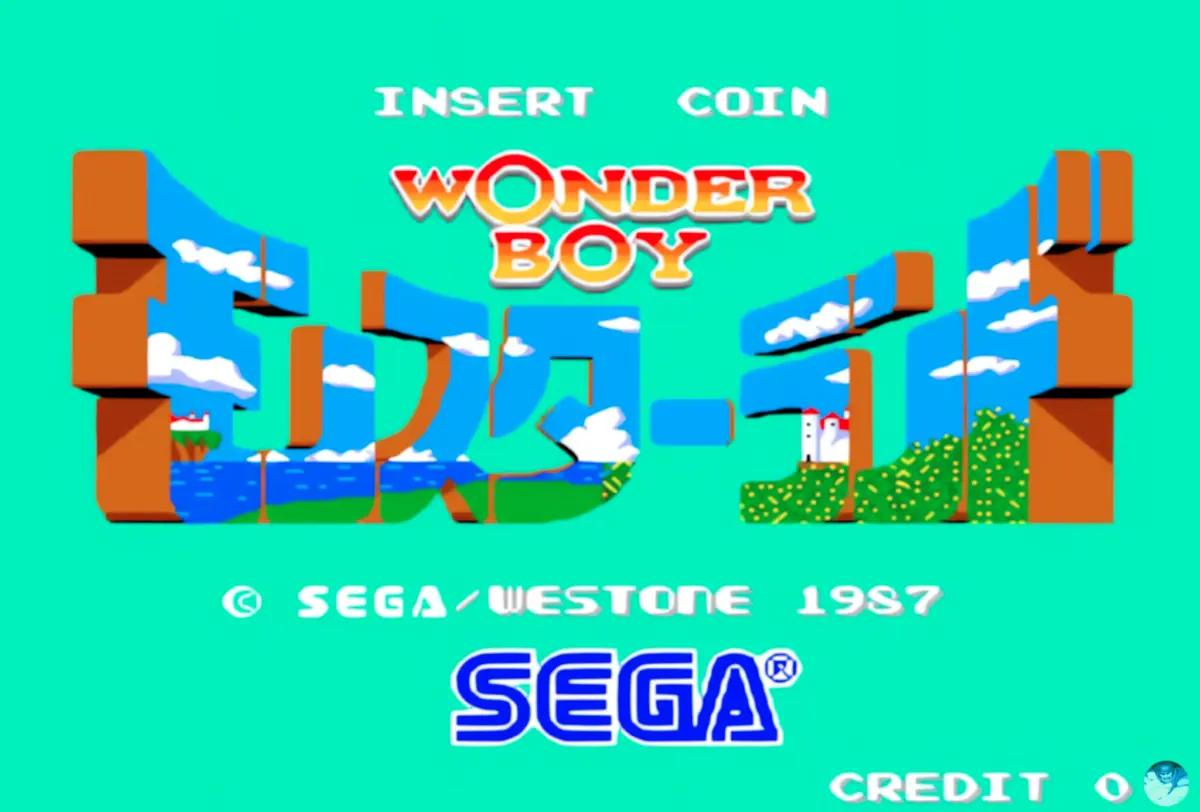
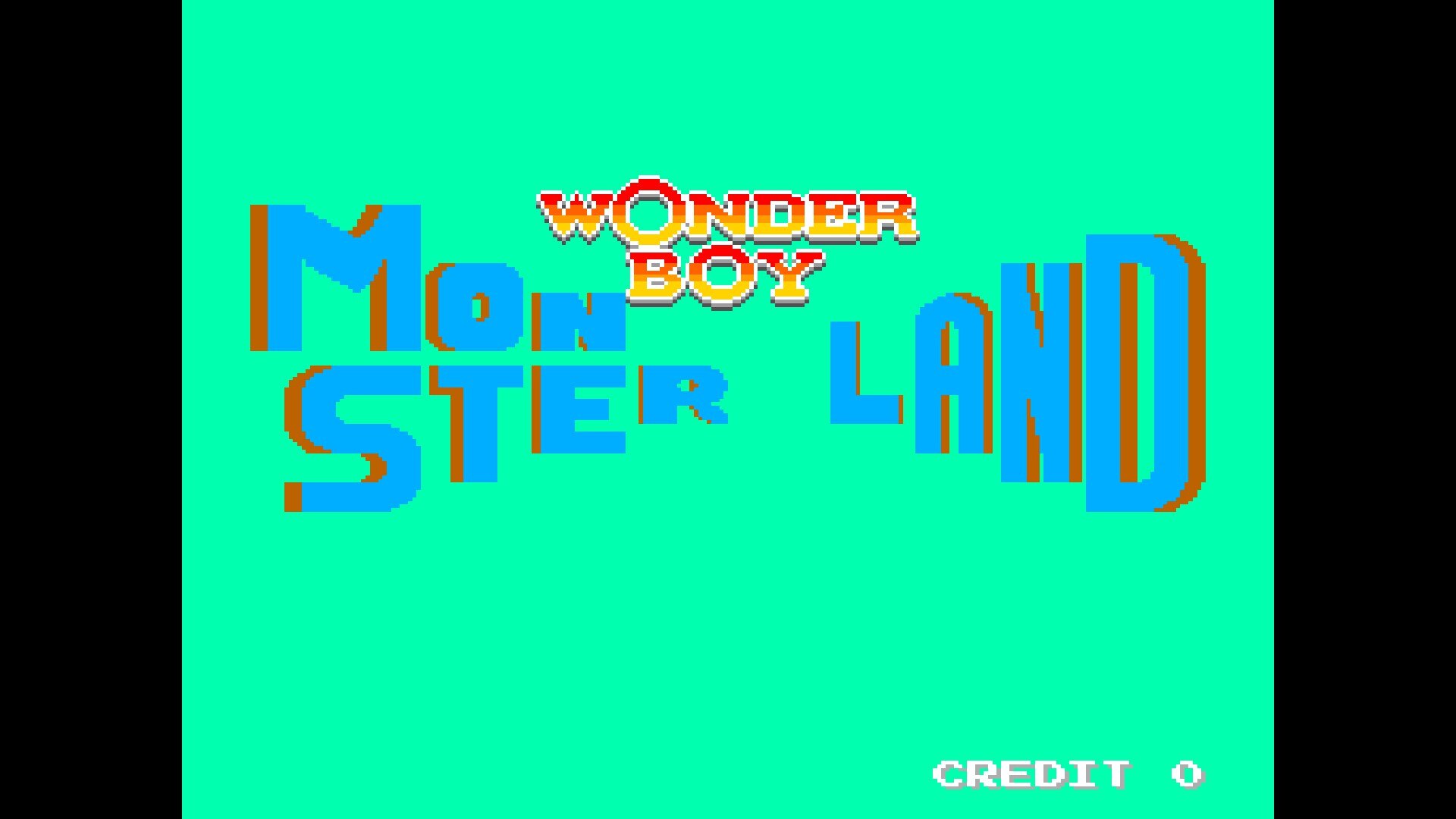
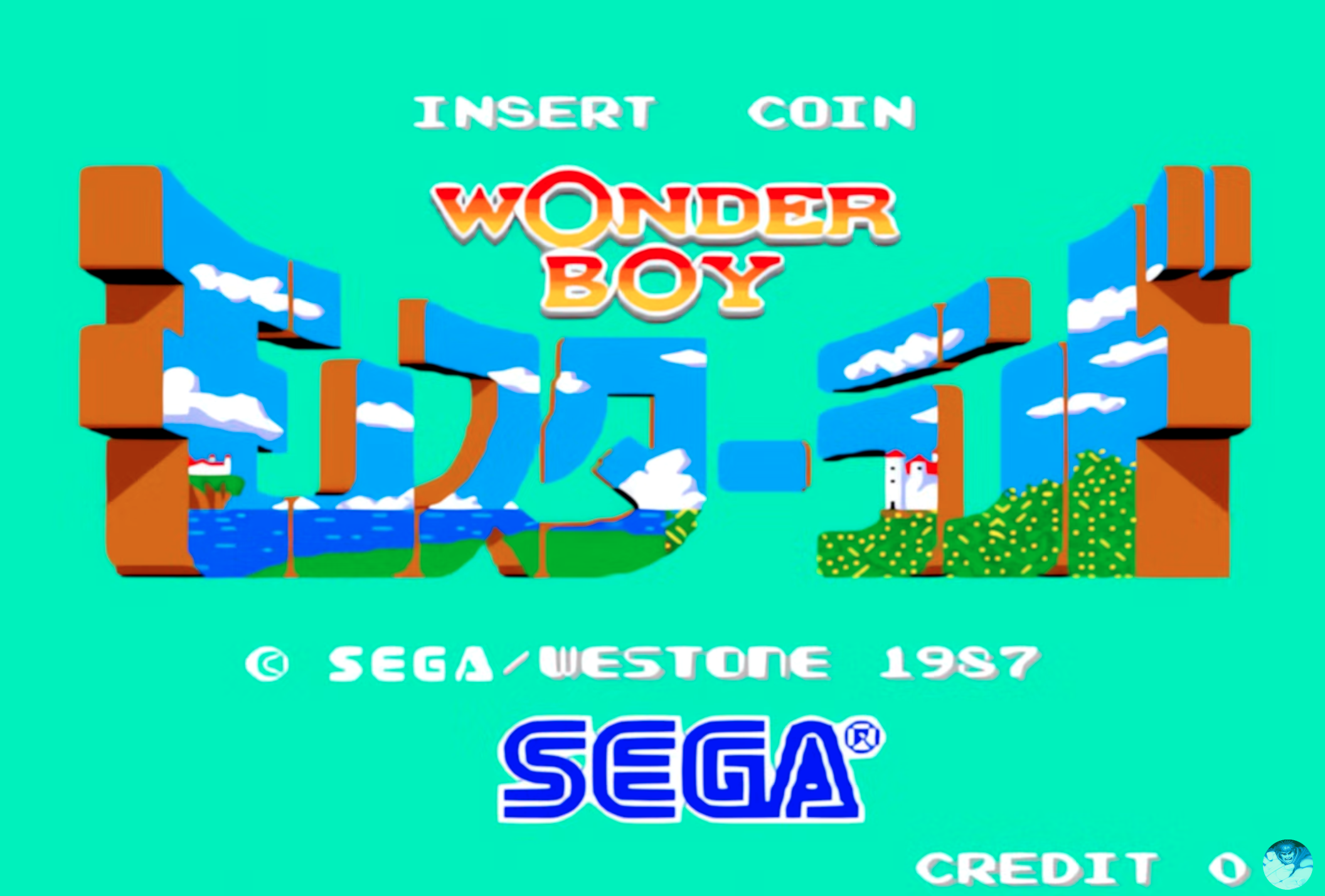
Marketed under the developer and publisher moniker "Retro Maniac," the Steam page for Wonderboy in Monster Land—complete with a rookie grammatical error in the title—quickly unraveled under basic scrutiny. Far from being a lovingly restored, officially licensed port or remaster, investigative purchases and community whistleblowing confirmed the product to be little more than a packaged MAME arcade ROM, stripped of its original Sega splash screens and monetized without the consent of the intellectual property holders.
This incident highlights deep-seated vulnerabilities in modern digital curation, the complex web of fragmented video game rights, and the apathy of major publishers toward legacy software availability. As indie publishers and copyright holders wrestle with automated moderation tools and systemic piracy, the Wonderboy debacle serves as a cautionary tale of how easy it remains to exploit brand confusion on the world’s largest PC gaming platform.
Detailed Chronology: From Arcade Cabinets to an Unsanctioned Steam Debut
The Historical Context
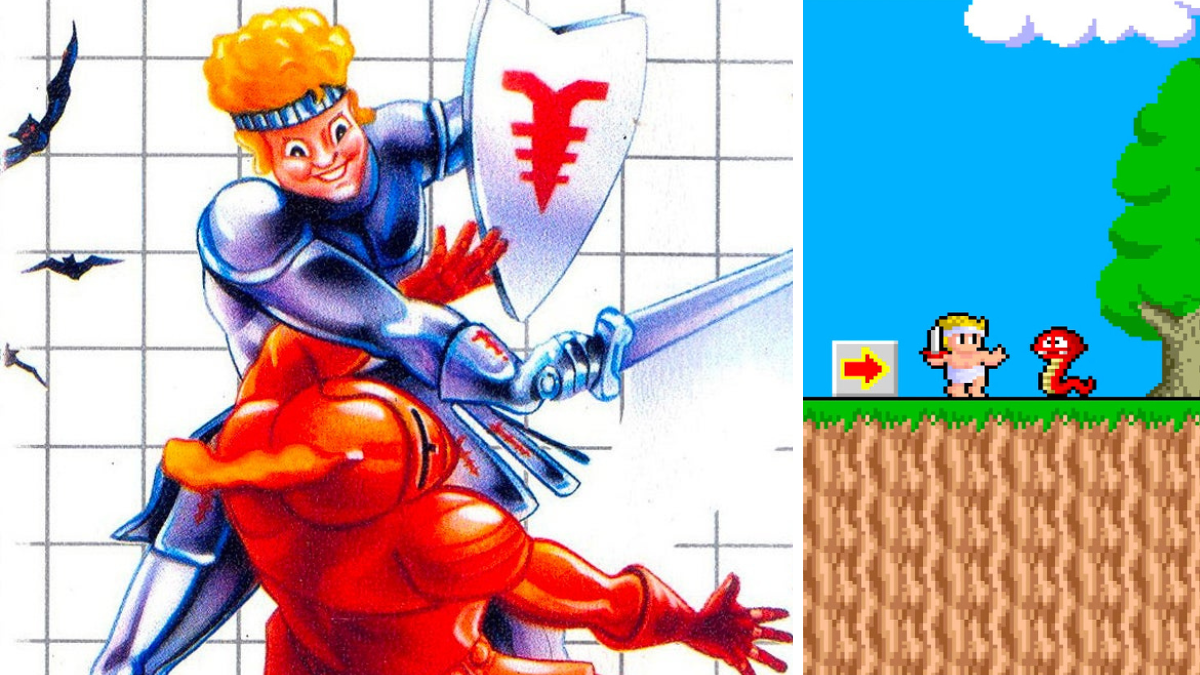
Developed by Westone Bit Entertainment and published by Sega, Wonder Boy in Monster Land revolutionized the arcade landscape by blending traditional side-scrolling platforming with lightweight action-RPG progression—introducing currency, shops, armor upgrades, and exploratory branching maps to the genre. Its immense popularity led to ports for the ZX Spectrum, Commodore 64, and Atari ST throughout the late 1980s. However, despite its enduring legacy, the game never received an official, native PC release.
The September 28 Awakening
On September 28, a sudden listing materialized on Steam under the title Wonderboy in Monster Land. Given the historic absence of the title on PC, the release immediately caught the attention of retro gaming communities, most notably the X (formerly Twitter) account Wonder Boy Universe. Administrators of the account raised the first public red flags, noting the suspicious developer credentials, the uncharacteristic lack of corporate publisher fanfare, and the distinct absence of official trademark acknowledgments.
Community Investigation and Verification
As skepticism mounted, original game composer Shinichi Sakamoto publicly weighed in on the controversy. Sakamoto corroborated the community’s suspicions, pointing out that the title was curiously region-locked out of Japan—preventing the very domestic rights holders and creators from easily observing or contesting the listing locally. Sakamoto also noted that the unauthorized release had allegedly amassed thousands of downloads before drawing formal scrutiny.
Driven by journalistic curiosity, a purchase and subsequent immediate refund of the Steam application exposed the true nature of the product:
- The Emulation Layer: Running the software revealed that it was not a compiled PC binary, but rather an unoptimized arcade ROM running inside a bundled MAME (Multiple Arcade Machine Emulator) framework.
- Asset Alteration: The most damning physical evidence of piracy was the deliberate excision of the original Sega copyright splash screen, a classic hallmark of unauthorized grey-market ROM distribution designed to obscure copyright infringement.
Despite these transparent indicators of illegitimacy, the listing remained active on Steam weeks after discovery, bypassing automated safety checks and pushing industry observers to question Valve’s oversight mechanisms.
Supporting Context & Metrics: The Legal Labyrinth of Wonder Boy
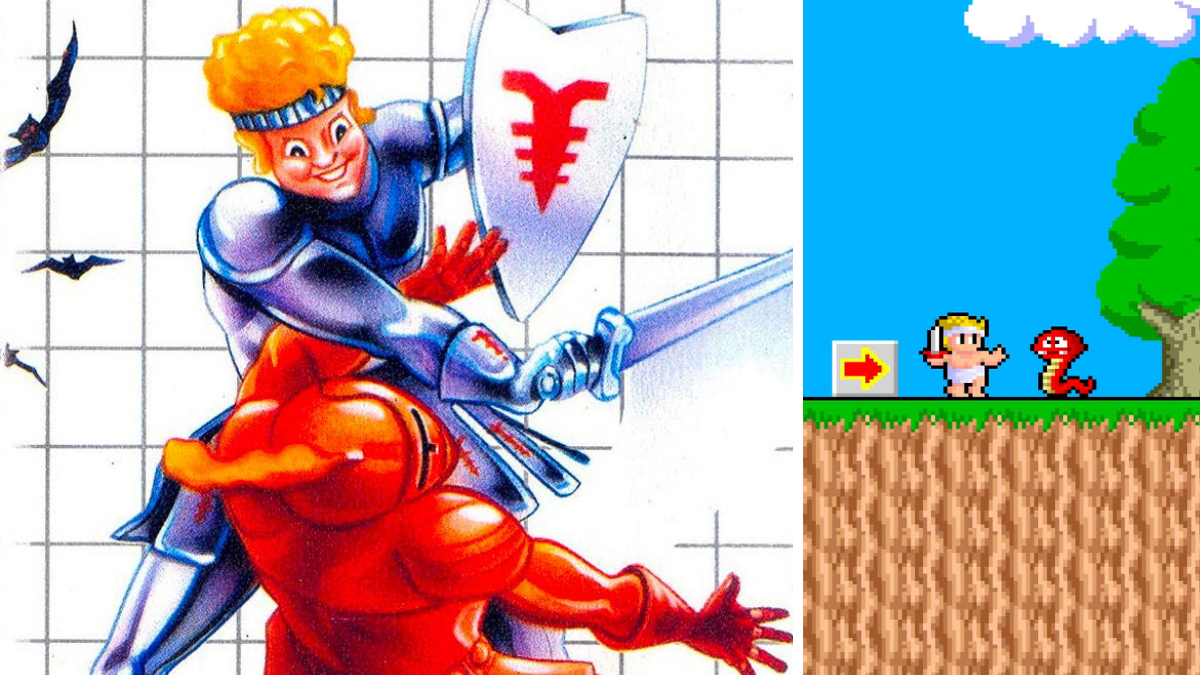
To understand how an unauthorized port of a major intellectual property could slip onto Steam, one must first navigate the notoriously convoluted ownership history of the Wonder Boy franchise.
The Split Rights Dilemma
The rights to the Wonder Boy universe are famously fractured between two distinct entities:
- LAT Corp: Holds the underlying intellectual property rights and digital assets once belonging to the now-defunct Westone Bit Entertainment.
- Sega: Holds the legal trademark to the globally recognized name "Wonder Boy."
For any legally compliant, officially licensed Wonder Boy re-release to occur, publishers must secure explicit sign-off from both LAT Corp and Sega. When this dual-approval model proves impossible, developers often resort to creative rebranding. A prime example is 2019’s Monster Boy and the Cursed Kingdom, published by FDG Entertainment. Featuring heavy involvement from original series creator Ryuichi Nishizawa, the game was spiritually and mechanically a Wonder Boy sequel, yet lacked the official Sega trademark blessing—forcing a name change to avoid litigation.
Conversely, when legitimate partnerships are forged, the resulting games wear their provenance proudly. Titles like Wonder Boy Returns Remix (developed by CFK Co., Ltd) and Wonder Boy: The Dragon’s Trap (developed by Lizardcube and published by Dotemu) feature rigorous, fully licensed branding, complete with precise legal fine print buried within their Steam system requirements.
The Retro Maniac Anomaly
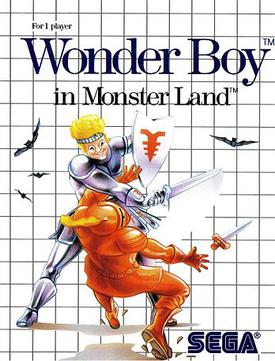
"Retro Maniac," the entity behind the Wonderboy in Monster Land Steam page, possessed a scant portfolio featuring only Street Hoop (also known as Street Slam), a 1994 arcade basketball title originally created by Data East. The publisher’s lack of corporate pedigree, combined with the misspelling of "Wonderboy" as a single word, should have tripped immediate administrative tripwires.
The situation is further exacerbated by the corporate vacuum left by official publishers. While Sega previously offered titles like Monster World via the SEGA Mega Drive and Genesis Classics collection on Steam, that package was quietly delisted in 2024. By leaving classic entries commercially unavailable on PC, major rights holders inadvertently create a fertile black market where opportunists step in to monetize abandonware-adjacent demand.
Official Statements and Industry Response
The fallout from the Wonderboy in Monster Land listing drew sharp reactions from key figures tied to the franchise’s heritage, contrasted by silence from major corporate stakeholders.
Shinichi Sakamoto’s Intervention
Composer Shinichi Sakamoto voiced his frustrations directly via social media, highlighting the unfairness of third parties capitalizing on foundational creative work without compensation or consent. Sakamoto noted:
"It turned out to be a problem that affected me directly. Apparently, it has already been downloaded thousands of times on Steam. Yet, when accessing Steam from Japan, it doesn’t show up—instead, you get a message saying, ‘This item is currently unavailable in your region.’ I am currently in the process of requesting its removal."
Sakamoto’s remarks underscored a calculated tactic often utilized by bad-faith actors: restricting geographic access to the territory of the original rights holders to delay detection and minimize legal blowback.
Platform and Publisher Silence
Formal inquiries directed toward Valve Corporation regarding their content vetting procedures yielded no immediate comment. Similarly, repeated outreach attempts directed at Sega corporate communications remained unanswered at the time of publication.
According to Valve’s published Digital Millennium Copyright Act (DMCA) compliance documentation, formal copyright takedown requests typically undergo review within a maximum window of 72 hours, though complex international intellectual property splits can extend this timeframe. Crucially, valid DMCA claims mandate a public-facing storefront notice reading: "A DMCA takedown notice has been filed on this item." The prolonged absence of this statutory notice on Retro Maniac’s page suggested that official legal channels were either moving slowly or that formal paperwork had yet to clear Valve’s legal desk.
Future Outlook: Protecting PC Storefronts from Grey-Market Exploits
The ease with which an unverified publisher packaged a freely available arcade ROM, slapped a misspelled title on it, and deployed it onto the world’s premier PC distribution platform lays bare the systemic vulnerabilities of digital curation in the mid-2020s.
While mobile storefronts have long battled an endless wave of bootlegged abandonware and asset-flipped clones, Steam’s curated image has historically provided a stronger bulwark against such bad-faith intrusions. However, as automated store onboarding continues to scale down human friction, bad actors are increasingly testing the boundaries of algorithmic moderation.
Key Takeaways for the Industry
- The Need for Proactive Curation: Automated tag checks and developer background verifications must become more rigorous, particularly for established retro franchises carrying complex intellectual property histories.
- The Danger of Vacuum Economics: When major publishers like Sega allow legal, digital access to classic libraries to lapse—such as the 2024 delisting of their Genesis collections—they inadvertently stimulate consumer demand that unregulated third parties are eager to exploit.
- Consumer Vigilance: Until storefront operators implement stringent provenance requirements for historical software releases, the burden of policing digital marketplaces will continue to fall upon dedicated fan communities, original creators, and independent watchdogs.
As the dust settles on the Wonderboy in Monster Land incident, the listing stands as an embarrassing reminder that digital preservation and intellectual property protection remain locked in an uneasy tug-of-war. For retro enthusiasts navigating Steam, the golden rule of caveat emptor has never been more relevant.








Belum ada komentar. Jadilah yang pertama berkomentar!