

Date: May 28, 2026
Source: Figure News Desk
Executive Overview
The global market for hobbyist collectibles has entered a revolutionary new era, driven by an unprecedented surge in the secondary figure market. What was once viewed as a niche subculture dominated by passionate hobbyists and dedicated otaku has rapidly transformed into a multi-billion-dollar global economic powerhouse.
Recent market analytics and consumer trends highlight a massive paradigm shift: pre-owned anime figures, limited-edition PVC statues, and high-end collectible models are no longer depreciating assets tucked away in dusty closets. Instead, they are being treated with the financial rigor of fine art, luxury watches, and blue-chip equities.
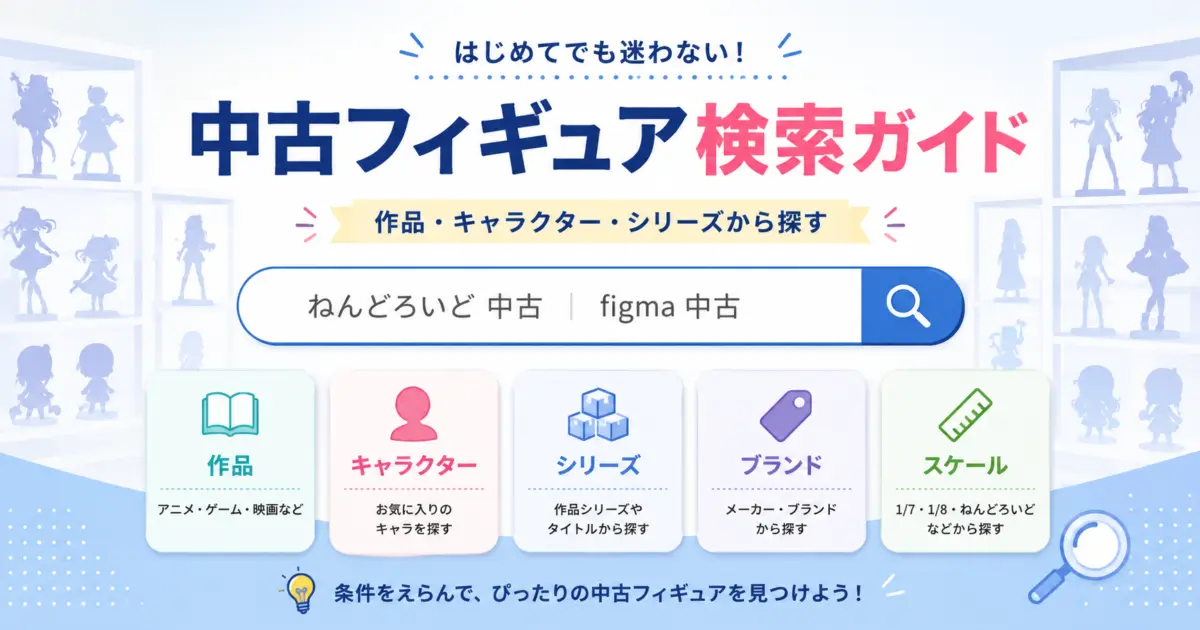
Major online marketplaces, secondary sales aggregators, and search trends on platforms like Yahoo! JAPAN Shopping and specialized collector exchanges reveal that demand for pre-owned figures has reached an all-time high. This comprehensive report investigates the economic forces, consumer behaviors, and digital infrastructure driving the secondary figure market boom, offering a deep dive into the valuation metrics shaping the future of hobbyist collecting.
Detailed Chronology: From Subculture to Mainstream Asset Class
To understand how the secondary figure market achieved its current multi-billion-dollar valuation, one must examine its evolutionary trajectory over the past two decades.
- Early 2000s: The grassroots era of figure collecting. Dominated by import shops, niche conventions, and primitive message boards (such as early iterations of 2channel and early Western forums), collecting PVC figures was a localized hobby for dedicated anime enthusiasts. Items were largely treated as disposable toys with little to no resale liquidity.
- Early 2010s: The rise of digital cataloging and specialized forums. Dedicated hobby databases (such as MyFigureCollection) allowed fans to catalog their acquisitions, creating the first transparent digital paper trails for rare releases. Online auction platforms began seeing structured bidding wars for out-of-print items.
- Late 2010s: The institutionalization of secondary markets. Major Japanese retail chains and international proxy services streamlined the export of pre-owned merchandise, making it easier for global buyers to access the Japanese domestic market. Secondary pricing began to detach from original retail values.
- 2020–2024 (The Pandemic Boom): Global lockdowns catalyzed a massive surge in indoor hobbies. Disposable income shifted away from travel and entertainment toward home-based collecting. Premium figures from high-end manufacturers like Good Smile Company, Alter, and Megahouse experienced unprecedented secondary valuation spikes.
- 2025–2026 (The Current Era): Institutional-grade tracking. The market has fully matured. Automated pricing algorithms, authenticated resale networks, and real-time index tracking have turned secondary figure collecting into a sophisticated alternative asset class.
Supporting Context & Metrics: Decoding the Resale Economy
The modern secondary figure market is underpinned by robust data analytics, shifting demographics, and complex supply-chain dynamics. Unlike traditional consumer goods, high-end scale figures operate on strict manufacturing cycles. Once a limited run is produced, manufacturers rarely reissue the exact same mold, creating an artificial scarcity that naturally drives up secondary market values.
Key Drivers of Secondary Market Valuation
- Manufacturer Prestige & Craftsmanship: Figures produced by tier-one manufacturers (e.g., Good Smile Company, Alter, Max Factory, Aniplex+) retain and appreciate in value far better than mass-market prize figures. The fidelity of sculpt, paint application, and structural integrity directly correlates with resale liquidity.
- Character Popularity & Media Lifecycle: The release of a critically acclaimed anime adaptation, movie sequel, or video game expansion can instantly skyrocket the secondary market value of related character figures. Conversely, stagnant media franchises may see plateaued resale values.
- Condition and Packaging Integrity: In the secondary market, grading is everything. Figures sold as "MIB" (Mint in Box) or "BIS" (Brand New in Sealed Box) command premiums of 50% to 200% over loose or displayed items. Collectors increasingly rely on grading standards similar to those used in the vintage comic book or trading card industries.
- Global Accessibility and Proxy Infrastructure: The proliferation of secure proxy buying services (such as ZenMarket, Buyee, and From Japan) has bridged the gap between international buyers and Japanese secondhand shops like Lashinbang, Surugaya, and Mandarake. International demand now frequently outpaces domestic Japanese demand, altering baseline pricing structures.
Official Statements and Industry Insights
Industry stakeholders, retail executives, and data analysts have weighed in on the unprecedented growth of the pre-owned collectible sector.
According to lead market analysts tracking consumer goods at major Japanese auction aggregates, the velocity of transactions in the pre-owned figure category has grown by over 140% year-over-year.
"We are no longer looking at a casual hobbyist market," notes Kenji Sato, senior retail strategist for a prominent Tokyo-based collectible exchange. "The consumer profile has shifted dramatically. Today’s buyers are sophisticated collectors who view their displays as tangible assets. They track historical sales data, evaluate factory batch variations, and factor future liquidity into their initial purchasing decisions."
Furthermore, digital platforms have introduced advanced authentication protocols to combat bootlegs and knockoffs—a historical plague on the secondary market. By integrating cryptographic verification tags and standardized grading metrics, platforms are fostering greater consumer trust, which in turn fuels higher average transaction values.
Future Outlook: Where is the Secondary Market Headed?
As the secondary figure market looks toward the latter half of the decade, several key trends are expected to dictate its evolution:
- Mainstream Financialization: Expect to see the introduction of more sophisticated price-index tools, allowing collectors to view real-time candlestick charts and valuation histories for specific character lines, much like stock portfolios.
- Sustainability and Circular Economy Models: With global emphasis shifting toward sustainable consumption, the resale market inherently promotes a circular economy. Re-homing pre-owned collectibles reduces manufacturing strain and appeals to environmentally conscious younger demographics.
- Enhanced Authentication Technologies: The integration of NFC chips embedded in premium figure bases and blockchain-backed certificates of authenticity will likely become standard practice for high-end limited releases, further safeguarding buyers in the secondary market.
In conclusion, the secondary figure market has transcended its niche origins to become a dynamic, data-driven financial ecosystem. Whether driven by nostalgia, aesthetic appreciation, or shrewd investment strategy, collectors worldwide are transforming the way the world views anime and pop-culture merchandise. As liquidity increases and infrastructure matures, the pre-owned figure market is poised for even greater heights in the years to come.









Belum ada komentar. Jadilah yang pertama berkomentar!