

Publication Date: May 28, 2026
Category: Collectibles & Secondary Market Intelligence
Reading Time: 8–10 Minutes
Executive Overview
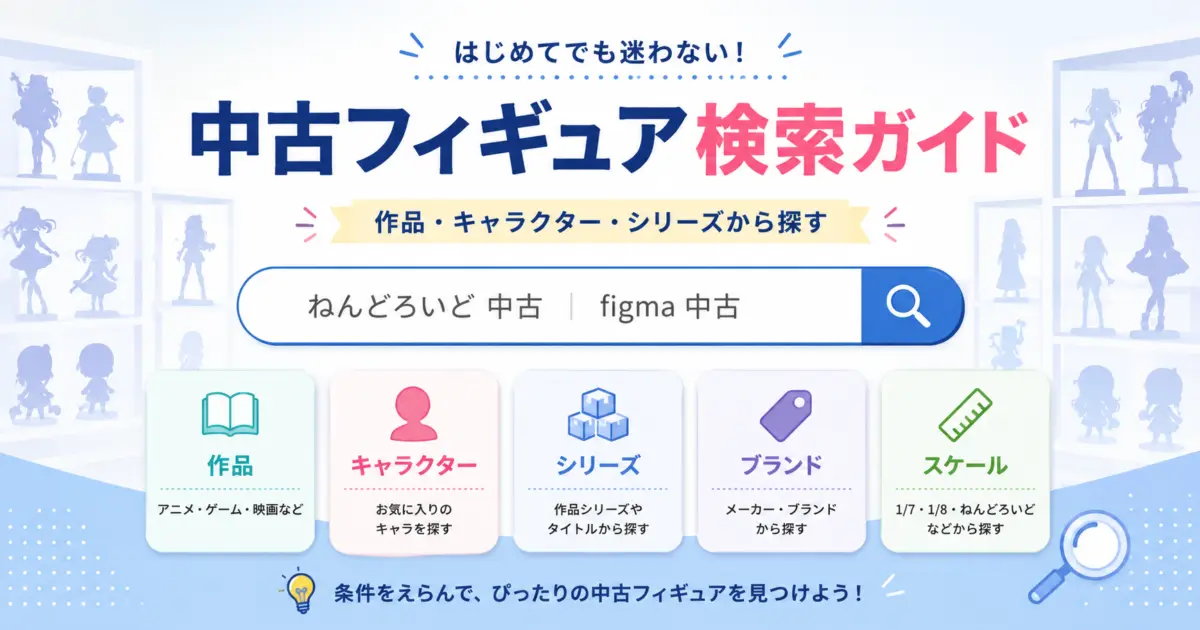
The global market for pop culture collectibles has experienced an unprecedented surge over the past decade, evolving from a niche hobby into a multi-billion-dollar global industry. At the heart of this expansion lies the thriving secondary market, where collectors buy, sell, and trade pre-owned figures.
Driven by limited production runs, soaring retail prices for newly released items, and a rapidly expanding global fanbase, secondary market platforms—ranging from peer-to-peer marketplaces to specialized auction houses and dedicated reuse shops—have seen historic transaction volumes. This comprehensive guide delves into the mechanics of the pre-owned figure market, analyzing pricing trends, platform reliability, authentication standards, and strategic advice for both buyers and sellers looking to navigate this dynamic ecosystem.
Detailed Chronology: The Evolution of the Pre-Owned Figure Market
To understand the current state of the secondary market, one must examine how it transitioned from casual hobbyist exchanges on internet forums to sophisticated, digitized marketplaces.
Phase 1: The Early Days of Forums and Direct Trades (Late 1990s – Mid 2000s)
Before dedicated collector marketplaces existed, secondary trading relied primarily on online message boards, niche forums, and auction sites like Yahoo! Auctions Japan and eBay. Transactions were largely trust-based, with buyers sending money orders or international wire transfers directly to sellers. The process carried significant risk, lacking standardized grading, buyer protection policies, or verified authentication mechanisms.
Phase 2: The Rise of Specialized Platforms (Late 2006 – 2015)
As the popularity of anime, gaming, and cinematic franchises exploded worldwide, the demand for high-end PVC and resin figures skyrocketed. This period saw the establishment of dedicated reuse shops and localized collector-to-collector portals. Platforms began implementing safer payment gateways and basic user-feedback systems, laying the groundwork for greater market transparency.
Phase 3: The Digital Boom and Global Integration (2016 – Present)
Today, secondary market platforms utilize advanced search algorithms, automated currency converters, and international shipping integrations that connect buyers and sellers across continents instantly. Brands like Good Smile Company, Alter, and Megahouse command robust aftermarket values, turning rare figures into legitimate alternative assets. However, this growth has also introduced challenges, including counterfeit products and volatile pricing fluctuations.
Supporting Context & Metrics: Market Drivers and Valuation Trends
The valuation of a pre-owned figure is governed by several core economic principles: supply, demand, manufacturer reputation, and condition.
Key Valuation Factors
- Scarcity and Limited Runs: Figures produced as limited editions or exclusive convention releases often appreciate significantly in value after their initial retail window closes.
- Manufacturer Prestige: Brands renowned for meticulous quality control—such as Max Factory, Alter, and native Figma or Nendoroid lines—tend to retain or increase their value more reliably than mass-market alternatives.
- Condition and Packaging: Items sold "MIB" (Mint in Box) or "BIS" (Brand in Sealed box) command a substantial premium over loose or unboxed figures. Missing accessories, sun damage, or box creases can dramatically reduce a collectible’s resale value.
Current Market Insights
Recent data from major secondary platforms indicates that scale figures (1/7 and 1/8 scales) originating from popular anime franchises continue to outperform static chibi or non-scale variants. Furthermore, the integration of real-time price tracking tools has allowed collectors to monitor historical sales data, minimizing the risk of overpaying or undervaluing rare pieces.
Official Statements and Platform Governance
As the stakes in the pre-owned collectible market have risen, major platforms and regulatory bodies have stepped up efforts to protect consumers and maintain market integrity.
Authentication and Anti-Counterfeit Measures
The proliferation of bootleg figures—particularly from overseas manufacturing hubs—remains a major concern for both primary manufacturers and secondary marketplaces. Industry leaders have responded by implementing strict authentication guidelines:
- Holographic Seals of Authenticity: Premium manufacturers now embed micro-holograms and serial numbers on packaging.
- Platform Verification: Secondary marketplaces now require detailed photographs of box seals, copyright stamps, and specific mold markings before listing high-value items.
- Buyer Protection Policies: Leading resale networks offer escrow services, holding funds until the buyer verifies the authenticity and condition of the received item.
"The secondary market is no longer just a backyard swap meet; it is a global financial ecosystem built on passion, nostalgia, and precision valuation. Ensuring transparency and trust is paramount to sustaining this growth." — Industry Market Analyst
Future Outlook: Navigating the Market Ahead
As we look toward the future of collecting, several key trends are set to shape the secondary market landscape:
- Increased Digitization and AI Valuation: Expect to see machine-learning algorithms deployed to instantly appraise figure conditions and market values based on upload imagery and historical sales data.
- Stricter Cross-Border Regulations: As international trade of pop culture goods grows, customs and tax compliance will likely tighten, affecting how cross-border peer-to-peer sales are taxed and shipped.
- Sustainable Collecting: With environmental consciousness rising, the reuse and resale of pre-owned figures will increasingly be viewed not just as a financial choice, but as a sustainable way to enjoy the hobby while reducing manufacturing footprints.
Whether you are a seasoned collector liquidating parts of your collection or a newcomer searching for a grail piece that missed your initial pre-order window, understanding the nuances of the secondary market is the key to safe, successful, and rewarding transactions.




Belum ada komentar. Jadilah yang pertama berkomentar!