

Executive Overview
Nestled in the heart of Mie Prefecture, flanked by the historical heavyweights of Kyoto and Nara, lies Matsusaka City—a destination where the pulse of feudal Japan still echoes through preserved merchant quarters, ancestral estates, and centuries-old artisan traditions. While modern travelers often recognize Matsusaka solely for its world-renowned, marbled beef, the city’s true narrative is deeply rooted in its legacy as an economic powerhouse of the Edo period (1603–1867).
Once flourishing as a privileged sanctuary of wealthy merchants (gōshō) who dominated the commercial hubs of Edo (modern-day Tokyo), Matsusaka served as the cradle for some of Japan’s most formidable financial dynasties. Today, the city offers an immersive, living museum experience. Visitors can traverse impeccably preserved residences, marvel at architectural masterworks, drape themselves in authentic indigo-dyed Matsusaka momen cotton, and indulge in culinary masterpieces at legendary local institutions. This report offers an exhaustive guide to planning a historical and cultural day trip or weekend getaway to Matsusaka City, synthesizing architectural heritage, textile arts, and high-end gastronomy into a singular, cohesive itinerary.

Detailed Chronology & Historical Itinerary
1. The Ozu Seizaemon Family Mansion: A Gaze into Edo-Period Mercantile Life
The journey into Matsusaka’s mercantile golden age begins at the former estate of Ozu Seizaemon, a titan of industry who once reigned as the largest paper wholesaler in Edo. Designated as a tangible cultural property by Mie Prefecture and a historic site by Matsusaka City, this sprawling compound offers an unvarnished look at how elite merchant families lived and operated.
Spanning a main residence, a primary storehouse, and a front storehouse built in classic Edo-period townhouse architecture, the museum preserves the intricate domestic and commercial machinery of a 17th-century enterprise. Visitors can walk the polished wooden corridors, inspect historical ledgers, and observe the clever architectural defenses and organizational efficiencies that kept vast trading networks afloat.

- Address: 2195 Honmachi, Matsusaka City, Mie Prefecture 515-0081
- Opening Hours: 9:00 – 17:00 (Last entry at 16:30)
- Closed: Wednesdays (or the following weekday if Wednesday is a national holiday), New Year’s holidays
- Admission Fee: Adults: 200 yen | Ages 6–18: 100 yen
- Access: Approximately a 10-minute walk from JR/Kintetsu Matsusaka Station
2. The Birthplace of the Mitsui Family and the Wealthy Merchant Pocket Park
No exploration of Japanese economic history is complete without acknowledging the Mitsui family, founders of the Mitsui Zaibatsu—a conglomerate that laid the bedrock for modern Japanese industry and continues to wield significant economic influence today. The patriarch of this dynasty, Mitsui Takatoshi (1622–1694), was born right here in Matsusaka.
While the historic birthplace site itself—marked by a commemorative monument and the very well used for Takatoshi’s first bath—is typically closed to the general public, travelers can fully engage with this legacy at the adjacent Wealthy Merchant Pocket Park.

Marked by a magnificent lion statue, the park serves as a bridge between Matsusaka’s past and global commerce. The statue is a direct replica of the iconic bronze lions guarding Nelson’s Column in London’s Trafalgar Square, modeled after the symbol of Mitsukoshi Department Store—which evolved from Echigoya, the dry-goods store founded by Takatoshi in Edo. Local folklore suggests that sitting astride the bronze lion brings good fortune and makes wishes come true, offering a playful yet historically charged photo opportunity.
- Address: 2176-10 Honmachi, Matsusaka City, Mie Prefecture 515-0081
- Access: Approximately a 10-minute walk from JR/Kintetsu Matsusaka Station
3. The Hasegawa Family Residence: Cotton Fortunes and Tranquil Gardens
Moving from paper and banking to textiles, the Hasegawa family stands alongside the Mitsui and Ozu clans as one of Matsusaka’s triad of supreme merchant dynasties. Operating the prestigious cotton wholesale house known as "Tamba," the Hasegawa family accumulated staggering wealth, which they channeled into architectural elegance and cultural patronage.

The Hasegawa Family Residence is much more than a collection of historic buildings; it functions as a comprehensive archive housing vast quantities of commercial documents, ancient manuscripts, and trade records. These artifacts provide invaluable primary source material for historians studying the Edo-period economy.
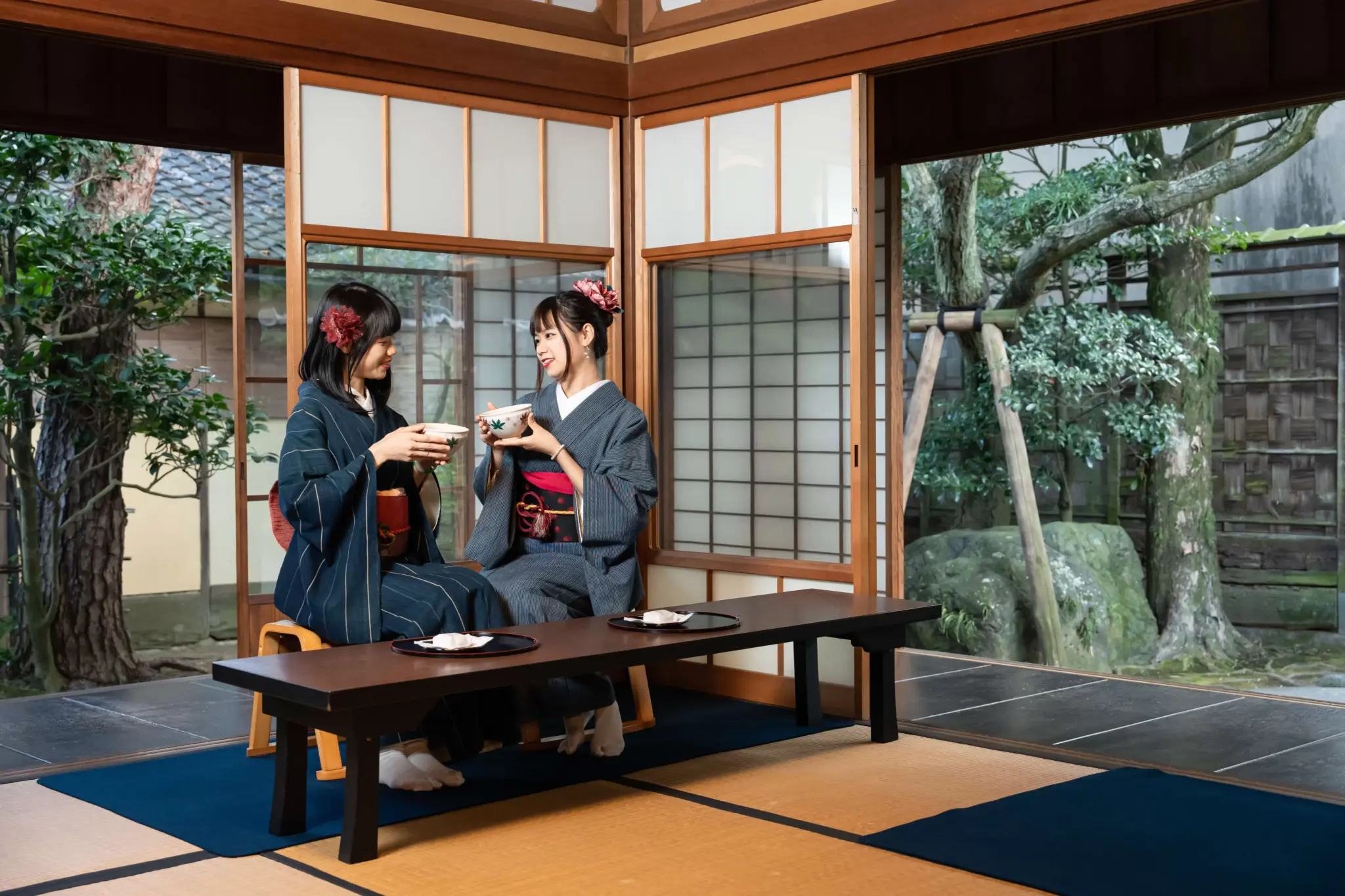
Beyond its scholarly value, the estate delights the senses. Visitors can pause their tour to sip authentic, freshly whisked matcha green tea while gazing out upon a meticulously manicured, quaint Japanese garden. The grounds are particularly breathtaking from late November to early December, when the autumn foliage transforms the garden into a canvas of fiery reds and golds. The estate holds designations as a Nationally Designated Important Cultural Property, as well as a Mie Prefecture Designated Historic Site and Scenic Spot.

- Address: 1653 Uomachi, Matsusaka City, Mie Prefecture 515-0082
- Opening Hours: 9:00 – 17:00 (Last entry at 16:30)
- Closed: Wednesdays (or the following weekday if Wednesday is a national holiday), New Year’s holidays
- Admission Fee: Adults: 400 yen | Ages 6–18: 200 yen
- Access: Approximately a 10-minute walk from JR/Kintetsu Matsusaka Station
Supporting Context & Metrics: The Phenomenon of Matsusaka Momen
To truly understand Matsusaka’s economic dominance during the feudal era, one must examine Matsusaka momen (Matsusaka cotton). This celebrated fabric was introduced to the Edo market by enterprising local merchants like the Hasegawa family, quickly becoming an indispensable fashion statement for the urban commoner class.
Textile Heritage and Production Metrics
- The Weave: Matsusaka cotton is crafted from yarn dyed entirely with natural indigo, featuring a sophisticated striped pattern known as Matsusakajima. From a distance, garments woven from this fabric appear deceptively simple and solid-colored, but upon closer inspection, intricate, chic variations in the stripes emerge.
- Market Dominance: During the Edo period—at a time when the population of Edo was estimated at roughly one million—Matsusaka momen achieved staggering commercial saturation. Historical records indicate that over 500,000 bolts of this cotton fabric were shipped annually from Matsusaka to the capital.
Modern Preservation: The Matsusaka Cotton Hand-Weaving Center
Today, the tradition is kept alive at the Matsusaka Cotton Hand-Weaving Center, located on the first floor of the Matsusaka City Industrial Promotion Center. Here, visitors can purchase handmade products crafted from authentic Matsusaka momen and even participate in hands-on weaving workshops (fees apply) to try their hand at the traditional loom techniques that built the city’s fortune.

- Address: 1F Matsusaka City Industrial Promotion Center, 2176 Honmachi, Matsusaka City, Mie Prefecture 515-0081
- Opening Hours: 9:00 – 17:00
- Closed: Tuesdays
- Access: Approximately a 10-minute walk from JR/Kintetsu Matsusaka Station
Official Statements & Cultural Incentives: Stepping Back in Time
In an effort to revitalize heritage tourism and encourage immersive cultural engagement, local tourism authorities and municipalities have rolled out specialized programs connecting modern visitors directly with the city’s textile heritage.
The Matsusaka Momen Kimono Rental Initiative
Travelers looking to elevate their sightseeing experience can rent authentic Matsusaka momen kimonos through the local tourism bureau’s designated centers. Draped in the chic indigo stripes, visitors can stroll down the same historic alleyways once trodden by feudal merchants and samurai guards.

Municipal Incentive Program: To encourage this historical immersion, the City of Matsusaka offers free admission to several premier cultural and historical facilities for any visitor wearing a Matsusaka momen kimono.
Applicable Facilities for Free Entry:

- Motoori Norinaga Memorial Museum
- Matsusaka City Cultural Properties Center
- Matsusaka City History and Folklore Museum
- Matsuura Takeshiro Memorial Museum
"Walking down the impeccably preserved historical streets clad in an authentic indigo kimono offers an uncanny sensory illusion. It is not merely sightseeing; it feels precisely like traveling back in time to the height of the Tokugawa shogunate." — Local Tourism Bureau Advisory
Culinary Finale: Savoring Legendary Matsusaka Beef at "Wadakin"
No journey to Matsusaka is culturally or gastronomically complete without confronting its most famous modern export: Matsusaka beef, universally celebrated as one of Japan’s three premier Wagyu varieties (alongside Kobe and Omi beef). Characterized by its extraordinarily fine, snowflake-like marbling, rich aroma, and melt-in-the-mouth texture, genuine Matsusaka beef is a masterclass in cattle-raising art.

While numerous establishments throughout the city serve this culinary treasure, discerning gourmands invariably make their way to "Wadakin," a long-established, historic sukiyaki institution that draws dedicated food enthusiasts from across the nation and beyond.
Dining Experience at Wadakin
Wadakin specializes in traditional sukiyaki, where expertly trained servers cook thick, exquisitely marbled slices of Matsusaka beef at your table in a shallow iron pan using a carefully balanced blend of sugar, soy sauce, and mirin. The result is an intensely flavorful, buttery dish that elevates beef consumption to a high art form.

- Address: 1878 Kyomachi, Matsusaka City, Mie Prefecture 515-0083
- Business Hours:
- Weekdays: 11:30 – 19:00 (Last order at 20:00 / Closing at 21:00)
- Weekends & Holidays: 11:00 – 19:00 (Last order at 20:00 / Closing at 21:00)
- Closed Days: Vary; visitors are strongly advised to check the Official Wadakin Website prior to arrival.
- Access: Approximately a 10-minute walk from JR/Kintetsu Matsusaka Station
Future Outlook & Visitor Resources
Matsusaka City stands as a compelling counter-narrative to Japan’s hyper-modernized urban centers. By successfully marrying structural preservation with interactive cultural policies—such as the kimono rental free-admission incentives—the city ensures that its Edo-period heritage remains dynamic, accessible, and economically vital.
Whether you are planning a half-day historical excursion or an extended weekend culinary retreat, Matsusaka invites you to step off the beaten Shinkansen path and experience the living, breathing roots of Japanese commerce, textile craftsmanship, and culinary excellence.






Belum ada komentar. Jadilah yang pertama berkomentar!