

Executive Overview
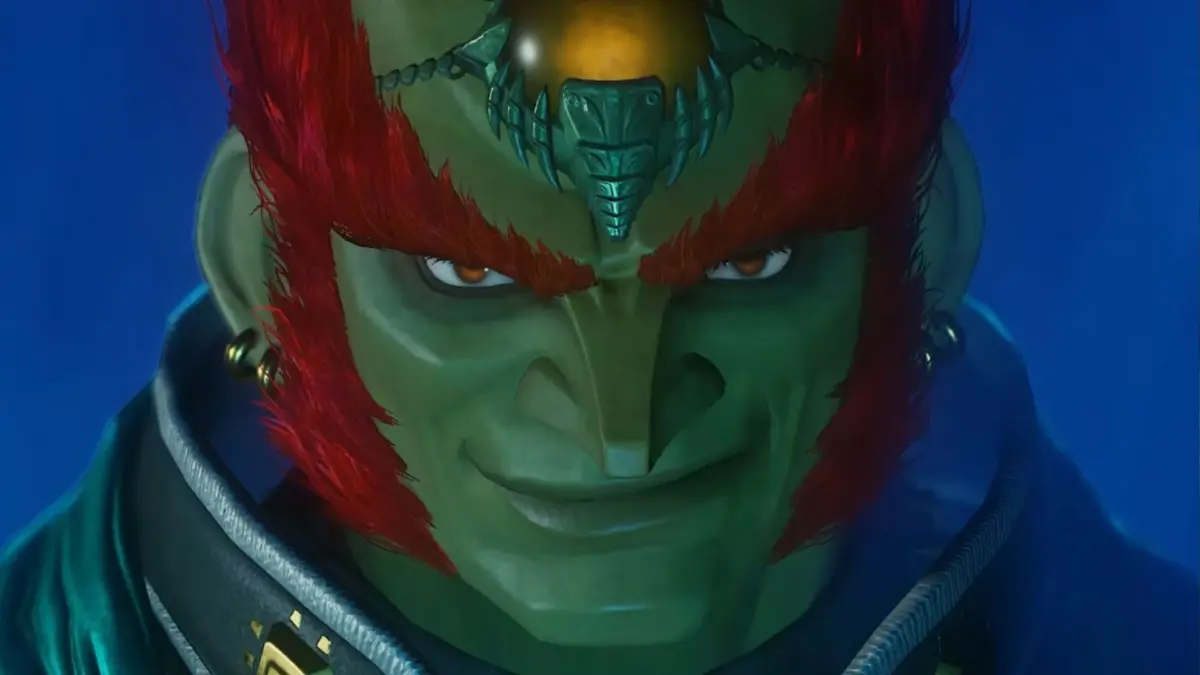
A sudden, unannounced video release has sent shockwaves through the global interactive entertainment industry. A fleeting 30-second promotional trailer silently surfaced on Nintendo’s official Japanese YouTube channel, offering the public its first definitive look at a ground-up remake of The Legend of Zelda: Ocarina of Time. Designed for Nintendo’s highly anticipated next-generation hardware platform—colloquially dubbed the "Switch 2"—the video footage confirms that one of the most critically acclaimed video games in history is undergoing a comprehensive visual and mechanical overhaul.
Although brief, the teaser provides concrete evidence of a total architectural modernizing of the 1998 classic. Highlights include high-fidelity real-time rendering, redesigned core character models—including Sheik, Saria, and Dark Link—and a fundamental structural overhaul to horseback combat systems. Strangely, this media asset was restricted exclusively to Nintendo’s domestic Japanese portal, omitting synchronous releases across Nintendo of America and Nintendo of Europe distribution networks.
This investigative analysis dissects the frame-by-frame revelations contained within the 30-second drop, evaluates the technical and gameplay shifts away from the original Nintendo 64 architecture, examines Nintendo’s historically enigmatic regional marketing strategies, and explores the broader strategic implications for the company’s upcoming hardware rollout.
Detailed Chronology & Technical Analysis
+-----------------------------------------------------------------------------------+
|                        TIMELINE OF TEASER DISCOVERY & CONTENT                     |
+-----------------------------------------------------------------------------------+
| 00:00 - Unannounced drop on Nintendo's official Japanese YouTube channel         |
| 00:05 - Atmospheric opening: Ganondorf playing the massive pipe organ              |
| 00:12 - High-polygon renders revealed: Young Link at the Great Deku Tree           |
| 00:18 - Character reveals: Saria and redesigned Sheik featuring dynamic ponytail  |
| 00:22 - Blink-and-you'll-miss-it frame: Dark Link encounter preview                |
| 00:26 - Mechanical shift: Dynamic third-person mounted archery aboard Epona      |
| 00:30 - Video concludes without formal release window or western localization     |
+-----------------------------------------------------------------------------------+
The localized video upload appeared without advance press notices or public relations briefings, triggering immediate archival and analysis by industry researchers and enthusiasts worldwide. Despite its 30-second runtime, the trailer establishes key stylistic and structural departures from both the original 1998 Nintendo 64 release and the 2011 stereoscopic Nintendo 3DS remaster (Ocarina of Time 3D).
Frame-by-Frame Breakdown
1. Atmospheric Prelude: Ganondorf’s Organ Performance
The teaser opens with a atmospheric sequence featuring the series antagonist, Ganondorf, playing a towering pipe organ inside Ganon’s Castle. Visually, the scene demonstrates advanced volumetric lighting, dynamic shadows, and high-density polyhedral architecture. The audio fidelity indicates a completely re-recorded, fully orchestrated rending of the original MIDI soundtrack, establishing a dark tone for the project.
Original N64 Architecture (1998)          Next-Gen Switch 2 Engine Target
+--------------------------------+       +--------------------------------+
| Static Textures & Fixed Focus  |       | Volumetric Fog & Ray-Tracing   |
| Pre-rendered MIDI Synthesis    | --->  | Full Orchestral Spatial Audio  |
| Low-Polygon Environmental Mesh |       | Dynamic Material Shaders       |
+--------------------------------+       +--------------------------------+
2. Environmental & Boss Combat Scenarios
Following the prelude, the montage rapidly cuts across multiple boss arenas and biomes. Scenes showcase adult and child Link engaged in combat with several high-profile bosses. Environmental fidelity suggests the implementation of modern shader techniques, real-time water simulation, and complex particle effects during boss attacks.
3. Character Redesigns: Young Link, Deku Tree, Saria, and Sheik
The teaser offers explicit glimpses into modern character modeling:
- The Great Deku Tree: Young Link is seen looking upward at the monumental Deku Tree, displaying subsurface scattering on foliage, individual bark depth, and refined atmospheric god-rays filtering through the canopy.
- Saria: The Forest Sage appears with an upgraded attire design that respects the legacy aesthetic while adding real-time cloth physics and procedural hair simulation.
- Sheik: Sheik’s design features an extensive aesthetic redesign, highlighted by a noticeably long, physically reactive ponytail that flows dynamically during movement. The character’s traditional wrap-based outfit exhibits distinct fabric textures, stray threads, and flexible leather accents.
4. The Water Temple: Dark Link
Hidden within a brief frame sequence is an encounter with Dark Link. Traditionally staged within the enigmatic, mist-laden fog room of the Water Temple, the remake reimagines this iconic mirror match. The visual presentation highlights complex light refraction off shallow water surfaces, realistic player-reflection mechanics, and a translucent, smoke-like physical form for Dark Link himself.
+-----------------------------------------------------------------------------------+
|                        MECHANICAL SHIFT: HORSEBACK ARCHERY                        |
+-----------------------------------------------------------------------------------+
| LEGACY SYSTEM (1998 / 2011)              | MODERN OVERHAUL (SWITCH 2 TEASER)     |
+------------------------------------------+----------------------------------------+
| • Fixed First-Person Perspective View    | • Dynamic Third-Person Camera Tracking |
| • Static Rail Movement Path              | • Full Manual Directional Steer Control|
| • Rigid Aiming Reticle Bound to D-Pad/3DS| • Fluid Analogue Aiming with Motion    |
| • Binary Hit Detection Logic             | • Procedural Hit-Box & Arrow Trajectory|
+------------------------------------------+----------------------------------------+
5. Mechanical Overhaul: Dynamic Mounted Archery
The most significant gameplay evolution shown involves Link riding his steed, Epona, while engaging enemies with a bow and arrow.
In the 1998 original and its 2011 handheld counterpart, mounted archery—particularly during the Gerudo Horseback Archery mini-game and open-world combat—forced the camera into a restricted first-person view, locking the player’s vector of motion along fixed camera axes.
The new trailer explicitly reveals fully realized third-person horseback combat. Link is seen actively steering Epona in real time while dynamically turning his torso to aim and fire arrows at surrounding targets. This confirms that camera control, equine navigation, and targeting systems have been redesigned to mirror modern action-adventure standards, drawing clear technical cues from The Legend of Zelda: Breath of the Wild and Tears of the Kingdom.
Supporting Context & Industry Metrics
To appreciate the strategic significance of an Ocarina of Time remake, one must examine the property’s historical performance, structural legacy, and commercial footprint across Nintendo’s hardware lifecycles.
+-----------------------------------------------------------------------------------+
|                  HISTORICAL METRICS: OCARINA OF TIME ACROSS ERAS                  |
+-----------------------------------------------------------------------------------+
| Release Version              | Platform       | Launch Year | Global Sales (Units) |
+------------------------------+----------------+-------------+----------------------+
| Ocarina of Time (Original)   | Nintendo 64    | 1998        | ~7.60 Million        |
| Ocarina of Time / Master Quest| GameCube       | 2002/2003   | Pre-order Incentive  |
| Virtual Console Releases     | Wii / Wii U    | 2007 / 2015 | Digital Distribution |
| Ocarina of Time 3D           | Nintendo 3DS   | 2011        | ~6.44 Million        |
| Nintendo Switch Online + EP  | Switch         | 2021        | Subscription Tier    |
+------------------------------+----------------+-------------+----------------------+
The Legacy of the 1998 Masterpiece
Upon its release on November 21, 1998, The Legend of Zelda: Ocarina of Time revolutionized three-dimensional game design. It pioneered fundamental mechanics that became universal industry standards, most notably:
- Z-Targeting (Context-Sensitive Lock-On): Solved the pervasive dynamic camera tracking issues inherent to early 3D spatial environments.
- Context-Sensitive Action Buttons: Optimized limited controller inputs by assigning dynamic actions to a single button based on environmental proximity.
- Non-Linear Day/Night Environmental Cycles: Introduced real-time environmental state shifts affecting NPC behaviors, enemy spawns, and quest triggers.
Holding an industry-record Metacritic aggregate score of 99/100, the original title sold 7.6 million units worldwide on the Nintendo 64, acting as a crucial driver for hardware sales during a highly competitive console era against Sony’s PlayStation.
The Grezzo Iteration (2011)
In June 2011, Nintendo partnered with independent developer Grezzo to release Ocarina of Time 3D for the Nintendo 3DS. That project focused primarily on:

- Bumping frame rates from the original 20fps PAL / 22fps NTSC standard to a smooth 30fps.
- Updating environment geometry and character meshes while preserving original collision physics.
- Leveraging the stereoscopic hardware display and motion-assisted gyro-aiming for item interaction.
Ocarina of Time 3D reached 6.44 million units sold, demonstrating that the title retains massive commercial viability when reintroduced to contemporary audiences with modern quality-of-life enhancements.
+-----------------------------------------------------------------------------------+
|                      COMPARATIVE INDUSTRY REMAKE BENCHMARKS                      |
+-----------------------------------------------------------------------------------+
| Title                        | Publisher      | Original Year | Remake Year       |
+------------------------------+----------------+---------------+-------------------+
| Resident Evil 2              | Capcom         | 1998          | 2019              |
| Final Fantasy VII Remake     | Square Enix    | 1997          | 2020              |
| Demon's Souls                | Sony / Bluepoint| 2009          | 2020              |
| Resident Evil 4              | Capcom         | 2005          | 2023              |
| Ocarina of Time Remake       | Nintendo       | 1998          | TBA (Switch 2)    |
+------------------------------+----------------+---------------+-------------------+
Market Context & Next-Generation Hardware Pressures
The contemporary gaming market has experienced a major wave of high-budget, ground-up remakes. Titles like Capcom’s Resident Evil 4 (2023) and Square Enix’s Final Fantasy VII Remake (2020) have established that rebuilding classic flagship titles using modern engines yields both major critical acclaim and multi-million-unit sales.
For Nintendo, deploying an Ocarina of Time remake on the "Switch 2" addresses two crucial business objectives:
- Hardware Launch Anchor: Provides an undeniable system-seller capable of appealing to both nostalgic legacy gamers and younger demographics introduced through Breath of the Wild.
- Bridging the Mainline Development Gap: With modern open-world Zelda titles taking 5 to 6 years to develop, high-quality, full-scale remakes serve as crucial tentpole releases that preserve brand momentum without overextending development resources.
Official Statements & Regional Strategy Analysis
As of this writing, Nintendo Corporate Headquarters in Kyoto has declined to issue formal press statements, press releases, or official media kits regarding the trailer drop. This silence is consistent with Nintendo’s historically calculated, highly controlled marketing apparatus.
+-----------------------------------------------------------------------------------+
|               NINTENDO REGIONAL CONTENT DISTRIBUTION DISPARITY                    |
+-----------------------------------------------------------------------------------+
| Regional Branch              | Content Status               | Public Outreach     |
+------------------------------+------------------------------+---------------------+
| Nintendo Co., Ltd. (Japan)   | Trailer Published (YouTube)  | Minimal Description |
| Nintendo of America (NOA)    | No Publication / Silent      | No Response         |
| Nintendo of Europe (NOE)     | No Publication / Silent      | No Response         |
+------------------------------+------------------------------+---------------------+
Analyzing the Domestic Japanese Isolation Strategy
Industry analysts note that Nintendo frequently utilizes localized media channels to test audience engagement, fulfill regional legal/trademarks registry checks, or initiate subtle, viral promotional campaigns.
A senior gaming analyst offered the following contextual commentary regarding the distribution method:
"Nintendo’s decision to deploy this asset exclusively through its Japanese portal strongly suggests a localized soft-launch strategy. By staggering releases across territories, Nintendo tests public engagement and tracks organic viral spread without triggering full Western retail pre-order machinery. It isolates the initial wave of technical feedback within its domestic market before committing to global Nintendo Direct showcase events."
Historically, Nintendo key figures—including series producer Eiji Aonuma and legendary designer Shigeru Miyamoto—have maintained a strict philosophy regarding legacy remakes. In previous statements concerning franchise remakes, Aonuma noted:
"When revisiting a classic title, graphic enhancement alone is insufficient. There must be a meaningful engagement with how modern hardware changes the feeling of play—whether through refined control interfaces, fluid environmental interactivity, or removing technical constraints that original developers faced decades prior."
The observed mechanical shifts in mounted archery and real-time environmental geometry align precisely with Aonuma’s stated philosophy, reinforcing the authenticity of the leaked visual assets.
Future Outlook & Strategic Implications
The emergence of this Japanese trailer confirms that Nintendo is preparing a major push for its legacy catalogue as it transitions to its next generation of console hardware. However, several critical operational and design questions remain open.
+-----------------------------------------------------------------------------------+
|                        FUTURE OUTLOOK: UNANSWERED QUESTIONS                       |
+-----------------------------------------------------------------------------------+
| KEY INVESTIGATIVE FOCUS       | STRATEGIC IMPLICATION                             |
+-------------------------------+---------------------------------------------------+
| Master Quest Integration      | Will the mirror-world, remixed dungeon difficulty |
|                               | variant be included in the base release?          |
+-------------------------------+---------------------------------------------------+
| Control Interface Scheme      | Will motion-assisted gyro aiming, traditional     |
|                               | twin-stick, or new hardware inputs be standard?   |
+-------------------------------+---------------------------------------------------+
| Global Announcement Strategy  | Is a dedicated Nintendo Direct scheduled to formalize|
|                               | launch timing alongside hardware unveils?          |
+-------------------------------+---------------------------------------------------+
Strategic Launch Window Timing
Industry projections indicate that if the "Switch 2" hardware debut occurs within the upcoming fiscal year, this Ocarina of Time remake is uniquely positioned as either a launch-day title or a key window release within the console’s first six months. Leveraging a universally recognizable classic reduces the financial risks associated with early-adoption hardware cycles.
Technical & Mechanical Expectations
As further information emerges, analysts will be watching several technical milestones closely:
- Control Ergonomics: Whether the game will blend traditional twin-stick camera controls with modern gyroscope targeting, bridging classical layout styles with modern interfaces.
- Content Inclusion: Whether the release will integrate secondary master assets, such as the inverted and heightened-difficulty Master Quest dungeon layouts originally designed for the 64DD peripheral.
- Audio Engineering: How expansive the fully orchestrated spatial audio mix will be, particularly regarding dynamic music transitions during overworld exploration and boss encounters.
Final Thoughts
The 30-second teaser on Nintendo’s Japanese YouTube channel is far more than a simple nostalgia trip—it represents a major shift in how Nintendo preserves and modernizes its foundational games. By combining updated dynamic combat, reimagined legacy characters, and modern visual fidelity, this project is poised to set a new benchmark for classic remakes.
All eyes now turn to Nintendo’s primary international distribution networks as the global gaming industry eagerly awaits a formal, worldwide showcase.








Belum ada komentar. Jadilah yang pertama berkomentar!