

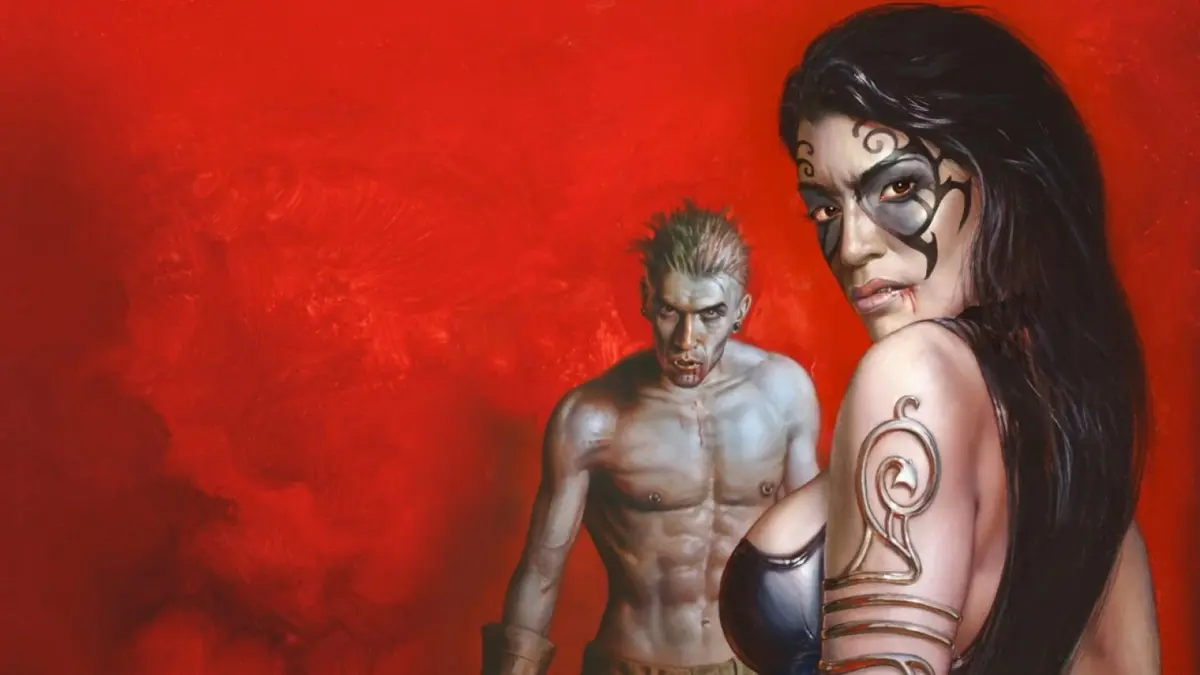
Whispers from the underground music scene have once again set the gaming community ablaze, reviving hopes and anxieties surrounding one of the most revered, cult-classic role-playing games in PC history. A chance remark dropped mid-set by the industrial metal band Genitorturers during a live performance in Brooklyn, New York, has sparked a viral rumor: is Troika Games’ 2004 masterpiece, Vampire: The Masquerade – Bloodlines, finally getting a full-scale remake?
While concrete evidence remains elusive, the intersection of classic cyberpunk-gothic aesthetics, nostalgic license tracks, and the tortured development history of the franchise makes this rumor too tantalizing to ignore. For millions of tabletop and PC RPG fans, Bloodlines occupies a sacred space. It is a legendary, buggy, ambitious mess of a game that captured lightning in a bottle—marrying the atmospheric reactivity of early isometric CRPGs with a visceral, first-person perspective.
Yet, as the gaming industry reels from recent remaster disasters and long-delayed sequels, questions loom large. Could this rumor simply be a misinterpretation of recent franchise entries like Vampire: The Masquerade – Bloodlines 2? Or, if true, who could possibly be trusted to handle the fragile code and inimitable mood of the original World of Darkness adaptation? This report dives deep into the origins of the Brooklyn whisper, the intricate history of the franchise’s soundtrack, and what a potential remake or remaster means for the legacy of Troika’s fallen titan.
Detailed Chronology: From a Brooklyn Stage to the Subreddits
The story began in the dimly lit confines of The Meadows, a Brooklyn music venue hosting the industrial metal act Genitorturers as part of their ongoing "Live + Lewd Tour" on October 15. Amidst the heavy bass, flashing strobes, and high-energy performance, a Reddit user operating under the handle Few_Interview8222 claimed that members of the band casually addressed the crowd, dropping a bombshell announcement: a remake of Vampire: The Masquerade – Bloodlines is actively in development.
Like wildfire, the user’s report was transported to the r/vtmb subreddit, a digital watering hole for die-hard fans who have spent the last two decades dissecting game files, arguing over clan lore, and installing the monumental fan-made patches required to keep the game running on modern operating systems.
At first glance, the claim appears paper-thin. No local press or other concertgoers stepped forward immediately to corroborate the statement with audio or video evidence. However, verification of the band’s touring schedule quickly confirmed that the Genitorturers were indeed physically present at the venue on the night in question. This put the industrial act—known for their aggressive stage shows and transgressive aesthetics—in the right place at the right time, lending an uncanny layer of validity to an otherwise anecdotal internet rumor.
In response to the growing speculation, media outlets have reached out to intellectual property rights holder Activision (whose involvement in the sprawling licensing web of the World of Darkness is famously convoluted) as well as representatives for the Genitorturers. As of press time, official statements from corporate channels remain silent, leaving the community suspended in a state of hopeful paranoia.
Supporting Context & Metrics: The Industrial Metal Pulse of 2004 Los Angeles
To understand why an industrial metal band active since the mid-1980s would have any insight into the inner workings of a video game remake, one must examine the deeply symbiotic relationship between Bloodlines and its era-defining soundtrack.
Released in November 2004 by Troika Games, Bloodlines was not merely a role-playing game; it was an atmospheric immersion simulator. Much of that success can be attributed to its haunting score composed by Rik Schaffer, alongside a carefully curated lineup of licensed tracks from underground rock and industrial heavyweights. Music in Bloodlines was handled diegetically—meaning it played realistically from stereos, jukeboxes, and sound systems inside the dingy vampire-infested nightclubs and neon-lit alleyways of Los Angeles.
Enter the Genitorturers. Their high-octane, confrontational track "Lecher Bitch" served as the quintessential audio backdrop for The Last Round, a downtown Los Angeles dive bar frequented by the Anarch faction. Pumping through the bar’s speakers while players interacted with characters like Skelter and Nines Rodriguez, the song became synonymous with the raw, rebellious, counter-cultural identity of the game.
Because of this direct cultural tie, industrial and goth bands from the early 2000s music scene maintain a tangential, loyal awareness of the Bloodlines community. Over the years, these artists have occasionally crossed paths with the game’s developers, publishers, and passionate fanbases at conventions or retro-gaming events. Whether a band member let slip a piece of confidential industry gossip, misremembered a conversation, or simply hyped up the crowd using enthusiastic hyperbole remains the million-dollar question.
Official Statements & Industry Realities: Mistaken Identity or Genuine Leak?
As the Reddit thread expanded, skeptics and veteran industry watchers quickly pointed out alternative explanations for the band’s purported onstage announcement. The most logical counter-theory points toward confusion surrounding Vampire: The Masquerade – Bloodlines 2.
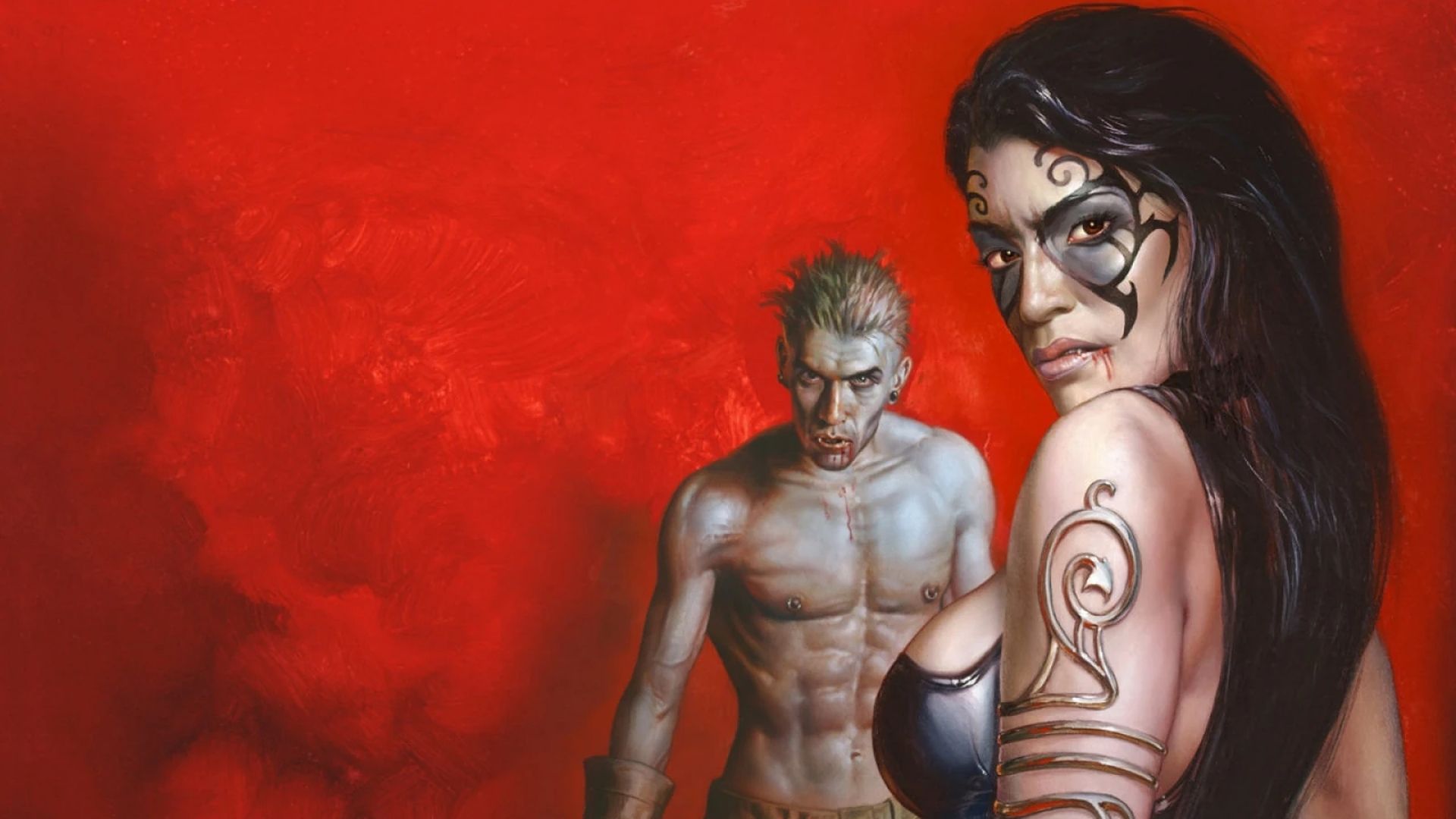
The long-suffering sequel has endured a tortured development cycle of its own. Originally helmed by Hardsuit Labs before being stripped away and handed to The Chinese Room, Bloodlines 2 has dominated gaming headlines, promotional pushes, and community discourse over the last several years. It is entirely plausible that a concertgoer misheard a reference to the upcoming sequel, or that a performer on stage fumbled the exact nomenclature, confusing a sequel release or marketing push with a ground-up "remake" of the original cult classic.
Furthermore, the intellectual property rights surrounding the World of Darkness universe are notoriously labyrinthine. Paradox Interactive holds the broader licensing rights to the tabletop RPG and oversaw the development of Bloodlines 2, while historical assets, publishing rights, and code bases from the original 2004 release have bounced between various corporate entities, including Activision.
In an industry where dead projects are frequently resurrected, shopped around to third-party developers, placed on indefinite hiatus, and canceled behind closed doors, it is entirely possible that a project was pitched or initiated at some point. Peripheral collaborators and aging musicians are prime candidates to catch wind of early-stage pitches or dead-end exploratory meetings, walking away with outdated or misconstrued information that eventually spills out over a microphone in Brooklyn.
Future Outlook: Who Can We Trust with the Bloodlines Legacy?
If the rumors are true, the gaming community faces a complex emotional landscape: unbridled excitement mixed with profound terror. Bloodlines is widely considered a holy grail of narrative design, but it is equally notorious for its catastrophic launch. Rushed out the door by Activision before it was finished, the original game shipped in a notoriously broken, unfinished state, ultimately bankrupting its developer, Troika Games.
For the past two decades, the game has been kept on life support entirely by dedicated modders—most notably Werner "Wesp5," whose monumental Unofficial Patch project repaired thousands of bugs, restored cut content, and essentially made the game playable for modern audiences.
Because of this history, the mere mention of a commercial remaster or remake strikes fear into the hearts of purists. Recent industry trends have not been kind to classic preservation. Disasters such as the mishandled Total War: Shogun 2 updates and the rocky, controversial fate of the Deus Ex remaster initiatives have proven that modernizing old PC code requires a delicate touch that few studios possess.
When discussing who could actually pull off a Bloodlines revitalization, one studio stands head and shoulders above the rest in the eyes of PC gamers: Nightdive Studios. Renowned for their masterclass restorations of classic PC titles (such as System Shock, Turok, and Blade Runner), Nightdive possesses the technical wizardry and deep reverence required to honor legacy codebases without destroying their original atmosphere.
Fans argue that any legitimate attempt to remaster or remake the original Bloodlines must involve Nightdive partnering directly with foundational community pillars like Wesp5—compensating the modders who preserved the game when the corporate rights-holders abandoned it.
Why the Stakes Remain So High
Even if the Genitorturers’ onstage shoutout evaporates into nothing more than an overzealous rock-and-roll rumor, the incident highlights the enduring cultural footprint of Troika’s masterpiece.
To the uninitiated, Bloodlines represents the evolutionary missing link between classic 2D isometric RPGs (such as early Fallout, given that key developers Leonard Boyarsky and Jason Anderson worked on both) and modern 3D open-world epics like Fallout: New Vegas. Its moody, Y2K-gothic-noir interpretation of Los Angeles remains one of the most vividly realized settings in interactive entertainment.
You can still purchase the original Bloodlines on Steam or GOG for a modest price, where it regularly sits atop wishlists during seasonal sales. Yet, as hardware marches forward, the barrier to entry for playing a 2004 PC game—even with patches—grows higher by the year.
Whether the Genitorturers accidentally leaked a secret project in development or simply gave genre nerds something fun to obsess over for a weekend, one thing is certain: the hunger for a proper, respectful return to the dark, blood-soaked streets of Los Angeles has never been stronger. Until official word drops from the shadows, the masquerade remains firmly intact.

Belum ada komentar. Jadilah yang pertama berkomentar!