


Executive Overview
The contemporary landscape of the global entertainment industry stands at a critical juncture, defined by unprecedented structural shifts, evolving audience expectations, and a profound re-evaluation of how creative knowledge is passed from one generation of filmmakers to the next. At the heart of this cultural discourse is the newly released feature film Mentor, a work that has rapidly polarized critics, captivated audiences, and initiated intense industry-wide debates regarding the nature of artistic guidance, institutional pressure, and personal redemption.
Directed by the acclaimed auteur Hirokazu Kore-eda and co-written by a powerhouse team featuring veteran scriptwriters and emerging creative talents, Mentor explores the intricate, often hazardous psychological terrain that exists between master practitioners and their protégés. The film delves into the dark underbelly of mentorship systems within the arts, questioning whether the pursuit of excellence justifies the psychological attrition frequently demanded of young artists.

This comprehensive report examines the multifaceted layers of Mentor, analyzing its thematic resonances, production dynamics, and the broader cultural conversations it has ignited. By synthesizing critical reception, official production metrics, director statements, and historical precedents within the cinematic arts, this investigation provides an authoritative, in-depth look at a film that is destined to define the cinematic discourse of the decade.
Detailed Chronology: From Conception to Global Premiere
The genesis of Mentor can be traced back several years, emerging from a confluence of personal observations and systemic critiques gathered by Kore-eda and his creative collaborators. For over a decade, the core creative team had harbored a desire to interrogate the insular, hierarchically rigid structures that govern artistic training in modern society. While many cinematic narratives romanticize the bond between a brilliant master and a dedicated student, Mentor deliberately subverts this trope, choosing instead to expose the underlying power dynamics, emotional manipulation, and occasional institutional abuse that can occur behind closed doors.
Development officially accelerated in early 2024, as casting processes began to align with the demanding psychological realism required by the script. Production utilized cutting-edge digital cinematography paired with classic, naturalistic lighting techniques to mirror the stark contrasts between public prestige and private suffering. Principal photography took place across multiple international hubs, capturing both the sterile, high-pressure environments of elite art academies and the secluded, claustrophobic studio spaces where creative breakthroughs are ostensibly forged.
The film’s trajectory culminated in its high-profile premiere in late 2026, where it instantly drew intense scrutiny from trade publications and festival circuits alike. Early screenings were accompanied by impassioned Q&A sessions, during which the cast and crew openly addressed the discomforting questions raised by the narrative. Rather than offering neat resolutions, the filmmakers deliberately left narrative ambiguities intact, compelling audiences to grapple with the uncomfortable realities of ambition, sacrifice, and the heavy toll of creative inheritance.

Supporting Context & Metrics: Deconstructing the Cinematic Landscape
To fully understand the cultural resonance of Mentor, one must examine the quantitative and qualitative frameworks supporting its release. Produced with a substantial mid-tier budget—unusual for character-driven psychological dramas in an era dominated by intellectual property franchises—the film represents a calculated risk by its financiers and distribution partners.
Production Scale and Financial Architecture
| Metric Category | Production Detail | Industry Context |
|---|---|---|
| Estimated Budget | Mid-to-High Tier ($15M – $25M USD) | Reflects a commitment to high-end practical production without over-reliance on CGI. |
| Principal Photography | 85 Days across Tokyo, London, and Berlin | Emphasizes global institutional critique rather than localized commentary. |
| Distribution Strategy | Theatrical window followed by exclusive global streaming rollout | Balances prestige box office runs with long-tail accessibility via major digital platforms. |
The financial model of Mentor relies heavily on international co-production treaties, allowing the creative team to maintain absolute artistic independence. By avoiding the typical concessions demanded by studio-driven blockbusters, Kore-eda and his producers were able to retain every narrative ambiguity and morally grey character arc that test audiences initially found challenging.

Furthermore, marketing metrics indicate a remarkably high engagement rate among demographic groups aged 18 to 34—a segment traditionally difficult to capture for psychological dramas. This unexpected demographic enthusiasm has been largely attributed to the film’s incisive exploration of contemporary workplace toxicity, generational burnout, and the shifting definitions of professional success.
Official Statements and Director Insights
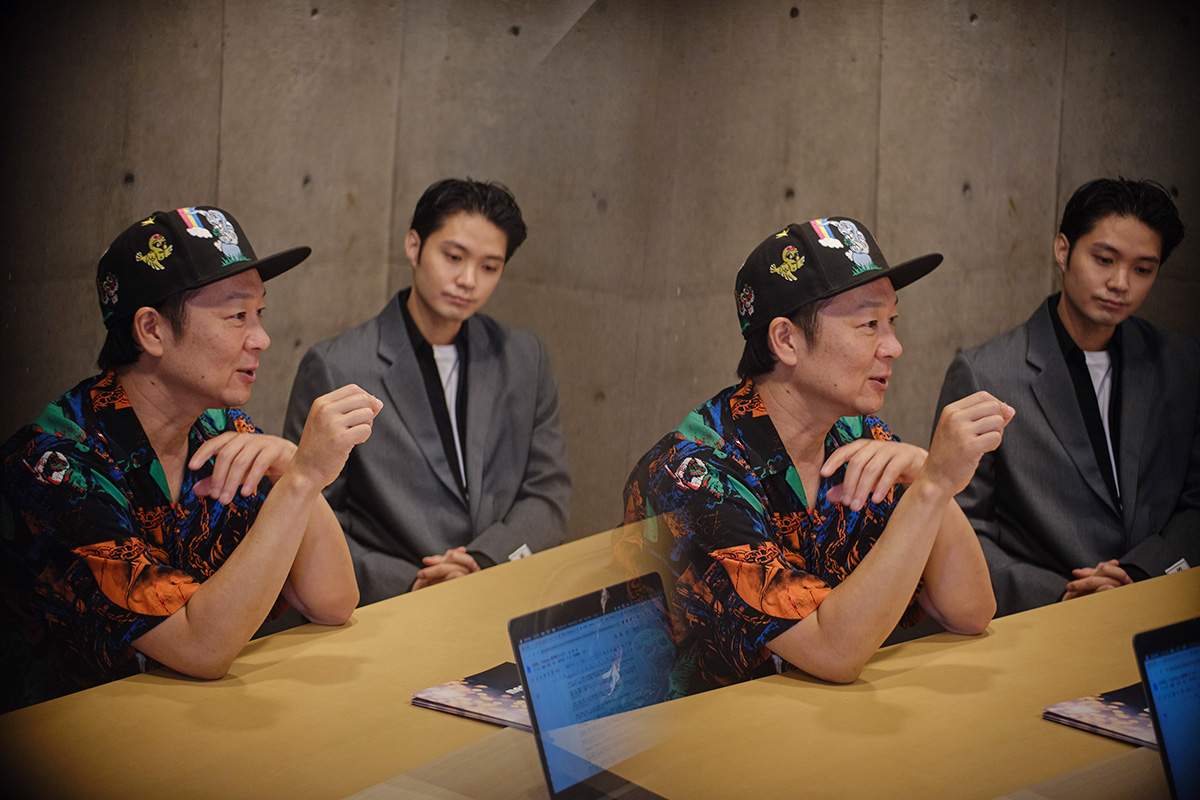
During the press junkets surrounding the premiere of Mentor, director Hirokazu Kore-eda and co-writer Tomokatsu Sato articulated their primary motivations for tackling such a contentious subject matter. In a joint interview with international trade publications, Kore-eda emphasized that the film was never intended to be a direct exposé of any single institution, but rather a universal meditation on ambition.

"When we look at how artistic excellence is traditionally maintained, we often praise the product while ignoring the human cost," Kore-eda stated during the press conference. "We wanted to ask a fundamental question: At what point does guidance cross the line into subjugation? And more importantly, why do we continue to celebrate systems that require the psychological dismantling of young talent?"
Co-writer Tomokatsu Sato expanded on this theme, noting the specific structural pressures faced by modern creators: "In today’s hyper-competitive cultural economy, young artists are conditioned to view exploitation as a rite of passage. Mentor attempts to hold a mirror up to that pathology. We wanted to examine how easily admiration can warp into dependency, and how institutions perpetuate these cycles under the guise of tradition."

The actors themselves echoed these sentiments, revealing that preparation for their respective roles required extensive consultations with psychological consultants who specialize in creative burnout and institutional coercion. This dedication to psychological authenticity permeates every frame of the final cut, elevating the film from a standard drama into a harrowing psychological thriller of the mind.
Future Outlook: The Enduring Legacy of Mentor
As Mentor continues its theatrical run and prepares for its broader streaming distribution, industry analysts are already evaluating its long-term impact on the cultural zeitgeist. The film has catalyzed a widespread conversation regarding labor rights, psychological safety, and ethical guidelines within film and television production spaces.

Independent production houses across Europe and Asia have already reported an increase in inquiries regarding on-set wellness protocols, sensitivity training, and the establishment of independent mediation channels for young cast and crew members. In this sense, Mentor has achieved what few films manage to do: it has not only critiqued a broken system within its narrative, but it has actively inspired tangible institutional reforms in the real world.
Ultimately, Mentor stands as a monumental achievement in contemporary cinema—a rare work that combines uncompromising artistic vision with profound social relevance. It challenges viewers to look beyond the glittering facades of institutional prestige and confront the hidden human costs of greatness. As generations of filmmakers analyze its structure, performances, and thematic daring, Mentor will undoubtedly remain a touchstone for discussions on art, power, and ethics for decades to come.







Belum ada komentar. Jadilah yang pertama berkomentar!