

Executive Overview
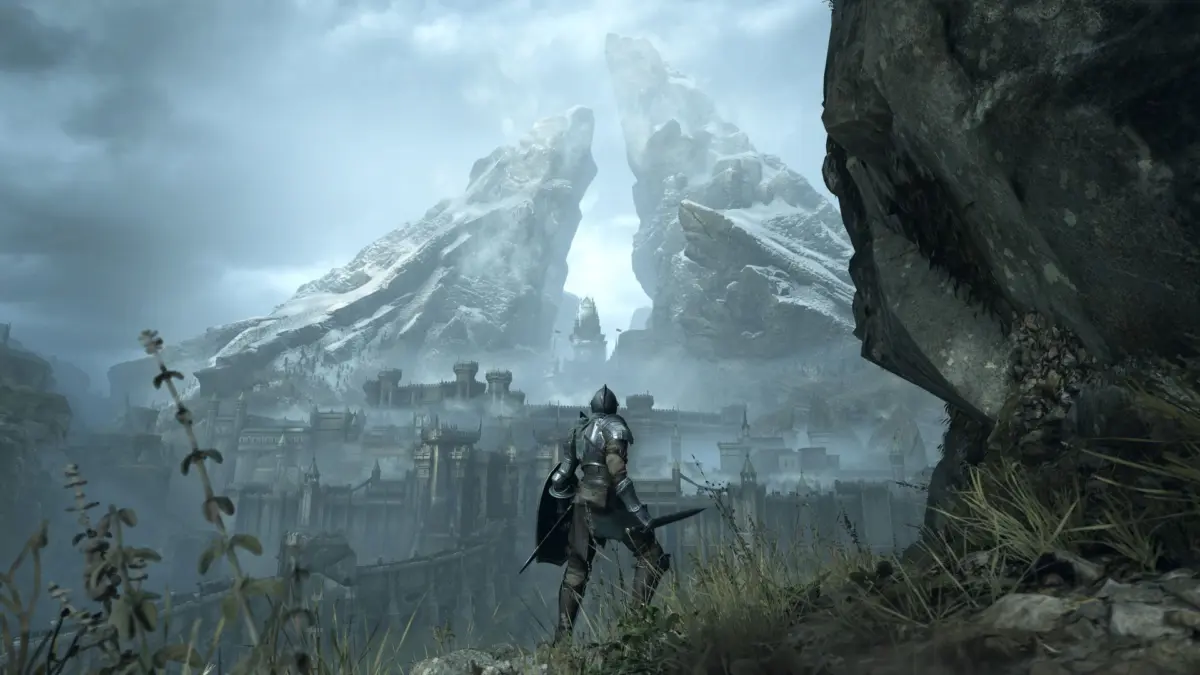
The landscape of video game preservation, hardware optimization, and platform exclusivity has reached a fascinating new crossroads. For years, Bluepoint Games’ stunning 2020 reimagining of Demon’s Souls remained a pristine, heavily guarded jewel within the PlayStation 5 ecosystem. Locked to Sony’s proprietary hardware, the critically acclaimed action-RPG stood as a benchmark for current-generation console capabilities, offering a rock-solid 60 frames per second at 1440p in its performance mode. For PC purists, however, the inability to experience Boletaria outside of Sony’s walled garden was an ongoing point of frustration.
That narrative is rapidly shifting. Recent breakthroughs in the burgeoning PlayStation 5 emulation scene—driven by experimental software translation layers and heavy-hitting PC hardware—have demonstrated that Demon’s Souls Remake can now run on non-Sony hardware. Utilizing the unofficial KytyPS5 translation layer, hardware enthusiasts have successfully booted the game on high-end desktop configurations.
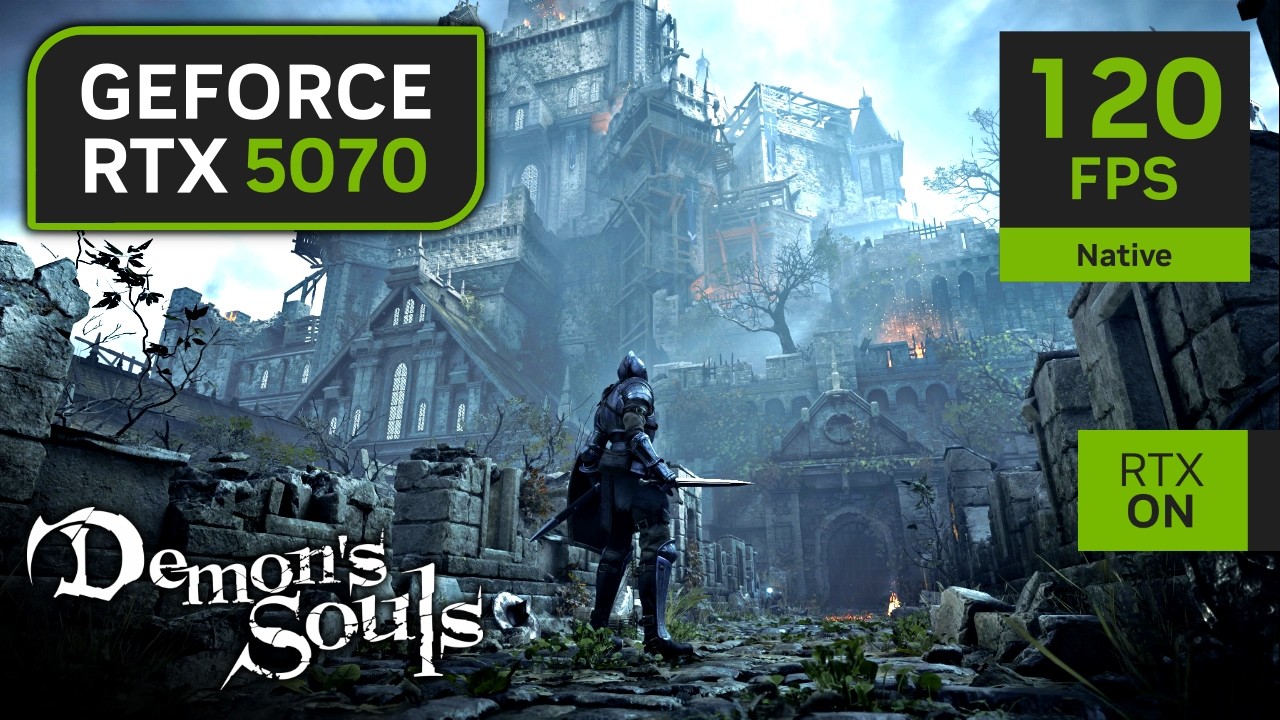
Even more startling is the performance data accompanying these milestones: paired with powerhouse components like Nvidia’s RTX 5070 and AMD’s Ryzen 7 9800X3D, the title is no longer merely "playable"—it is pushing past the 60 FPS ceiling, touching 100 FPS at 1440p via DLSS frame generation, and soaring up to a buttery-smooth 120 FPS at 1080p.
This development arrives at a delicate time for the video game industry. With rising console hardware costs, ongoing debates surrounding game preservation, and rapid advancements in PC emulation and native source-porting, the barrier separating console exclusives from open desktop platforms is eroding. This report investigates the technological marvels behind the Demon’s Souls breakthrough, the hardware required to pull it off, the inherent quirks of early-stage emulation, and what this means for the broader future of game preservation.
Detailed Chronology: From Console Exclusivity to Desktop Breakthroughs
To understand the magnitude of running Demon’s Souls Remake on a PC, one must trace the timeline of both the game’s release and the relentless, often clandestine efforts of the emulation community.
November 2020: The Next-Gen Launchpad
When Sony and Bluepoint Games launched the Demon’s Souls remake alongside the PlayStation 5 in November 2020, it was universally praised as a masterclass in how to rebuild a classic. Featuring breathtaking asset overhauls, advanced lighting models, and fluid animations, it immediately became the defining visual showcase for Sony’s new console generation. However, unlike many PlayStation titles that eventually found their way to Steam or the Epic Games Store years down the line, Demon’s Souls Remake remained stubbornly, exclusively tethered to the PS5.
The Rise of Experimental PS5 Translation Layers
While the emulation community spent years perfecting PlayStation 3 architecture through projects like RPCS3, tackling the x86-64 architecture of the PlayStation 4 and PlayStation 5 presented an entirely different beast. Because modern consoles share structural similarities with standard desktop PCs—utilizing custom AMD Zen-based CPUs and Radeon-based graphics architectures—researchers realized that full-system emulation might eventually be bypassed in favor of "translation layers" and compatibility wrappers.
Projects like Kyty and other nascent initiatives began quietly probing the initialization code, security chips, and API calls of the PS5 firmware. Progress was measured in microscopic increments: first successfully booting homebrew, then rendering basic geometric shapes, and finally managing to draw simple UI elements.
The Breakthrough: Hitting High Fps on the RTX 5070
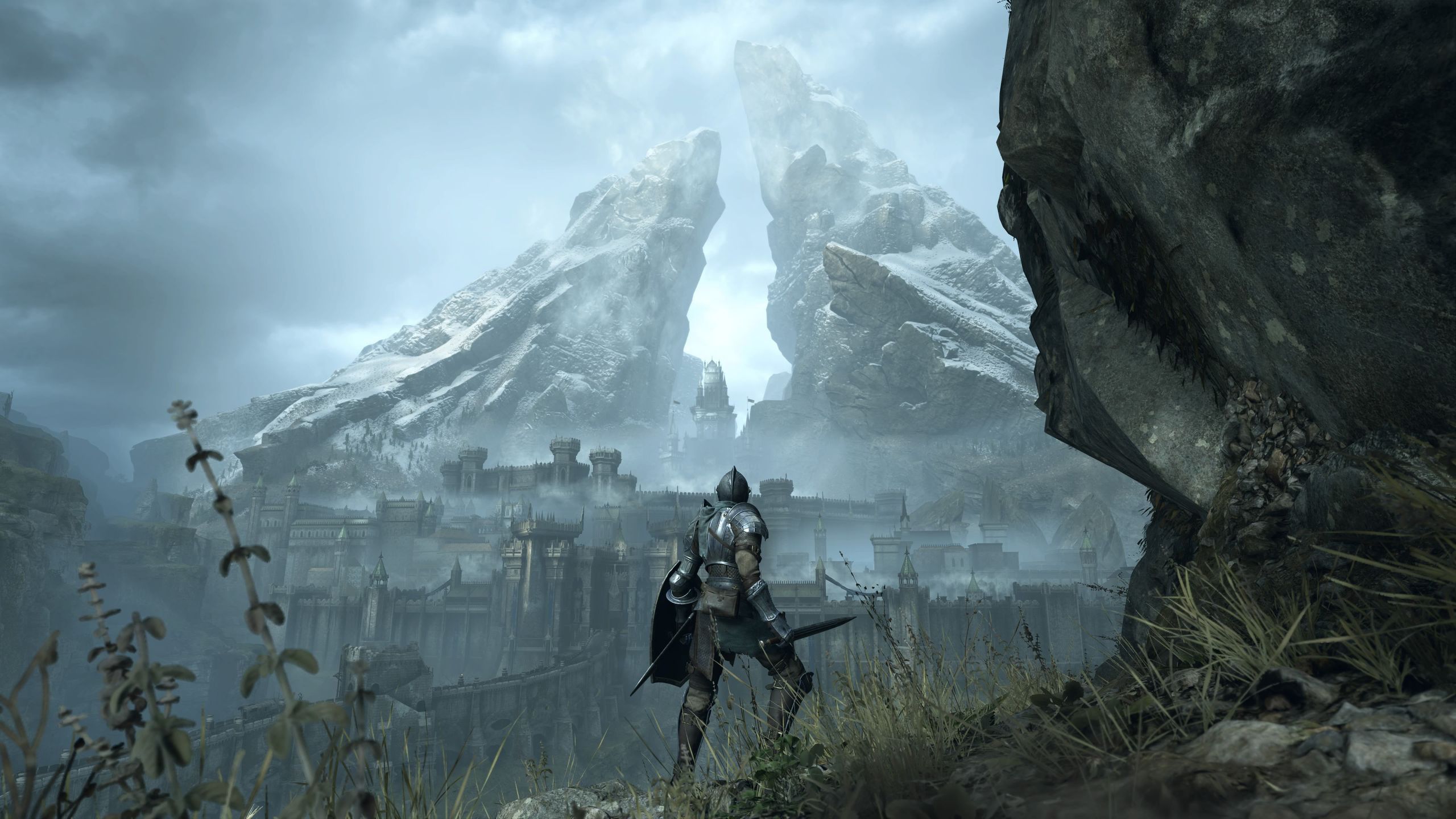
The tipping point arrived when hardware testers and benchmark channels, such as YouTuber Geralt Benchmarks, turned their attention to these experimental tools using cutting-edge consumer hardware. Armed with an Nvidia GeForce RTX 5070 and an AMD Ryzen 7 9800X3D, testers managed to successfully boot Demon’s Souls Remake past the title screen and into actual gameplay via the KytyPS5 translation layer.
By leveraging modern PC-exclusive rendering techniques—specifically DLSS (Deep Learning Super Sampling) frame generation—testers observed the game shattering its native console limits. At a 1440p resolution, frame rates comfortably cleared the 100 FPS mark. Dropping the resolution down to 1080p unlocked a near-constant 120 FPS, effectively doubling the frame rate ceiling enforced by Sony’s official Performance Mode.
Supporting Context & Metrics: Hardware Performance and Limitations
While achieving triple-digit frame rates on a game built exclusively for a locked console environment is an undeniable engineering triumph, a closer look at the telemetry reveals a nuanced picture. Emulating modern hardware architectures is notoriously resource-intensive, and the Demon’s Souls experiment is no exception.
The Test Rig Specifications
The breakthrough footage was captured using a bleeding-edge desktop configuration:
- Graphics Card: Nvidia GeForce RTX 5070 Founders Edition
- Processor: AMD Ryzen 7 9800X3D (widely lauded as a premier gaming CPU due to its massive 3D V-Cache architecture)
- Memory & Storage: High-speed DDR5 RAM paired with a Gen4 NVMe SSD to minimize asset streaming bottlenecks.
Native PS5 vs. Emulated PC Metrics
| Metric / Feature | Official PS5 (Performance Mode) | Emulated PC (RTX 5070 + Ryzen 7 9800X3D) |
|---|---|---|
| Resolution | Native 1440p (Dynamic / Reconstructed) | Scalable (Tested up to 1440p with DLSS) |
| Target Frame Rate | Locked 60 FPS | Up to 120 FPS (via DLSS Frame Generation) |
| Frame Consistency | Rock-solid, tightly paced | Prone to occasional hitching and stuttering |
| Stability | Commercial-grade reliability | Experimental, prone to crashes |
| Hardware Cost | Standard console pricing (subject to recent regional hikes) | High-end enthusiast PC tier |
The Elephant in the Room: Stutter and Stability
Running raw telemetry on the emulated build exposes the compromises required to achieve these high frame rates. Unlike the official PS5 version—which, as verified by technical breakdowns from outlets like Digital Foundry, maintains an almost hypnotic 60 FPS lock with impeccable frame pacing—the emulated version suffers from noticeable hitching.
These micro-stutters are primarily attributed to shader compilation issues and the heavy overhead of translating proprietary low-level API calls into DirectX or Vulkan instructions on the fly. While the frame counter may read 100+ FPS during moments of high action, the sudden dips in frame times remind viewers that this is an unofficial, highly experimental endeavor rather than an optimized commercial PC port.
Official Statements and Industry Climate
Sony has maintained a strategic silence regarding the rapid advancements in current-generation emulation. Historically, platform holders view software emulation and unauthorized translation layers with intense legal scrutiny, protecting their intellectual property and hardware ecosystems. However, the broader economic context cannot be ignored.
Recent hardware pricing adjustments—including significant global hikes to the base PlayStation 5 and PlayStation 5 Pro models—have catalyzed a restless sentiment within the gaming community. As official hardware becomes more expensive to purchase and maintain, consumer interest in alternative ways to access software libraries has naturally spiked.
This climate of economic tension coincides with a turbulent period for the wider emulation and preservation community. Major milestones have been achieved across multiple fronts, though not without controversy:
- RPCS3 and AI Scrutiny: The prominent PlayStation 3 emulator RPCS3 recently had to implement strict clampdowns on AI-generated code submissions, with developers publicly advocating for human-driven, meaningful contributions to open-source software rather than automated code slop.
- The Retro Recompilation Wave: Beyond traditional emulation, the industry is witnessing a massive surge in manual game decompilations and native PC ports. Most notably, a lone developer recently engineered a native, fully playable PC port of P.T. (Konami’s legendary, abandoned PlayStation 4 horror teaser), proving that the community is increasingly unwilling to let foundational gaming history vanish behind discontinued hardware walls.
Future Outlook: What This Means for Emulation and PC Gaming
The sight of Demon’s Souls Remake running at 120 FPS on an RTX 5070 is more than just a flashy YouTube benchmark—it serves as a crystal ball for the future of digital preservation and platform architecture.
As console hardware continues to mirror x86 PC architecture more closely, the traditional barriers that once kept games trapped on specific plastic boxes are slowly dissolving. While translation layers like KytyPS5 are currently in their infancy, requiring enthusiast-grade hardware to brute-force past optimization inefficiencies, history suggests that these tools will only become more refined, lightweight, and accessible over time.
Does this mean an official, optimized PC port of Demon’s Souls Remake from Sony is imminent? Industry analysts remain skeptical. While Sony has systematically brought several of its older PlayStation 4 and early PS5 titles to Steam—such as God of War, Horizon Zero Dawn, and Marvel’s Spider-Man—high-profile exclusives often remain under lock and key to incentivize hardware adoption.
Until Sony decides to officially extend an olive branch to the PC platform, the emulation community will continue to forge its own path. For players willing to brave the stutters, configure complex translation wrappers, and invest in high-end desktop gear, the gates of Boletaria are slowly swinging open.
As the community mantra goes: Umbasa.






Belum ada komentar. Jadilah yang pertama berkomentar!