


Executive Overview
The landscape of modern cooperative gaming has shifted dramatically over the past few years. Long gone are the days when players had to endure multi-year commitments to sprawling, live-service behemoths just to share a virtual experience with friends. Instead, the market has welcomed a wave of bite-sized, chaotic, and intentionally disposable titles—games designed not to occupy months of your life, but to deliver concentrated bursts of unadulterated hilarity over a single weekend.
Titles like Peak and R.E.P.O. have previously captured the public consciousness by blending simple looting mechanics with unhinged social interactions. Now, a new challenger has emerged from the depths of Steam’s algorithmic ocean: How to Fish.
Developed as a physics-based, 1-to-4-player cooperative fishing simulator, How to Fish subverts the quiet, meditative tranquility typically associated with angling. Instead of waiting patiently by a quiet lake, players are thrust into a chaotic, slapstick struggle for survival where marine life fights back with surprising tenacity, and the local economy runs on shoving raw clams into the mouths of eccentric seadogs.
While the premise is undeniably absurd—combining elements of Ridiculous Fishing with chaotic sandbox survival—the game has quickly captured the attention of the Steam community. However, its sudden rise has not been entirely smooth sailing. Beneath the surface of high user reviews and viral social media clips lie technical vulnerabilities, backend security concerns, and a wild west of island exploration that is as unpredictable as it is entertaining.
Detailed Chronology: From Shipwreck to Shooting Sharks
To understand the rhythm of How to Fish, one must first understand its premise. The game begins not with a formal tutorial or a peaceful boat ride, but with disaster. You and up to three friends wake up stranded on a barren, rocky islet following what can only be described as a catastrophic, alcohol-fueled maritime accident.
Phase 1: Bare-Handed Survival and the Clam Economy
Stranded without gear, the initial phase of the game is humbling. Players must scour the rocky shores for basic sustenance, manually picking clams off the stones just to stay alive. These initial mollusks offer meager nutrition, but they also serve as the foundation of the island’s bizarre economy.
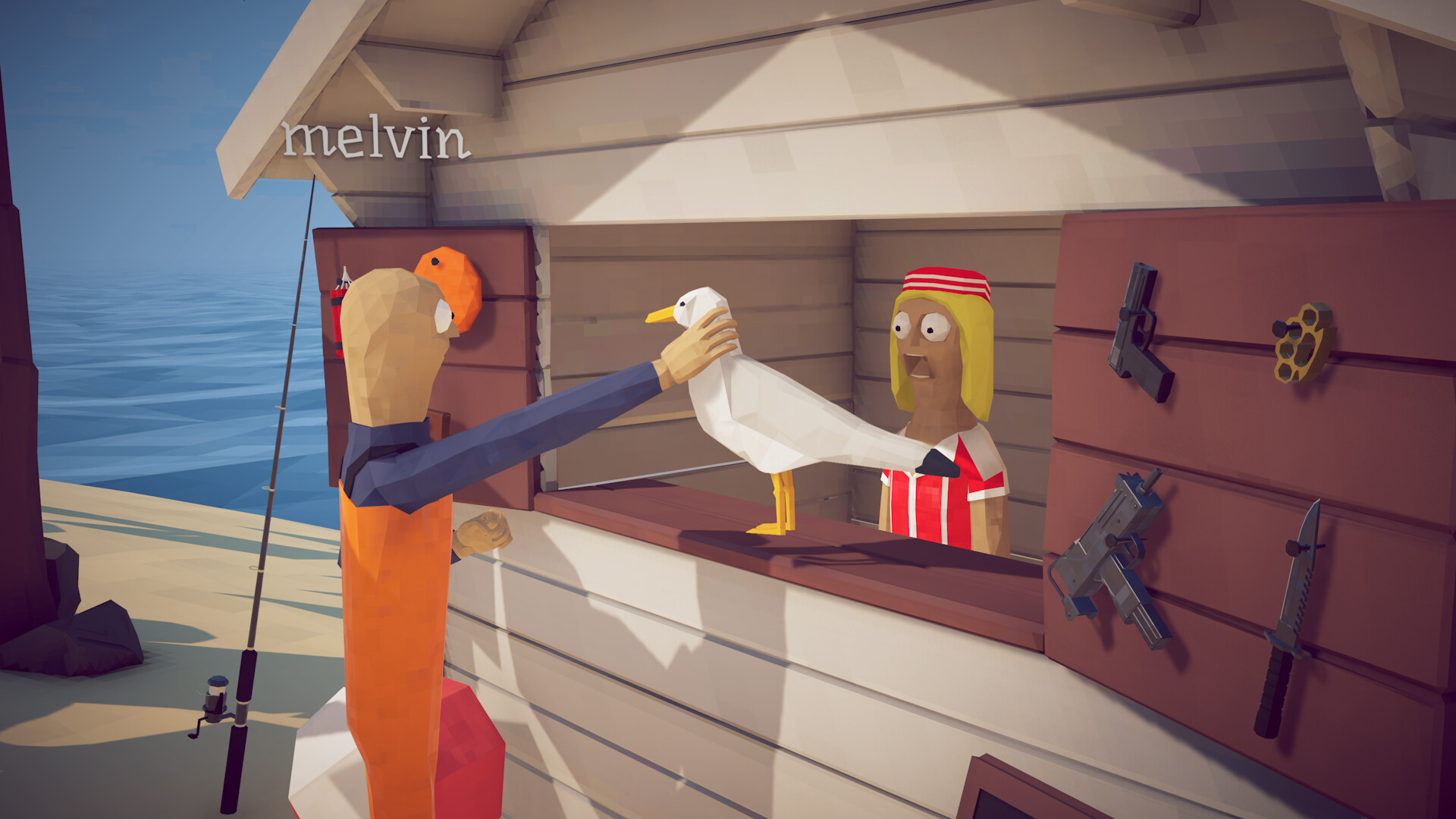
Rather than utilizing a traditional currency exchange or merchant interface, players must physically interact with the local populace. The primary method of acquiring cash involves marching up to an old, weathered seadog and shoving the clams directly into his mouth. This surreal mechanic immediately sets the tone for the rest of the experience: nothing in How to Fish is taken seriously.
Phase 2: Escalation and Armament
Once players have successfully bartered enough clams through unconventional means, they can finally afford a rudimentary fishing rod. This introduces the core gameplay loop: casting a line, waiting for a bite, and reeling in the catch.
However, landing a fish is only half the battle. Unlike traditional simulators where a caught fish neatly vanishes into a digital inventory, the marine life in How to Fish retains its physical properties. Once pulled onto dry land, fish, crabs, and other sea creatures will flop, scuttle, and crawl around with alarming autonomy.
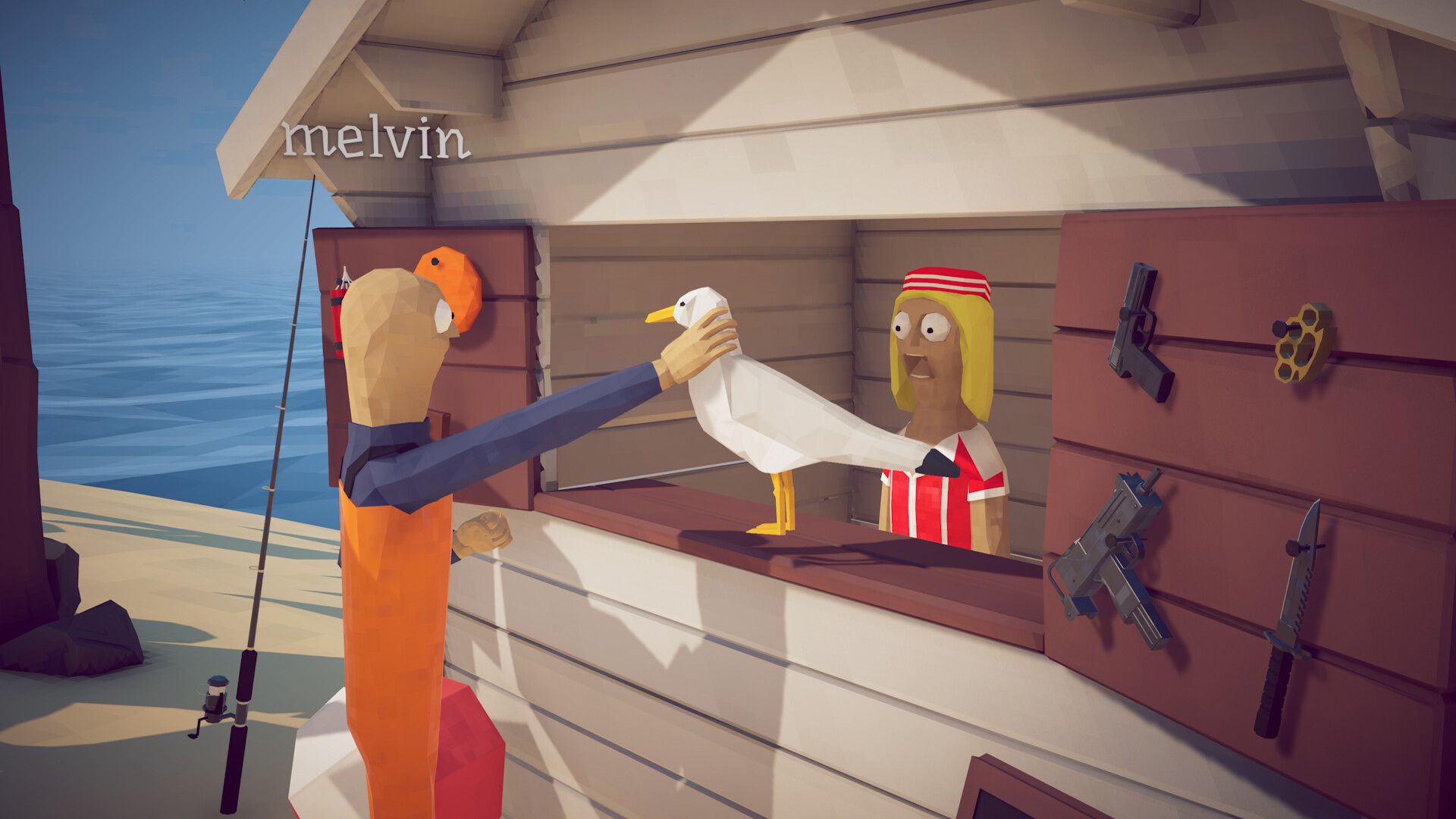
Initially, players are forced to subdue these writhing beasts using only their bare fists. As the cash flows in from successful catches, the game opens up its armory. Players can transition from punching cod to wielding knives, brass knuckles, and eventually firearms. The resulting gameplay loop frequently devolves into chaotic shootouts where players launch fish into the air—reminiscent of indie classic Ridiculous Fishing—and blast them out of the sky with shotguns and pistols.
Phase 3: Quests, Gambling, and Expansion
As players accumulate wealth and master the art of armed angling, How to Fish expands outward. The game features a chain of interconnected islands, each harboring progressively larger, more aggressive marine life. Sharks, king crabs, and other monstrosities wait for those daring enough to venture beyond the starter islet.
Furthermore, the game introduces structural elements to break up the fishing grind. Players can encounter non-player characters (NPCs) scattered across the islands who dish out specific quests. For those looking to multiply their wealth—or lose it all—the islands feature working slot machines and roulette wheels, allowing players to gamble their hard-earned catch proceeds in true degenerate fashion.
Supporting Context & Metrics: The Micro-Co-Op Boom
The rise of How to Fish is part of a broader, highly profitable trend within the independent PC gaming ecosystem. For gamers who grew up in the late 1990s and early 2000s, cooperative gaming was often a logistical nightmare requiring split-screen setups, LAN parties, or clunky connection protocols. When online multiplayer matured, it was quickly captured by massive MMORPGs and triple-A live-service titles designed to retain player engagement for years.
The current era, however, belongs to the "cheap and cheerful" indie co-op game. Titles priced under $10 that prioritize emergent multiplayer moments over endless progression loops have found massive audiences.
Pricing and Market Reception
How to Fish launched into this welcoming market with an aggressive introductory price point. Normally retailing for around $8 (£6.40), the developer instituted a launch discount slashing the price to just $5 (£4), running through late August. This low barrier to entry triggered a wave of impulse purchases across Steam, propelling the game up visibility charts.
Community Sentiment and Technical Hurdles
User reception on Steam has been largely positive, praised heavily for its uninhibited sandbox freedom and voice-chat hilarity. Watching friends panic as a massive crab scuttles across a campsite while another player opens fire with a shotgun yields the kind of viral clips that modern indie developers rely on for marketing.
However, the game’s rapid deployment has exposed notable vulnerabilities. Review data and community reports highlight significant backend security flaws. Most notably, the game’s lobby architecture has suffered from lax security protocols, allowing random, uninvited players to easily breach active sessions and cause structural or psychological havoc among established friend groups. While solo play is fully supported, the core appeal of the game—multiplayer chaos—is currently tempered by these matchmaking vulnerabilities, prompting calls for hotfixes from the development team.
Official Statements & Community Feedback
While major publishers rely on carefully orchestrated public relations campaigns and marketing roadmaps, micro-indie titles like How to Fish typically rely on grass-roots community discourse. The game’s Steam community hub has transformed into a repository of bug reports, comedic anecdotes, and gameplay suggestions.
Early player consensus highlights the duality of the experience:
"It’s rare to find a game that captures the exact energy of a late-night Discord call where everyone has lost their minds. Shoving clams into an old man’s mouth to buy a shotgun so we can hunt seagulls is peak gaming." — Anonymous Steam Reviewer
Conversely, technical feedback has been pointed regarding the aforementioned security issues:
"Brilliant fun with friends, but the open lobby system is a disaster waiting to happen. Randoms keep dropping into our private island and ruining the vibe before we can even buy our first fishing rod." — Community Forum Post
Developers have yet to issue a sweeping formal manifesto regarding these issues, but the indie scene’s historical agility suggests patches addressing lobby privacy and backend exploits will likely roll out swiftly to capitalize on the game’s sudden momentum.
Future Outlook: Where Does the Hook Sink Next?
As How to Fish navigates its initial launch window, its long-term viability hinges on a few critical factors:
- Technical Stabilization: Patching the lobby security vulnerabilities is paramount. If uninvited players continue to hijack private sessions, user sentiment could quickly sour, turning positive reviews into mixed warnings.
- Content Expansion: While the current chain of islands offers a solid variety of dangerous marine life and mini-games like roulette and slot machines, physics-based sandbox games require a steady stream of absurd content to maintain player interest once the initial shock value wears off.
- Sustaining the Hype: The low price point ($5 during the launch discount) makes it an easy purchase for friend groups looking for a Friday night distraction. Maintaining visibility once the introductory pricing expires will be the true test of the game’s staying power.
Ultimately, How to Fish encapsulates everything that makes the current indie co-op scene so vibrant. It is unpolished, profoundly silly, and unapologetically focused on generating laughs rather than chasing esports glory or cinematic prestige. Whether you are sniping flying fish with a pistol or gambling away your clam earnings on a rigged roulette wheel, it offers a distinct brand of digital catharsis that is well worth the price of admission—provided you lock your lobby doors.









Belum ada komentar. Jadilah yang pertama berkomentar!